













On a residential stretch of Chandos Road in Bristol, Wilson’s offers a dining experience built around time, restraint, and deliberate choices. With a small dining room and a focus on seasonal cooking, the restaurant prioritises pace and attention over volume.
This approach reflects a wider change taking place across British dining, where fewer covers, shorter menus, and slower service are increasingly seen as part of a more considered way to eat.
This content is provided for general interest only. Dining experiences, menus, and availability may vary over time. Images are for illustrative purposes only.
A Focus On Seasonal Cooking Over Speed
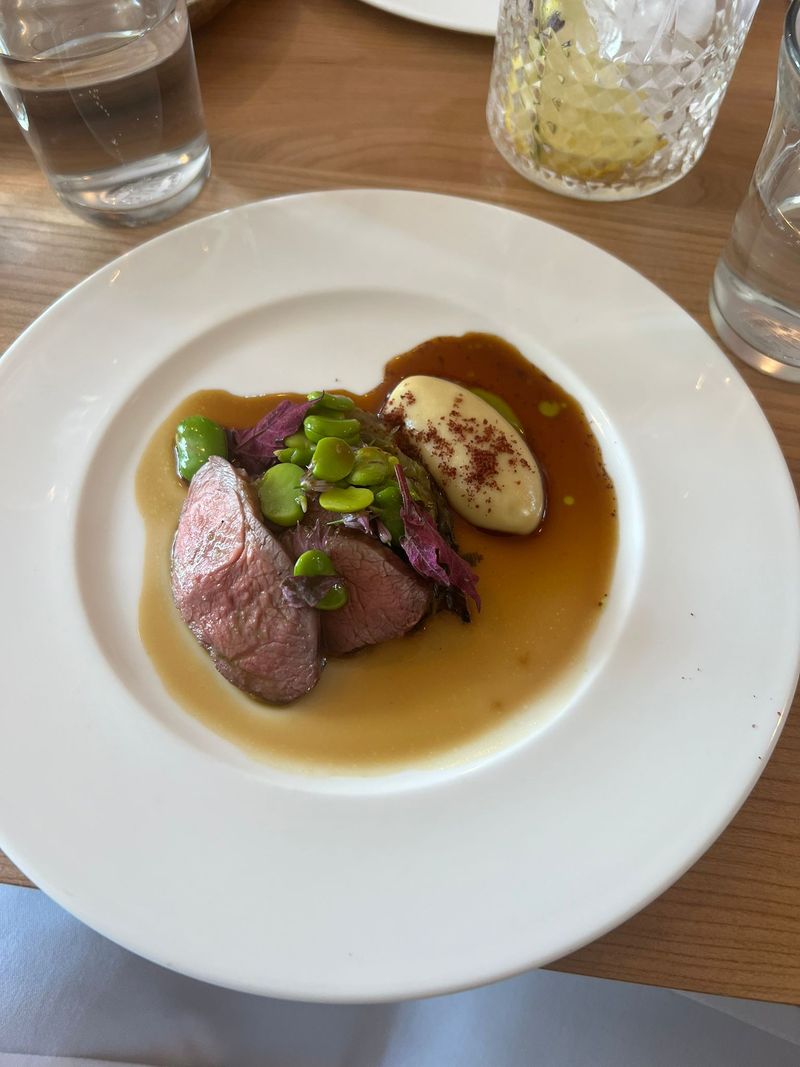
Walk past Wilson's any given week and you'll notice the menu has changed again. That's because head chef Jan Ostle builds every dish around what's just been harvested from nearby farms, not what's sitting in a freezer.
This weekly rotation means diners never see the same plate twice. One month might bring celeriac ice cream that sounds bonkers but tastes brilliant, while another showcases pheasant cooked three ways with flavours you didn't know could work together.
Cooking this way takes longer and demands more skill, but it creates food that actually tastes of something real rather than a recipe copied fifty times over.
Smaller Menus With Greater Attention To Detail
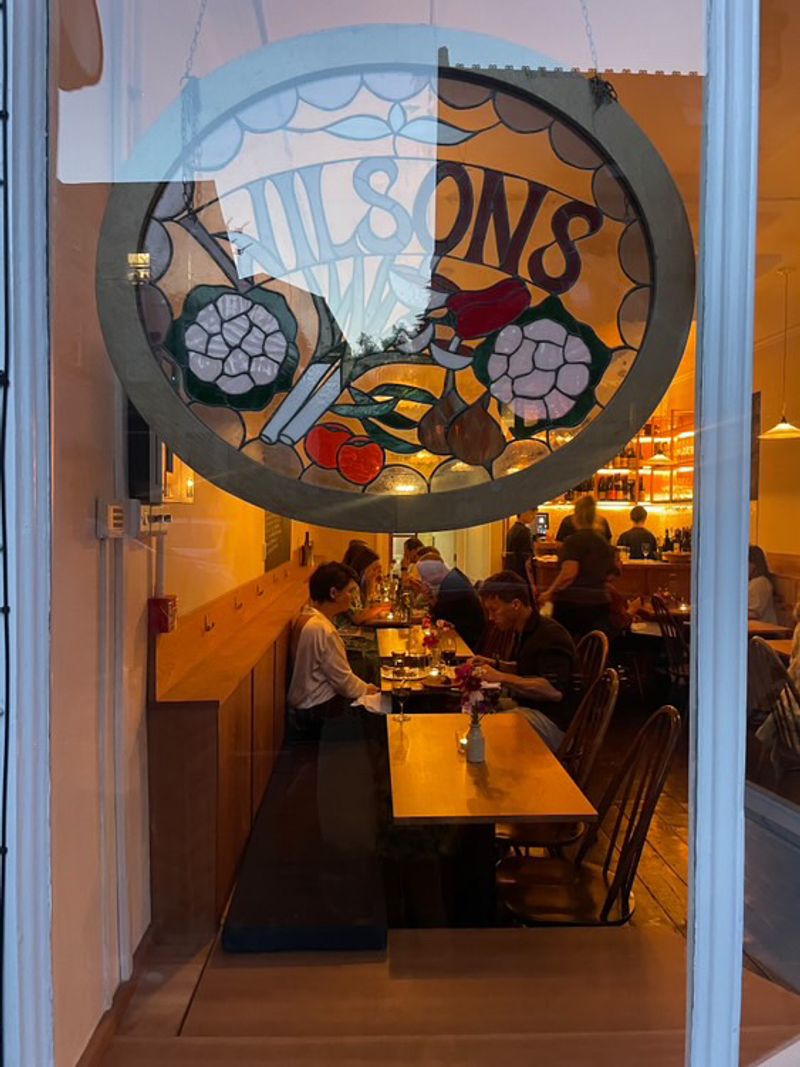
Forget scrolling through pages of choices. Wilson's offers a single tasting menu that shifts with the seasons, and that's your lot.
This isn't about limiting options but about perfecting every single element that lands on your plate.
When you're not trying to juggle thirty different dishes, the kitchen can obsess over getting that monkfish exactly right or nailing the balance in a bean stew topped with cured egg yolk. Even the bread course arrives with sardines tucked into nori tarts and chicken liver parfait.
It's cooking with intention rather than volume, where each component earns its place.
Why Fewer Covers Can Mean Better Dining Experiences
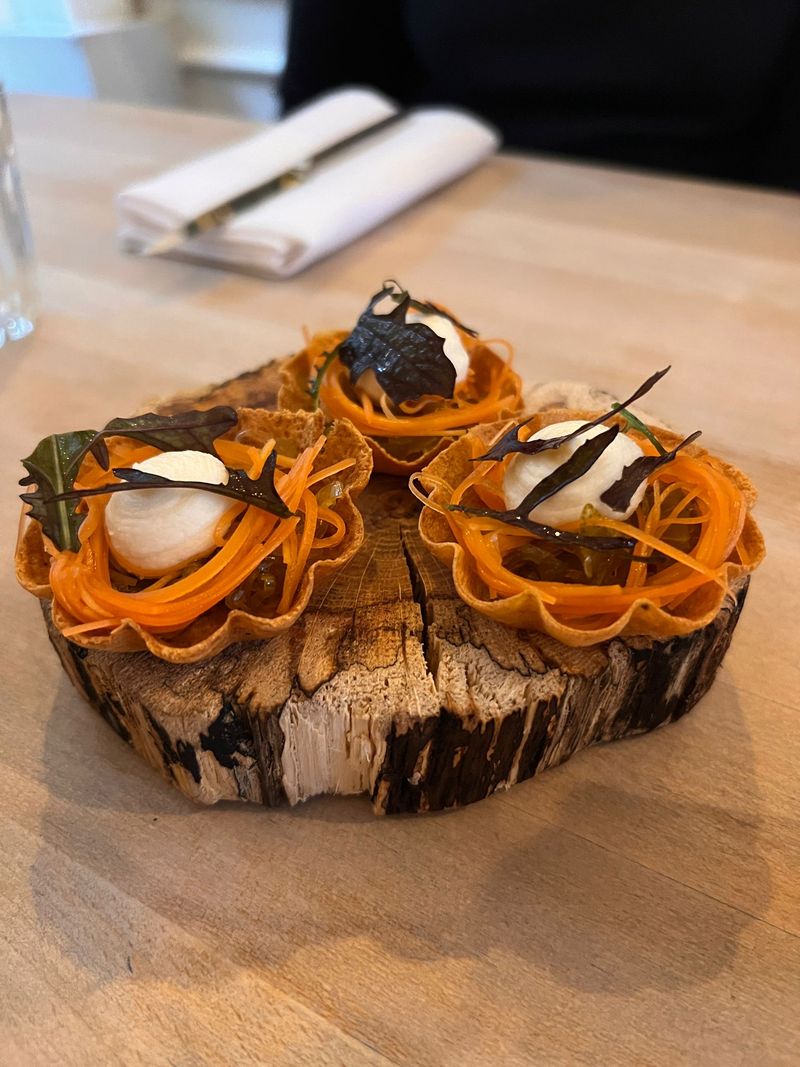
Step inside and you'll immediately notice how snug it feels. Tables sit close enough that you might overhear your neighbour's conversation, and the whole room holds maybe twenty people on a busy night.
Some might find it cramped, but this intimacy creates something special. The staff remember faces, explain dishes without sounding pompous, and move through the space like they're hosting mates rather than serving strangers.
You're not just another booking to flip before the next seating.
Running fewer covers means the kitchen never gets slammed, so your food arrives properly paced and exactly as intended.
Local Sourcing And Shorter Supply Chains
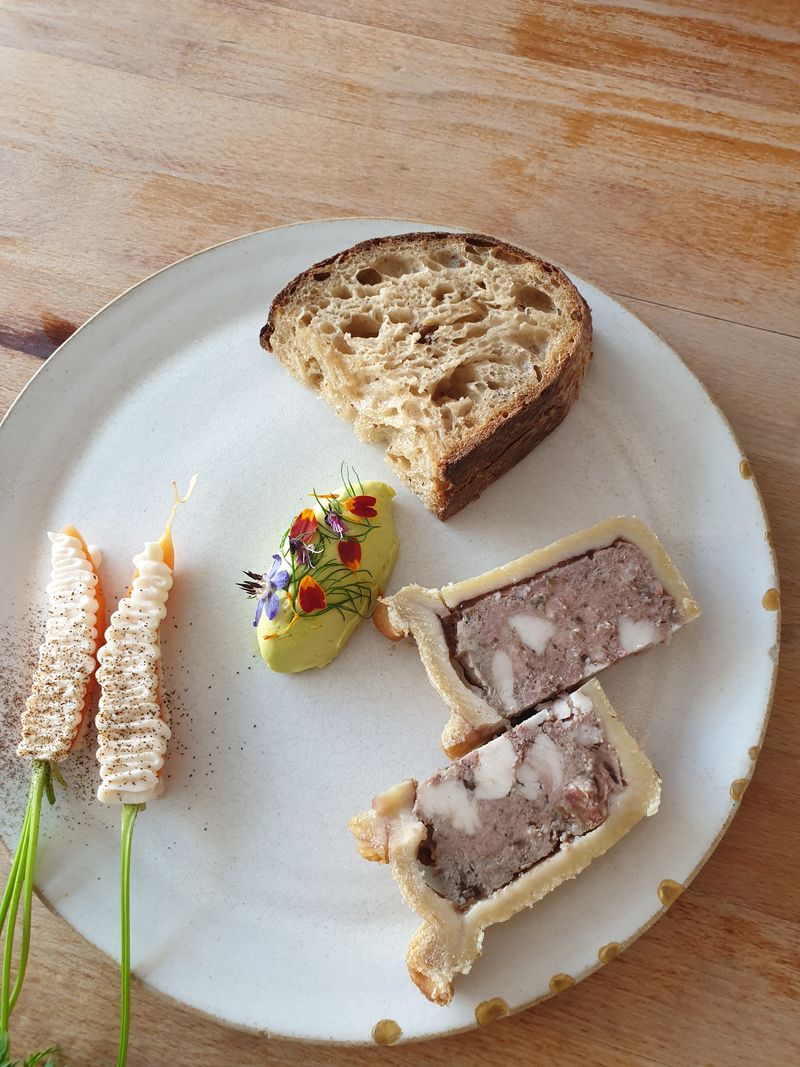
The ingredients at Wilson's don't travel far before reaching your fork. Vegetables come straight from local growers, fish arrives from trusted suppliers, and everything gets treated with the kind of respect you'd show something precious.
This direct connection means produce spends less time in transit and more time being fresh. When a dish features herbs, they're probably from a farm you could cycle to rather than flown halfway across Europe.
Shorter supply chains also mean the kitchen knows exactly where everything comes from, building relationships with producers who share their obsession with quality over convenience.
Dining As An Occasion Rather Than A Turnaround
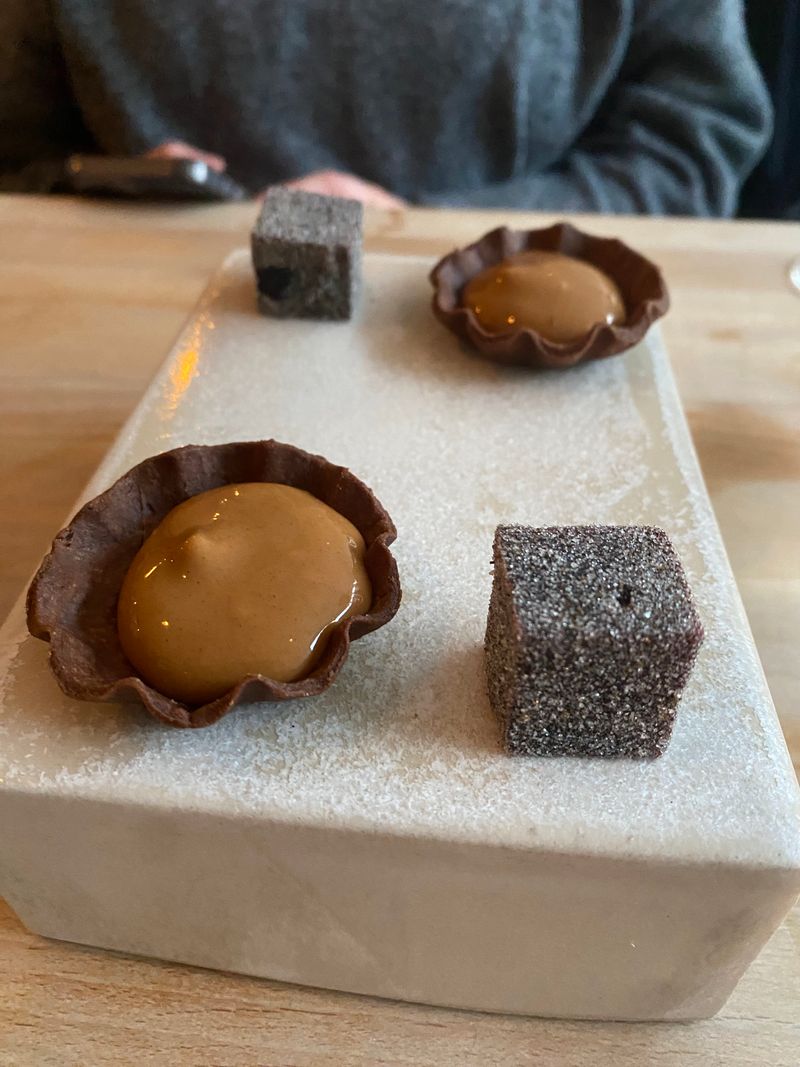
Nobody's rushing you through your meal here. The pacing feels deliberate, with enough breathing room between courses to actually chat with whoever you've brought along.
This isn't a place designed to get bums on seats twice in an evening.
Diners regularly mention feeling properly looked after without staff hovering. The wine pairings arrive at just the right moment, explanations come without pomposity, and you're encouraged to savour rather than scoff.
It's dining as an event worth remembering rather than fuel consumed between other plans, which explains why people travel specifically to Bristol for this experience.
What This Approach Reflects About Changing British Food Culture
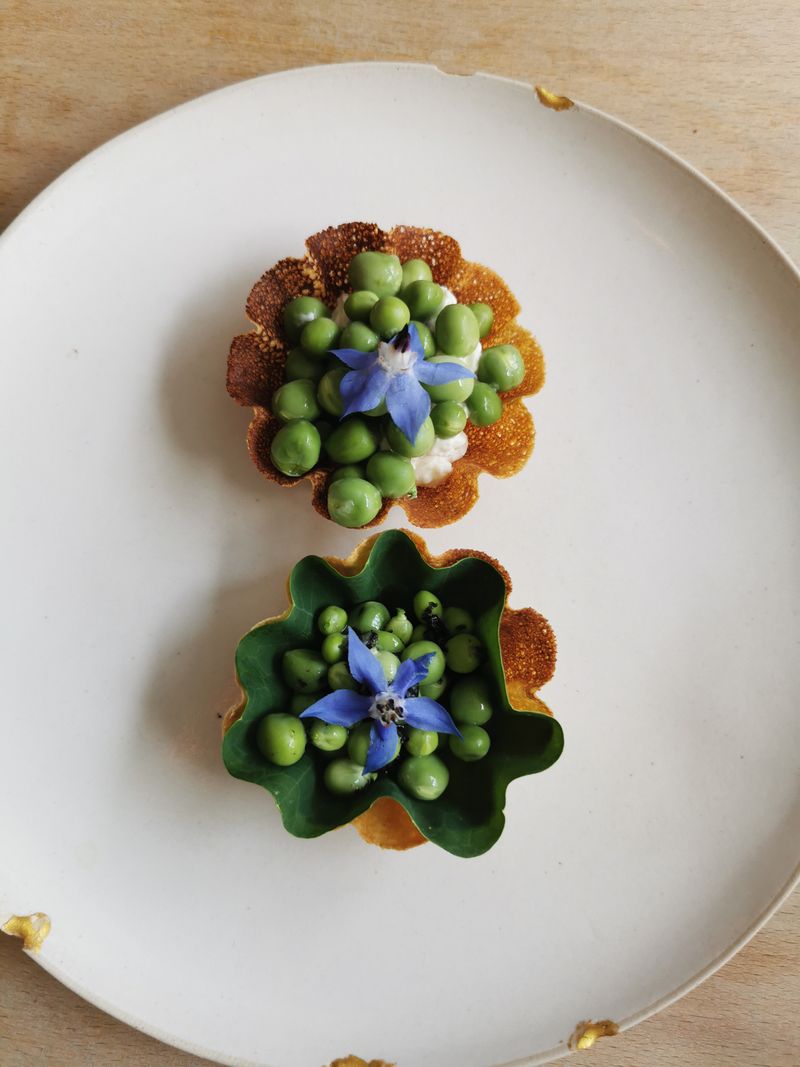
Wilson's success tells us something interesting about where British dining is heading. People are increasingly willing to pay proper money for meals that take time, use real ingredients, and come from kitchens that aren't trying to serve everyone everything.
The Michelin star recognition proves you don't need white tablecloths and stuffy service to achieve excellence. A cosy Redland bistro can compete with London's finest by focusing on craft over flash and substance over speed.
This shift towards slower, more thoughtful eating represents a rejection of fast casual culture in favour of experiences that actually feel special and worth remembering.



