













Most of us don’t think twice about the type of bread in the basket or the rice on the plate. It’s just toast, pasta, cereal - part of the background of everyday meals.
Yet the difference between refined grains and wholegrains can quietly shape how steady your energy feels, how long you stay full, and even how your digestion behaves. The swap might look small on the plate, but your body notices.
Before you reach automatically for the usual loaf, it’s worth seeing what might shift when you change the grain rather than the entire menu.
This content is provided for general informational purposes only. Nutritional needs vary, and anyone with specific health conditions should consult a qualified healthcare professional before making significant dietary changes.
1. Slower Release Of Energy

Ever noticed how a sugary snack gives you a quick buzz that crashes fast? Wholegrains work completely differently.
Because they contain the entire grain kernel, your body takes longer to break them down, which means energy trickles into your bloodstream steadily rather than flooding in all at once.
This steady release keeps you going strong throughout the day without those annoying energy dips. You'll find it easier to concentrate in class or power through activities without needing constant snacks.
Think of it like a slow-burning candle versus a quick flash—wholegrains keep your energy flame burning bright and steady.
2. Improved Digestive Health
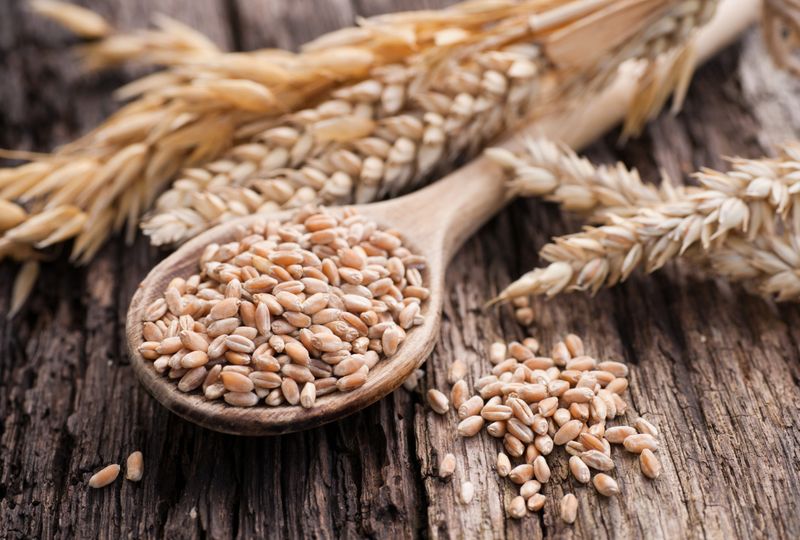
Your digestive system absolutely loves wholegrains, and there's a brilliant reason why. The fibre in wholegrains acts like a gentle broom, sweeping through your intestines and keeping everything moving smoothly.
This means fewer tummy troubles and more regular bathroom visits - nothing too graphic, just healthy digestion doing its job properly!
Wholegrains also feed the good bacteria living in your gut, helping them thrive and keep you healthy from the inside out. When your digestive system runs smoothly, you'll notice you feel lighter, more comfortable, and generally better throughout the day.
3. Better Blood Sugar Control

Blood sugar might sound complicated, but it's simply the amount of glucose floating around in your bloodstream after you eat. Refined grains send blood sugar skyrocketing quickly, whilst wholegrains keep things nice and stable.
This matters because wild blood sugar swings can leave you feeling cranky, tired, or absolutely starving just an hour after eating.
With wholegrains, your blood sugar rises gently and stays balanced longer. This steadiness helps your body work more efficiently and reduces your risk of developing health problems later in life, making wholegrains a genuinely smart choice.
4. Increased Fibre Intake
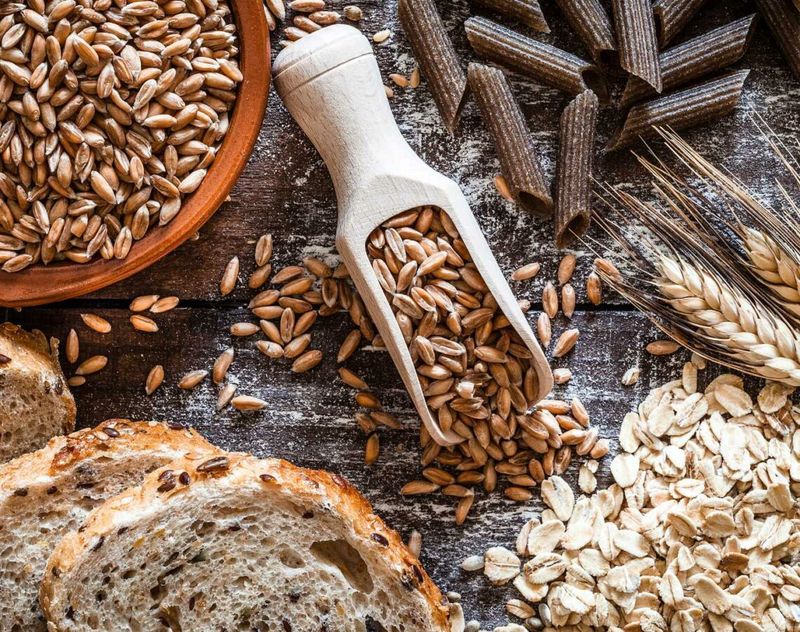
Fibre is like your body's unsung hero - it doesn't get absorbed, but it does absolutely loads of important work. When you choose wholegrains, you're automatically boosting your fibre intake because the refining process strips most of it away from white grains.
Most people don't get nearly enough fibre, so this switch makes a massive difference.
Getting enough fibre helps with everything from keeping you regular to protecting your heart and even maintaining a healthy weight. Just one swap - like choosing brown pasta instead of white - can seriously bump up your daily fibre without any extra effort or strange supplements.
5. Longer-Lasting Fullness
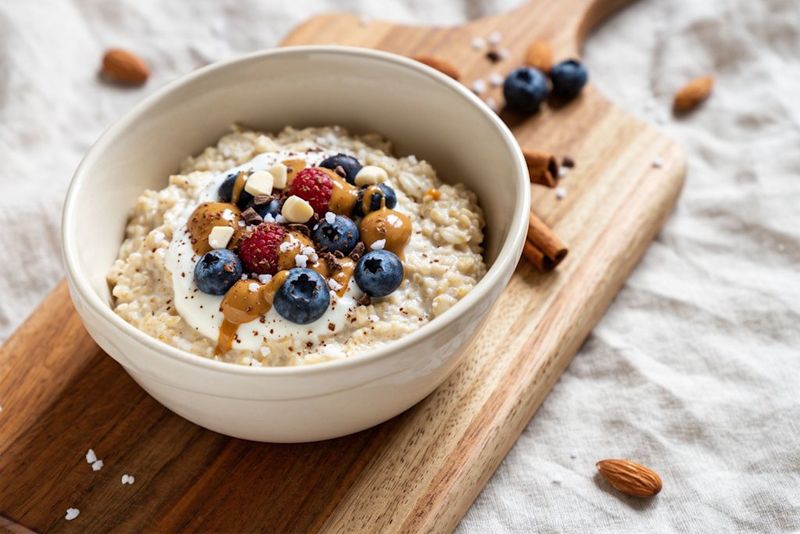
Nothing's more frustrating than eating a meal and feeling hungry again twenty minutes later. Wholegrains solve this problem brilliantly because they're packed with fibre and take ages to digest properly.
Your stomach stays fuller for much longer, which means you're not constantly prowling around the kitchen looking for snacks.
This lasting fullness isn't just convenient - it can actually help you maintain a healthy weight without feeling deprived or constantly hungry. When your body feels satisfied and nourished, you naturally make better food choices throughout the day.
It's a win-win situation that starts with one simple swap.
6. Improved Heart Health Markers
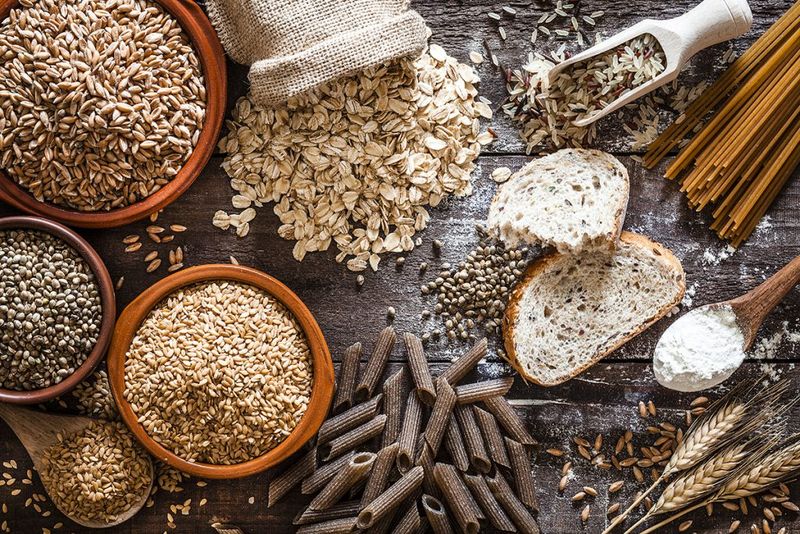
Your heart does a lot of work in the background, so it makes sense to feed it well. Research links regular wholegrain intake with healthier cholesterol levels and other heart-related markers in many people. The fibre in wholegrains can also help your body manage cholesterol more effectively over time.
It’s not about perfection, just small swaps that add up across weeks and months. Wholegrain bread, oats, and brown rice are easy places to start if you want to keep things simple.
7. Higher Intake Of B Vitamins
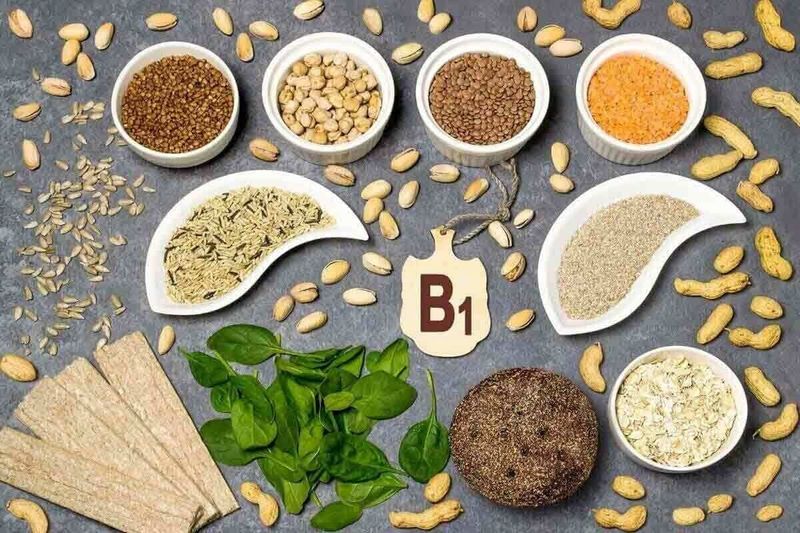
B vitamins might not sound exciting, but they're absolutely essential for turning your food into usable energy and keeping your brain sharp. Wholegrains are naturally packed with B vitamins like thiamine, niacin, and folate, whilst refined grains have most of these stripped away during processing.
Some refined products add vitamins back in, but it's never quite the same as getting them naturally.
These vitamins support everything from your nervous system to healthy skin and even your mood. When you choose wholegrains, you're giving your body these vital nutrients in their natural form, exactly as nature intended them to work together.



