











Carrots rarely steal the spotlight in the vegetable aisle, yet they remain one of the most widely eaten roots in everyday cooking. Naturally rich in fibre, beta-carotene, and a range of vitamins, they support several functions in the body when eaten regularly.
From eyesight and skin health to digestion and immune support, research continues to link carrots with steady, long-term benefits rather than dramatic overnight changes. Adding them to daily meals is simple, affordable, and easy to maintain – which makes them an interesting food to look at more closely.
All information is provided for general interest only and does not replace professional medical advice. Individual health needs and dietary responses vary.
Consult a qualified healthcare professional for personalised guidance. Photos are for illustrative purposes only.
1. Your Vitamin A Intake May Improve Naturally
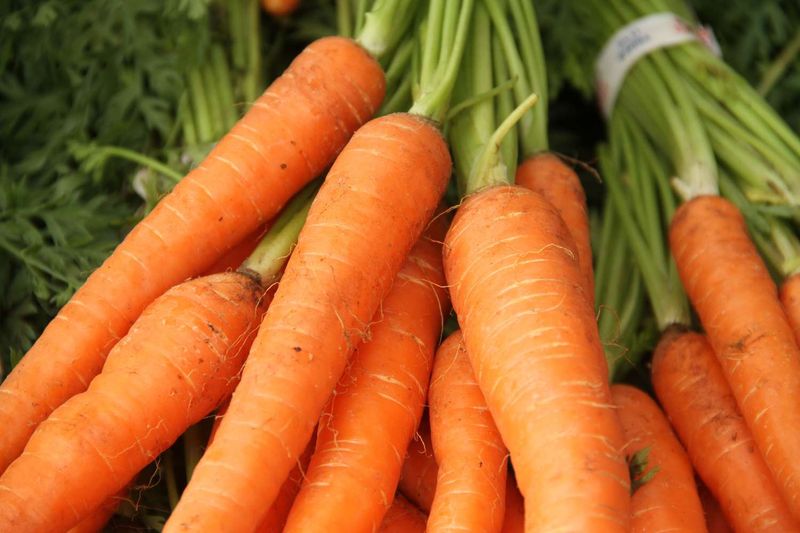
Carrots are absolutely loaded with beta-carotene, which your body cleverly converts into vitamin A. This nutrient is essential for loads of bodily functions, from keeping your immune system ticking along nicely to supporting cell growth and reproduction.
Just one medium carrot can provide more than twice your daily recommended intake of vitamin A. That's quite impressive for such a simple snack, really.
Your body stores what it needs and processes the rest without much fuss.
Regular consumption means you're less likely to develop a deficiency, which can cause all sorts of bother down the line.
2. Eye Health Could Be Better Supported Over Time
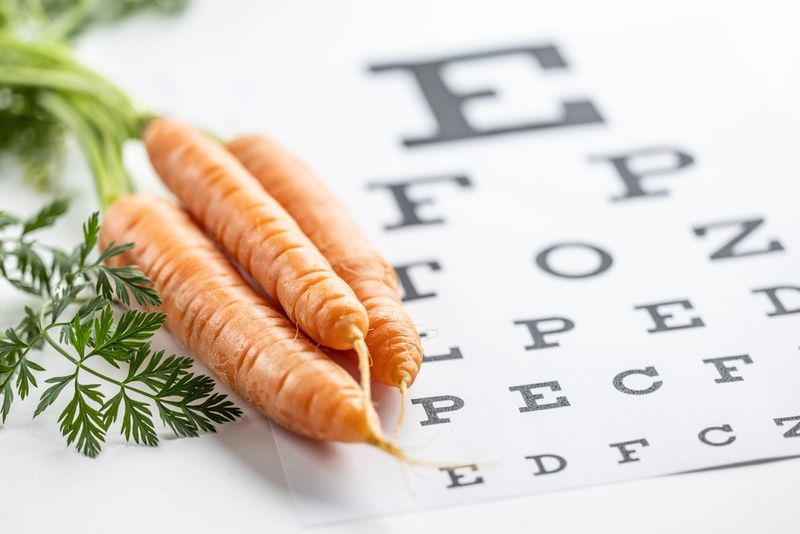
You've probably heard the old tale about carrots helping you see in the dark. Whilst that's a bit of wartime propaganda, there's genuine truth behind carrots and eye health.
Beta-carotene converts to vitamin A, which is crucial for maintaining healthy vision and preventing night blindness.
Your retinas need vitamin A to function properly, especially in low-light conditions. Carrots also contain lutein and zeaxanthin, antioxidants that protect your eyes from harmful light wavelengths.
Over time, eating carrots regularly may reduce your risk of age-related macular degeneration and cataracts.
3. Your Skin May Look More Even And Nourished

Want a natural glow without splashing out on fancy creams? Carrots might just be your secret weapon.
The beta-carotene and antioxidants work together to protect your skin from free radical damage, which contributes to premature ageing and dullness.
Vitamin A promotes healthy cell turnover, helping your skin repair itself more efficiently. This can lead to a smoother, more even complexion over time.
Your skin may feel less dry and look more vibrant as well.
Many people notice their skin takes on a healthier appearance after consistently eating carrots.
4. Digestive Regularity May Improve Thanks To Fibre

Let's talk about something we all need but rarely discuss: proper digestion. Carrots are brilliant sources of dietary fibre, both soluble and insoluble, which keeps your digestive system running smoothly.
Fibre adds bulk to your stools and helps food move through your intestines at a healthy pace.
If you've struggled with constipation or irregular bowel movements, adding carrots to your daily routine might provide some relief. The fibre also feeds beneficial gut bacteria, supporting a healthier microbiome overall.
Your tummy will likely thank you for the extra roughage.
5. Heart Health May Benefit From Antioxidants

Your heart works tirelessly every single day, so why not give it a bit of support? Carrots contain potassium, which helps regulate blood pressure by balancing out the effects of sodium in your diet.
They're also packed with antioxidants that reduce inflammation and oxidative stress.
The soluble fibre in carrots can help lower cholesterol levels by binding to bile acids in your digestive system. Lower cholesterol means less strain on your cardiovascular system and potentially reduced risk of heart disease.
It's a simple addition that could make a meaningful difference long-term.
6. Immune Defences Could Become More Resilient

Nobody enjoys being poorly, especially during cold and flu season. Carrots can give your immune system a proper boost thanks to their rich vitamin A content, which supports the health of your skin and mucous membranes.
These act as your body's first line of defence against invading pathogens.
The antioxidants in carrots, including vitamin C, help your immune cells function more effectively. They neutralise harmful free radicals that can weaken your body's defences over time.
Eating carrots daily might mean fewer sick days and quicker recovery when you do catch something.
7. Blood Sugar Levels May Stay More Stable When Eaten With Meals

Despite their natural sweetness, carrots actually have a low glycemic index, meaning they won't cause dramatic spikes in your blood sugar. The fibre content slows down the digestion and absorption of glucose, helping maintain steadier energy levels throughout the day.
This is particularly beneficial if you're watching your blood sugar or trying to avoid those mid-afternoon energy crashes. Pairing carrots with a balanced meal enhances this stabilising effect even further.
They're a smart choice for anyone looking to manage their glucose levels more effectively without sacrificing flavour or satisfaction.
8. Hydration Levels May Get A Small Boost From Water Content
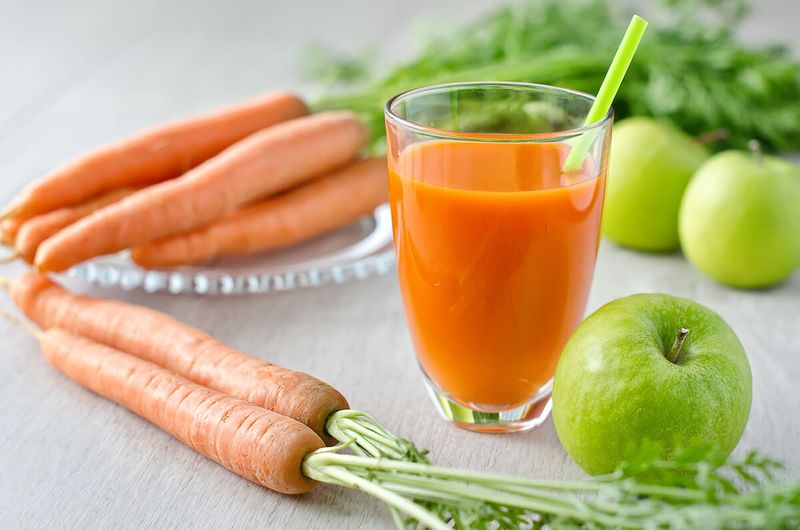
Staying properly hydrated isn't just about guzzling water all day long. You can actually get a decent amount of hydration from the foods you eat, and carrots happen to be about 88 per cent water.
Whilst they won't replace your water bottle, they certainly contribute to your overall fluid intake.
This is especially helpful during warmer months or after exercise when you need to replenish lost fluids. The water content also makes carrots refreshing and satisfying as a snack.
Every little bit helps when it comes to keeping your body properly hydrated and functioning optimally.
9. Teeth And Gums May Stay More Stimulated Through Crunching
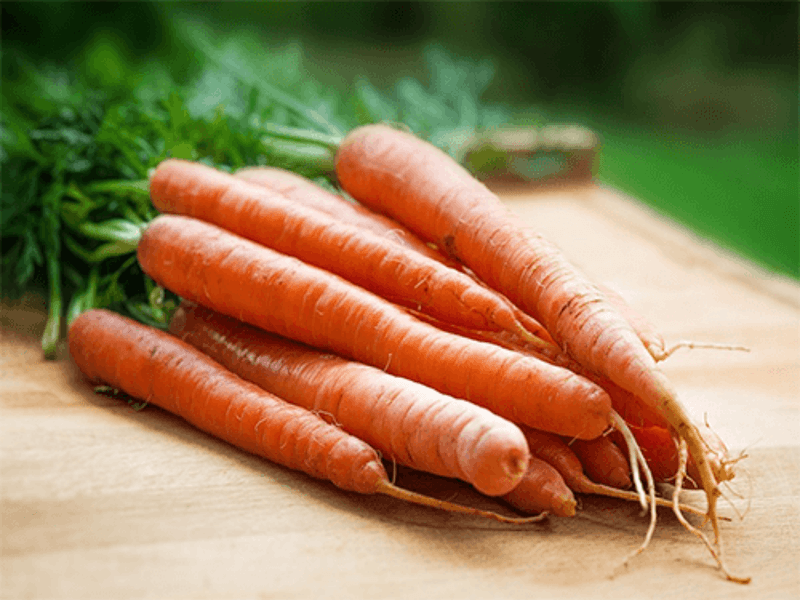
Here's a benefit you might not have considered: the physical act of crunching on raw carrots is brilliant for your oral health. Chewing stimulates saliva production, which naturally cleanses your mouth and helps neutralise harmful acids that can damage tooth enamel.
The firm texture also provides a gentle scrubbing action on your teeth and gums, removing food particles and plaque. It's like giving your mouth a mini workout whilst enjoying a tasty snack.
Your dentist would probably approve of this crunchy habit, though it's not a replacement for proper brushing and flossing, obviously.
10. Excess Intake May Tint Skin Slightly Orange In Rare Cases
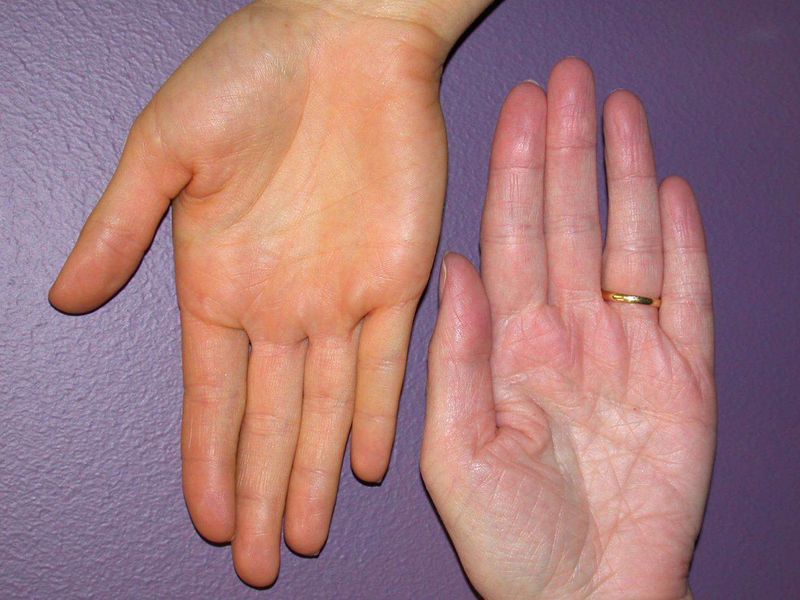
Now for the quirky bit: if you go absolutely bonkers with carrots and eat massive amounts daily, you might develop a condition called carotenemia. Your skin, particularly on your palms and soles, can take on a slightly yellowish-orange tint from all that beta-carotene.
Before you panic, this is completely harmless and reversible. It's different from jaundice because your eyes remain their normal colour.
Simply cutting back on carrots will return your skin to its usual shade within a few weeks.
It's quite rare and requires seriously excessive consumption, so most people needn't worry about turning into an Oompa Loompa.