













Bread often slips onto the table without much thought, appearing at breakfast, lunch, or alongside dinner as a familiar companion. Removing it can feel surprisingly noticeable, not just in meals but in routines that revolve around quick sandwiches or toast.
Some people become curious about how daily habits might shift when a staple quietly steps aside. The experience can lead to new food choices, unexpected cravings, or even fresh cooking ideas depending on personal tastes and lifestyle.
Have you ever wondered how much of your routine quietly leans on something as simple as bread?
This information is provided for general educational purposes only and is not a substitute for professional medical advice, diagnosis, or treatment. Individual dietary needs and health responses can vary. Readers should consult a qualified healthcare professional before making significant dietary changes, particularly if they have existing health conditions or take medication.
1. Changes In Fibre Intake
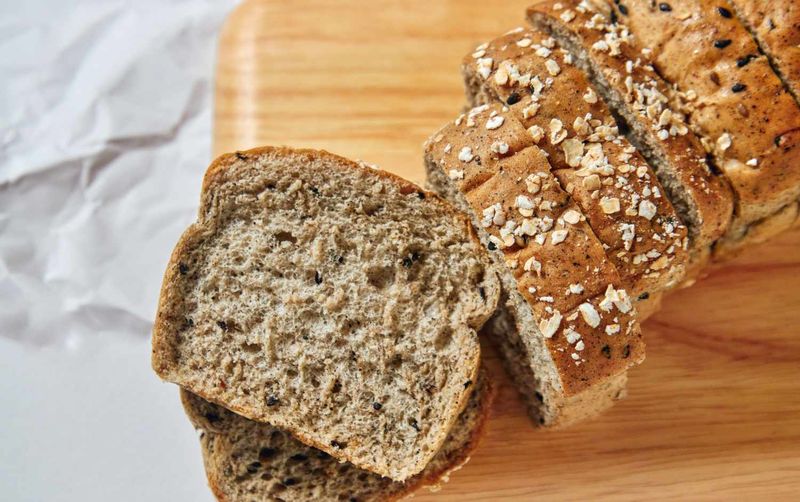
Bread, especially wholemeal varieties, provides a decent chunk of daily fibre that keeps your digestive system running smoothly. When you remove it from your diet, you might notice your fibre intake drops unless you replace it with other sources like vegetables, fruits, or legumes.
Without enough fibre, some people experience sluggish digestion or feel less satisfied after meals. Planning ahead with fibre-packed alternatives ensures your body continues getting what it needs to stay regular and comfortable throughout the month.
2. Changes In Total Carbohydrate Intake
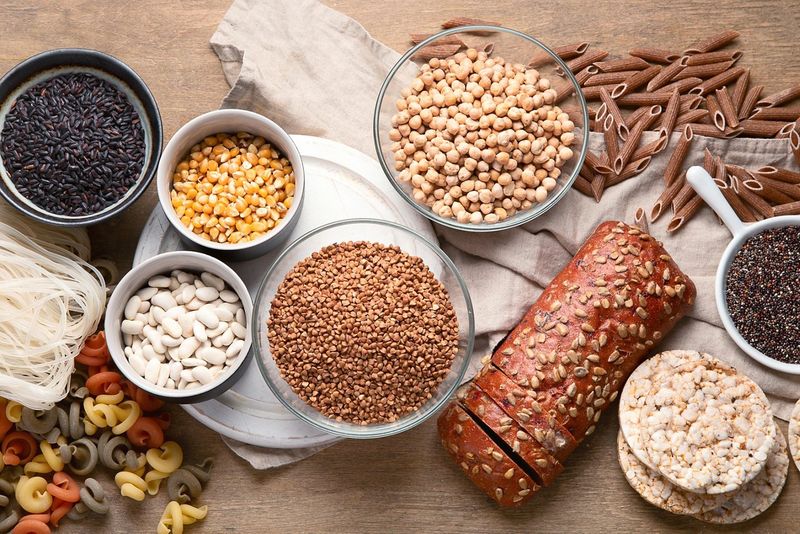
Removing bread naturally reduces your overall carbohydrate consumption since bread can contribute a significant portion of daily carbs. For some, this shift means feeling lighter and less bloated, whilst others might miss that quick energy boost carbs provide.
Your body adapts by using stored energy differently, which can affect everything from workout performance to mood. Balancing your plate with healthy carbs from oats, quinoa, or sweet potatoes helps maintain steady energy without relying on bread at every meal.
3. Possible Weight Changes

Many people notice weight loss when they stop eating bread, often because they're cutting out extra calories from sandwiches, toast, and rolls without realising how much they were consuming. Bread can add up quickly, especially when paired with butter, spreads, or fillings.
However, weight changes vary depending on what replaces bread in your diet. Swapping bread for nutrient-dense options like vegetables and proteins can support weight goals, whilst simply replacing it with other processed snacks might not show much difference.
4. Changes In Energy Levels

Removing a regular source of carbohydrates can make daily energy feel slightly different for some people. Meals may feel less immediately filling at first, especially if bread was a routine part of breakfast or lunch.
Others notice very little change and continue feeling steady throughout the day. Much depends on what replaces bread on the plate and how balanced those meals are overall.
Paying attention to hunger and energy cues often helps people settle into new eating habits more comfortably.
5. Changes In Blood Sugar Control

Bread can influence blood sugar depending on the type and portion size being eaten. Some people choose to reduce bread as part of managing how quickly glucose rises after meals.
Results vary widely because blood sugar responses depend on overall diet, activity levels, and individual metabolism. Replacing bread with balanced meals that include protein, fibre, and healthy fats can help maintain steadier energy for some individuals.
Monitoring how different foods affect personal wellbeing often gives the clearest insight.
6. Changes In Digestive Habits

Your digestive system might react differently when bread disappears from your meals, depending on what type you usually ate and what replaces it. Some people experience less bloating and discomfort, especially if they were sensitive to gluten or certain additives in commercial bread.
Conversely, if you don't replace bread's fibre with other sources, constipation could become an issue. Paying attention to how your body responds and adjusting your diet accordingly ensures your digestive health stays on track throughout the experiment.
7. Possible Reduction In Processed Food Intake

Removing bread can sometimes encourage people to rethink how meals are put together. Some breads are made with simple ingredients, while others include additional flavourings or preservatives, depending on how they are produced.
Cutting bread occasionally leads people to cook more meals at home or rely more on fresh ingredients. That shift can change shopping habits and kitchen routines in subtle ways.
Choosing replacement foods thoughtfully often makes the transition feel more satisfying and sustainable.
8. Increased Reliance On Alternative Grains Or Starches
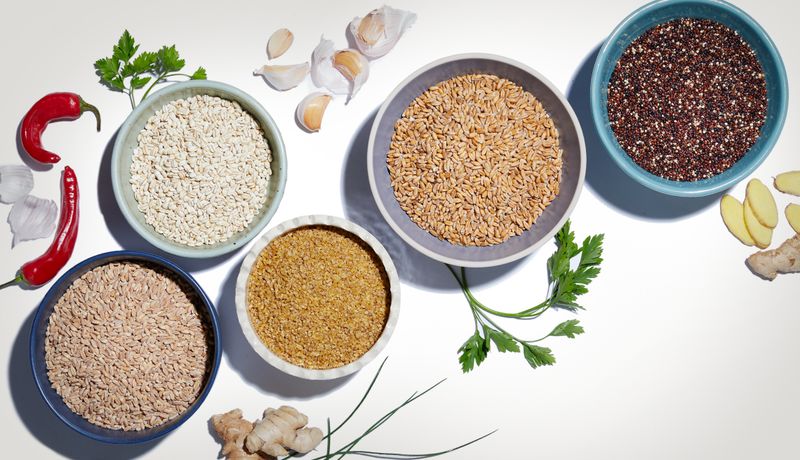
Without bread as your go-to starch, you'll likely explore other grains and starches like rice, quinoa, oats, or sweet potatoes to fill that gap in your meals. These alternatives offer different nutritional profiles, often providing more vitamins, minerals, and fibre than refined white bread.
Experimenting with new grains can make meals more interesting and varied whilst still satisfying your body's need for carbohydrates. This exploration might even introduce you to delicious options you wouldn't have tried otherwise during your bread-free journey.
9. Changes In Nutrient Intake Such As B Vitamins

Many commercial breads are fortified with essential B vitamins, particularly B1, B2, B3, and folic acid, which support energy metabolism and nervous system function. Eliminating bread means you might miss out on these added nutrients unless you consciously seek them from other sources.
Foods like eggs, leafy greens, legumes, and fortified cereals can help maintain adequate B vitamin levels. Being mindful of your nutrient intake ensures you don't develop deficiencies whilst experimenting with a bread-free lifestyle for the month.



