













Apple cider vinegar has quietly worked its way into morning routines, often stirred into water before the day really starts. Some people swear it helps them feel more balanced, while others are simply curious about the buzz.
The idea sounds simple enough, but the reasons behind it can feel a little confusing. Is it about digestion, energy, or something else entirely?
Understanding what is actually known can make it easier to decide whether it fits into everyday life.
This information is provided for general educational purposes only and does not replace professional medical advice, diagnosis, or treatment. Individual responses can vary, and readers should consult a qualified healthcare professional before making dietary changes, especially if they have existing conditions or take medication.
1. Influence Blood Sugar Response
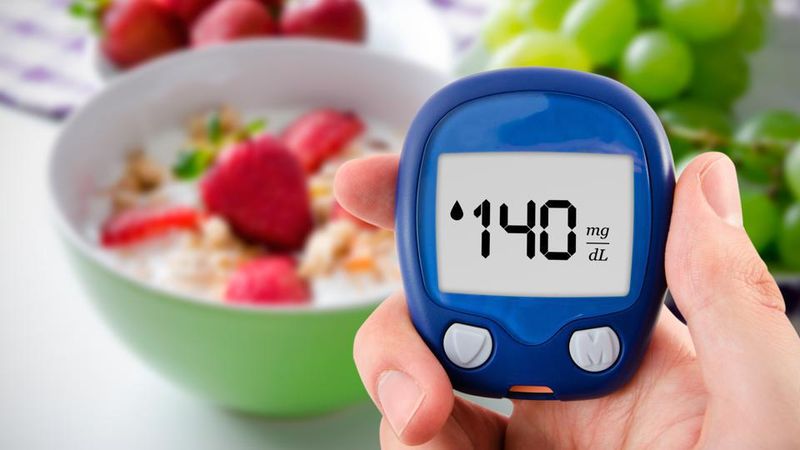
Blood sugar control plays an important role in how steady you feel after eating. Some research suggests apple cider vinegar may slightly reduce the rise in blood glucose after a meal for certain people.
This effect appears to be modest rather than dramatic. Responses vary depending on the individual and the meal itself.
It may be one small factor among many that influence post-breakfast energy levels.
2. Affect Appetite Regulation

Feeling hungry soon after eating can have many causes, from portion size to food choices. Some people report feeling more satisfied when apple cider vinegar is included before meals.
Research suggests it may be linked to reduced calorie intake in certain situations. The exact reason for this effect is still unclear.
It should be viewed as a possible aid rather than a reliable appetite control tool.
3. Support Digestive Processes

Digestion depends on a complex balance of enzymes, acids, and timing. Apple cider vinegar does not appear to directly increase digestive enzyme or stomach acid production in healthy individuals.
Some people still report feeling more comfortable after meals when they include it in their routine. This may be related to personal tolerance or meal composition rather than a direct digestive effect.
Experiences can vary widely from person to person.
4. Interact With Insulin Sensitivity

Insulin acts like a key that unlocks your cells so they can absorb sugar from your blood for energy. Apple cider vinegar might help this key work more effectively, which scientists call improved insulin sensitivity.
When your cells respond better to insulin, your body doesn't need to produce as much of it to do the same job. This efficiency can benefit your metabolic health over time and may reduce the strain on your pancreas.
Better insulin function means your body handles the energy from food more effectively throughout the morning.
5. Contribute To Feelings Of Fullness

Recognising fullness is influenced by how quickly food moves through the stomach and how the body responds to it. Some studies have found that people consuming apple cider vinegar before meals eat slightly less overall.
This may be related to delayed stomach emptying in certain cases. The effect is generally small and not universal.
It works differently depending on diet, portion size, and individual sensitivity.



