













Ginger tends to show up in small ways at first. A slice in tea, a bit added to cooking, or something you reach for when you want a little extra warmth.
Over time, those small habits can add up, especially with an ingredient that has been used in diets for generations. It is often linked with digestion, comfort, and a few other benefits that people notice with regular use.
Some of the effects are subtle, while others might surprise you once it becomes part of your routine.
This content is for general informational purposes only and does not replace medical advice. Individual responses to foods can vary, so consult a qualified professional for personalised guidance.
1. May Support Digestion
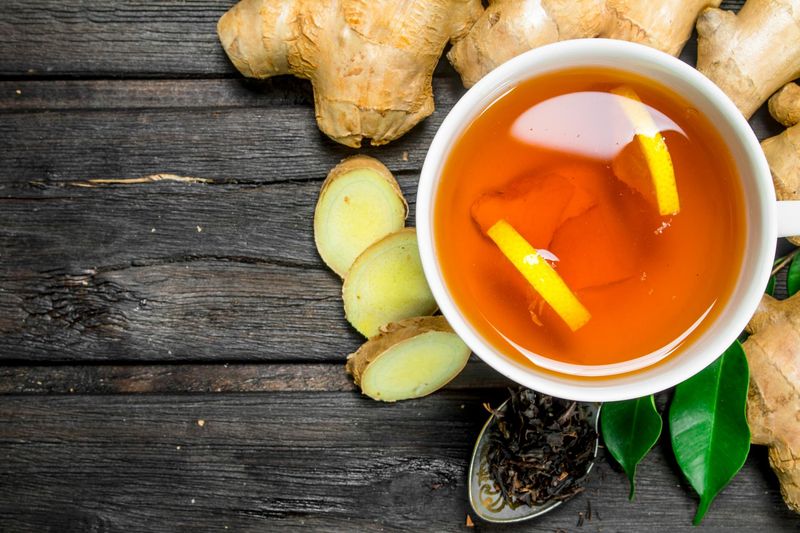
Your tummy might thank you for adding ginger to your daily routine. This spicy root contains natural compounds that help your digestive system work more smoothly, reducing bloating and discomfort after meals.
Ginger encourages the production of digestive enzymes, which break down food more efficiently. It also helps move food through your intestines at a healthier pace, preventing that uncomfortable stuffed feeling.
Many people find relief from indigestion and stomach upset by sipping ginger tea or adding fresh ginger to their cooking regularly.
2. May Support Heart Health

Your heart works non-stop, and ginger might help keep it running smoothly. Studies suggest that regular ginger consumption may support healthy cholesterol levels and promote better circulation throughout your cardiovascular system.
The antioxidants in ginger help protect your blood vessels from damage, whilst its natural blood-thinning properties may support healthy blood flow. These effects work together to benefit your overall cardiovascular wellness.
Combined with a balanced diet and active lifestyle, ginger could be a tasty addition to your heart-healthy habits.
3. May Help Reduce Nausea

Feeling queasy? Ginger has earned its reputation as a natural remedy for nausea.
Whether you're dealing with morning sickness, travel sickness, or feeling unwell, ginger's active ingredients can help settle your stomach remarkably well.
Studies show that ginger works by blocking certain signals in your body that trigger the urge to vomit. It's particularly effective for pregnancy-related nausea and motion sickness.
Keep some ginger biscuits or candied ginger handy when you're travelling or feeling under the weather.
4. May Help With Inflammation

Inflammation is part of the body’s natural response to stress or strain, though long-term inflammation can be uncomfortable. Ginger contains compounds known as gingerols, which have been studied for their anti-inflammatory properties.
Some research suggests regular consumption may help support the body’s normal inflammatory response. That could play a role in joint comfort and general wellbeing over time.
Many active people include ginger in their routines as part of a balanced approach to recovery and overall health.
5. May Support Blood Sugar Balance
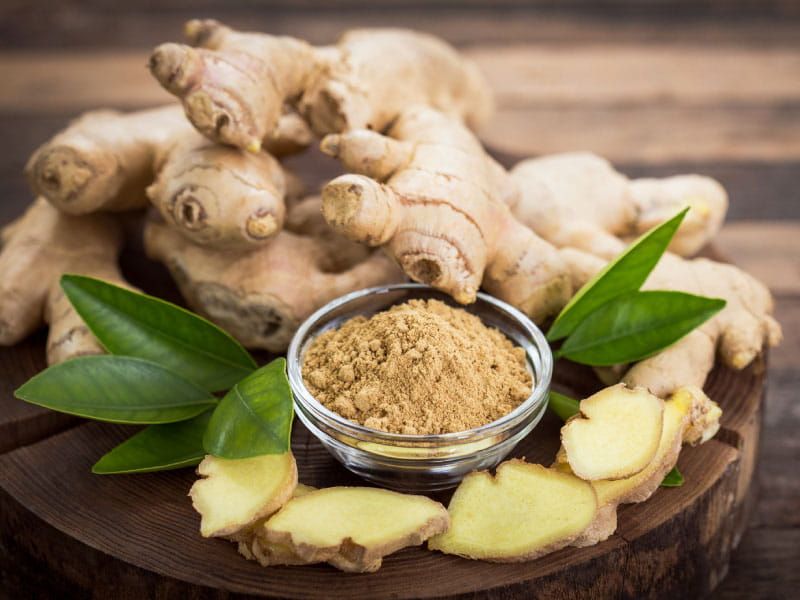
Keeping your blood sugar stable throughout the day helps maintain energy and prevents those annoying crashes. Studies indicate that ginger may improve insulin sensitivity and help regulate blood sugar levels more effectively.
This doesn't mean ginger replaces medical treatment, but it could be a helpful addition to a balanced approach. The compounds in ginger appear to influence how your body processes glucose.
Including ginger in your meals might help you feel more energised and avoid those mid-afternoon slumps that send you reaching for sugary snacks.
6. May Support Immune Function

Your immune system works tirelessly to keep you healthy, and ginger might give it a helpful boost. This root contains antioxidants and anti-microbial properties that support your body's natural defences against illness.
The warming effect of ginger also promotes circulation, helping immune cells move throughout your body more effectively. It's particularly popular during cold and flu season for good reason.
Regular consumption may help you bounce back faster when you're feeling poorly and possibly catch fewer bugs overall.
7. May Help With Muscle Soreness

Did you push yourself hard at the gym yesterday? Ginger might ease that next-day muscle soreness that makes climbing stairs feel like a marathon.
Its anti-inflammatory properties work on exercise-induced muscle pain quite effectively.
Research shows that consuming ginger regularly can reduce muscle pain intensity following strenuous activity. It won't eliminate soreness completely, but it may take the edge off.
Many athletes incorporate ginger into their post-workout routine, either as tea, supplements, or fresh in smoothies, to support their recovery process naturally.



