













Carrot cake is a familiar favourite in both Britain and the United States, yet subtle differences in ingredients, sweetness, and presentation often set the two versions apart. While both share the same core ingredient, each reflects its own baking traditions and serving habits.
British carrot cake is often linked to tea-time baking, while American versions frequently lean toward richer dessert-style recipes. Looking at these contrasts offers a useful way to understand how regional preferences can shape the same classic recipe in different ways.
This article is for general information and cultural interest only. Recipes and preparation methods vary widely between regions, bakeries, and households.
Taste, ingredients, and presentation may differ. Images, where used, are for illustrative purposes only.
Differences In Sweetness And Spice Levels
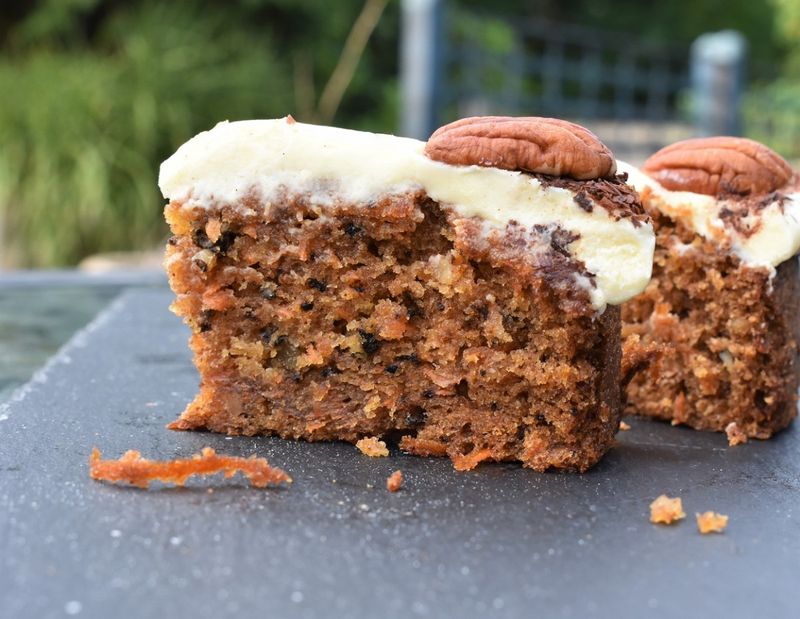
British carrot cakes lean towards subtle sweetness, letting the carrots do most of the talking. The sugar content stays modest, creating a balanced flavour that pairs brilliantly with afternoon tea.
American versions crank up the sweetness several notches, embracing a dessert-first mentality. The spice blend differs too, with British bakers favouring gentle cinnamon and nutmeg, whilst Americans add cloves and allspice for bold warmth.
This fundamental difference shapes everything else about each cake's personality and purpose.
How Frosting Styles Vary Between The Two Versions
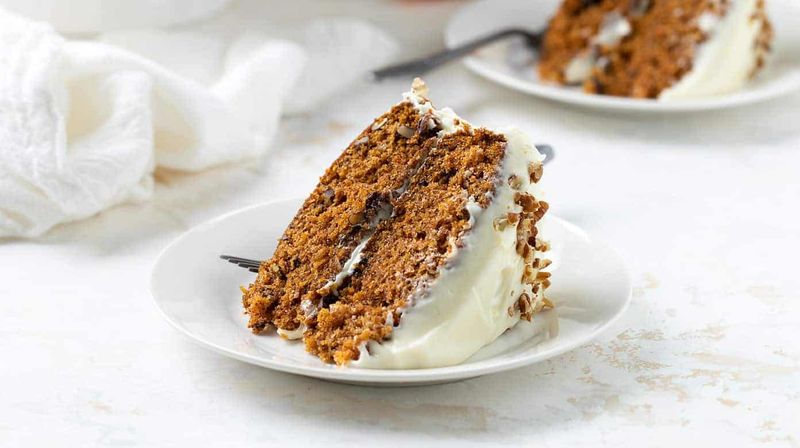
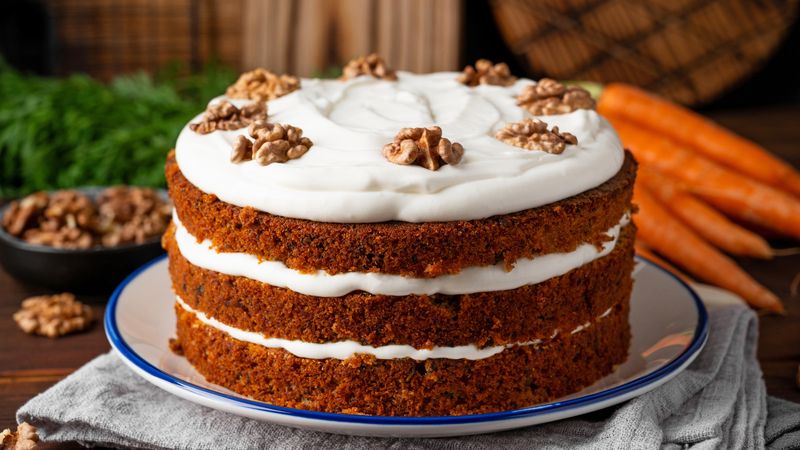
Thick, tangy cream cheese frosting defines the American carrot cake experience. It's generously slathered on top and between layers, creating an indulgent sweet-tart contrast that Americans absolutely adore.
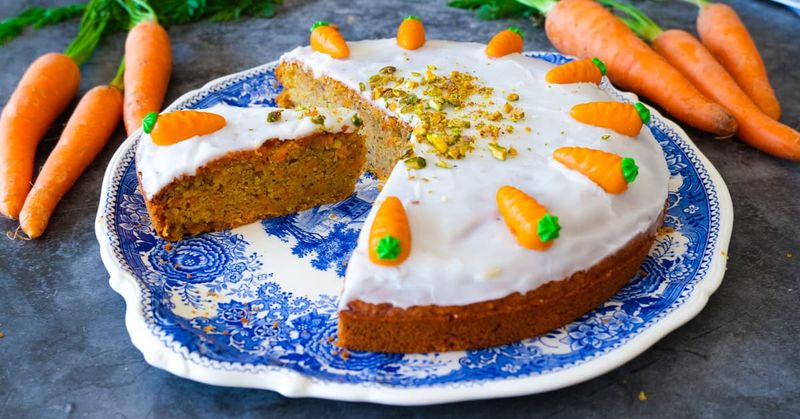
British carrot cakes often sport a simpler lemon icing made from powdered sugar and citrus juice. This lighter approach allows the cake itself to shine rather than competing with heavy frosting.
Some British versions skip frosting entirely, presenting the cake naked or with just a dusting of icing sugar for understated elegance.
The Role Of Nuts And Fruit In Each Recipe
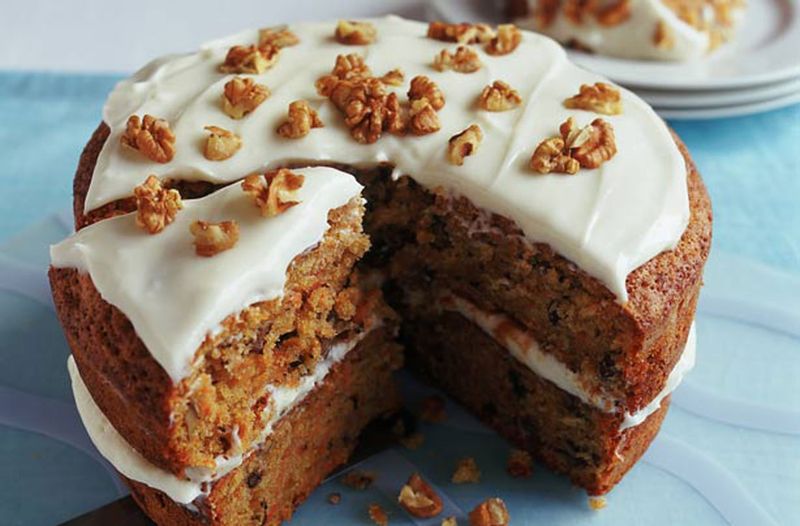
Sultanas and other dried fruits appear frequently in British carrot cakes, adding natural sweetness and chewy texture. These golden raisins create pockets of flavour that complement the cake's gentle spicing beautifully.
American recipes favour crunchy walnuts or pecans, sometimes adding crushed pineapple for extra moisture. The nuts provide textural contrast against the soft crumb, whilst pineapple brings tropical sweetness and incredible moistness.
This choice reflects broader baking traditions, with British cakes embracing fruit like traditional Christmas puddings do.
Texture Differences Between British And American Bakes
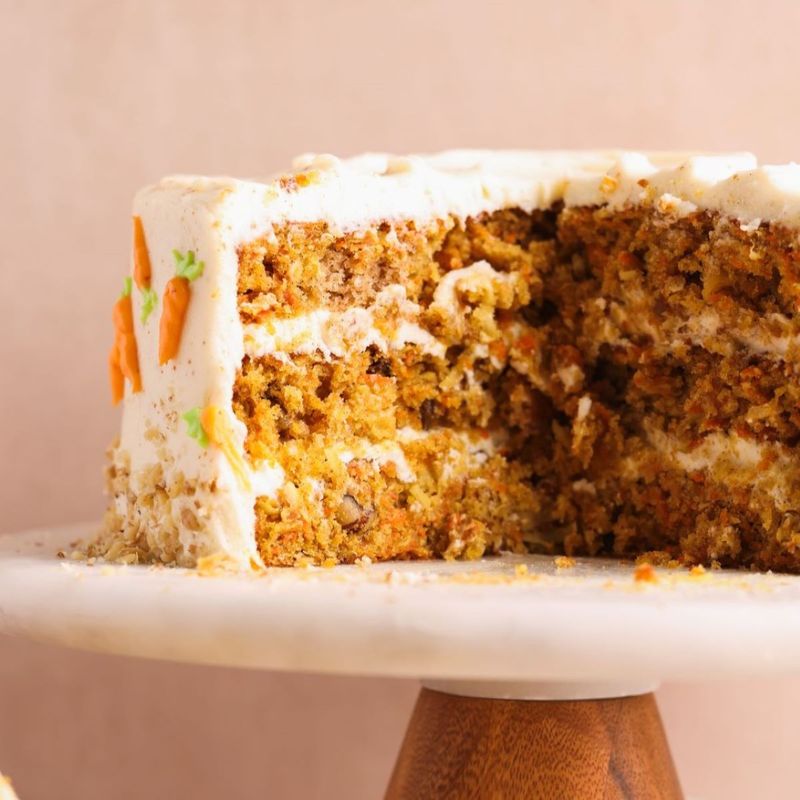
Wholemeal flour often appears in British carrot cakes, creating a denser, more substantial crumb. The texture feels hearty and satisfying, almost like a proper tea cake you could enjoy without frosting.
American versions aim for cloud-like softness and supreme moisture. Oil replaces some butter, and ingredients like pineapple juice keep everything incredibly tender and almost pudding-like inside.
British cakes hold their shape firmly when sliced, whilst American ones practically melt on your fork with their luxurious, moist texture.
How Portion Sizes And Presentation Compare
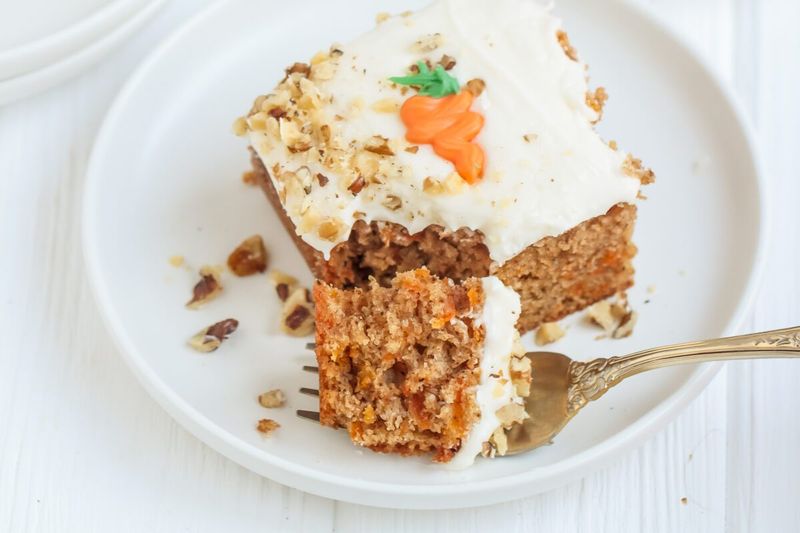
British carrot cake typically arrives in modest slices suited for tea time. Portions stay sensible, designed to accompany a cuppa rather than dominate the entire afternoon.
American servings lean towards generous, celebration-sized wedges piled high with frosting. These towering slices make a statement, treating carrot cake as a proper dessert event rather than a casual snack.
Presentation differs too, with British versions often appearing rustic and homely, whilst American cakes sport decorative frosting swirls, walnut garnishes, and Instagram-worthy layers.
Ingredient Choices That Shape Flavour Profiles
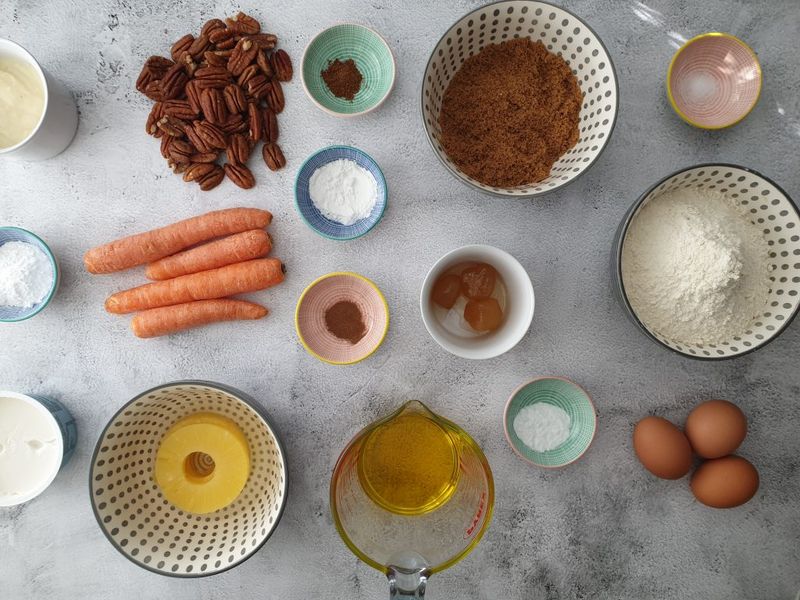
British recipes stick to straightforward ingredients: carrots, wholemeal flour, sultanas, and gentle spices. This simplicity creates clean flavours where each component remains identifiable and the carrot flavour stays prominent.
American bakers embrace abundance, mixing white and brown sugars, adding vanilla extract, pineapple, multiple nuts, and bold spice blends. The result tastes richer and more complex, with layers of flavour competing deliciously.
Oil versus butter choices matter too, affecting both moisture levels and the overall richness of each finished cake.
The Influence Of Tea Culture On British Carrot Cake
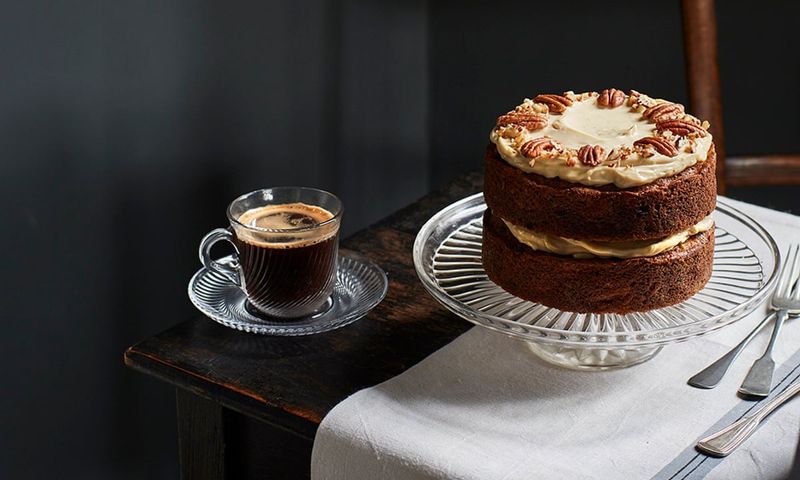
Tea culture shaped British carrot cake into something perfectly suited for afternoon gatherings. The cake's moderate sweetness won't overpower a proper cup of Earl Grey or English Breakfast, creating harmonious balance.
British versions developed as traybakes meant for sharing, sliced into neat squares for church fêtes and village gatherings. The texture stays firm enough to eat with fingers whilst chatting over tea.
This social context explains why British carrot cakes feel less decadent, designed for casual enjoyment rather than special occasion indulgence.
Why American Recipes Often Feel Richer And Sweeter
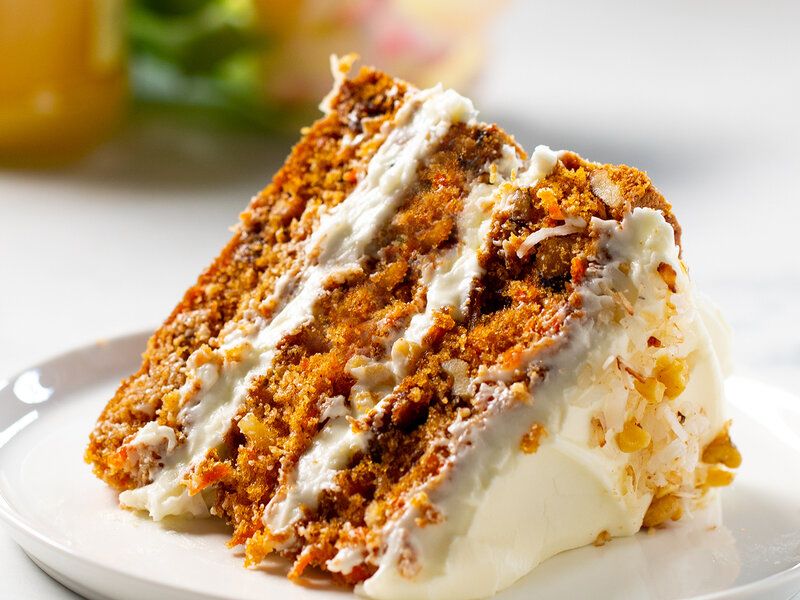
American dessert culture celebrates abundance and treats sweets as celebratory centrepieces. Carrot cake evolved into a showstopper worthy of birthdays and special dinners, demanding richness to match the occasion.
The cream cheese frosting alone adds significant sweetness and fat, transforming the cake into proper dessert territory. Multiple layers, extra sugar, and moisture-boosting ingredients like oil and pineapple create luxurious indulgence.
This approach reflects American baking's general tendency towards bigger, sweeter, and more is more philosophy across most dessert categories.
Baking Traditions That Shaped Each Version
British carrot cake emerged from wartime rationing when sugar scarcity encouraged using vegetables for natural sweetness. This practical origin kept recipes modest and ingredient-focused, valuing simplicity over extravagance.
American carrot cake gained popularity during the health food movement of the 1960s and 70s, paradoxically becoming richer as bakers added cream cheese frosting to make vegetables more appealing.
These different historical paths explain why one version feels like sensible tea fare whilst the other screams celebration dessert.
How Regional Preferences Influence Recipe Variations
Within Britain, regional variations exist with some areas preferring ginger alongside cinnamon or adding chopped walnuts despite the traditional sultana focus. Northern regions sometimes make denser versions suited to hearty appetites.
American regional differences prove equally fascinating, with Southern bakers favouring pecans whilst Northerners stick with walnuts. Some Californian versions add coconut or reduce sugar for health-conscious crowds.
These local tweaks demonstrate how even within each country, carrot cake adapts to reflect community tastes and available ingredients beautifully.



