













Sweet, tangy pineapple often feels refreshing and easy to enjoy, especially during warmer months or as a bright addition to desserts and smoothies. Natural enzymes and vitamins make it a popular fruit choice for many people.
Eating large amounts, however, can sometimes lead to unexpected reactions that catch people off guard. Understanding how the body responds to excess consumption helps people enjoy this fruit more comfortably.
Moderation usually keeps pineapple both enjoyable and beneficial.
This content is provided for general health awareness only and should not replace professional medical advice. Individual reactions to foods can vary, and medical guidance should be sought for any health concerns.
1. Mouth And Tongue Irritation

Eating large amounts of pineapple can sometimes leave a tingling or slightly sore feeling inside the mouth. Bromelain, a natural enzyme found in pineapple, helps break down proteins and can temporarily irritate sensitive oral tissues.
Some people notice mild swelling or tenderness after eating several portions in one sitting. The sensation usually fades quickly once exposure to the fruit stops.
Taking short breaks between servings can help reduce irritation and keep pineapple enjoyable.
2. Increased Risk Of Acid Reflux

Pineapple's high acidity can spell trouble for anyone prone to heartburn. When you eat too much, all that citric acid can trigger your stomach to produce extra gastric juices.
This creates the perfect storm for acid reflux, sending burning sensations creeping up your throat. Your oesophagus definitely won't thank you for the acidic overload.
3. Stomach Discomfort Or Diarrhoea

Your digestive system has limits, and pineapple can push them. The fruit's high fibre content and bromelain enzyme combo can overwhelm your gut when consumed excessively.
Cramping, bloating, and urgent trips to the loo might become your new reality. Your intestines simply can't handle processing massive amounts of this tropical fruit efficiently.
Stick to reasonable portions to keep your tummy happy and functioning smoothly.
4. Temporary Sensitivity Or Burning Sensation On Lips

Delicate skin around the lips can react to pineapple’s natural acidity, especially after eating larger quantities. Some people experience mild tingling, dryness, or temporary redness following frequent exposure.
The combination of fruit acids and bromelain can increase sensitivity around the mouth area. Drinking water or rinsing the mouth afterwards may help reduce lingering discomfort.
Paying attention to portion sizes often prevents this reaction from becoming bothersome.
5. Higher Blood Sugar Intake

Despite being natural, pineapple contains significant amounts of sugar that can spike your blood glucose levels. A single cup packs around 16 grams of sugar - multiply that by several servings and you're looking at serious sweetness.
People with diabetes or insulin resistance need to be particularly cautious. Your pancreas works overtime trying to manage all that incoming sugar.
Balancing pineapple with protein can help slow sugar absorption.
6. Tooth Enamel Erosion Due To Acidity
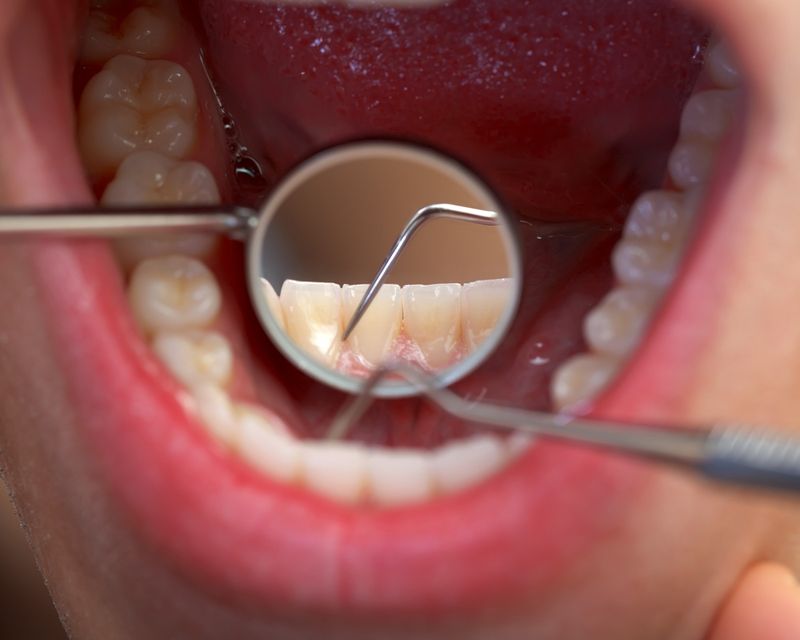
Frequent exposure to highly acidic foods like pineapple can gradually soften tooth enamel over time. Repeated contact may increase sensitivity and raise the risk of dental wear when consumed in large amounts.
Enamel does not naturally regenerate, which is why dentists often recommend balancing acidic foods with good oral hygiene habits. Rinsing with water after eating helps neutralise acidity before brushing.
Allowing some time before brushing can also protect enamel while still maintaining proper dental care.



