













American candy often looks familiar on European shelves, yet small details can change the experience in noticeable ways. When sweets are sold across borders, they must meet local food regulations, labelling standards, and ingredient rules that differ from those in the United States.
Taste preferences also play a role, shaping how products are adapted for European shoppers. Together, these factors explain why a well-known bar or sweet may taste slightly different once it reaches Europe.
This article is for general information only. Ingredients, recipes, and formulations may vary by country and can change over time.
Individual taste perceptions differ, and availability may vary by retailer. Images, where used, are for illustrative purposes only.
Ingredient Regulations And Safety Standards
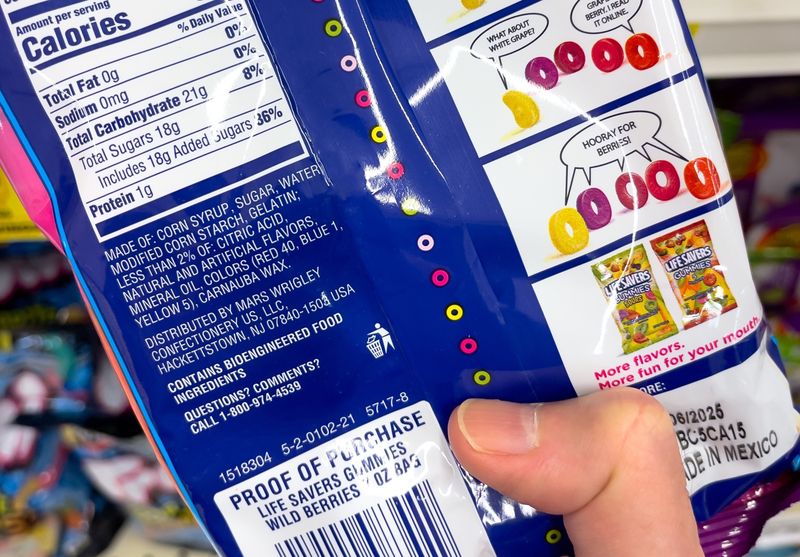
European food authorities take a much stricter approach to what manufacturers can toss into sweets. Ingredients that sail through American approval often hit a brick wall in Brussels.
The EU demands extensive safety testing before allowing additives, whilst the US tends to approve first and question later.
Manufacturers must reformulate entire recipes to meet these standards. What works in Wisconsin simply won't fly in Warsaw.
This means American candy companies either create separate European versions or risk being banned from shelves altogether, forcing them to rethink their entire production process for overseas markets.
Differences In Sweeteners And Additives
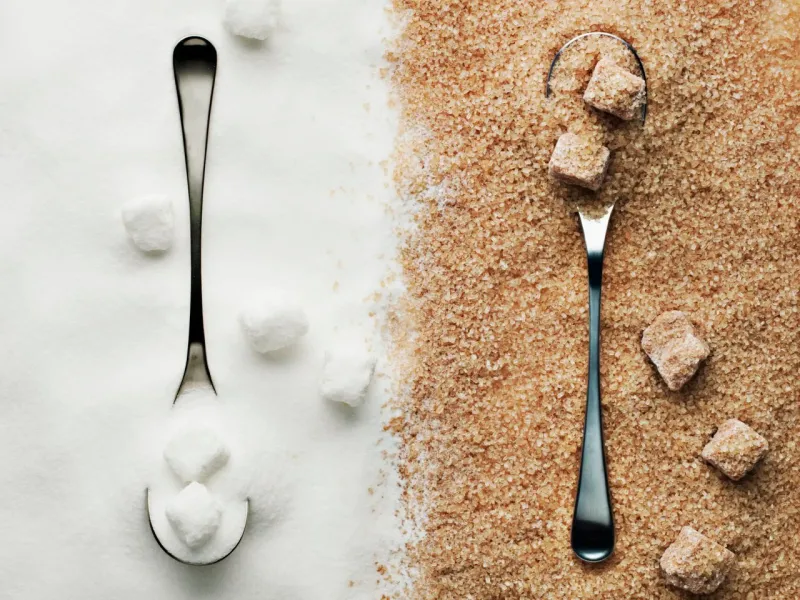
High-fructose corn syrup practically runs through the veins of American confectionery, but Europeans aren't having it. Across the pond, traditional cane sugar remains king, giving sweets a cleaner, less cloying sweetness.
The difference isn't just philosophical; it genuinely changes how candy tastes and feels in your mouth.
Artificial sweeteners face similar scrutiny. What Americans consider perfectly normal additives often get the boot in European formulations.
Companies must swap out these ingredients for alternatives that meet stricter approval standards, fundamentally altering the chemical makeup of beloved treats before they reach European consumers.
Changes To Flavour And Sugar Levels
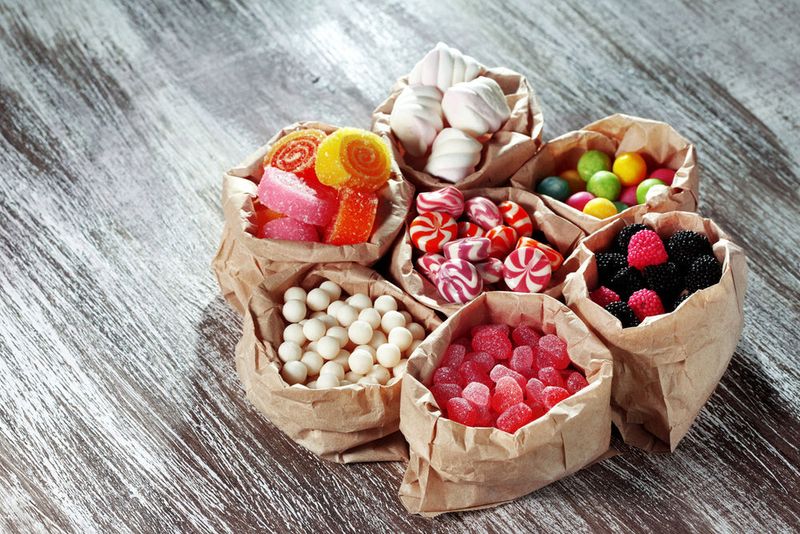
American sweets tend to assault your taste buds with sweetness, but Europeans prefer a gentler approach. Sugar levels drop significantly when candy crosses the Atlantic, creating a more subtle flavour profile.
What tastes perfectly balanced in Philadelphia might seem overwhelmingly sweet in Paris.
Flavour intensity gets dialled back too. Europeans favour complexity over punch, so manufacturers tone down the artificial fruit flavours and brighten up more natural notes.
The same Skittles packet delivers a completely different experience depending on which continent you're munching them on, reflecting deeply ingrained cultural preferences about what constitutes a proper sweet.
Labelling Rules And Allergen Disclosure
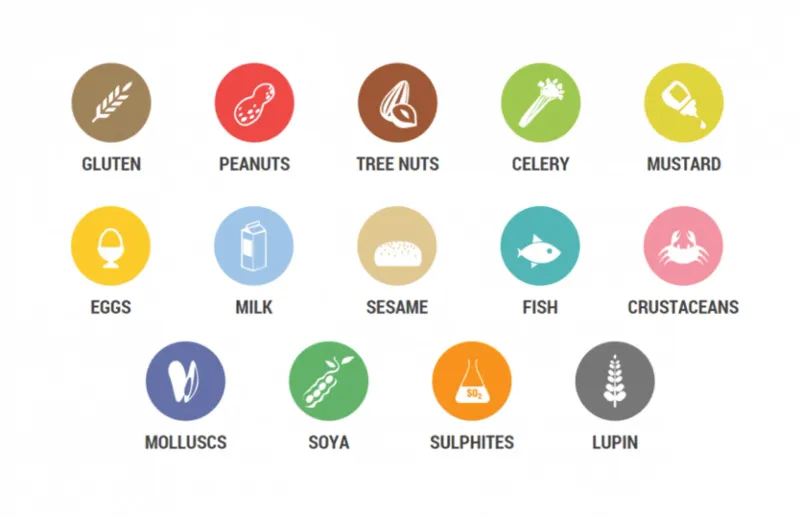
European packaging doesn't mess about when it comes to telling you what's inside. Allergen warnings must be crystal clear, with potential triggers highlighted in bold.
The EU demands transparency that goes well beyond American requirements, listing every possible ingredient that might cause a reaction.
Nutritional information gets the spotlight treatment too. Europeans want to know exactly what they're eating, down to the tiniest detail.
Traffic light labelling systems help shoppers make quick decisions, whilst mandatory ingredient origins give consumers power that American buyers rarely enjoy. This level of disclosure forces manufacturers to be brutally honest about their products.
Portion Sizes And Packaging Adjustments
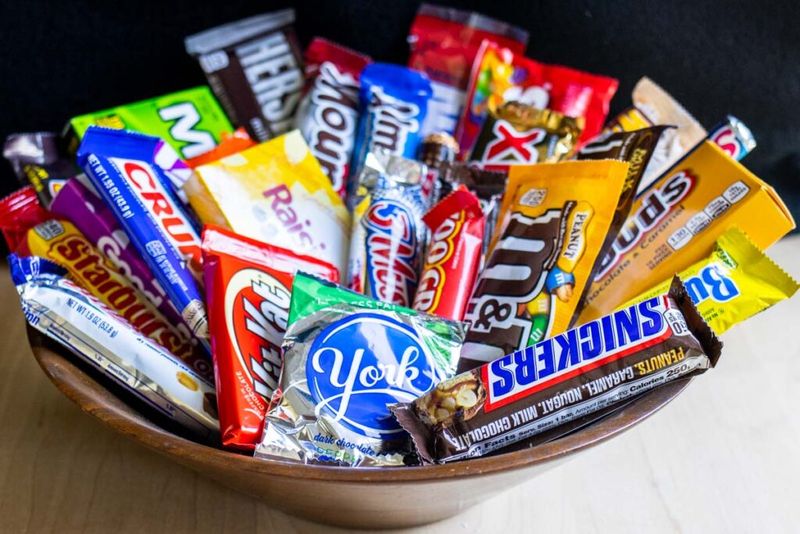
Americans love their supersized portions, but Europeans take a more restrained approach to snacking. King-size bars shrink considerably when they land in European shops, reflecting cultural attitudes about moderation.
What passes for a single serving in Seattle would feed two people in Stockholm.
Packaging design shifts too, moving away from bold, brash American styling toward more understated European aesthetics. Multipacks get reconfigured, individual treats become smaller, and sharing bags actually encourage sharing rather than solo demolition.
These changes aren't just about meeting regulations; they're about respecting fundamentally different relationships with food and portion control across cultures.
Why Some Colours And Preservatives Are Removed
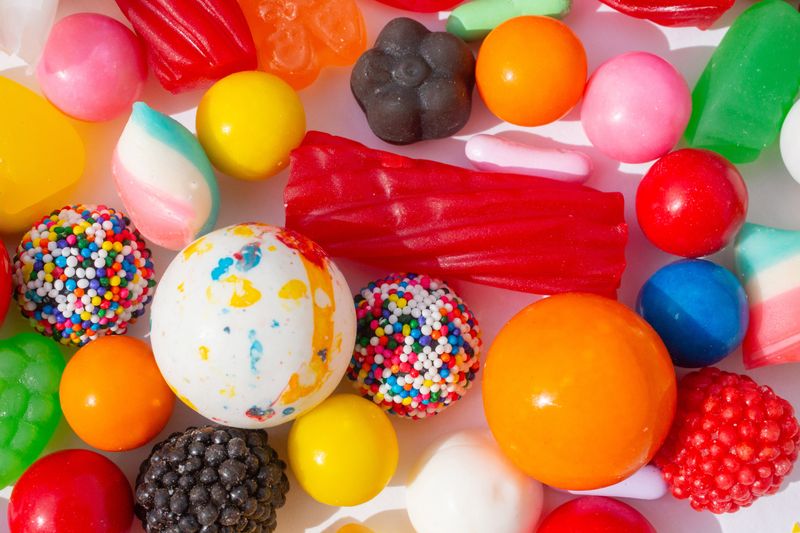
Those eye-popping colours in American sweets? Banned in many European countries.
Artificial dyes like Red 40 and Yellow 5 face serious restrictions due to links with hyperactivity in children. Europeans simply won't tolerate ingredients that might affect kids' behaviour, no matter how pretty they make the sweets look.
Preservatives face similar scrutiny. Chemicals that extend shelf life in American products often get the chop in European versions, replaced with natural alternatives or shorter expiration dates.
The result? European candy might not last as long, but it contains fewer questionable additives that make parents nervous about what their children are consuming.
How Taste Preferences Shape Reformulation
Cultural taste preferences run deeper than you'd think. Americans grew up on super-sweet, intensely flavoured candy, whilst Europeans developed palates that appreciate subtlety and balance.
These aren't just minor differences; they're fundamental disagreements about what makes sweets enjoyable.
Manufacturers conduct extensive taste testing in European markets before launching reformulated products. What bombs in Birmingham might succeed in Barcelona, so companies create region-specific versions.
Chocolate sweetness, fruit flavour intensity, and even texture preferences vary wildly across Europe, forcing American brands to essentially reinvent themselves for each market whilst maintaining some recognisable connection to the original product.
Price And Availability Across European Markets
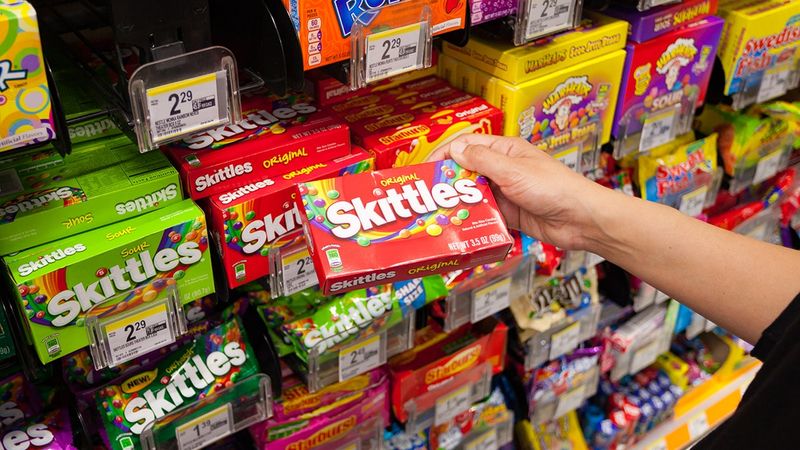
Fancy a taste of home whilst abroad? Prepare to pay through the nose.
Import taxes, shipping costs, and reformulation expenses drive prices sky-high, turning humble American candy into luxury goods. What costs pocket change in Pittsburgh becomes a premium treat in Prague.
Finding American sweets in Europe means hunting through specialty shops or international sections rather than grabbing them at any corner shop. Distribution networks remain patchy, with major cities offering better selection than rural areas.
Online retailers fill the gap, but shipping costs keep prices elevated, making American candy a occasional splurge rather than an everyday snack for European consumers.
What Shoppers Notice First When Comparing Versions
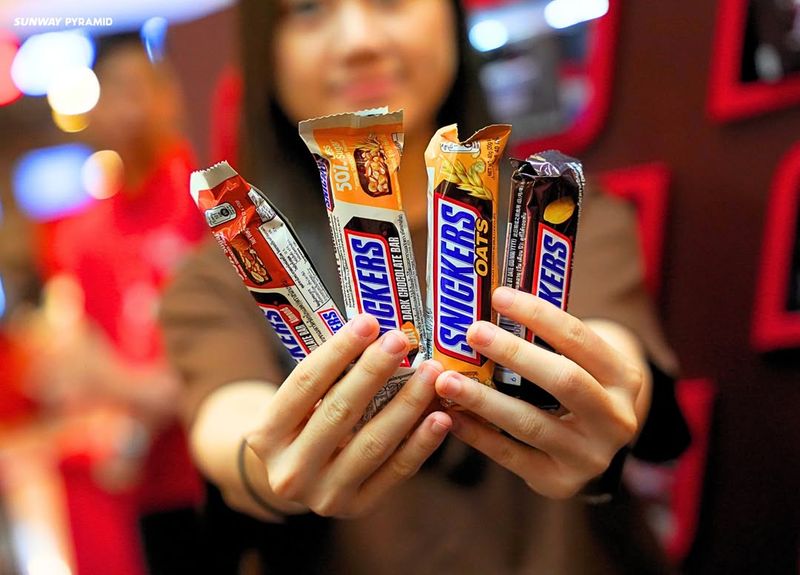
The colour difference hits you immediately. European versions look noticeably paler, less artificially vibrant than their American cousins.
Natural colourings simply can't match the intensity of banned synthetic dyes, creating sweets that look more subdued but arguably more appetising to European eyes.
Taste comes next, with Europeans often describing American versions as overwhelmingly sweet and artificial. The texture feels different too, firmer in some cases, less aggressively chewy in others.
Even the smell varies, with European versions giving off subtler aromas. These aren't imagined differences; they're the direct result of fundamentally different ingredients and formulations designed for distinct markets with opposing ideas about perfection.



