













Bread in the UK has changed over time due to shifts in production methods, ingredient sourcing, and large-scale manufacturing. Many supermarket loaves are now made using faster processes designed to improve efficiency and shelf life, which can result in differences in texture and flavour compared to traditional homemade or bakery bread.
Understanding how these methods developed helps explain why everyday bread may taste different from what previous generations remember.
This article provides general information only and is intended for entertainment. Recipes, production methods, and ingredient quality can vary by brand and bakery. Images, if included, are for illustrative purposes only.
Increased Use Of Industrial Bread Improvers
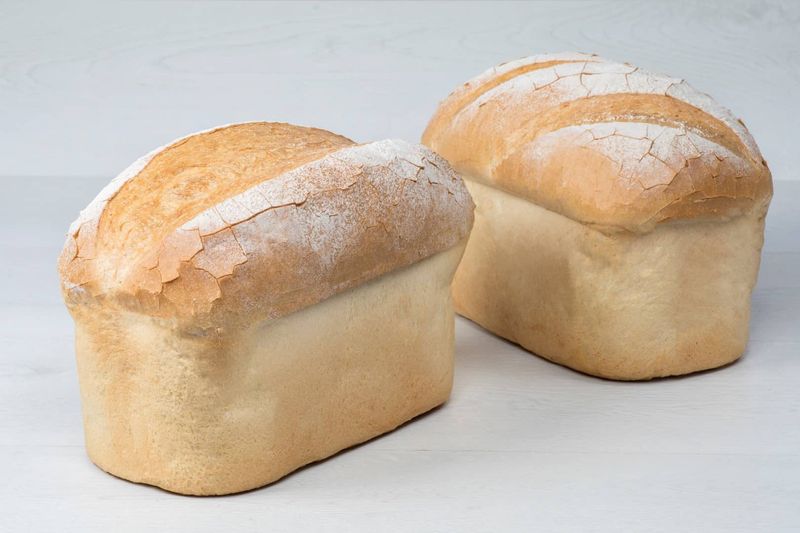
Walk into any commercial bakery and you'll spot bags of mysterious powders that would baffle your great-grandmother. Modern British bread relies heavily on chemical additives like ascorbic acid, enzymes, and emulsifiers to speed up production and extend shelf life.
These improvers help dough rise faster, stay softer longer, and look picture-perfect on supermarket shelves. Trouble is, they also strip away much of the complex flavour that develops naturally during traditional bread making, leaving us with loaves that taste a bit bland and one-dimensional.
Shortened Fermentation And Rising Times
Traditional bakers used to let dough ferment for hours, sometimes overnight, allowing natural enzymes and bacteria to work their magic. The Chorleywood Bread Process, invented in the 1960s, slashed that time down to about three and a half hours from start to finish.
This rapid method transformed British baking, making bread cheaper and more accessible. But flavour and texture took a massive hit – proper fermentation creates those nutty, slightly tangy notes and chewy textures that mass-produced loaves simply can't replicate, no matter how fluffy they look.
Greater Reliance On Processed Commercial Yeasts
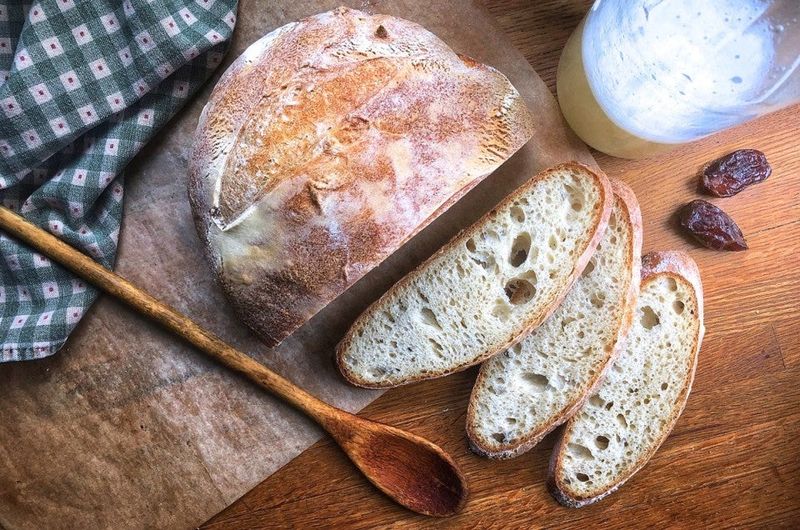
Your nan might have kept a sourdough starter bubbling away on the kitchen windowsill, but modern bakeries prefer fast-acting commercial yeasts that deliver predictable results every single time. These laboratory-bred strains work brilliantly for speed and consistency, which is exactly what factory production demands.
Wild yeasts and natural starters, though, bring incredible depth and character to bread – that gorgeous tang and complex aroma you get from proper sourdough. Commercial yeasts just can't compete on flavour, even if they're frighteningly efficient at making dough puff up quickly.
Reduction In Traditional Stone-Ground Flours
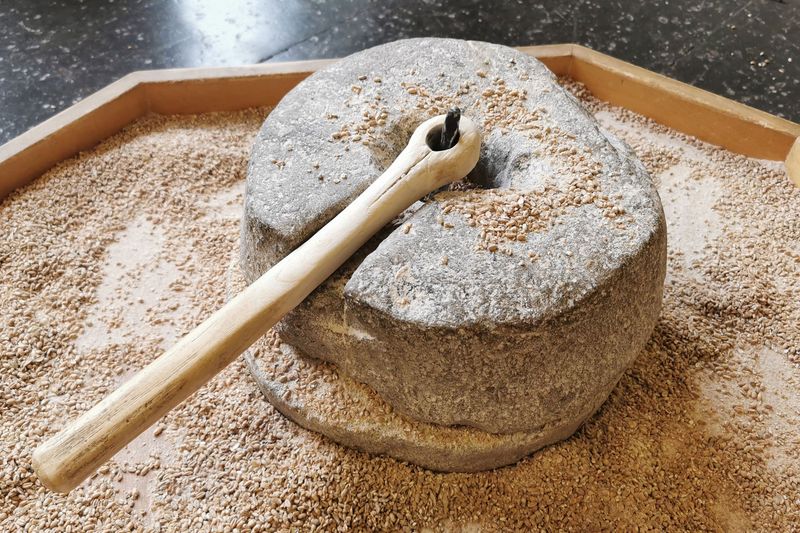
Stone-ground flour used to be the norm, milled slowly between massive stones that preserved the wheat germ, bran, and natural oils. These days, most British bread uses roller-milled flour – a high-speed industrial process that strips away much of the grain's nutritional goodness and flavour.
Roller milling produces ultra-white, ultra-fine flour that's brilliant for creating uniform, pillowy loaves. But it also removes the wheaty, slightly sweet taste and rustic texture that made traditional bread so satisfying.
Proper stone-ground flour simply tastes richer and more interesting, though it's become harder to find.
Shift Toward Uniform Factory Production Over Hand Baking
Artisan bakers once shaped every loaf by hand, adjusting for temperature, humidity, and the quirks of each batch of dough. Factory production changed all that, prioritising speed, consistency, and cost-effectiveness over craftsmanship.
Machines now mix, knead, shape, and bake thousands of identical loaves every hour with minimal human involvement. The result is bread that's reliably mediocre – perfectly uniform but lacking the irregular crumb, crispy crust, and character that comes from skilled hands and proper attention.
Mass production fed millions affordably, but flavour definitely got left behind.



