













Lentils are a versatile and nutrient-rich ingredient that have been a staple in diets worldwide for centuries. Small but powerful, they provide plant-based protein, fibre, and essential vitamins and minerals that contribute to overall health.
Incorporating more lentils into meals, whether in soups, stews, salads, or side dishes, can support digestion, maintain energy levels, and promote satiety. Regular consumption may also benefit heart health and help regulate blood sugar.
Understanding the potential effects of lentils highlights why these humble legumes deserve a place in your everyday diet.
All information is provided for general interest only. Consult a qualified healthcare professional for personalised advice. Taste, appearance, and availability may vary.
1. Supports Digestive Health
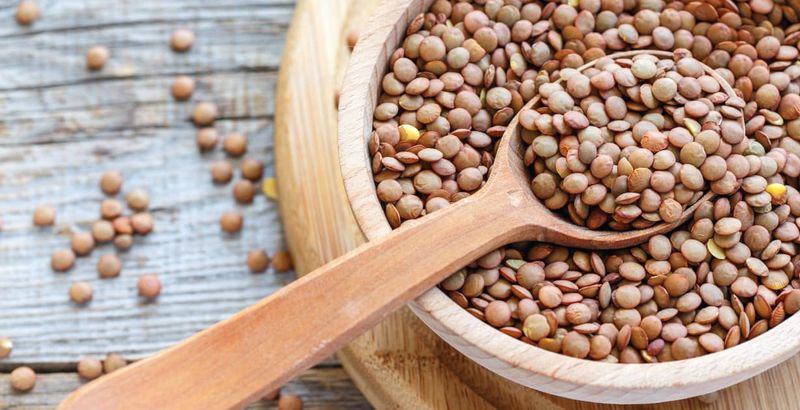
Your gut is basically a busy city, and lentils are like the road crew keeping everything moving smoothly. One cooked cup delivers roughly 32% of your recommended daily fibre intake, which helps bulk up stools and keep constipation at bay.
That fibre also feeds the good bacteria living in your gut, helping your microbiome thrive. A healthier gut microbiome is linked to better immunity, improved mood, and smoother digestion overall.
Not bad for something that costs pennies a serving.
2. Helps Maintain Healthy Blood Sugar Levels
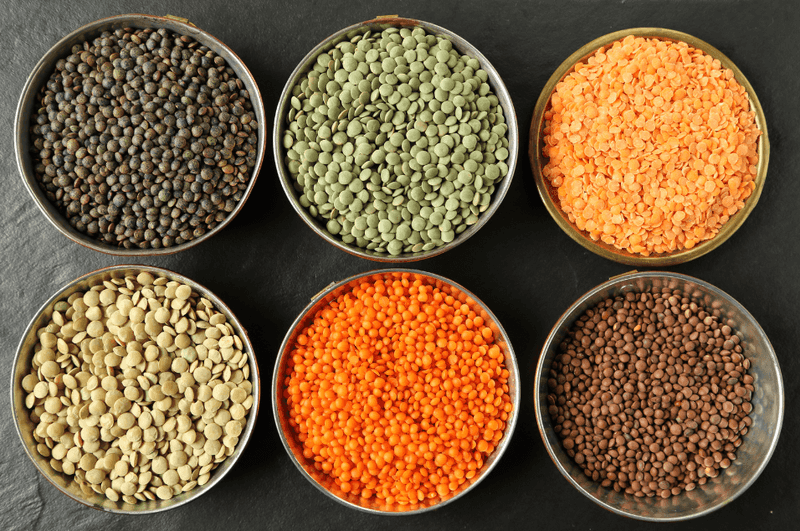
Lentils have a low glycaemic index, which means they cause a slow, steady rise in blood sugar rather than a sharp spike followed by a crash. That is genuinely good news for anyone managing diabetes or simply trying to avoid that mid-afternoon slump.
The complex carbohydrates in lentils take longer to break down, giving your body a more controlled release of energy. Swapping refined carbs for lentils at even one meal a day can make a noticeable difference to how you feel.
3. Provides Plant-Based Protein

Around 18 grams of protein per cooked cup – lentils genuinely compete with meat when it comes to fuelling your muscles. For vegetarians, vegans, or anyone just trying to eat a bit less meat, that is a brilliant stat to have in your back pocket.
Protein helps repair tissues, supports muscle growth, and keeps your immune system ticking along nicely. Pair lentils with a grain like rice or wholemeal bread and you get a complete amino acid profile.
Simple, affordable, and surprisingly filling.
4. Contributes To Heart Health
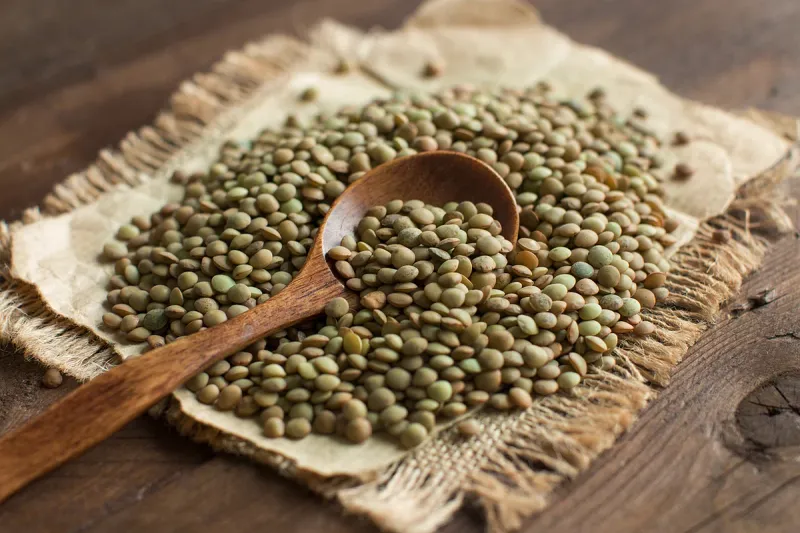
Soluble fibre, potassium, and folate – lentils bring all three to the table, and your heart absolutely loves them for it. Soluble fibre helps lower LDL cholesterol, often called the bad kind, while potassium helps regulate blood pressure.
Folate plays its part too, reducing levels of homocysteine in the blood, a compound linked to a higher risk of heart disease when elevated. Eating lentils regularly is one of those genuinely easy lifestyle tweaks that your future self will quietly thank you for.
5. May Aid Weight Management

Trying to manage your weight without feeling constantly hungry is a proper challenge, and lentils might be your secret weapon. The combination of protein and fibre means they keep you feeling full for longer, reducing the temptation to raid the biscuit tin an hour after lunch.
Studies suggest that people who eat legumes regularly tend to have lower body weights over time. Swapping even one meat-heavy meal a week for a lentil-based dish can quietly chip away at your overall calorie intake without any dramatic dieting required.
6. Offers Essential Vitamins And Minerals
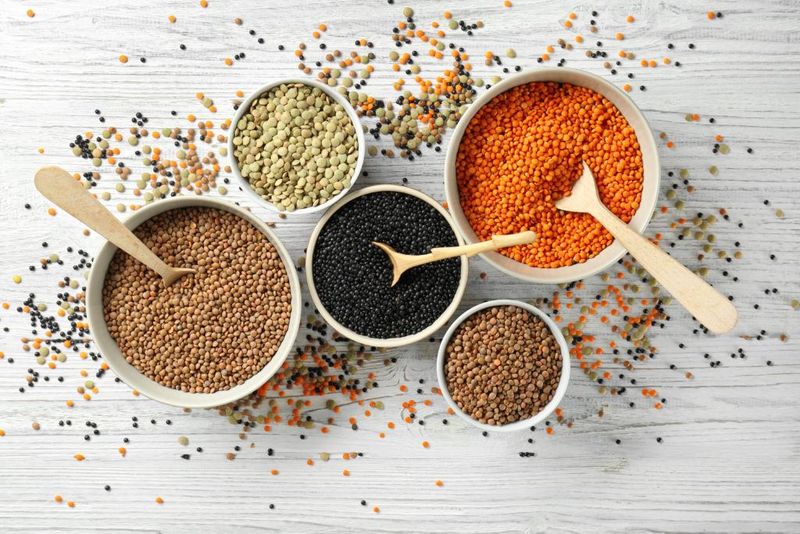
Folate, iron, potassium, magnesium – lentils read like a multivitamin ingredient list, only far tastier. Folate is especially important during pregnancy, supporting healthy foetal development, while iron helps your blood carry oxygen efficiently around the body.
Magnesium supports hundreds of enzyme reactions, including those involved in energy production and muscle function. Potassium, meanwhile, helps keep your heartbeat steady and your muscles working properly.
Getting this range of nutrients from a single, affordable food source is genuinely impressive stuff.
7. Promotes Satiety And Reduces Overeating

Ever noticed how some meals leave you hungry again within an hour? Lentils are the opposite of that.
Their high fibre content slows down digestion, which sends fullness signals to your brain for a good while after eating.
Protein adds another layer of staying power, making lentil-based meals genuinely satisfying rather than just temporarily filling. For anyone prone to snacking out of boredom or habit rather than actual hunger, building lentils into regular meals could help break that cycle quite naturally.
8. Supports Energy Levels Throughout The Day
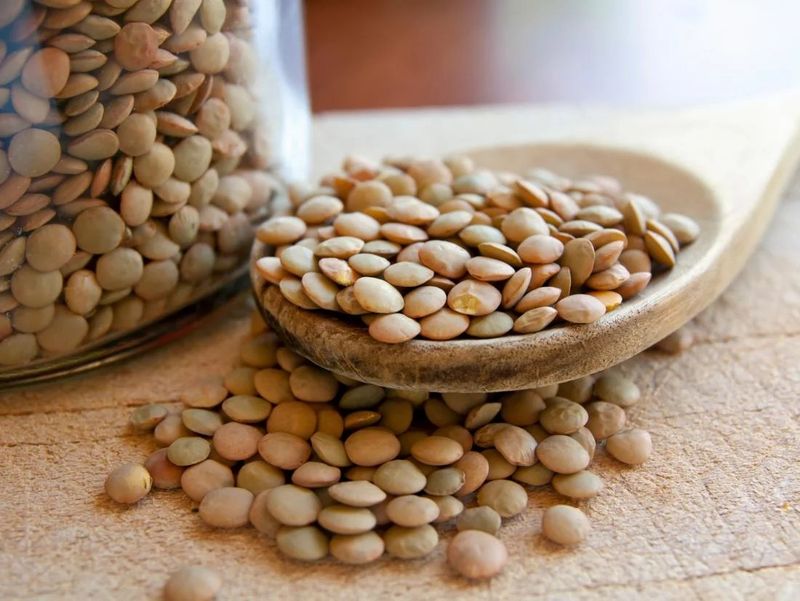
Iron deficiency is one of the most common causes of fatigue worldwide, and lentils happen to be a cracking plant-based source of it. Iron helps your red blood cells carry oxygen to your muscles and organs, which is pretty fundamental to feeling awake and functional.
Beyond iron, the slow-releasing complex carbohydrates in lentils provide sustained energy rather than a quick burst followed by a crash. Think of them as a long-burning fuel source – steady, reliable, and far less dramatic than a sugary snack.
9. Can Reduce Cholesterol Levels

Soluble fibre works a bit like a sponge in your digestive system, soaking up cholesterol before it can enter your bloodstream. Lentils are packed with the stuff, making them a genuinely useful food for anyone keeping an eye on their cholesterol readings.
Regular consumption has been shown in research to lower LDL cholesterol levels meaningfully over time. You do not need to overhaul your entire diet either – simply replacing a few meals per week with lentil-based dishes can start nudging those numbers in the right direction.
10. Encourages Sustainable Eating Choices
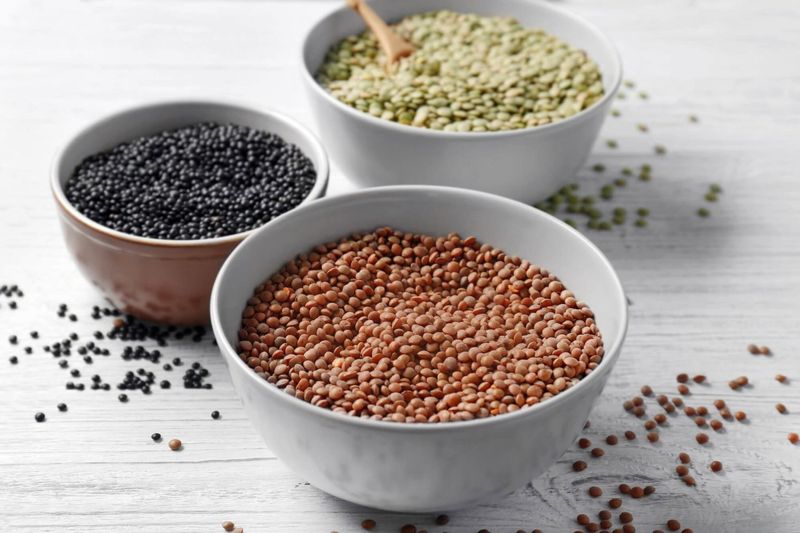
Lentils are one of the most environmentally friendly foods on the planet, full stop. They require very little water to grow compared to most animal proteins, produce minimal greenhouse gas emissions, and actually improve soil health by fixing nitrogen back into the ground.
Choosing lentils more often is a genuinely simple way to reduce your dietary carbon footprint without sacrificing nutrition or flavour. Your body benefits, your shopping budget benefits, and the planet gets a small but meaningful break too.
That is a pretty hard deal to argue with.



