













Ever found yourself desperately hunting for pickles at midnight or dreaming about chocolate during an important meeting? Food cravings aren't just random hunger pangs – they might actually be your body's way of communicating important messages.
Understanding what drives these peculiar hankerings could help you address underlying nutritional needs or emotional triggers that your body is trying to flag up.
1. Ice Cubes
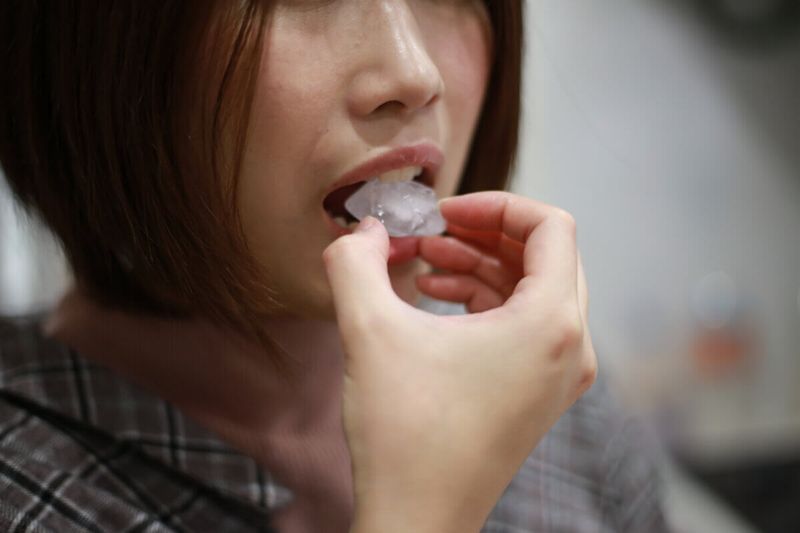
Munching on ice cubes might signal iron deficiency anemia. This unusual craving, called 'pica,' often appears when your body lacks essential minerals.
Doctors frequently spot this behavior in patients whose blood tests later confirm low iron levels. If you're constantly raiding the freezer for ice, consider booking a check-up to investigate potential underlying issues.
2. Chocolate
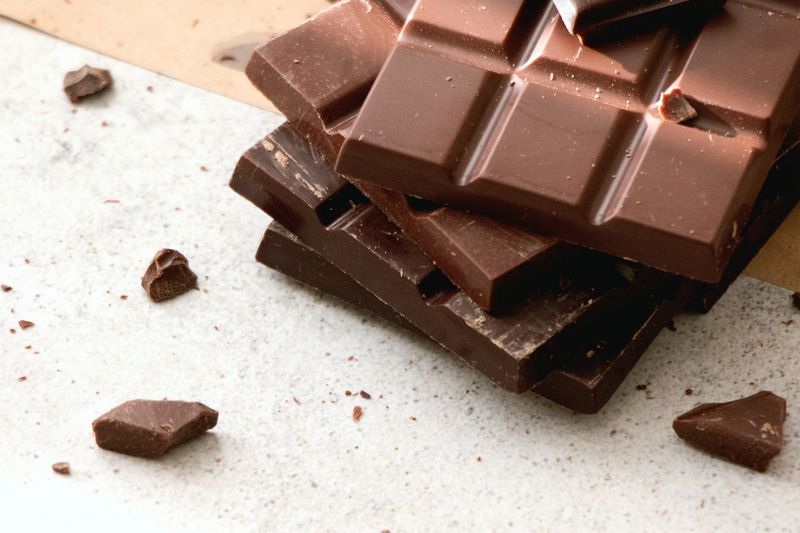
That desperate chocolate craving might be your body's call for magnesium. Dark chocolate contains significant amounts of this mineral that helps regulate muscle and nerve function.
Women often experience these cravings during menstruation when magnesium levels naturally dip. Try snacking on magnesium-rich nuts, seeds or leafy greens if chocolate keeps calling your name.
3. Salt
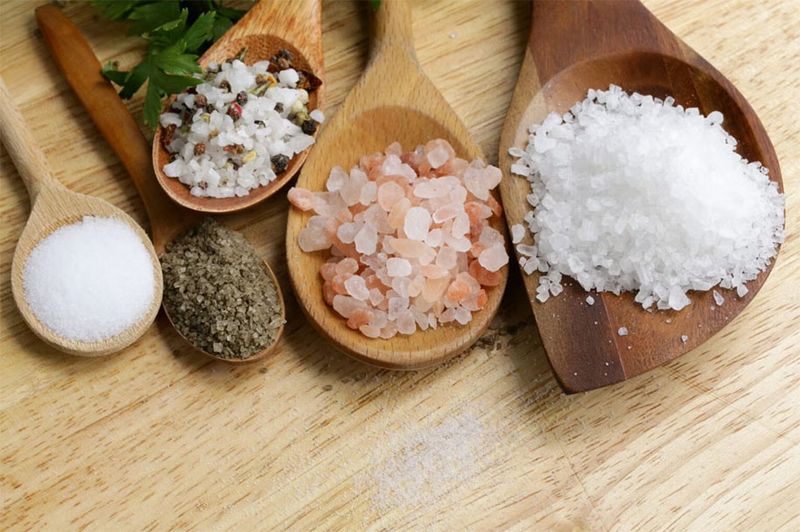
Can't stop reaching for crisps and pretzels? Your adrenal glands might be working overtime. Intense salt cravings sometimes indicate adrenal fatigue or mineral imbalances.
Athletes and people who sweat heavily naturally lose sodium and may crave salty foods to replenish what's lost. Balance is key – while some salt is necessary, excessive intake raises blood pressure concerns.
4. Cheese

Daydreaming about cheese toasties might reveal a calcium or fat deficiency. Cheese contains both nutrients, which support bone health and hormone production.
Your brain knows cheese delivers quick satisfaction and energy through its fat content. For healthier alternatives, try calcium-rich foods like yogurt or sardines, which provide similar nutritional benefits without excessive calories.
5. Bread And Pasta

Carb cravings often spike when serotonin levels drop. These comfort foods boost this mood-regulating brain chemical, creating a temporary sense of calm and happiness.
Stress and lack of sleep frequently trigger these cravings as your body seeks quick energy and emotional relief. Rather than fighting the urge completely, opt for whole grain versions that provide sustained energy without dramatic blood sugar spikes.
6. Pickle Jar
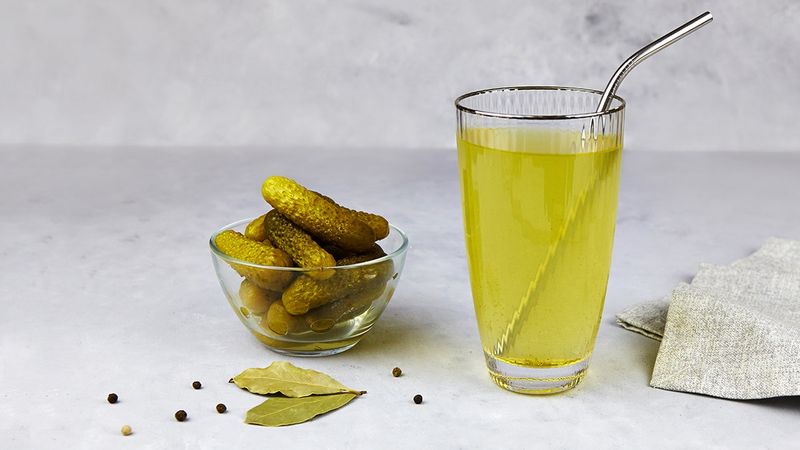
Pregnancy isn't the only reason for pickle cravings! This hankering often indicates your body needs sodium, electrolytes, or even water.
The vinegary tang might also signal low stomach acid levels, affecting proper digestion. Many pickle lovers unknowingly seek the probiotic benefits from fermented foods, which support gut health and immune function naturally.
7. Red Meat
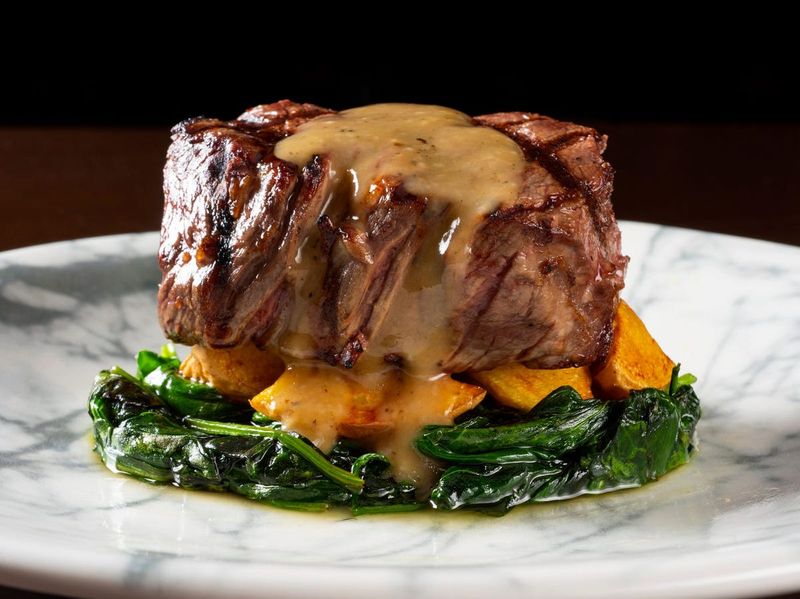
Suddenly dreaming of steak? Your body might be screaming for iron and B vitamins. Menstruating women and those with heavy periods often experience these cravings due to blood loss.
Athletes and growing teenagers also commonly develop meat cravings when building muscle. If you're vegetarian but craving meat, consider iron-rich plant foods like lentils and spinach paired with vitamin C to boost absorption.
8. Peanut Butter
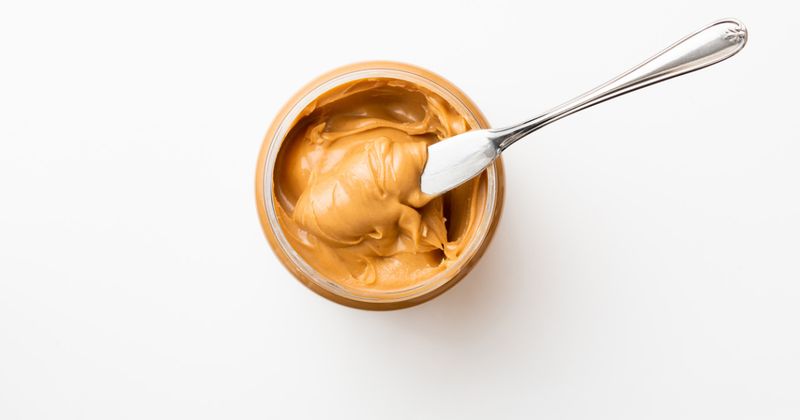
Late-night peanut butter cravings typically point to protein deficiency or blood sugar issues. The combination of healthy fats, protein, and slight sweetness makes it perfectly designed to satisfy multiple nutritional needs simultaneously.
Emotional eaters often reach for this comfort food during stressful periods. The creamy texture and rich flavor activate pleasure centers in your brain, creating an instant mood boost.
9. Fizzy Drink

Constant soda cravings might indicate calcium deficiency, as phosphoric acid in fizzy drinks binds to calcium. Your body mistakenly thinks consuming more will help, creating a problematic cycle.
Sometimes the craving stems from simple dehydration or caffeine dependency. The bubbles can also signal digestive issues, as carbonation temporarily relieves bloating and gas for some people.
10. Coffee
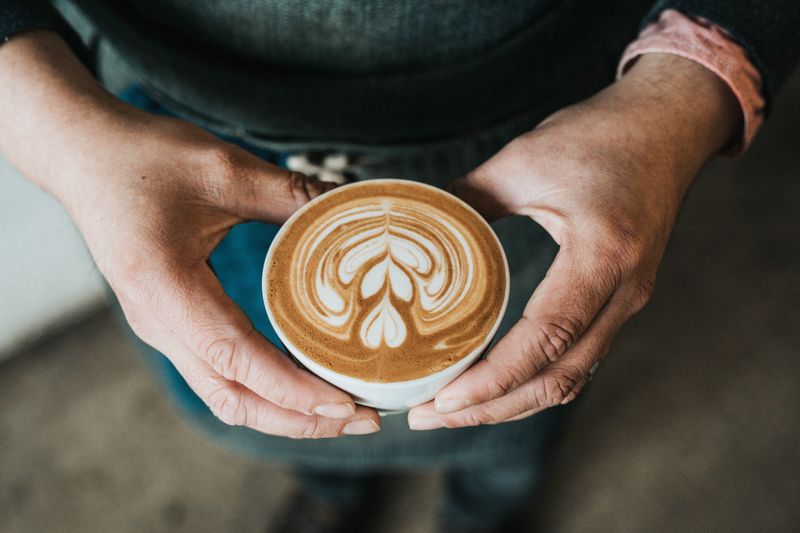
Beyond caffeine addiction, intense coffee cravings might reveal iron deficiency or adrenal fatigue. Your body might be seeking the quick energy boost when natural energy production systems are compromised.
Coffee cravings spike during high-stress periods when cortisol regulation falters. The bitter taste also stimulates digestive juices, explaining why some people crave coffee specifically when experiencing sluggish digestion.
11. Burnt Food
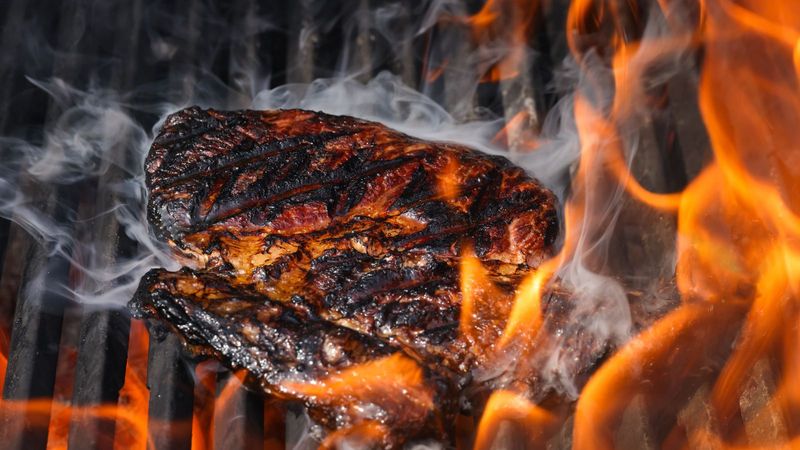
Strangely drawn to charred toast or well-done meat? This unusual preference might indicate carbon deficiency or issues with your body's detoxification processes.
Some researchers believe certain compounds in burnt foods help bind toxins for elimination. However, regularly consuming burnt food creates health risks through carcinogenic compounds. Try activated charcoal supplements instead if this craving persists.
12. Spicy Food
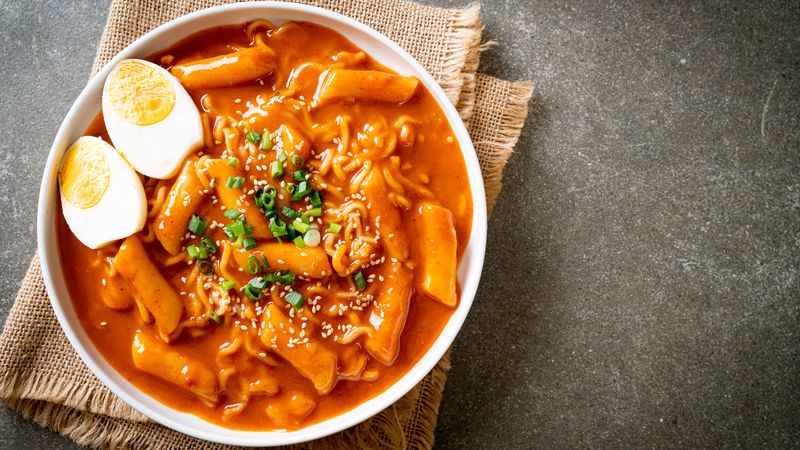
Heat-seekers might actually be natural cooling system hackers! Spicy food cravings often appear when your body wants to cool down through increased sweating.
Capsaicin in chili peppers triggers pain receptors, prompting endorphin release – creating a natural high. Some people unconsciously seek this sensation during periods of emotional numbness or depression as a way to feel something intensely.
13. Sweet Potato
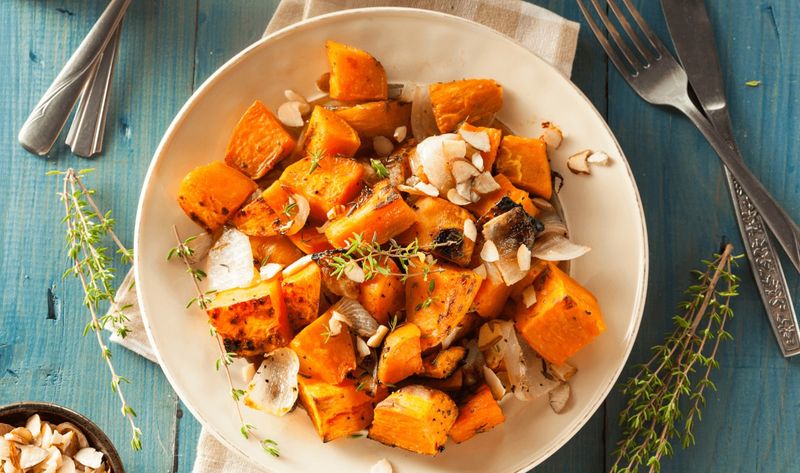
Craving sweet potatoes specifically could indicate your body needs vitamin A and complex carbohydrates. These orange tubers provide sustainable energy while supporting vision and immune function.
Seasonal cravings for sweet potatoes often emerge during colder months when your body instinctively seeks warming, grounding foods. Athletes and active individuals frequently desire them to replenish glycogen stores after intense physical activity.
14. Lemon
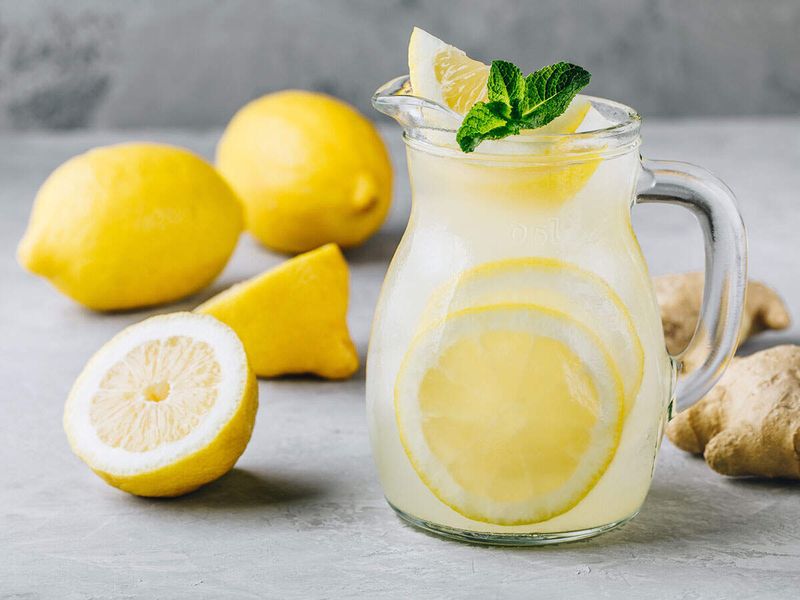
Adding lemon to everything might reveal liver congestion or vitamin C deficiency. The sour taste stimulates liver and gallbladder function, potentially easing digestive discomfort.
Some people intuitively reach for lemons during illness as vitamin C supports immune function. Pregnancy commonly triggers citrus cravings due to increased nutrient demands and changing taste preferences as the body prioritizes foods with protective benefits.



