











Vitamin C is commonly associated with fruit, yet many vegetables also provide meaningful amounts of this essential nutrient. Alongside vitamin C, vegetables contribute fibre and other vitamins that support general dietary balance when eaten regularly.
Including a variety of vegetables in everyday meals can help maintain consistent intake without relying on a single food source.
This content is for general information only. Individual nutritional needs, taste preferences, appearance, and product availability may vary.
For personalised dietary advice or health-related concerns, consult a qualified healthcare or nutrition professional. Images are for illustrative purposes only.
1. Red Bell Peppers
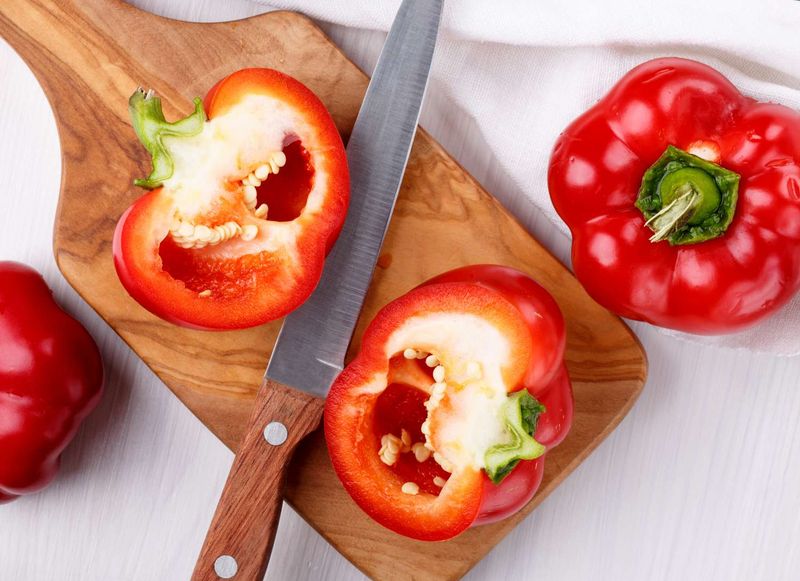
A single red pepper packs more vitamin C than two oranges combined, which is frankly bonkers when you think about it. That sweet, crisp crunch comes loaded with around 152 mg per medium pepper, smashing through your daily needs in one colourful hit.
Roast them until the skin blisters for a smoky sweetness, toss raw slices into salads for maximum crunch, or stuff them with grains and herbs for a proper meal. The red variety beats green and yellow hands down for vitamin C content, so always grab the ripest ones you can find.
2. Broccoli
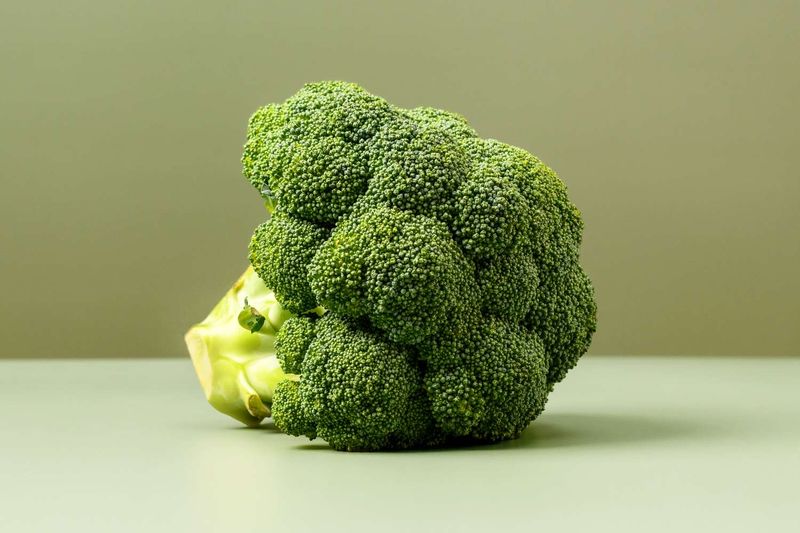
Broccoli might have a dodgy reputation from childhood dinners, but one cup of chopped florets delivers about 81 mg of vitamin C plus a solid dose of fibre and sulforaphane. That compound is brilliant for supporting your body's natural defences, making broccoli a proper multitasker.
Lightly steam it to keep the nutrients intact, or roast with garlic and a squeeze of lemon for something that actually tastes gorgeous. Overcooking turns it mushy and zaps the goodness, so keep it bright green and slightly firm.
3. Brussels Sprouts
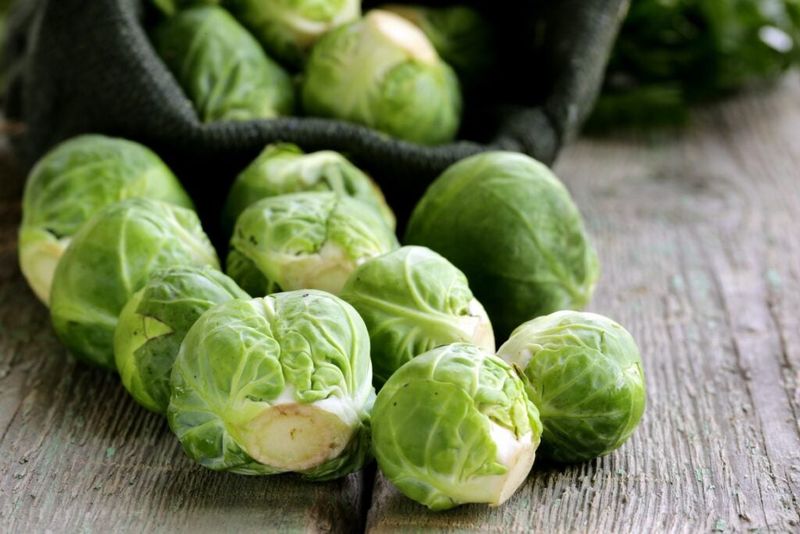
These mini cabbages used to get a bad rap, but roasted properly they're absolute flavour bombs. A cupful gives you roughly 85 mg of vitamin C, plus they're packed with vitamin K and folate, which your body loves for keeping cells healthy.
Halve them, toss in olive oil, and roast until the edges go crispy and caramelised. That brings out a nutty sweetness that's miles away from the boiled mush some of us remember from school dinners.
Chuck in some toasted nuts or a drizzle of balsamic for extra flair.
4. Kale
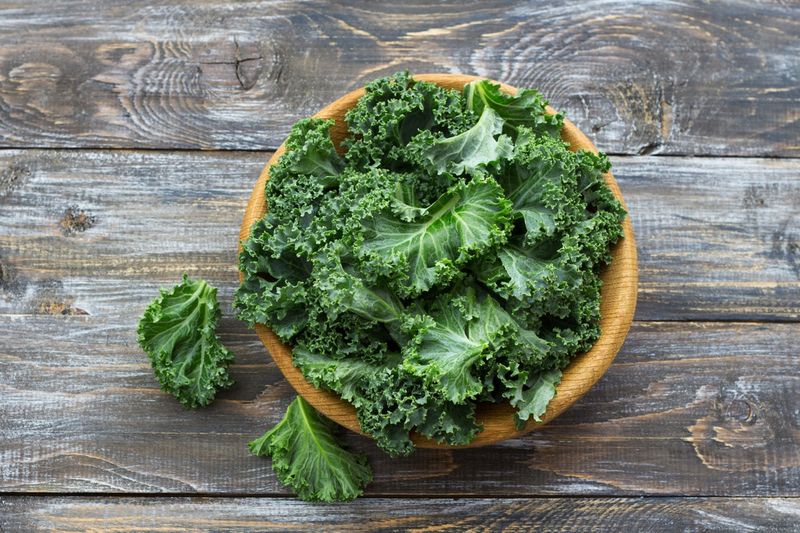
Kale's had its moment as the trendy superfood, but the hype isn't entirely undeserved when one cup of raw leaves holds about 93 mg of vitamin C. It's also loaded with antioxidants and vitamin A, making it a proper nutritional powerhouse that earns its keep.
Massage raw leaves with a bit of lemon juice and olive oil to soften the texture before tossing into salads, or sauté quickly with garlic for a simple side. The curly variety is milder than the flat-leaf type, so pick whichever suits your taste.
5. Cauliflower
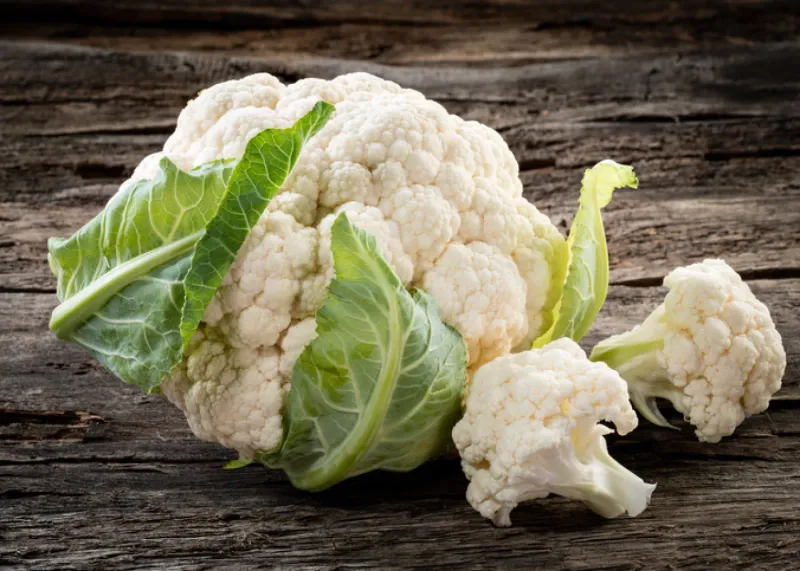
Cauliflower's mild flavour makes it a brilliant canvas for spices and sauces, and a cup of raw florets sneaks in around 48 mg of vitamin C. It's also low in calories but high in fibre, so it fills you up without weighing you down.
Roast it with curry powder and turmeric for a golden, fragrant side, blitz it into rice-sized grains for a lighter carb swap, or mash it with a knob of butter for creamy comfort. Its versatility is genuinely impressive, adapting to whatever cuisine you fancy without fuss.
6. Cabbage
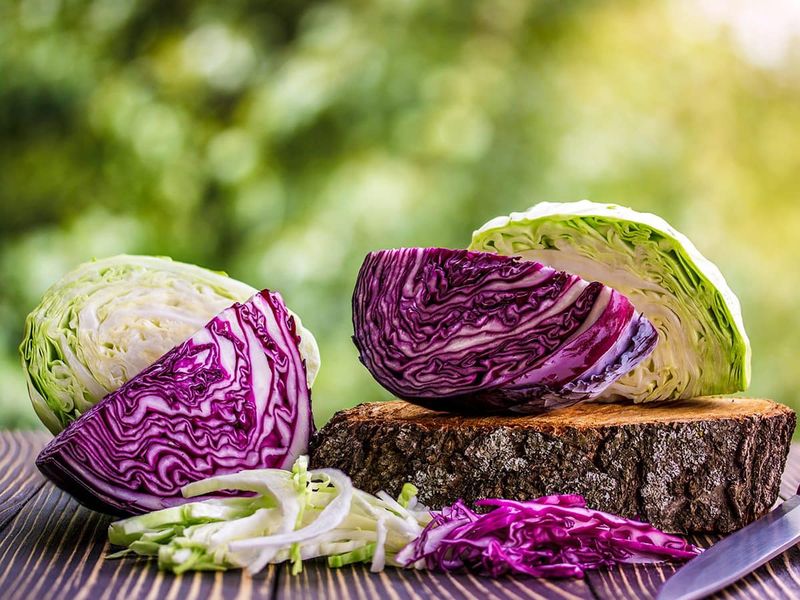
Cabbage might seem humble, but it's a budget-friendly vitamin C champion that keeps for ages in the fridge. One cup of raw shredded cabbage offers a decent boost to your immune system, plus it's rich in vitamin K and gut-friendly fibre.
Slice it thin for crunchy slaws, ferment it into sauerkraut for a probiotic punch, or braise it slowly with onions and a splash of vinegar for something warming. Red cabbage has a slightly peppery edge and even more antioxidants, so mix it up depending on your mood.
7. Spinach
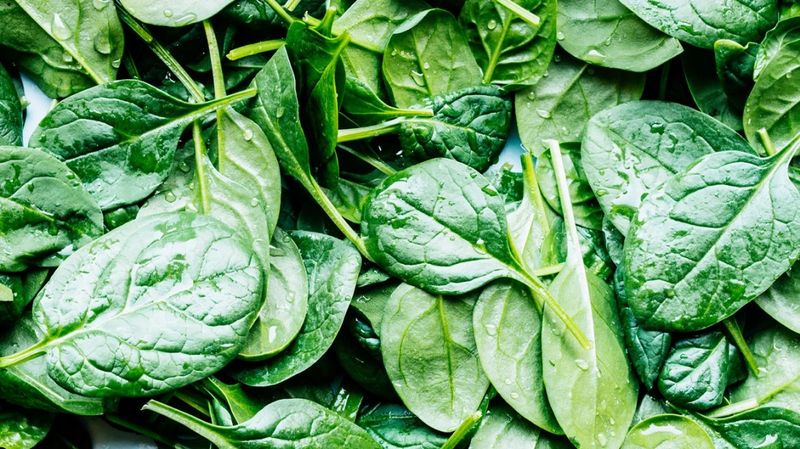
Popeye was onto something, though spinach shines more for iron and folate than pure vitamin C. Still, a cup of raw leaves adds about 28 mg, which isn't too shabby when you consider how easy it is to pile handfuls into smoothies or pasta.
Wilt it quickly in a hot pan with garlic for a classic side, layer it into lasagne, or toss fresh leaves into salads for a tender, mild bite. Baby spinach is sweeter and less gritty than mature leaves, so it's brilliant for eating raw without any fuss.
8. Snow Peas
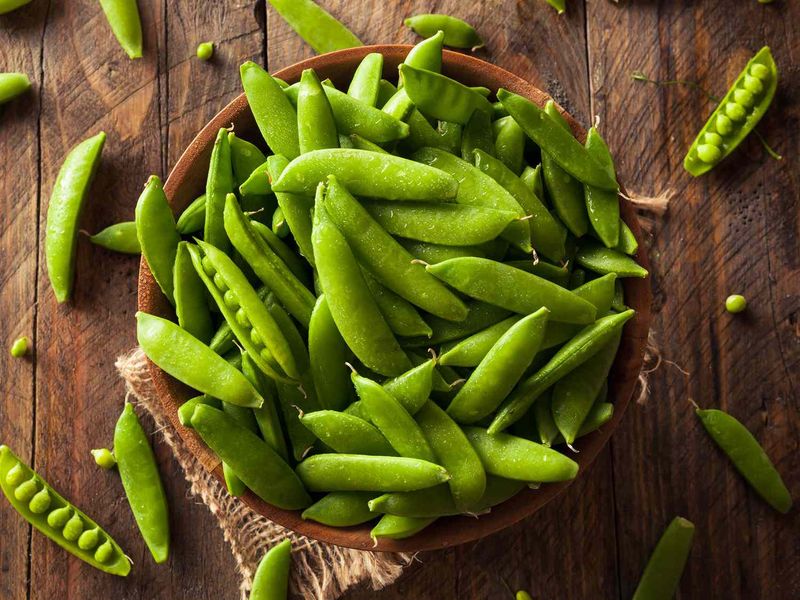
Snow peas bring a sweet crunch and a refreshing change from heavier veg, with a decent vitamin C content that supports your immune system alongside fibre and vitamin K. Their delicate flavour and crisp texture make them brilliant for quick cooking or eating raw.
Stir-fry them for barely a minute to keep that snap, toss raw into salads for a juicy bite, or steam lightly and dress with sesame oil. They're particularly lovely in Asian-inspired dishes, pairing beautifully with ginger, garlic, and soy-based sauces without ever feeling heavy.