













Every country has its own version of food that feels completely normal locally but raises a few eyebrows elsewhere. It is the kind of thing you grow up with, never question, and then suddenly realise is not quite as universal as you thought.
Australia has plenty of those foods, ranging from iconic spreads to snacks and dishes that can feel unfamiliar at first glance. Some are tied to childhood traditions, others to local ingredients, and a few have become part of everyday life in ways that might surprise visitors.
A handful of these might sound unusual at first, but once you see how they are eaten and why people love them, a few could easily find their way onto your own list of things to try next.
All information is provided for general interest only. Availability, ingredients, and regional variations may differ.
1. Vegemite On Toast
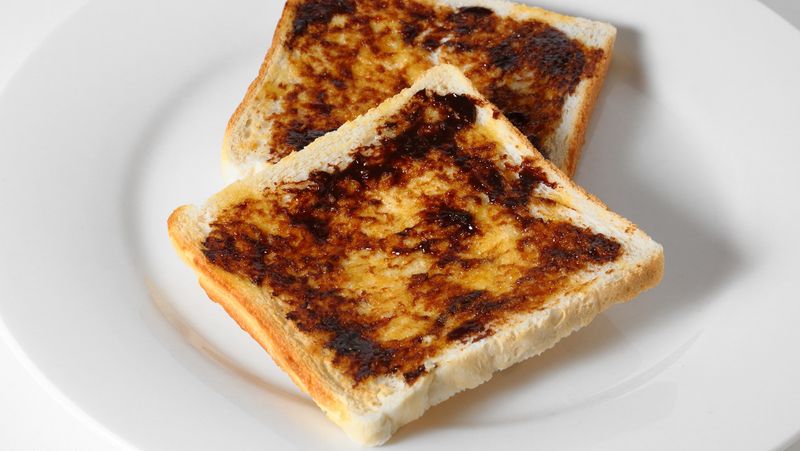
This iconic spread has been dividing breakfast tables since 1922, and Australians wouldn't have it any other way. The thick, dark paste made from leftover brewers' yeast extract tastes intensely salty and savoury, which catches first-timers completely off guard.
Locals grow up with it, learning the golden rule: spread it thin, never thick like Nutella. Pair it with butter on hot toast, and you've got a breakfast that fuels millions of Aussies every morning, though visitors often need several attempts to appreciate its unique flavour.
2. Fairy Bread
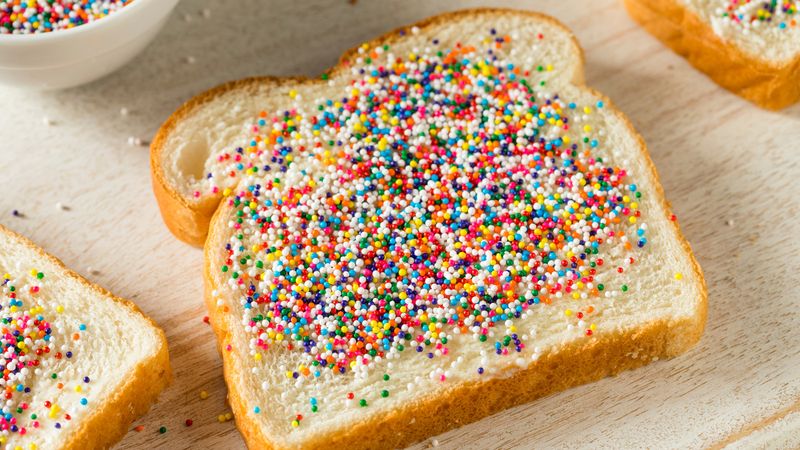
Picture this: white bread, butter, and rainbow sprinkles. That's fairy bread, and it's been the star of Aussie kids' birthday parties for decades.
The combination sounds bizarre to outsiders, but children here absolutely adore the simple sweetness and satisfying crunch.
Making it takes about thirty seconds, yet it brings instant joy to any celebration. The sprinkles, called hundreds and thousands in Australia, stick to the butter and create a colourful, festive treat that's become a nostalgic symbol of childhood Down Under.
3. Kangaroo Meat
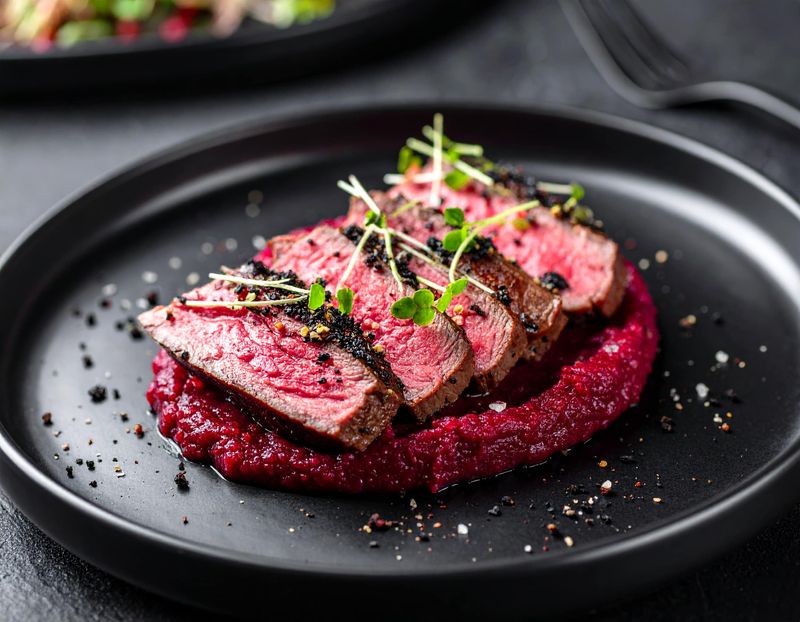
Eating the national symbol might seem strange, but kangaroo meat is lean, sustainable, and widely available in Australian supermarkets. The meat tastes gamey, similar to venison, with a rich, slightly sweet flavour that works beautifully in steaks, sausages, or burgers.
Because kangaroos are wild and abundant, harvesting them for food is considered environmentally responsible. The meat contains less fat than beef and packs more protein, making it popular among health-conscious Aussies who've moved past any awkwardness about eating their national emblem.
4. Witchetty Grubs
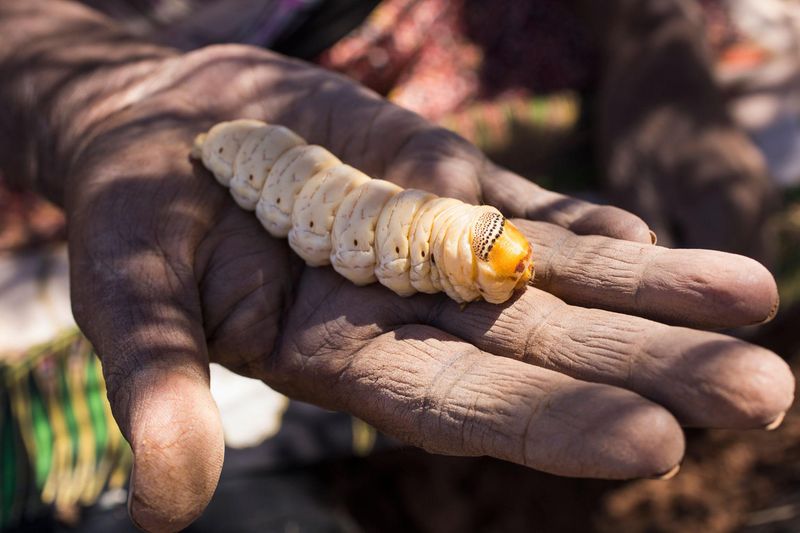
These fat, white larvae of ghost moths have been a traditional Aboriginal food source for thousands of years. Raw, they have a nutty and creamy taste, while cooking them gives a slightly crisp outside and a softer centre.
Finding them in tree roots takes knowledge and experience passed down through generations. They are rich in protein and healthy fats, making them highly nutritious.
While not commonly eaten in everyday Australian diets, they remain an important part of Indigenous food culture.
5. Tim Tam Slam

This isn't just a snack; it's an experience that turns a chocolate biscuit into a drinking straw. You bite off opposite corners of a Tim Tam, dip one end into hot coffee or milk, then suck the liquid through the biscuit before it collapses.
The chocolate coating melts, the biscuit softens, and you've got about three seconds to shove the whole thing in your mouth. Messy, delicious, and absolutely worth the sticky fingers, the Tim Tam Slam is a ritual every Australian learns eventually, usually from a grinning friend.
6. Chiko Roll
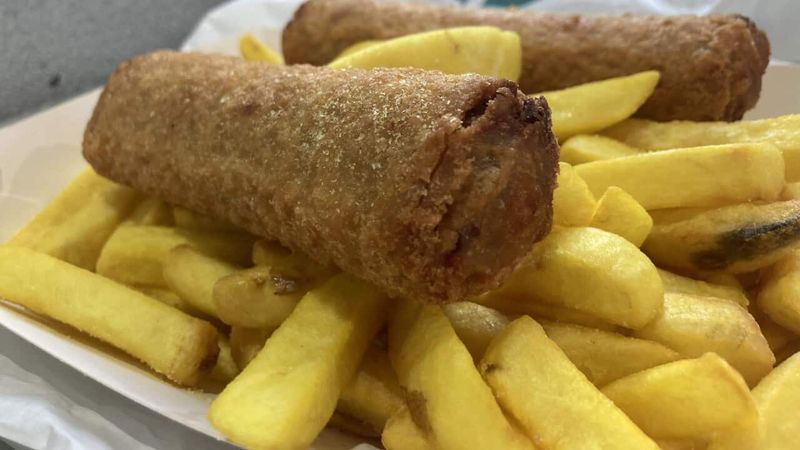
Born in 1951, this deep-fried snack was designed to be eaten at football games without cutlery. The thick, crunchy pastry wraps around a filling of cabbage, barley, beef, celery, and spices, creating something like a hardier, greasier version of a spring roll.
You'll find Chiko Rolls at fish and chip shops, service stations, and sporting events across Australia. They're not fancy, and they won't win health awards, but they're satisfying, filling, and deeply connected to Aussie takeaway culture and sporting traditions.
7. Lamington With Cream Filling
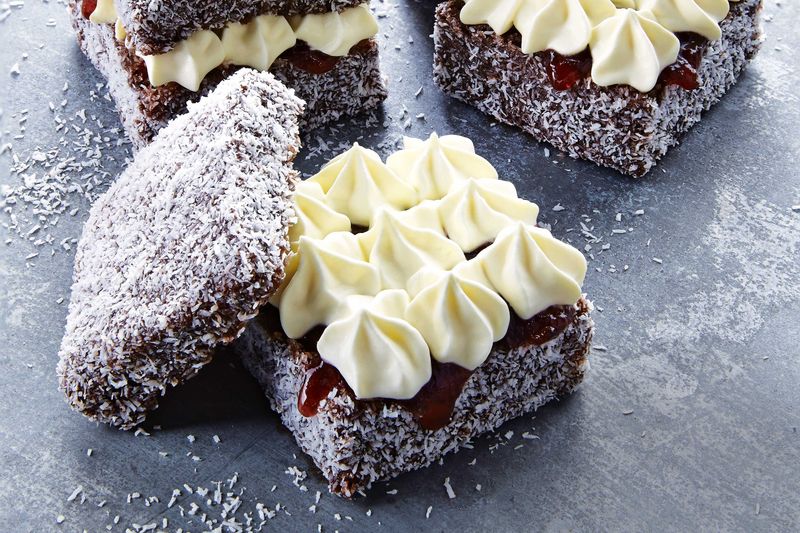
Take a square of sponge cake, dip it in chocolate, roll it in coconut, and you have a lamington. Add a layer of cream or jam in the middle, and it becomes an even more satisfying treat.
The dessert is named after Lord Lamington, a former Governor of Queensland. It regularly appears at school events, gatherings, and local fundraisers across Australia.
The soft sponge and coconut coating create a texture that people instantly recognise.
8. Pavlova With Passionfruit
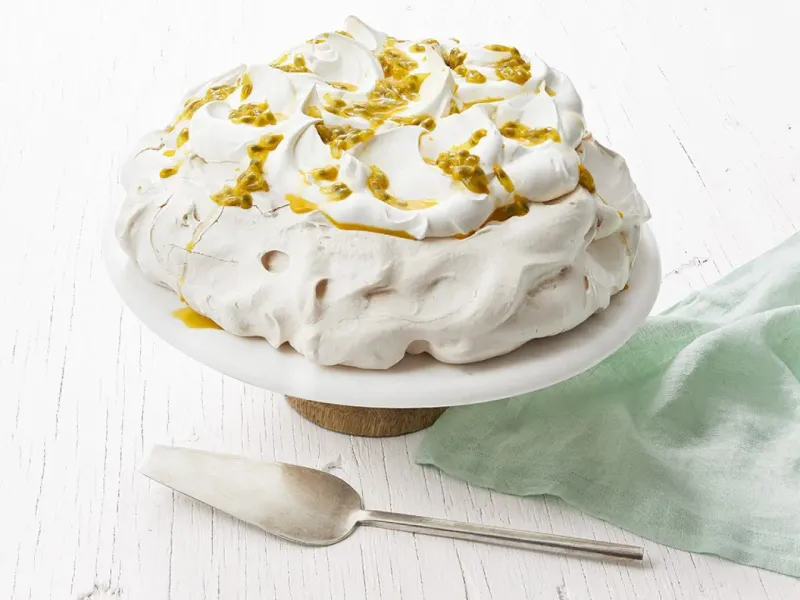
Crispy on the outside, marshmallow-soft inside, pavlova is Australia's favourite dessert for summer celebrations. Though New Zealand claims it too, Aussies are convinced this meringue masterpiece belongs to them, especially when topped with passionfruit's tangy sweetness.
The combination of crunchy meringue, fluffy cream, and sharp passionfruit creates a perfect balance of textures and flavours. Every Christmas table features at least one pavlova, often causing friendly debates about whose grandmother makes it best.
It's light, refreshing, and absolutely essential for hot-weather celebrations.
9. Damper Bread
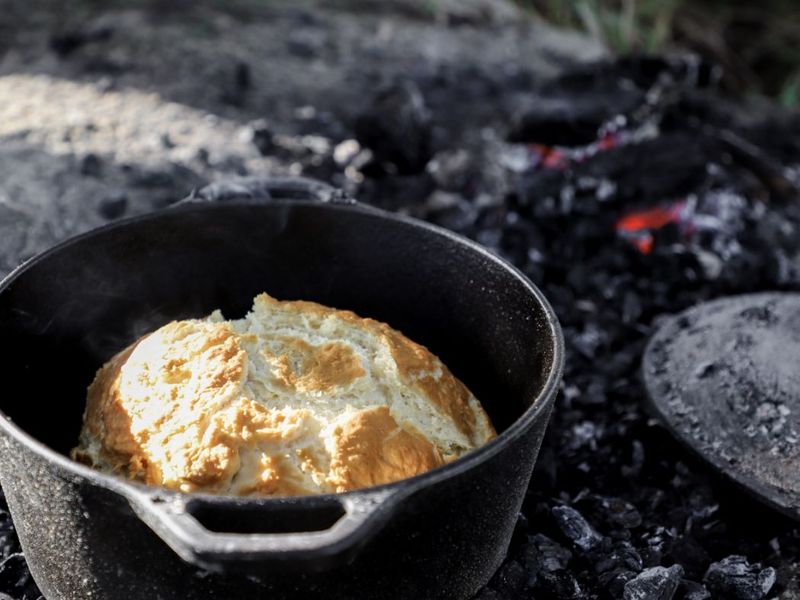
Stockmen and drovers created this simple bread using flour, water, and salt, cooking it in the ashes of campfires across the outback. Today, damper is still linked to Australia’s bush heritage and is often made at outdoor gatherings and school trips.
It has a dense texture and is best enjoyed warm with butter, golden syrup, or Vegemite. Some modern versions include milk for a softer result.
Making damper offers a simple way to connect with traditional cooking methods.
10. Anzac Biscuits
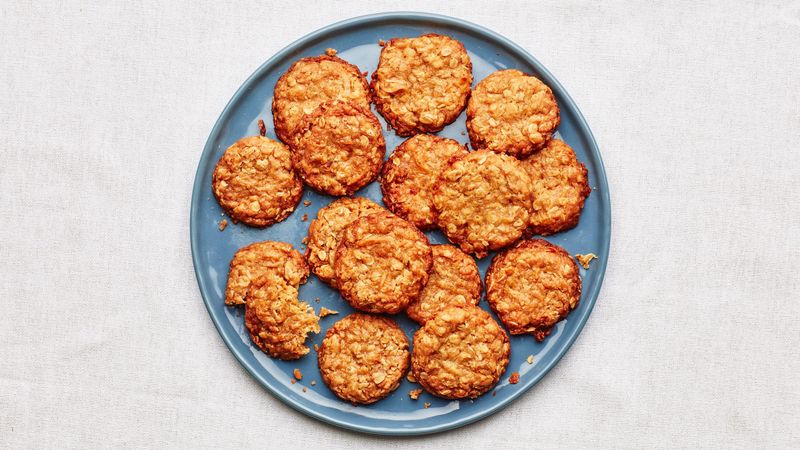
These oat and coconut biscuits carry serious historical weight, originally sent to soldiers during World War I because the ingredients didn't spoil during long journeys. The recipe contains no eggs, using golden syrup as a binding agent instead, which gives them their distinctive chewy-crispy texture.
Making or buying Anzac biscuits around Anzac Day honours Australia's military history. They taste sweet, buttery, and slightly caramelised, with a satisfying crunch.
The name is legally protected, so you can't call them Anzac cookies or change the traditional recipe commercially.
11. Salt And Vinegar Chips In Sandwiches
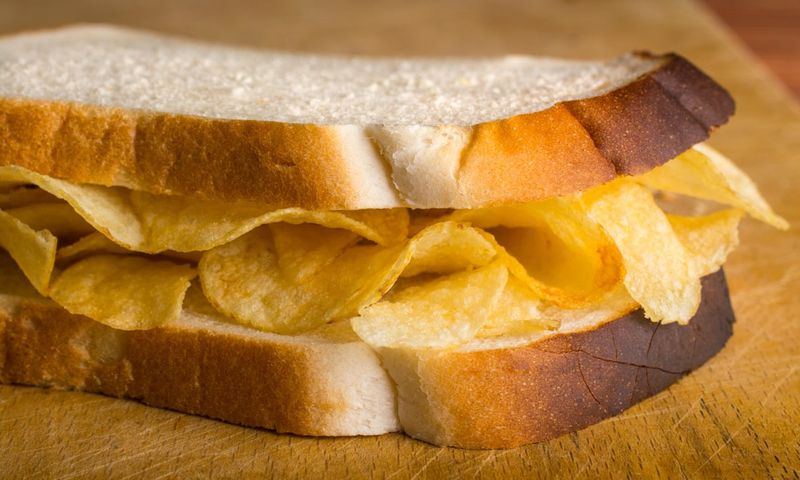
Australians have been stuffing crisps into sandwiches for generations, and salt and vinegar flavour reigns supreme for this particular tradition. The combination sounds odd, but the tangy, salty crunch transforms an ordinary sandwich into something unexpectedly satisfying.
School lunchboxes across the country feature chip sandwiches, usually with just butter and crisps, nothing else. The vinegar flavour soaks into the bread slightly, whilst the chips provide textural contrast.
It's budget-friendly, quick to make, and beloved by kids and nostalgic adults who remember their childhood lunches fondly.
12. Iced VoVo Biscuits
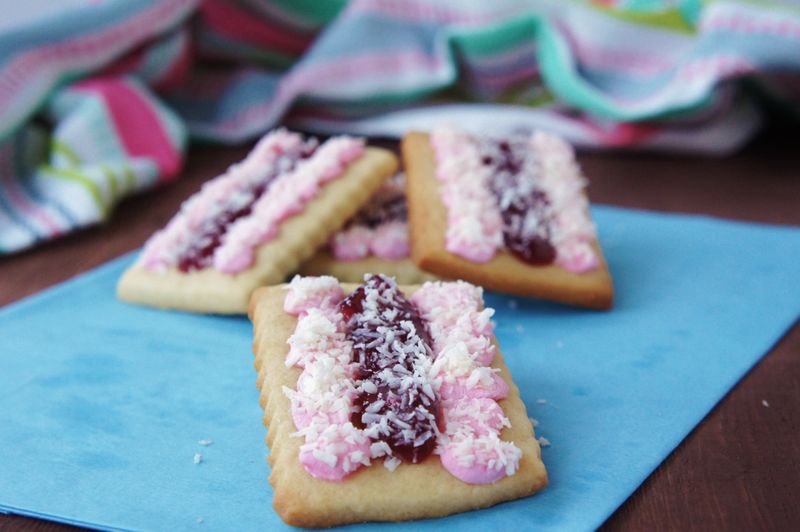
These pink-topped beauties have graced Australian biscuit tins since 1906, featuring a strip of raspberry jam, marshmallow, and coconut on a wheat biscuit base. The bright pink icing makes them instantly recognisable, and their sweet, fruity flavour appeals to those with a serious sweet tooth.
Arnott's, Australia's beloved biscuit company, created Iced VoVos as a premium treat. They're softer than most biscuits, with the marshmallow and jam adding moisture.
Many Aussies remember sneaking extra VoVos from the biscuit jar, drawn by their pretty appearance and satisfying sweetness.
13. Moreton Bay Bugs
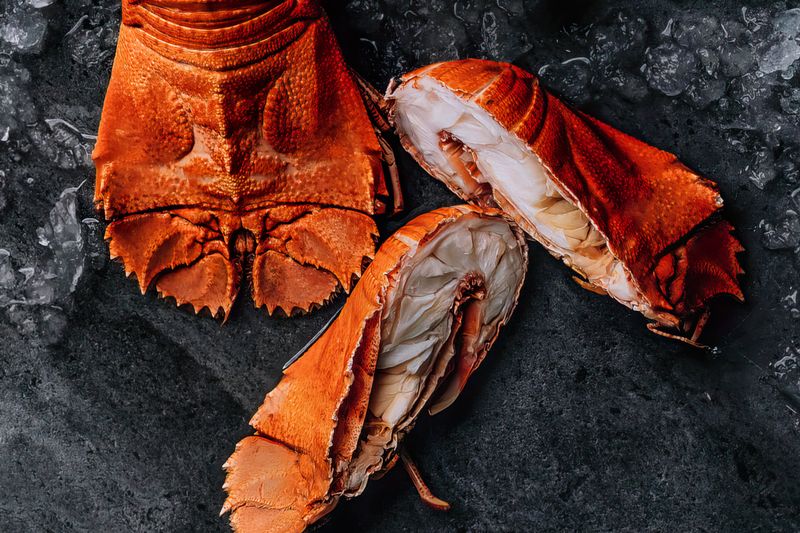
Despite their unfortunate name, these flat lobster-like crustaceans are considered a delicacy along Australia's eastern coast. They're not actually bugs at all, but rather a type of slipper lobster with sweet, tender meat that rivals prawns and crayfish.
The meat is found mainly in the tail, and it tastes best simply grilled with garlic butter or thrown on the barbecue. Moreton Bay Bugs get their name from Moreton Bay in Queensland, where they're commonly caught.
They're pricey but worth it for special occasions and seafood feasts.



