











Europe’s food traditions stretch far beyond familiar favourites, shaped by climate, history, and local ingenuity. Some dishes feel adventurous at first glance, while others quietly challenge what most people expect on a plate.
Curiosity tends to win once the story behind each recipe starts to unfold. A closer look reveals how creativity often grows from necessity, tradition, and a healthy dose of boldness.
This content is provided for general interest and cultural discussion only. Food traditions, ingredients, and availability may vary by region and household.
1. Hákarl - Iceland
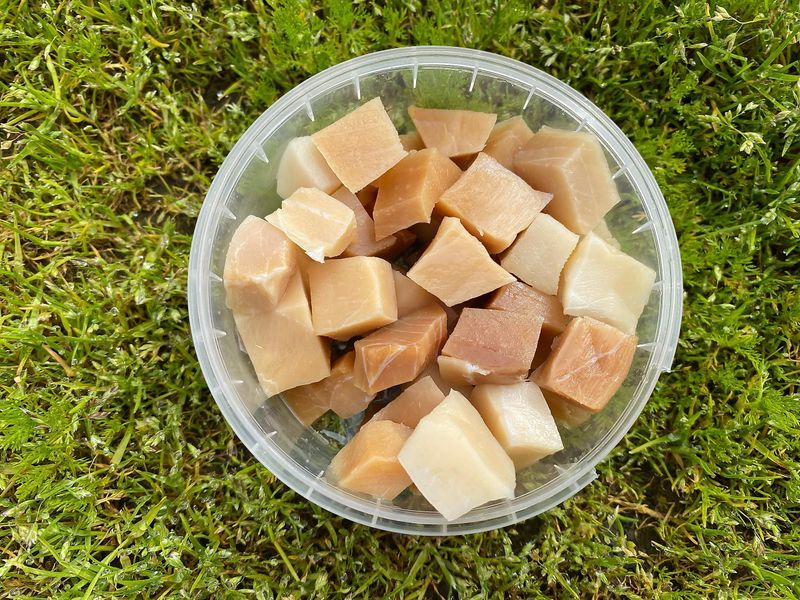
Fermented shark has been part of Icelandic food traditions for generations and remains one of the country’s most talked-about dishes. The Greenland shark is cured underground before being air-dried, creating its famously strong aroma and firm texture.
First-time tasters often notice the scent long before the flavour settles in. Despite its bold character, many locals appreciate it as a link to survival cooking and heritage.
It continues to attract curious food lovers who enjoy experiencing historic recipes firsthand.
2. Casu Marzu - Sardinia, Italy
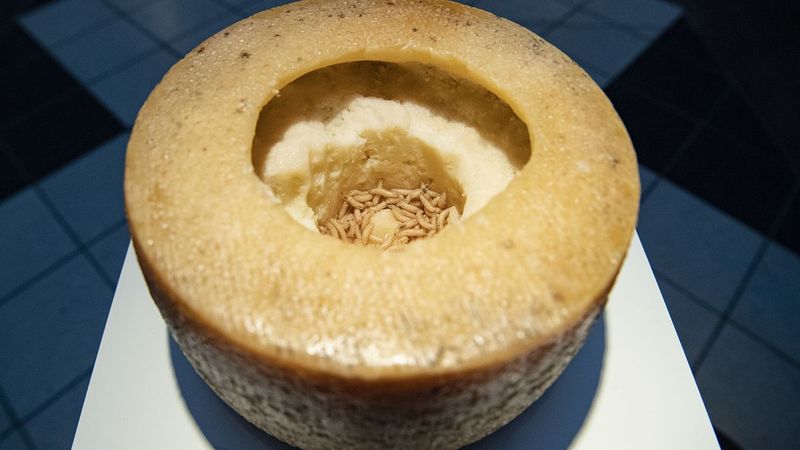
Imagine cheese so alive it literally moves on your plate. Casu marzu translates to 'rotten cheese,' and it lives up to that name with live insect larvae wriggling throughout.
Cheesemakers deliberately introduce flies to Pecorino cheese, allowing their larvae to break down the fats and create an ultra-soft, creamy texture. The maggots can actually jump several inches when disturbed, so experienced eaters often cover the cheese whilst consuming it.
This delicacy is technically illegal to sell due to health regulations, making it a true underground culinary experience.
3. Surströmming - Sweden
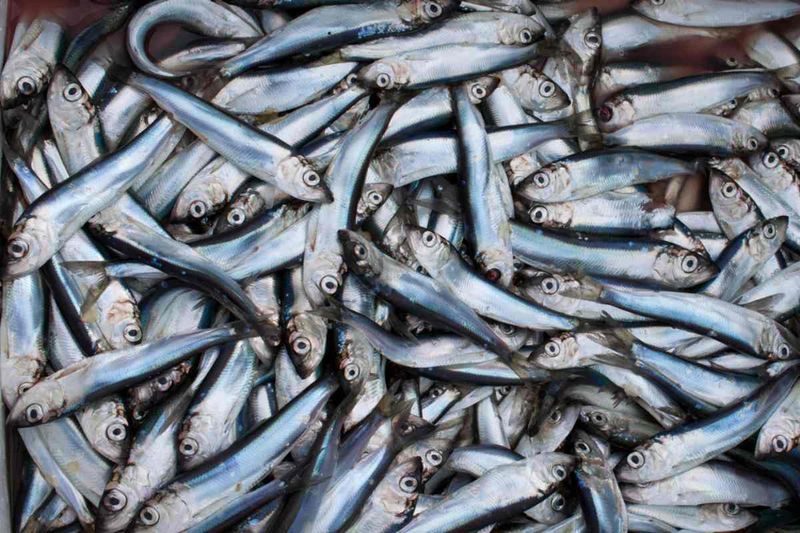
Swedish fermented herring is famous for its powerful aroma, and it definitely makes an entrance before you even take a bite. The fish is fermented and then sealed, which is why the tin can sometimes bulge from pressure.
Many people eat it with thin flatbread, boiled potatoes, and sour cream to round out the strong flavour. It’s the sort of dish that’s often opened outdoors, partly for practicality and partly out of respect for everyone’s nostrils.
Love it or fear it, it’s a classic example of Scandinavian preservation traditions turning into a cultural talking point.
4. Andouillette – France
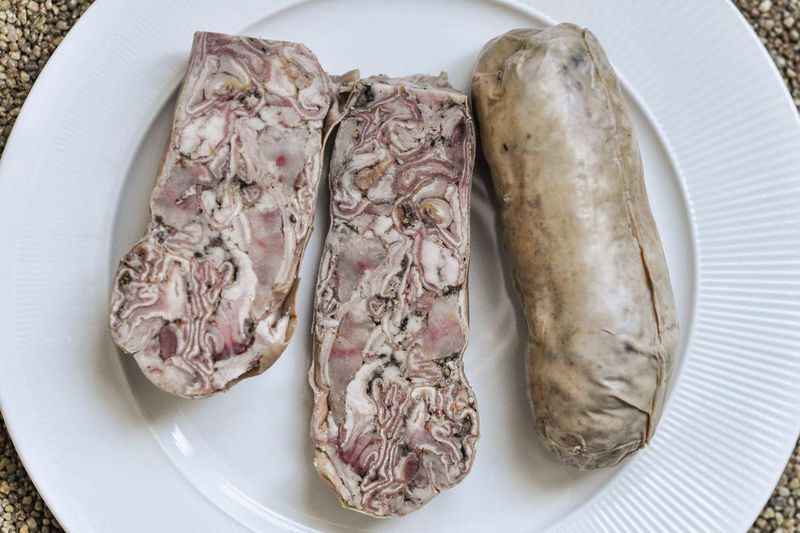
This distinctive French sausage is made using pork intestines rather than finely minced meat, giving it a bold texture and a very pronounced savoury aroma. Traditionally produced in regions such as Troyes and Lyon, it reflects France’s long-standing nose-to-tail cooking culture.
When cooked properly, the inside becomes tender and juicy while the casing crisps up beautifully on the outside. Many locals enjoy it simply with mustard and potatoes so the natural flavour can stand on its own.
It remains a dish that curious food lovers often seek out when exploring traditional French bistro menus.
5. Lutefisk – Norway
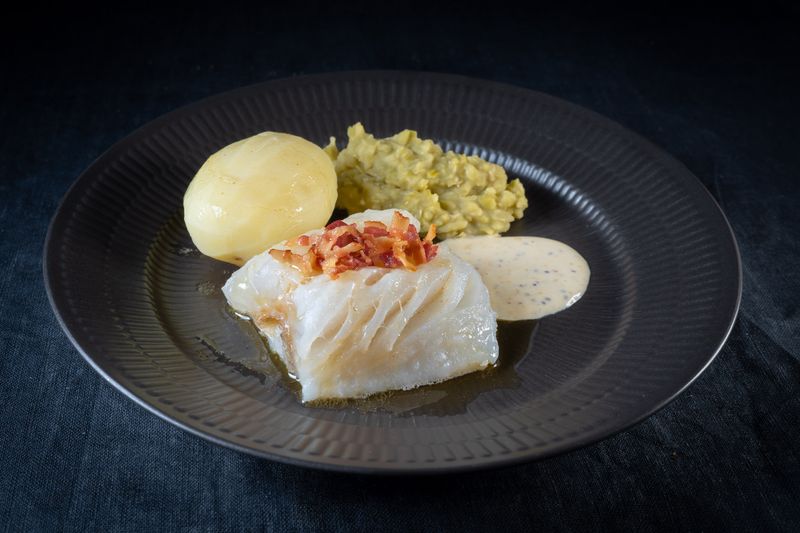
Lutefisk starts life as dried whitefish that is soaked and treated in a traditional curing process before being rehydrated for cooking. The result is a soft, almost jelly-like texture that surprises many first-time tasters.
This dish has deep roots in Scandinavian preservation methods that allowed fish to be stored through long winters. It is most commonly enjoyed during festive seasons and family gatherings, where tradition matters as much as taste.
Despite its unusual texture, it remains an important part of Norwegian food heritage and cultural identity.
6. Lampredotto - Italy

Florentines have perfected turning cow stomach into a beloved street food sandwich. The fourth stomach slow-cooks in tomato broth with vegetables until tender and deeply flavourful.
Vendors slice the tripe thinly and serve it on crusty rolls, often dipping the sandwich in the broth for extra flavour. The texture stays spongy yet tender, soaking up aromatic juices beautifully.
Green sauce made with parsley and capers typically tops it, adding brightness to the rich, meaty flavour locals adore.
7. Tête De Veau - France
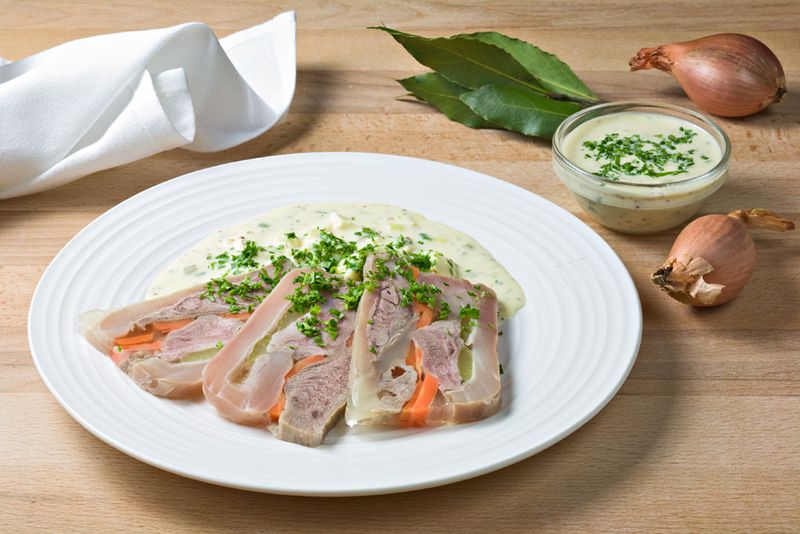
French cuisine doesn't shy away from using every part of the animal, and calf's head is a prime example. This classic dish involves slowly poaching the entire head until the meat becomes fall-apart tender.
Restaurants traditionally serve it with the tongue, brain, and cheek meat carefully arranged on a platter, accompanied by a tangy sauce gribiche made with capers and herbs. Though less common than it once was, dedicated bistros still prepare this dish with pride, honouring centuries-old French culinary traditions.
8. Rollmops - Germany

Pickled herring rolled around gherkins and onions delivers a bold, tangy flavour that has long been enjoyed in German food culture. The fish is marinated in seasoned vinegar before being neatly rolled and secured.
Its sharp acidity balances the natural richness of the herring beautifully. Often served chilled, it works well as part of a light meal or shared platter.
The dish remains popular for its refreshing bite and simple preparation.
9. Snails In Garlic Butter - France

Escargots might be the most famous unusual French dish, yet many people still can't imagine eating garden snails. The land snails get purged, cooked, and then stuffed back into their shells with copious amounts of garlic, parsley, and butter.
Baked until the butter bubbles and sizzles, they're served piping hot with special tongs and tiny forks for extracting the meat. The snails themselves have a texture similar to mushrooms with a mild, earthy flavour that mostly serves as a vehicle for that glorious garlic butter.
10. Tripe Stew - Portugal
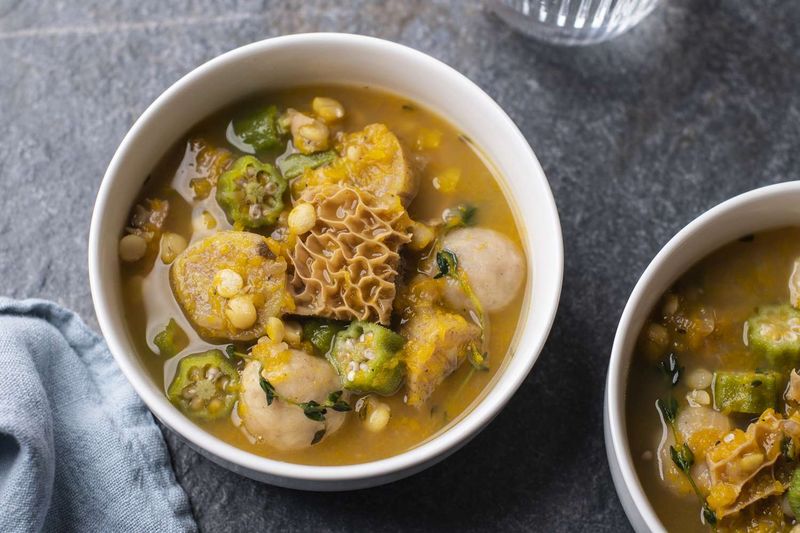
Porto claims the invention of tripas à moda do Porto, a hearty stew so beloved that Porto residents are nicknamed 'tripeiros' or tripe eaters. This dish combines beef stomach with white beans, various sausages, and sometimes chicken in a rich, spiced tomato broth.
The tripe requires hours of slow cooking to transform from rubbery to meltingly tender, absorbing all the flavours from the aromatic sauce. Locals serve it with white rice and a sprinkle of cumin on top.
According to legend, Porto residents donated all their meat to feed explorers, keeping only the tripe for themselves.
11. Jellied Eels - United Kingdom

This traditional East London dish turns chopped eels into a cold, gelatinous terrine that wobbles on the plate. The eels get boiled in a spiced stock, which naturally sets into jelly when cooled due to the collagen released from the fish.
Served chilled with vinegar, white pepper, and sometimes a bit of chilli sauce, jellied eels have a slippery texture and mild, slightly fishy flavour. Once a cheap and plentiful food for working-class Londoners, they're now harder to find as eel populations have declined.
12. Stargazy Pie - Cornwall, United Kingdom

This Cornish pie earned its whimsical name from the sardine or herring heads that poke through the pastry crust, appearing to gaze at the stars. The whole fish get baked into the pie, with their heads and tails protruding dramatically from the golden pastry.
Eggs, potatoes, and sometimes bacon accompany the fish beneath the crust, creating a hearty filling. The fish heads aren't just decorative; they allow the oils to drain back into the pie during baking, keeping it moist and flavourful.
This quirky dish celebrates the legend of Tom Bawcock, a fisherman who braved terrible storms to feed his village.
13. Kale Soup With Blood Sausage - Portugal
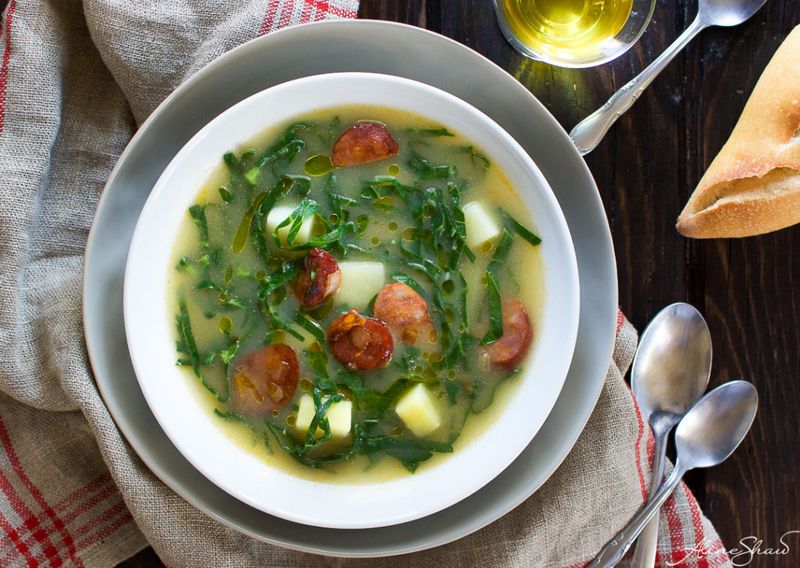
Caldo verde becomes more adventurous when Portuguese cooks add slices of blood sausage to this beloved green soup. Finely shredded kale, potatoes, and olive oil create a comforting base with deep national significance.
Rounds of morcela gently warm in the broth, releasing rich, spiced flavours that add depth and contrast to the fresh greens. Served with crusty bread, this hearty variation feels more substantial while still preserving the rustic character that defines the dish.
14. Fried Cod Tongues - Norway

Despite their name, these aren't actually tongues but rather the gelatinous bit of flesh cut from beneath a cod's chin. Norwegian coastal communities have been frying these delicate morsels for generations, treating them as a prized delicacy.
Lightly breaded and pan-fried until golden, they have a tender, almost creamy texture that's quite different from regular fish fillets. The flavour is mild and sweet, with a buttery quality that melts on your tongue.
Fishermen often keep the tongues for themselves rather than selling them, considering them a special treat.
15. Ox Tongue In Rich Savoury Sauce – Belgium
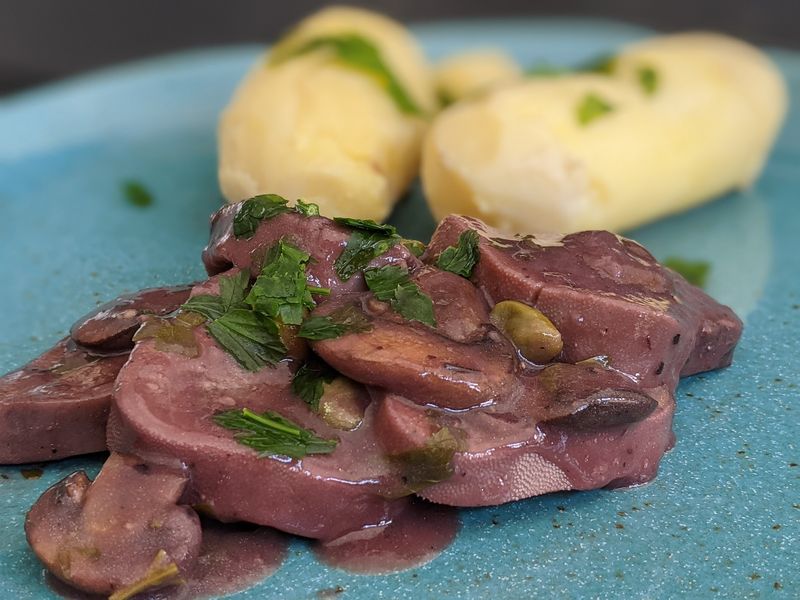
Slow-cooked ox tongue becomes incredibly tender and absorbs deep savoury flavours as it simmers gently. The meat develops a silky texture with a rich beef character that feels comforting and satisfying.
A well-balanced sauce enhances the natural depth without overpowering the dish itself. Traditionally served with simple sides, it creates a meal that feels both homely and elegant.
This preparation reflects how classic Belgian cooking values patience, careful technique, and full use of ingredients.
16. Fried Pig's Ears - Spain

Spanish tapas bars serve these crispy treats alongside more conventional offerings, and adventurous diners quickly discover why they're so addictive. The ears get boiled first to tenderise them, then sliced thinly and fried until they achieve a satisfying crunch.
The result is something like a meatier, chewier version of pork crackling, with layers of cartilage providing textural interest. Often seasoned simply with sea salt and paprika, they're sometimes served with aioli for dipping.
The ears contain mostly skin and cartilage, making them gelatinous when cooked but wonderfully crispy when fried properly.
17. Nettle Soup - Ireland

Irish cooks have long turned to foraged nettles for this vibrant green soup that tastes far better than you'd imagine. Young nettle leaves get picked in spring before they become too tough, then cooked down with potatoes, onions, and stock.
Cooking destroys the stinging properties, leaving behind a flavour similar to spinach but earthier and more complex. The soup has a beautiful bright green colour and silky texture when blended smooth.
Rich in vitamins and minerals, nettles were historically eaten as a spring tonic to combat winter's nutritional deficiencies. Modern Irish chefs have revived this traditional dish, celebrating foraged ingredients and connecting contemporary cuisine to ancient culinary wisdom.
18. Calf's Liver Venetian Style - Italy

Thinly sliced calf’s liver cooks quickly alongside gently softened onions. Careful heat keeps the meat tender while preserving its delicate flavour.
The onions bring sweetness that balances the liver’s richness beautifully. Served with creamy polenta, the dish feels hearty yet refined.
It remains a cherished example of traditional Venetian cooking.
19. Brain Fritters - Italy

Cervella fritta appears on menus throughout Italy, particularly in Rome and Milan, where offal cookery remains respected. Lamb or veal brains get blanched first to firm them up, then coated in seasoned flour or breadcrumbs before being deep-fried until golden.
The result is a crispy exterior giving way to an incredibly creamy, almost custard-like interior with a delicate, mild flavour. Served hot with lemon wedges, they're surprisingly addictive despite their unusual origin.
The texture is what makes brain fritters special; nothing else in the culinary world quite matches that combination of crispy outside and silky-smooth inside.
20. Cockscombs - France
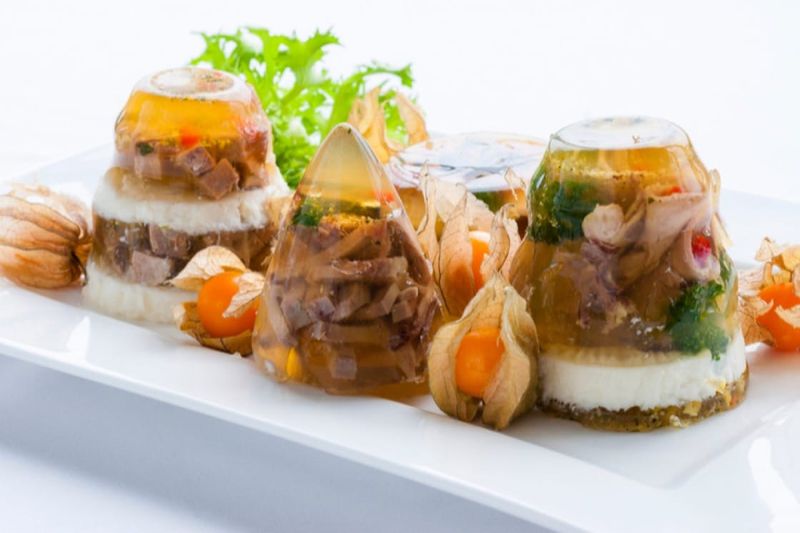
French haute cuisine has long included cockscombs as a delicacy in classic dishes. The fleshy crest is carefully blanched, peeled, and slowly braised in rich sauces until tender.
Its gelatinous texture absorbs surrounding flavours rather than contributing much taste of its own. Traditionally used as a garnish in vol-au-vents and elaborate meat dishes, it added visual flair and texture.
Rarely seen today, cockscombs still appear in specialist restaurants celebrating historic French cooking and forgotten techniques.