











Weather forecasts indicate that parts of the UK may see further snowfall later this week, which can affect deliveries to some supermarkets, particularly in rural and higher-altitude areas. When transport routes become slower or temporarily restricted, short-life products such as milk are often among the first items to experience reduced availability.
Shopping slightly earlier than usual can help households avoid inconvenience while allowing stores to manage stock more smoothly during changing conditions.
This content is for general information only. Local weather conditions, store availability, delivery schedules, and product availability may vary by location and retailer.
Images are for illustrative purposes only.
Snow Forecasts Can Disrupt Fresh Food Deliveries
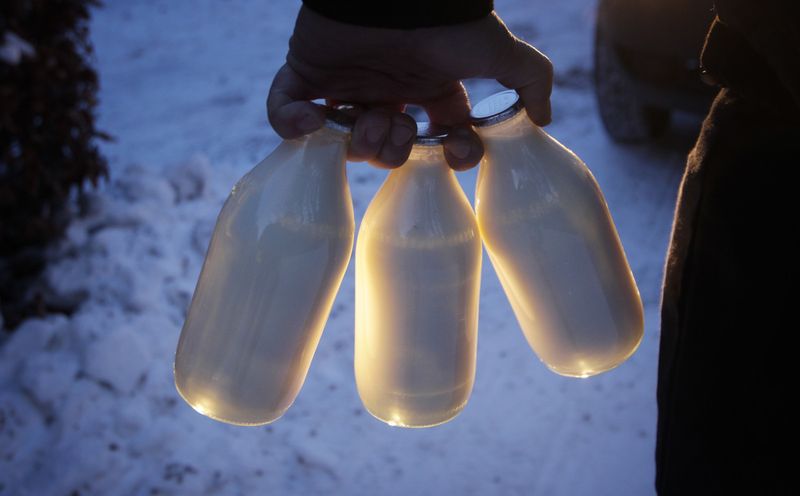
Snow and icy conditions can slow delivery schedules, limit access to depots, and make some roads difficult for heavy vehicles to use safely. This is particularly relevant in northern England and Scotland, where weather forecasts have highlighted an increased chance of snow later in the week.
Milk depends on frequent replenishment due to its shorter shelf life, meaning even brief transport delays can lead to temporary gaps on shelves. Recent winter conditions in parts of Scotland showed how quickly everyday items became harder to find when snowfall lasted several days, especially in communities with fewer nearby distribution centres.
Practical Ways To Prepare Without Overbuying
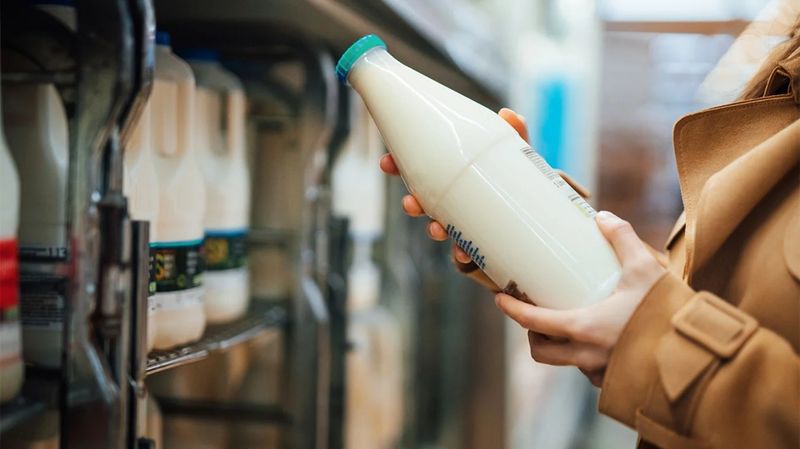
Buying slightly ahead of time helps reduce last-minute trips if weather conditions worsen, but responsible planning remains important. Keeping a modest supply of everyday essentials such as milk, bread, and long-life foods can provide flexibility without placing unnecessary pressure on local stock levels.
Emergency planning guidance also encourages households to have simple items ready at home, including drinking water, torches, spare batteries, and phone charging options. Monitoring local weather updates and travel guidance allows shoppers to make calm, informed decisions rather than reacting to uncertainty.