













Many British dishes taste like memories, passed down through handwritten recipes and well-worn pans. Grandparents cooked with instinct, patience, and whatever was already in the cupboard.
Today, those same meals often get a lighter touch or a creative update without losing their soul. Curious how familiar favourites have quietly evolved over time?
This article explores food traditions and modern adaptations for general interest. Cooking methods and interpretations may vary by household and region.
1. Traditional Ways Grandparents Cooked British Dishes
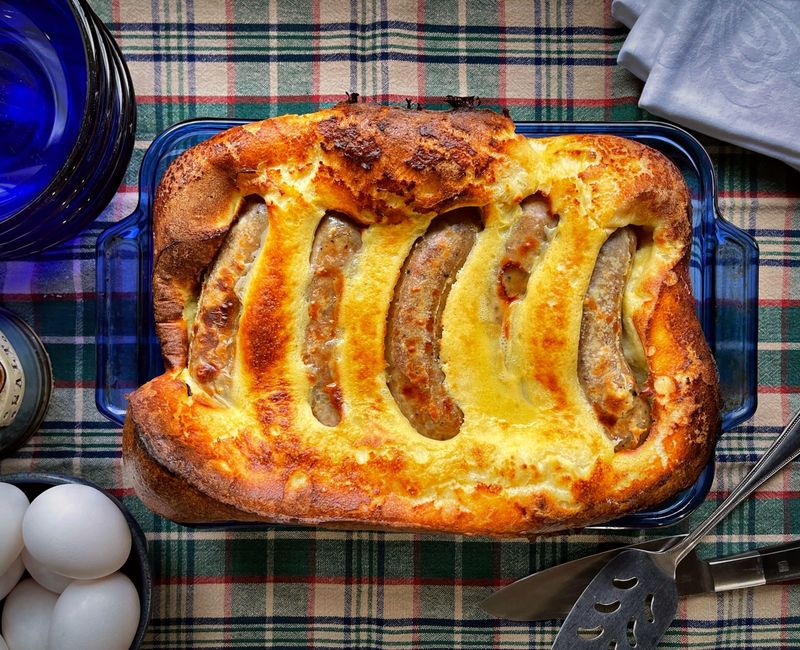
British cooking traditions were shaped by patience, practicality, and making the most of simple ingredients. These dishes were cooked by instinct, with techniques passed down through family kitchens rather than written instructions.
The next ten slides show traditional ways grandparents cooked British dishes at home.
2. Roast Beef And Yorkshire Pudding
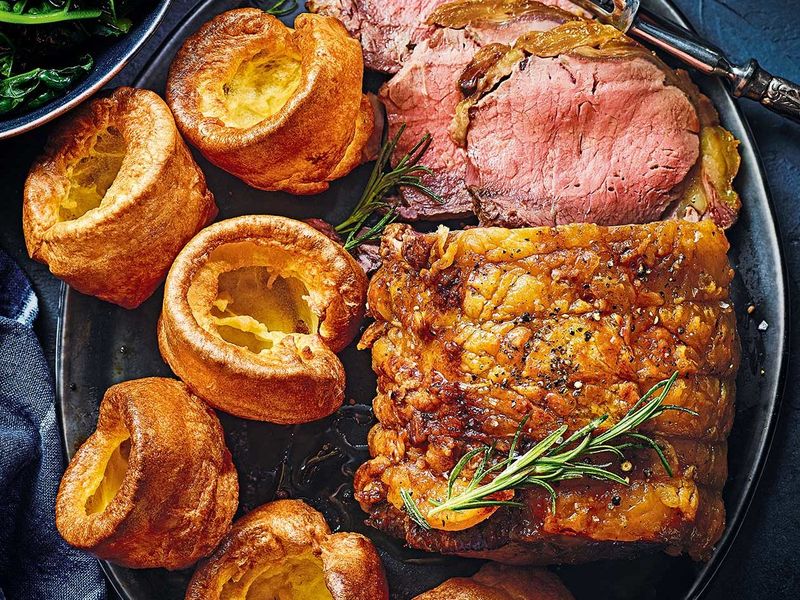
Sunday wouldn't be Sunday without this classic combination that defined British family meals for generations. Grandparents roasted beef slowly in the oven, basting it regularly with its own juices to keep it tender and flavourful.
The Yorkshire puddings were made from a simple batter of eggs, flour, and milk, poured into sizzling hot beef dripping. Everything came together with rich gravy made from the meat's pan juices, creating a meal that brought the whole family to the table.
3. Shepherd's Pie
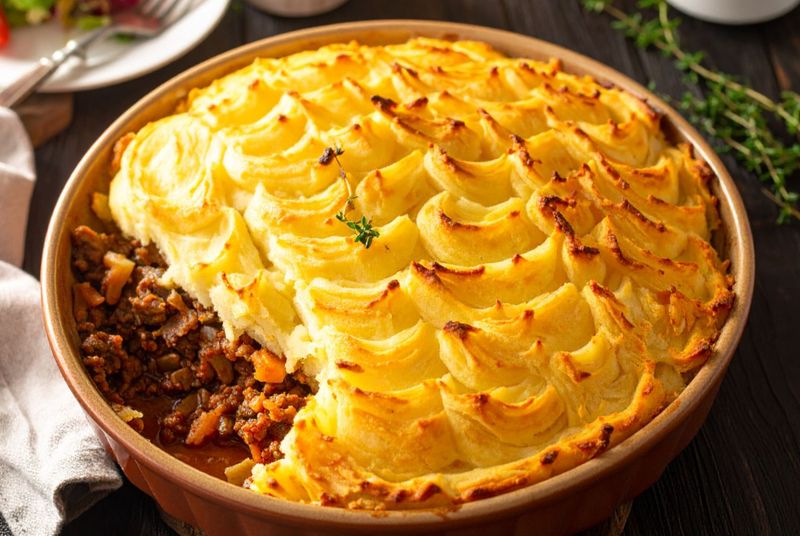
This hearty dish used leftover lamb from the Sunday roast, minced and cooked with onions, carrots, and gravy. Grandmothers knew how to stretch ingredients, turning yesterday's dinner into today's comforting meal without wasting a scrap.
The mashed potato topping was piped or forked on top, creating ridges that turned golden and crispy in the oven. Every family had their own special touch, whether adding a pinch of nutmeg or an extra knob of butter.
4. Bangers And Mash
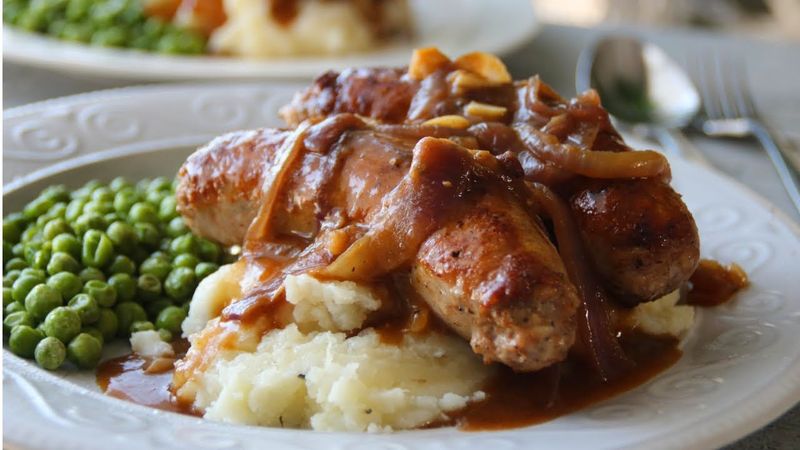
Simple pork sausages served atop fluffy mashed potatoes with lashings of onion gravy made this a weeknight favourite in households across Britain. The name 'bangers' came from wartime sausages that would pop and burst in the pan due to their high water content.
Grandparents cooked the sausages slowly in a frying pan, turning them carefully to achieve an even golden brown. The gravy was essential, made by slowly caramelising onions until sweet and tender.
5. Fish And Chips
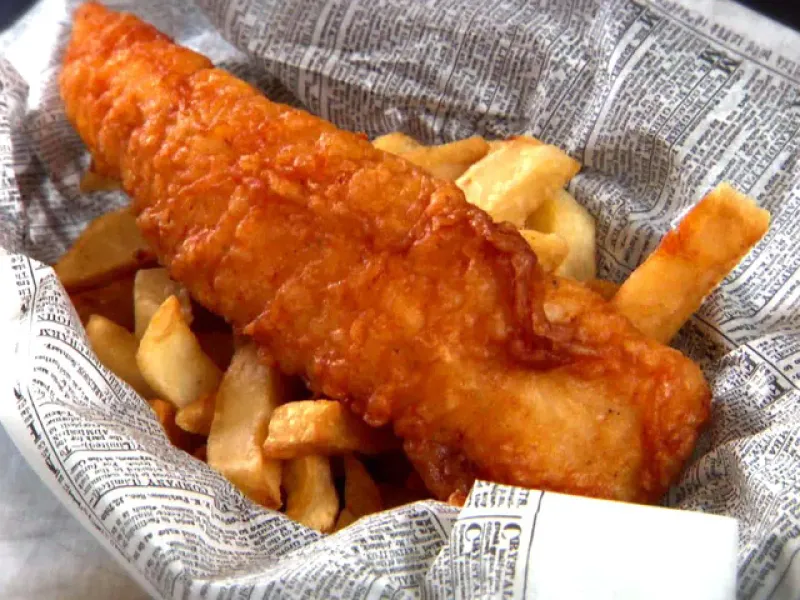
Friday nights often revolved around this comforting favourite, either collected from the local chippy or cooked at home. The fish was coated in a simple batter and fried until crisp, locking in moisture and flavour.
Beef dripping gave the coating its distinctive crunch and rich taste that people still remember fondly. Chips were cut thick and cooked until fluffy inside with a golden exterior.
Finished with salt and malt vinegar, it was unfussy food done properly.
6. Corned Beef Hash
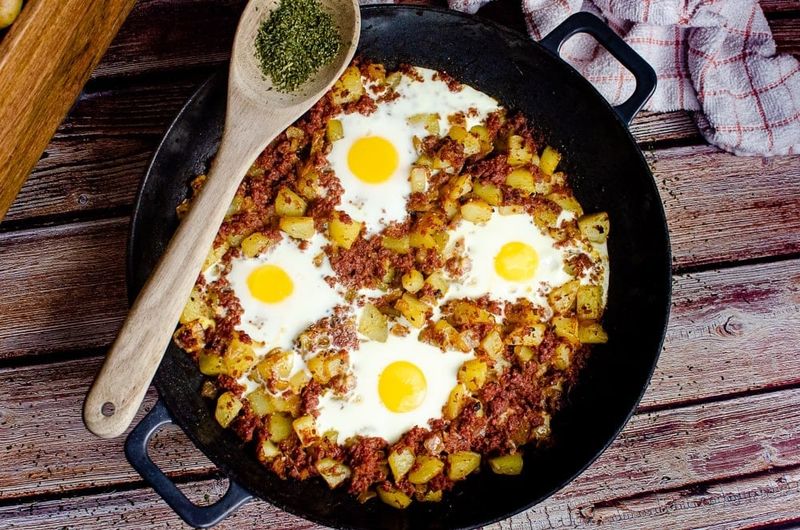
Tinned corned beef transformed into a satisfying meal when mixed with diced potatoes and onions, all fried together until crispy. This was budget cooking at its finest, popular during rationing and remaining a family favourite long afterwards.
The secret was patience, letting the mixture sit undisturbed in the pan to develop those delicious crispy bits on the bottom. Grandparents often topped it with a fried egg, making it stretch even further whilst adding protein.
7. Steak And Kidney Pie
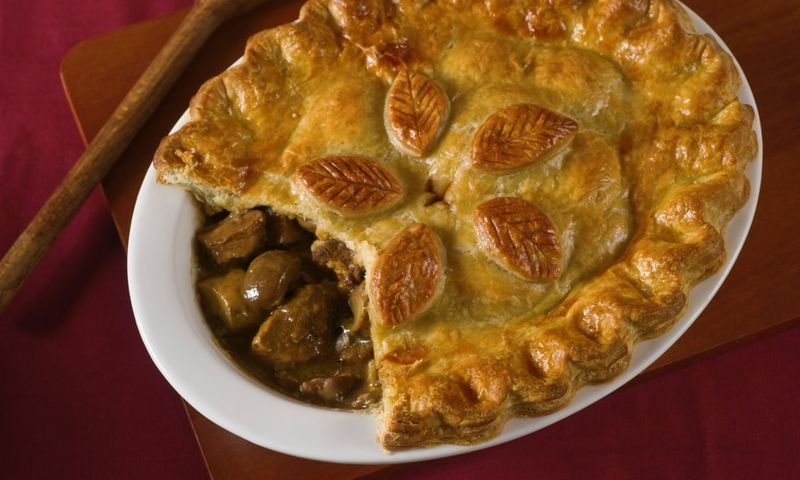
Rich beef steak and kidney pieces were slow-cooked in gravy until meltingly tender, then topped with shortcrust or suet pastry. This pie represented proper British cooking, using every part of the animal and creating something truly special from humble ingredients.
The filling needed hours of gentle simmering to break down the meat's fibres and develop deep, savoury flavours. Grandmothers often made their own pastry, rolling it out on flour-dusted tables with well-worn rolling pins.
8. Toad In The Hole
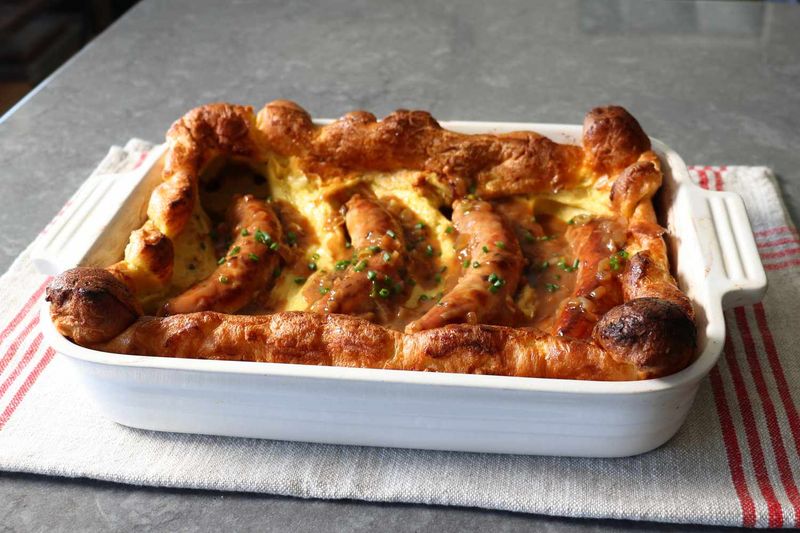
Pork sausages nestled in Yorkshire pudding batter created this whimsically named dish that delighted children and adults alike. The batter would puff up dramatically around the sausages, creating crispy edges and soft centres that soaked up plenty of gravy.
Grandparents knew the trick was getting the fat smoking hot before adding the batter, ensuring that signature rise. Served with onion gravy and vegetables, it was economical yet utterly satisfying on cold evenings.
9. Beef Stew
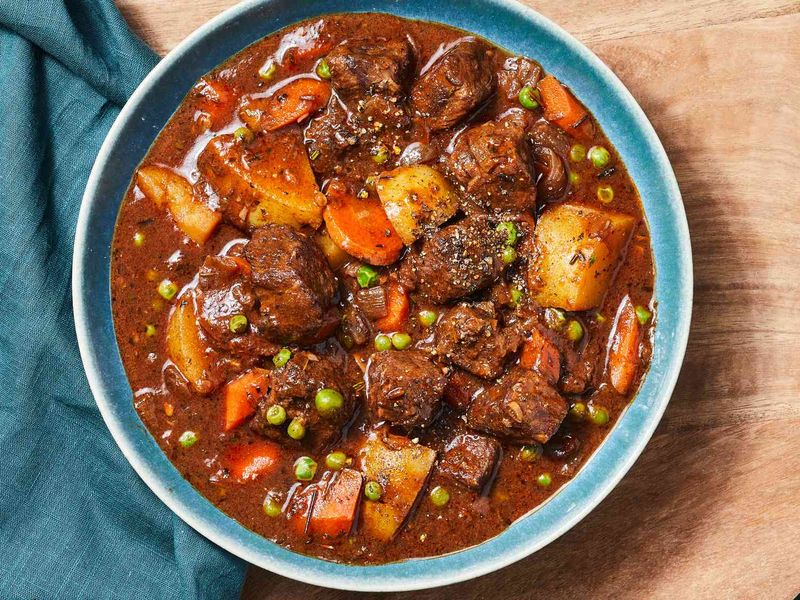
Chunks of beef, potatoes, carrots, and onions simmered together for hours created a one-pot wonder that filled the house with mouthwatering aromas. Grandparents used tougher, cheaper cuts of beef that became tender through long, slow cooking on the stovetop.
The stew thickened naturally as it cooked, or sometimes a bit of flour was stirred through the meat before adding liquid. Served with crusty bread for mopping up every drop, it was winter comfort in a bowl.
10. Bread And Butter Pudding
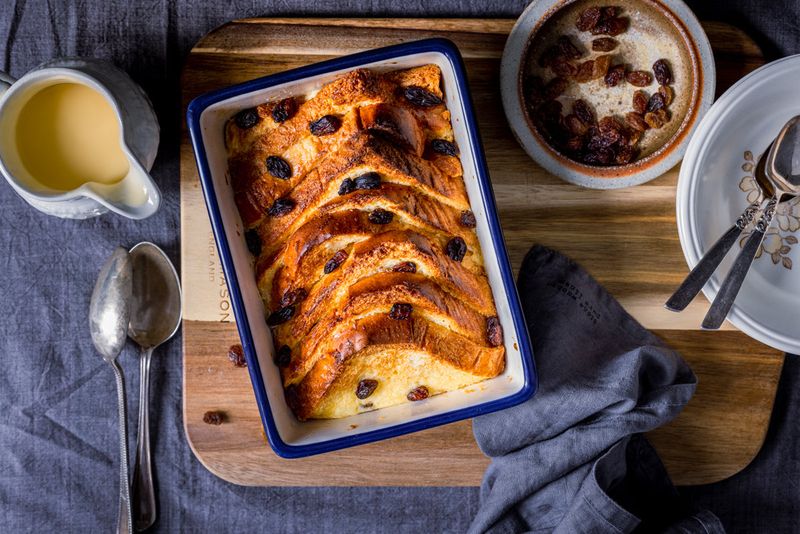
Stale bread never went to waste when it could become this custardy dessert layered with butter, sugar, and dried fruit. Grandmothers arranged buttered bread slices in a dish, scattered sultanas between the layers, then poured over a mixture of eggs, milk, and sugar.
After baking until golden and slightly crispy on top whilst remaining soft underneath, it emerged from the oven smelling of vanilla and cinnamon. Served warm with a drizzle of cream, it was thrifty baking at its most delicious.
11. Full English Breakfast
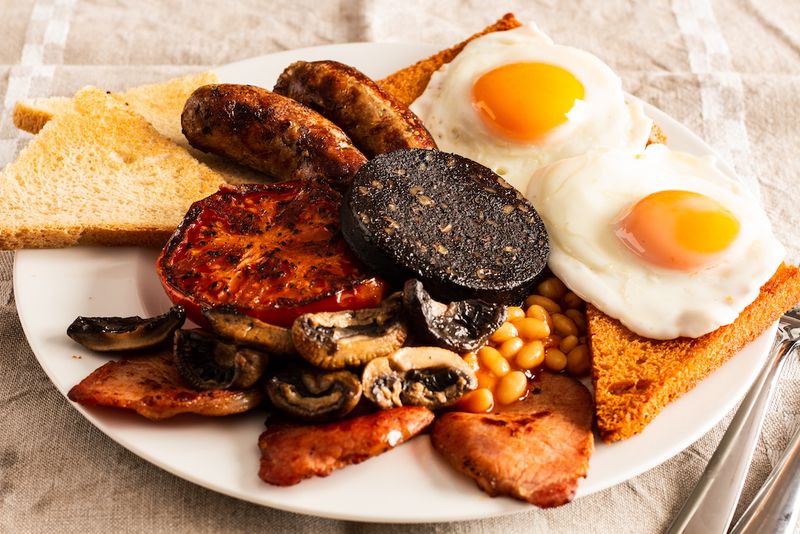
Bacon, sausages, eggs, baked beans, mushrooms, tomatoes, and fried bread filled the plate in this legendary British breakfast. Everything was fried in the same pan, with each element adding its flavour to the next as grandparents worked their way through the components.
The eggs were fried in the bacon fat, the bread soaked up all those delicious juices, and nothing was grilled or considered 'healthy'. It was fuel for a hard day's work, hearty and unapologetically indulgent.
12. Modern Twists On British Dishes
Modern British cooking keeps the comfort of familiar meals while updating flavours, techniques, and presentation. Lighter methods and small creative changes have reshaped how these classics appear on today’s tables.
The next ten slides show modern twists on British dishes that still respect their roots.
13. Slow-Roasted Beef With Seasonal Vegetable Sides
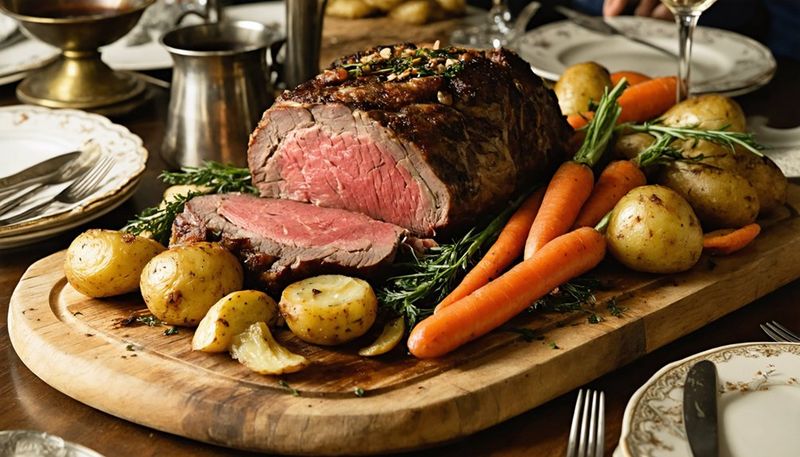
Today's cooks embrace lower oven temperatures and longer cooking times, resulting in incredibly tender beef that practically falls apart. Rather than constant basting, the joint rests on a bed of roughly chopped vegetables that flavour the meat whilst catching the juices.
Seasonal vegetables are roasted separately, celebrating whatever's freshest rather than sticking to the traditional trio. The presentation is lighter and more colourful, though the fundamental comfort of roast beef remains unchanged and thoroughly satisfying.
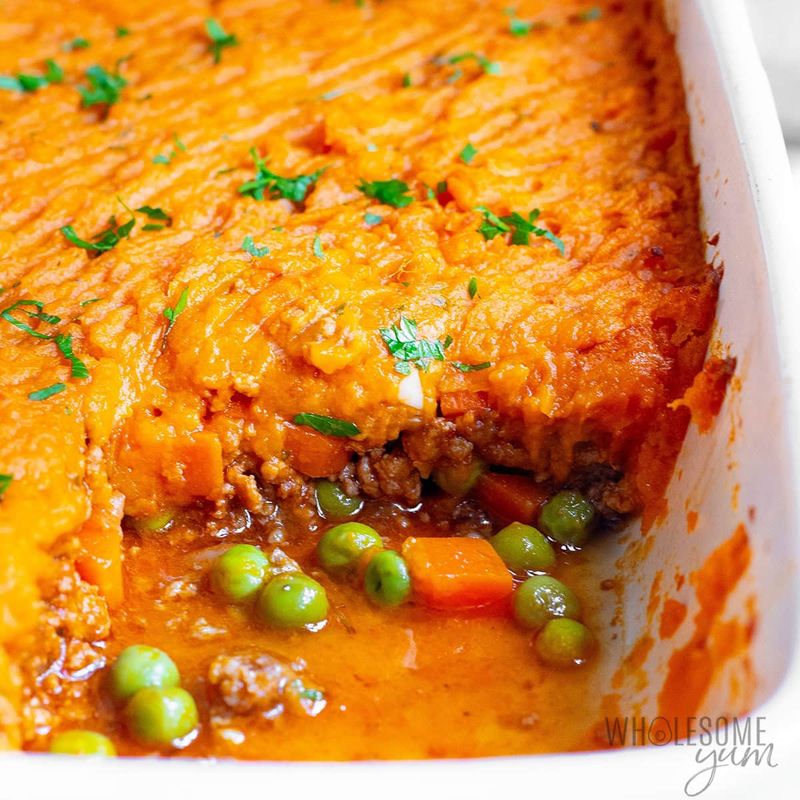
14. Shepherd's Pie With Sweet Potato Topping
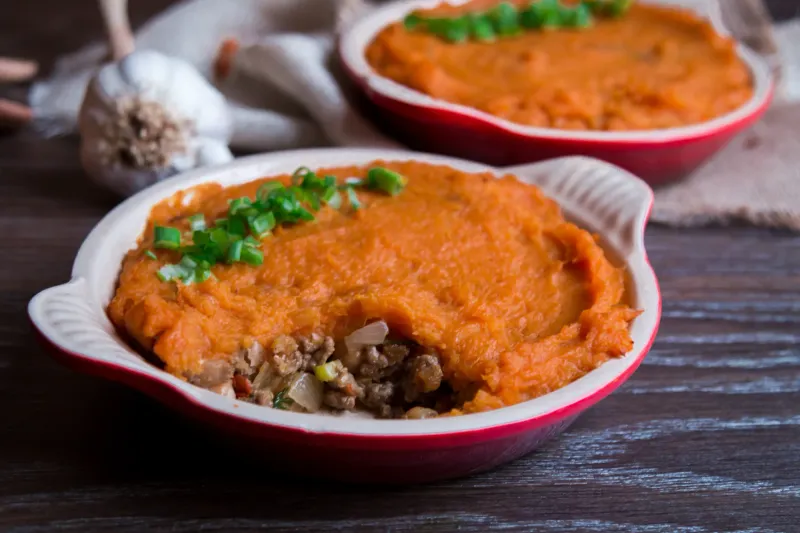
This modern update swaps the usual topping for something naturally sweeter and lighter. The filling is gently cooked with herbs and vegetables to keep the flavour familiar but slightly fresher.
Some cooks blend sweet and regular potato for balance and texture. Parsnip or carrot is sometimes added for extra depth without overpowering the dish.
It keeps the comfort while giving the classic a softer, more colourful finish.
15. Gourmet Sausages With Flavoured Mash
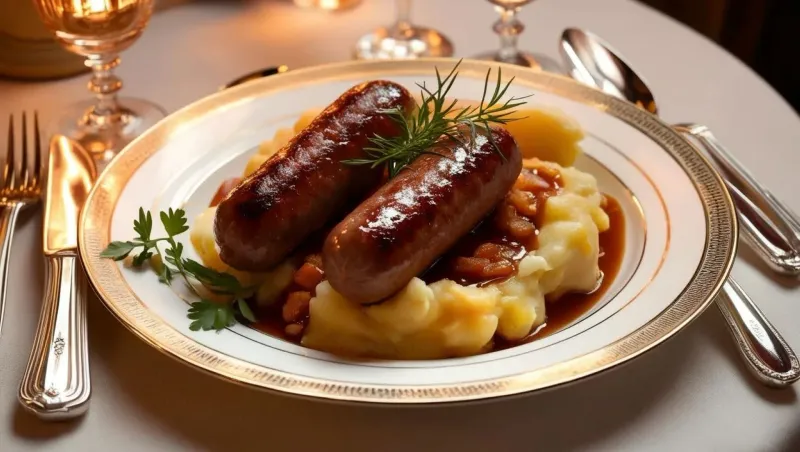
Artisan sausages made with rare breed pork, wild boar, or venison have elevated this simple dish into something special. Modern butchers create flavour combinations like apple and cider, or pork with caramelised onion, that grandparents never imagined.
The mash might be infused with wholegrain mustard, spring onions, or even truffle oil for sophistication. Whilst the concept remains familiar, the execution reflects contemporary tastes and the wider variety of quality ingredients now available to home cooks.
16. Baked Fish With Chunky Oven Chips
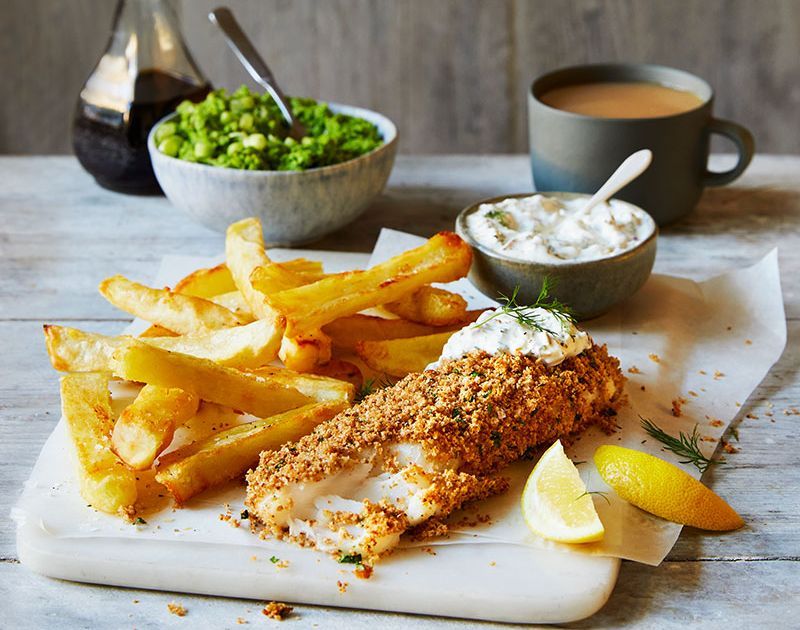
Baking rather than deep-frying creates a healthier version that still delivers on flavour and satisfaction. The fish is coated in breadcrumbs mixed with lemon zest and herbs, then baked until golden whilst remaining moist inside.
Chunky chips are tossed in a minimal amount of oil and roasted until crispy, achieving similar results to traditional frying with far less fat. Served with mushy peas and tartare sauce, it honours the original whilst fitting modern dietary preferences perfectly.
17. Crispy Corned Beef Hash With Fried Eggs
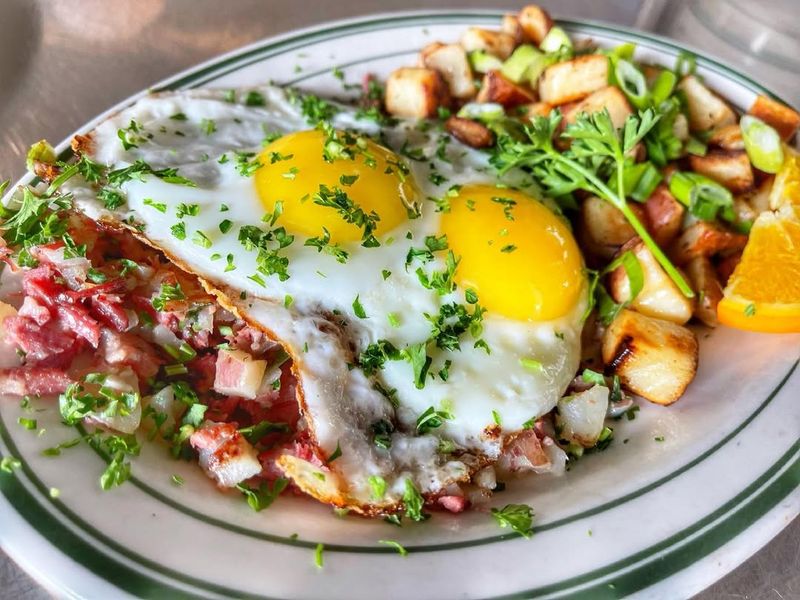
Contemporary versions use fresh corned beef from the butcher rather than tinned, creating a more refined texture and flavour. The potatoes might be waxy salad varieties that hold their shape better, and fresh herbs like parsley and chives add brightness.
Cooked in a cast iron skillet for maximum crispiness, it's finished with perfectly fried eggs with runny yolks that sauce the hash. Sometimes avocado or roasted peppers join the mix, adding colour and nutrition without losing the dish's essential heartiness.
18. Steak Pie With Modern Pastry Variations
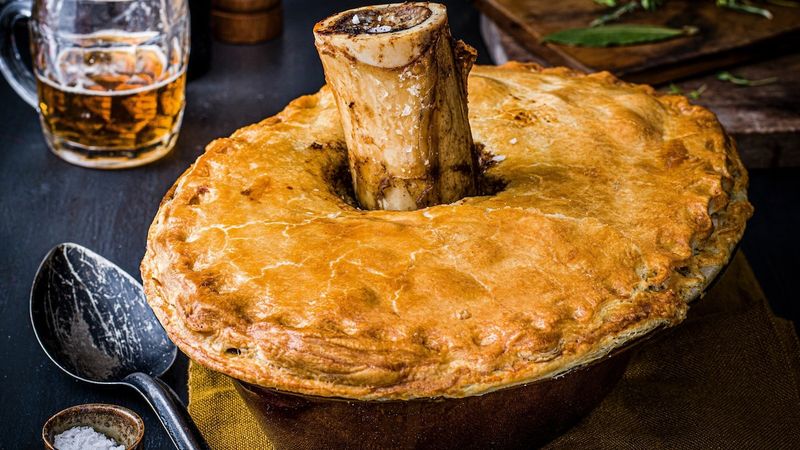
Whilst the filling remains traditional, modern bakers experiment with puff pastry lattice tops or rough puff made with butter for superior flavour. Some skip the bottom crust entirely, topping the filling with pastry to reduce heaviness and showcase the meat.
The kidney is often omitted or reduced for those with more delicate palates, though the beef is still slow-cooked until tender. Craft ales replace plain water in the gravy, adding complex flavours that complement rather than overpower the meat.
19. Individual Toad In The Hole Portions

Baked in muffin tins or individual Yorkshire pudding moulds, these single-serve versions are perfect for portion control and look impressive on the plate. Each person gets their own perfectly risen pudding with a premium sausage nestled inside.
Gourmet sausages with interesting flavours work brilliantly here, and the smaller size means the batter crisps up even more beautifully. They're ideal for dinner parties, allowing you to serve traditional British food with a contemporary presentation that feels special and considered.
20. Slow-Cooked Beef Stew With Updated Vegetables
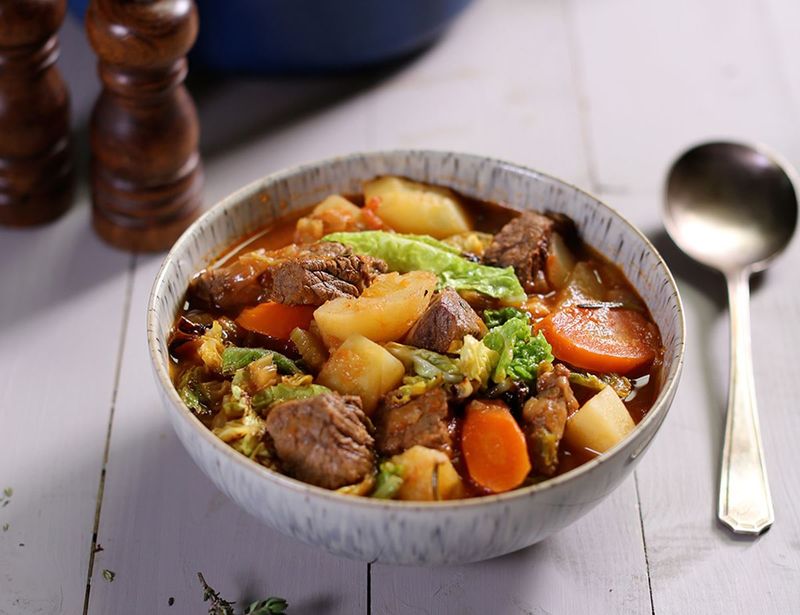
Slow cookers have revolutionised this classic, allowing the stew to cook unattended for eight hours whilst you're at work. Modern versions include vegetables like butternut squash, celeriac, or heritage carrots that add colour and different textures.
Fresh herbs are stirred through at the end rather than cooked for hours, keeping their flavour bright and distinct. Some cooks add a splash of balsamic vinegar or Worcestershire sauce for depth, proving that traditional dishes benefit from thoughtful updates and contemporary techniques.
21. Brioche Bread And Butter Pudding
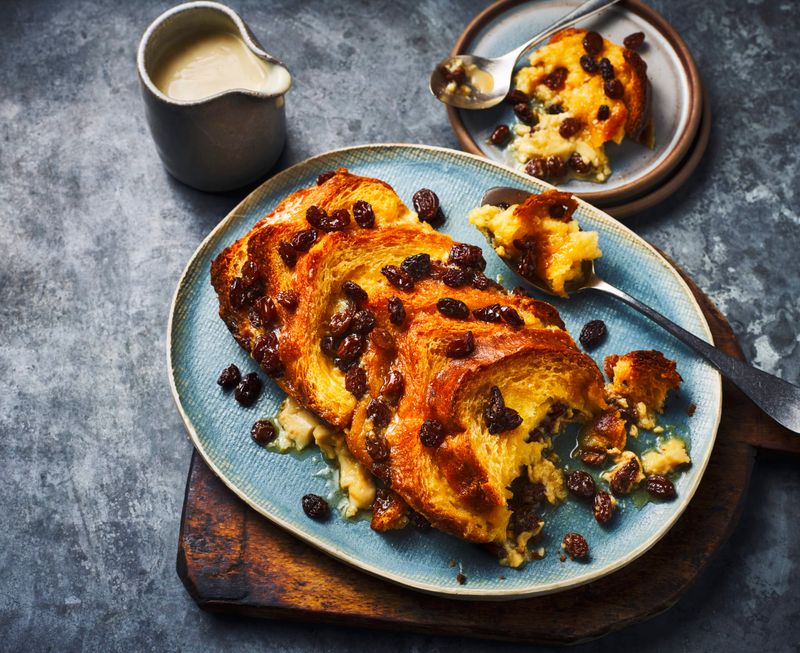
Rich brioche replaces plain white bread, creating a more luxurious pudding with a softer, more delicate texture. Dark chocolate chips, orange zest, or even salted caramel might join the traditional sultanas, appealing to contemporary tastes.
Individual portions baked in ramekins look elegant and solve the problem of getting equal amounts of crispy top and soft middle. Served with vanilla ice cream or crème anglaise rather than plain cream, it's nostalgic comfort elevated to dinner party standard without losing its soul.
22. Lighter Full English With Grilled Elements
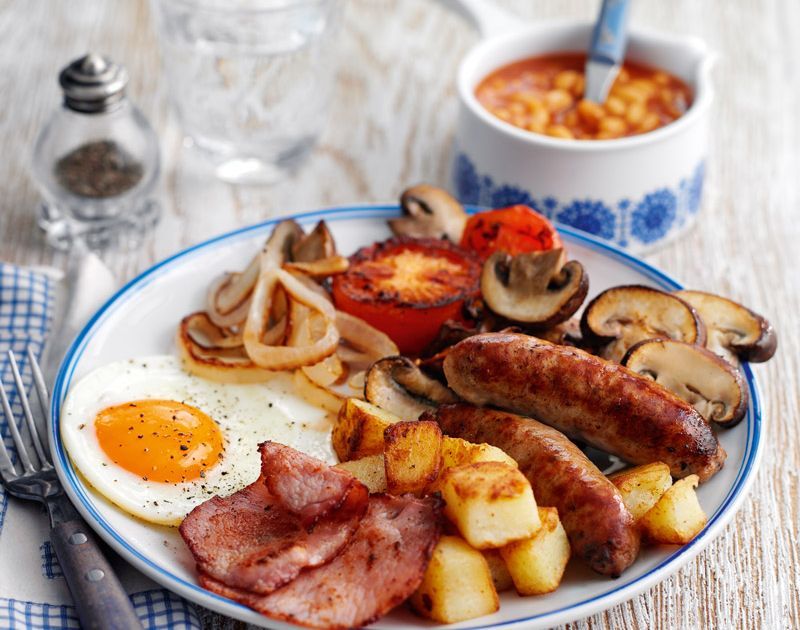
Grilling bacon and sausages rather than frying dramatically reduces the fat content whilst still delivering satisfying flavour and texture. Eggs are poached or scrambled with a splash of milk, and the fried bread is replaced with wholegrain toast.
Spinach or kale might appear alongside the traditional mushrooms and tomatoes, adding nutrients and colour. It's still recognisably a full English, just adapted for people who want to enjoy this British classic without the guilt or heaviness of the traditional version.



