













Honey has fascinated people for centuries, blending natural sweetness with cultural tradition and culinary creativity. Beyond stirring it into tea or drizzling it over toast, this golden ingredient carries unexpected stories and uses.
Many households keep honey close at hand without realising how unique its production and properties truly are. Its journey from hive to jar involves remarkable cooperation within the natural world.
Which of these lesser-known details about honey have you already heard about, and which ones might catch you completely off guard?
Honey varieties, flavour profiles, and availability can differ depending on region and seasonal production. Information is provided for general interest only.
1. Honey Naturally Has A Very Long Shelf Life
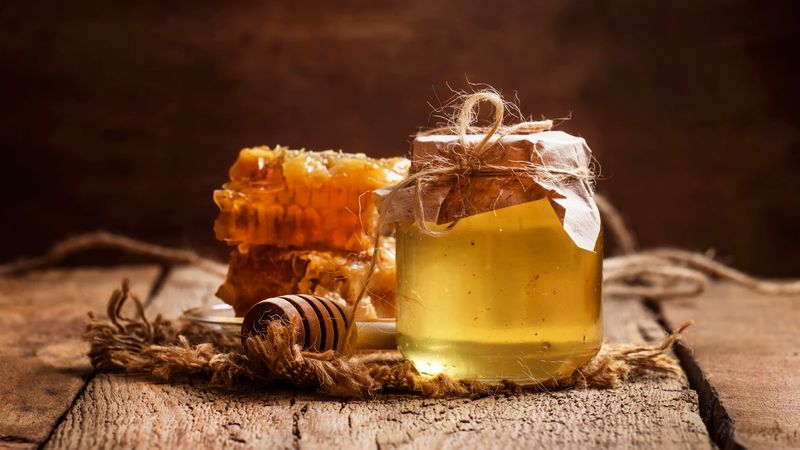
Archaeologists have discovered pots of honey in Egyptian tombs that are over 3,000 years old and still perfectly edible. The secret lies in honey's unique chemistry: it contains very little water and is naturally acidic, creating an environment where bacteria and microorganisms simply cannot survive.
When stored properly in a sealed container, honey can last indefinitely without spoiling. This remarkable preservation ability has made it valuable throughout human history, both as food and as a natural preservative for other items.
2. Honey Is Made When Bees Convert Nectar Through Enzymes
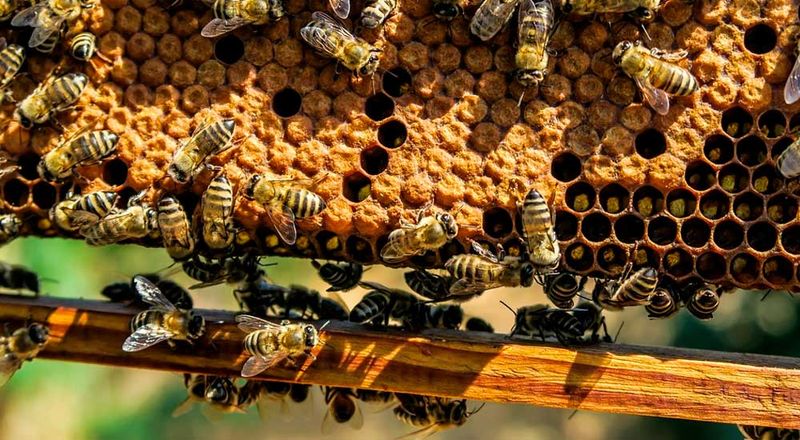
Bees don't just collect honey from flowers - they actually manufacture it through an amazing biological process. Worker bees gather nectar and store it in a special stomach where powerful enzymes begin breaking down complex sugars into simpler ones.
Back at the hive, bees pass the nectar between themselves, adding more enzymes with each transfer. They then deposit it into honeycomb cells and fan their wings vigorously to evaporate excess moisture, transforming watery nectar into thick, sweet honey.
3. Honey Can Vary In Colour And Flavour Depending On Flower Sources
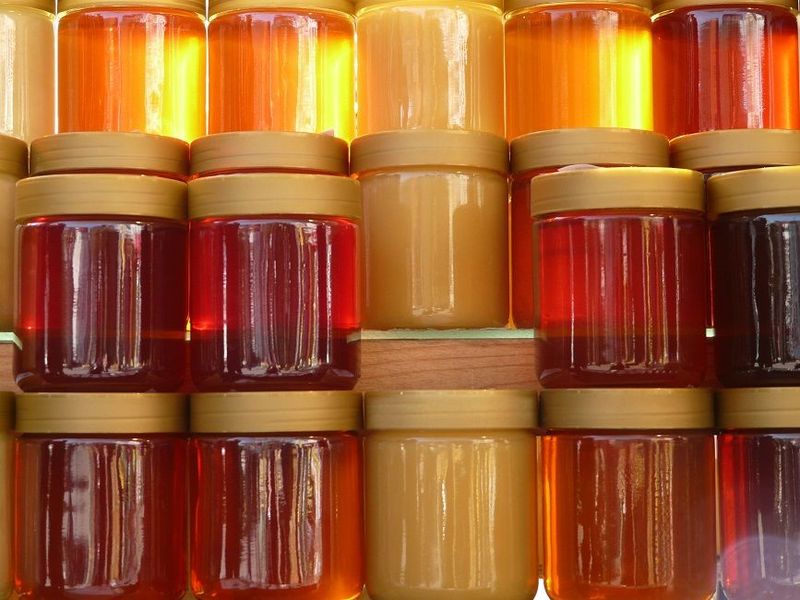
Not all honey looks or tastes the same, and the difference comes down to which flowers the bees visit. Light-coloured honey, like acacia or clover, tends to be mild and delicate in flavour.
Darker varieties, such as buckwheat or manuka, offer richer, more robust tastes.
The nectar's chemical composition varies between plant species, affecting everything from sweetness to aroma. Some honey even carries hints of the flowers themselves, creating a truly unique tasting experience with every jar.
4. Honey Contains Natural Antioxidants
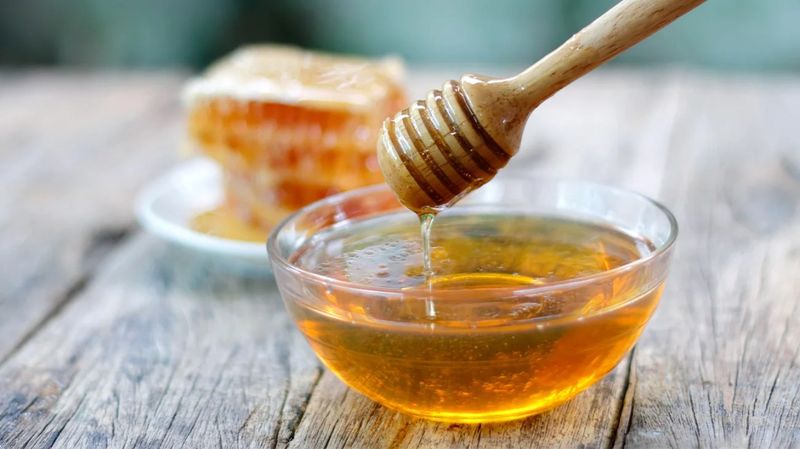
Beyond its delicious taste, honey packs a nutritional punch with naturally occurring antioxidants called phenolic compounds. These substances help protect your body's cells from damage caused by harmful molecules known as free radicals.
Darker honey varieties typically contain higher levels of these beneficial antioxidants than lighter ones. Whilst honey shouldn't replace fruits and vegetables as your main antioxidant source, it does offer a sweet bonus alongside its other qualities when enjoyed as part of a balanced diet.
5. Honey Has Been Used In Food And Preservation For Thousands Of Years
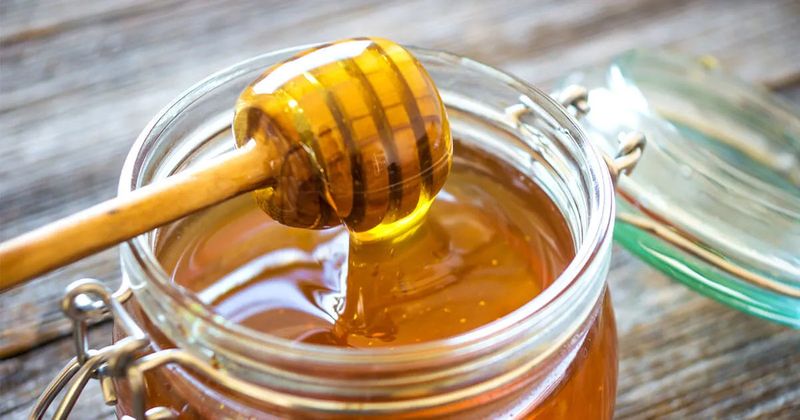
Long before modern refrigeration, people relied on natural ingredients to help extend the life of their food. Ancient civilisations discovered that honey could help preserve fruits and other ingredients thanks to its low moisture content and natural acidity.
Historical records show that Egyptians used honey in cooking, food storage, and ceremonial practices. Over time, cooks across Europe and the Middle East used it to sweeten dishes and help preserve seasonal produce.
Its lasting popularity shows how one natural ingredient managed to support both flavour and practicality across generations.
6. Honey Can Crystallise Naturally Over Time
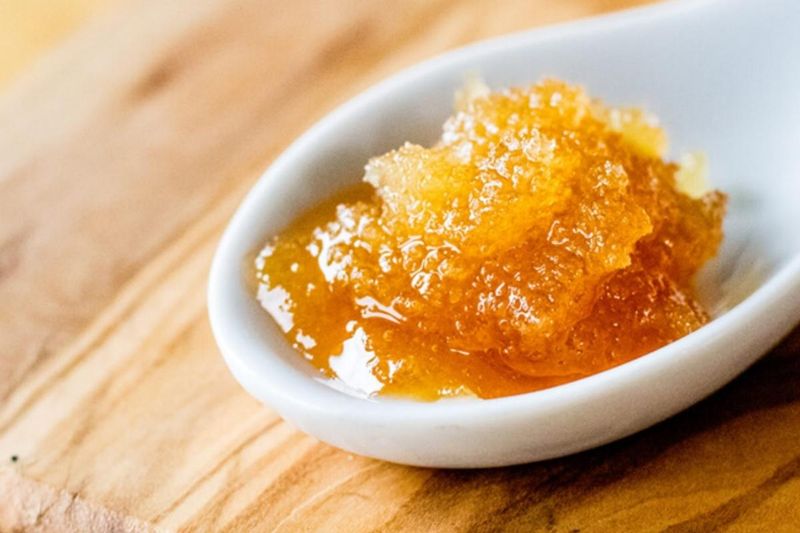
If your honey has turned thick and grainy, don't worry - it hasn't gone bad. Crystallisation is a completely natural process that occurs when glucose molecules in honey separate from water and form crystals.
Some varieties crystallise quickly whilst others remain liquid for ages.
Temperature plays a big role too; honey stored in cooler conditions tends to crystallise faster. You can easily return crystallised honey to its liquid state by gently warming the jar in warm water, though many people actually prefer the spreadable texture of crystallised honey.
7. Bees Must Visit Thousands Of Flowers To Produce Small Amounts Of Honey
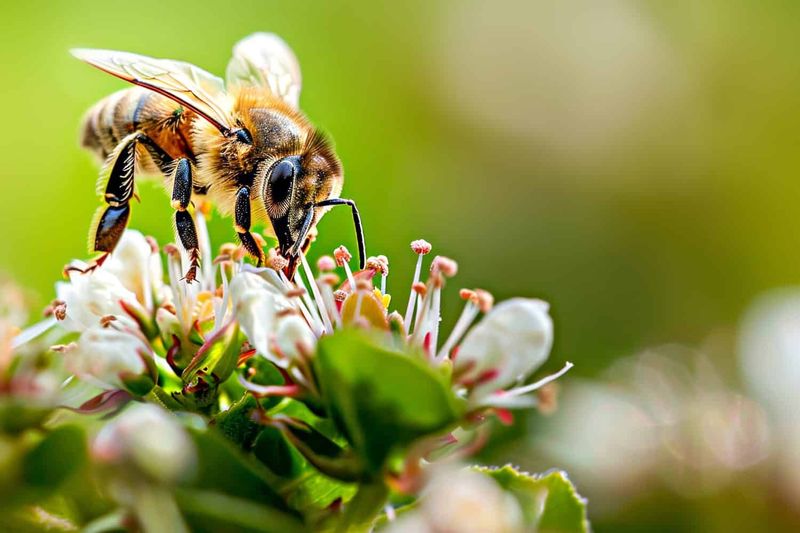
Making honey requires staggering effort from honeybees. A single bee produces only about one-twelfth of a teaspoon of honey in her entire lifetime, despite working tirelessly every day.
To create just one pound of honey, bees must visit approximately two million flowers collectively.
Worker bees may fly up to five miles from their hive searching for nectar-rich blooms. This incredible journey explains why honey is so precious and why we should appreciate every golden drop that reaches our tables.
8. Honey Naturally Contains Trace Vitamins And Minerals
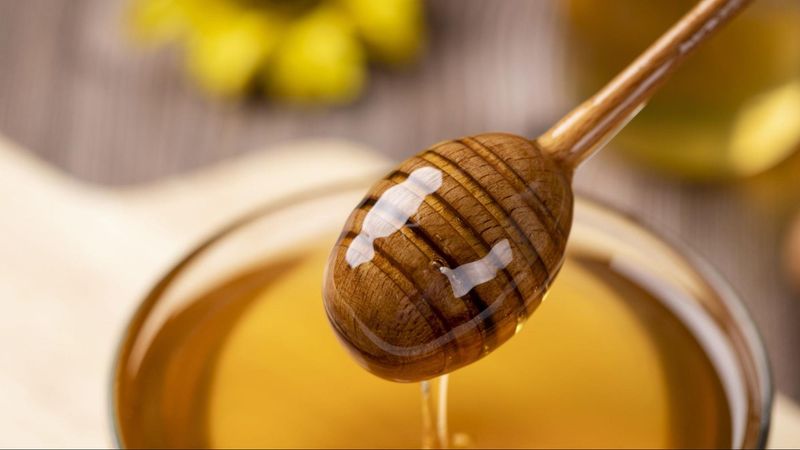
Whilst honey is primarily sugar, it also contains small amounts of vitamins and minerals that give it nutritional value beyond empty calories. You'll find traces of B vitamins, calcium, iron, zinc, potassium, and magnesium in most honey varieties.
The exact nutrient profile depends on which flowers the bees visited and the soil quality where those plants grew. Though the amounts are modest, these micronutrients contribute to honey's reputation as a more wholesome sweetener compared to refined white sugar.
9. Different Regions Produce Distinct Honey Varieties
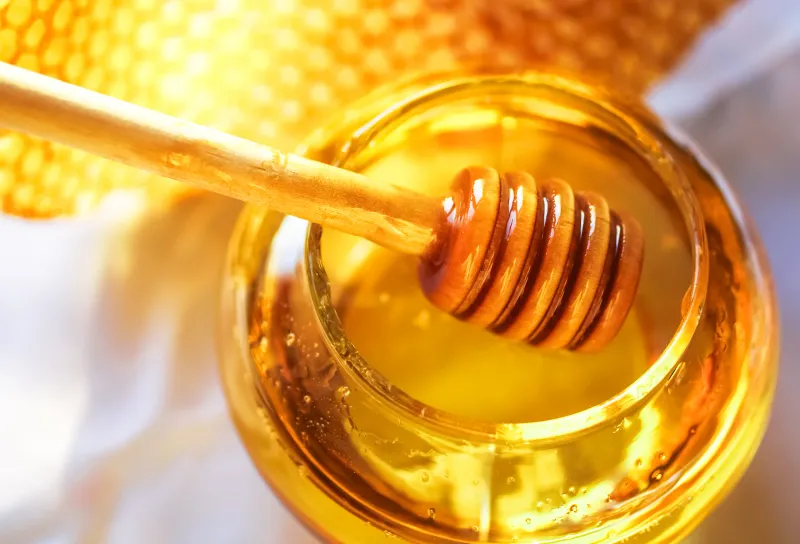
Geography dramatically influences honey's character, creating regional specialities prized by honey enthusiasts worldwide. New Zealand's famous manuka honey comes exclusively from manuka bush blossoms, whilst Scottish heather honey has a distinctive jelly-like texture and deep flavour.
French lavender honey carries floral notes from Provence's purple fields, and Greek thyme honey offers an intense, herbal taste. Climate, soil, and native plants combine to create these unique varieties, making honey a delicious reflection of its landscape.
10. Honey Has Been Found Preserved In Ancient Tombs
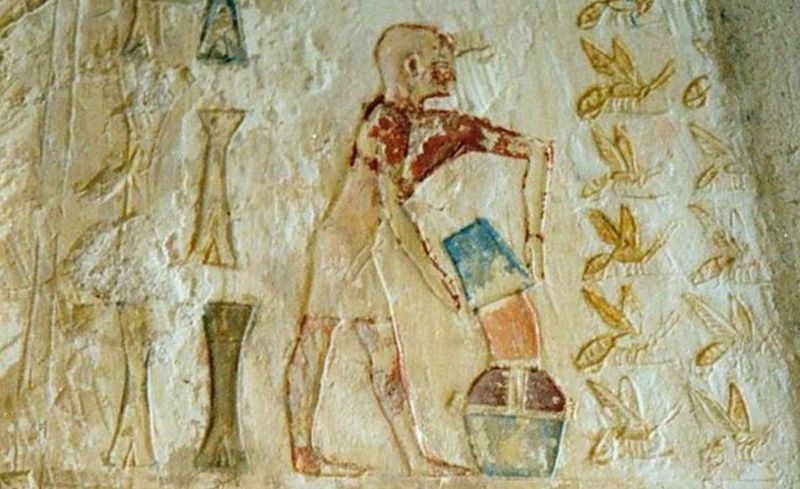
When archaeologists opened Egyptian tombs dating back thousands of years, they made an astonishing discovery: pots of honey still sitting exactly where ancient people had left them. Even more remarkably, the honey remained unspoiled and theoretically edible after millennia underground.
This incredible find demonstrates honey's unmatched preservation abilities and its importance to ancient cultures. Egyptians included honey in burial chambers as food for the afterlife, never imagining it would become evidence of honey's eternal nature for modern scientists to marvel at.



