













Cheese has a way of sneaking into meals without much effort, whether it’s grated, sliced, or melted on top. Many people enjoy it regularly without thinking too much about how it fits into their overall diet.
From everyday effects to long-loved varieties, there’s more going on here than simple comfort food. Keep reading to see what regular cheese eating might mean and which classics continue to win hearts.
All information is provided for general interest only and should not be considered medical or nutritional advice. Individual responses to foods vary, and dietary choices are best discussed with a qualified health professional.
1. Things That Might Happen If You Eat Cheese Often
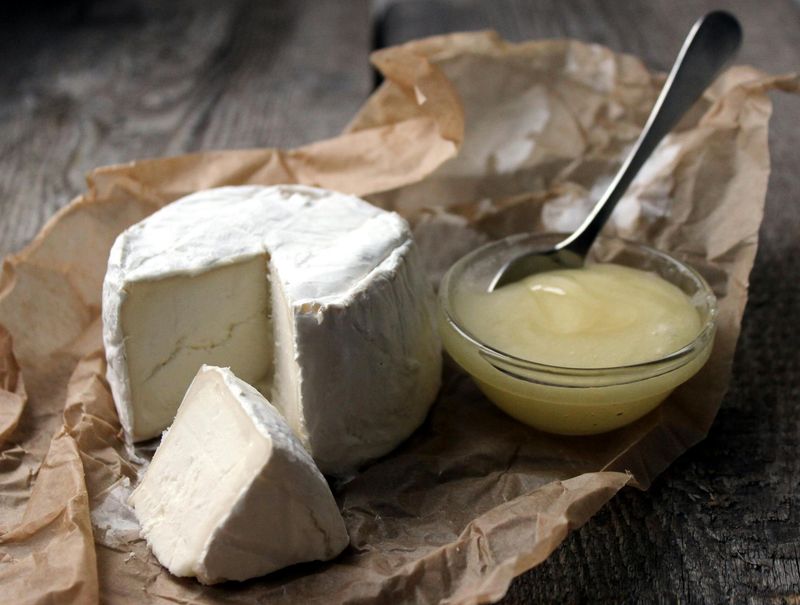
Cheese has a habit of slipping into meals without much thought, from quick lunches to comfort dinners. Because it is eaten so regularly, it can quietly influence how the body feels and responds over time.
The next five slides highlight things that might happen if you eat cheese often.
2. Protein Intake May Rise
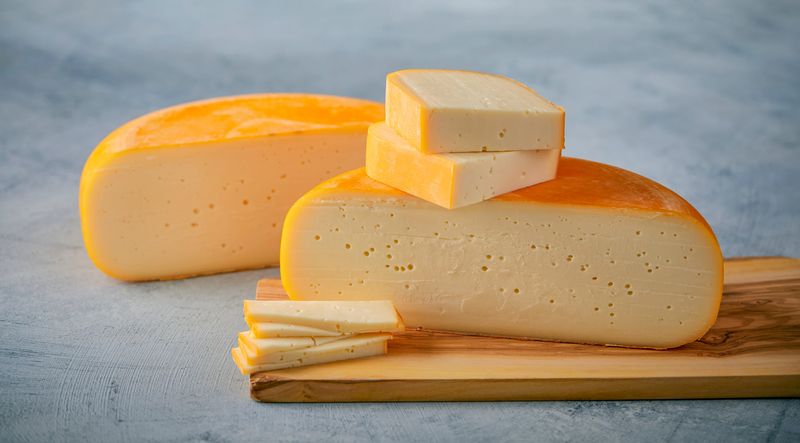
Every bite of cheese delivers a solid protein punch that your muscles absolutely love. Whether you choose cheddar, mozzarella, or any other variety, you're giving your body building blocks it needs for repair and growth.
Regular cheese eaters often notice they're hitting their protein goals more easily throughout the day. This becomes especially handy if you're active or looking to maintain healthy muscle mass as you age.
3. You May Feel Fuller After Meals
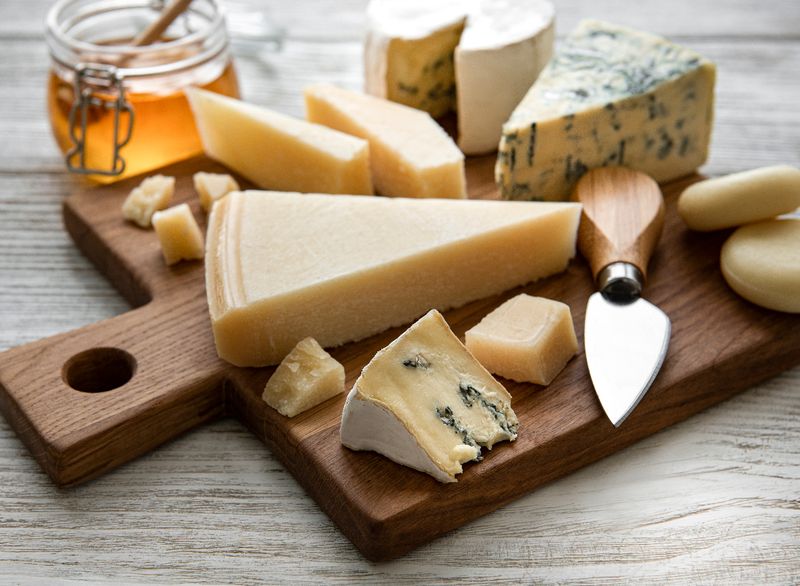
That satisfied feeling after a cheese-filled meal isn't just in your head. Cheese contains fats and proteins that slow down digestion, keeping your tummy happy for longer stretches between meals.
Many people find they snack less when they include cheese in their breakfast or lunch. This natural fullness can help you avoid those mid-afternoon crisps runs or biscuit binges that derail healthy eating plans.
4. Calcium Intake May Increase
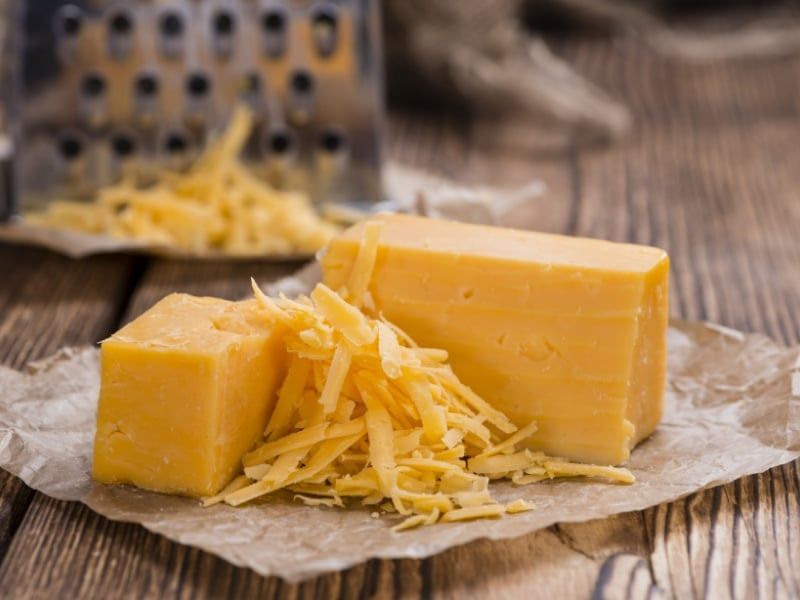
Calcium champions unite! Cheese ranks amongst the top dietary sources of this essential mineral that your body craves.
Just a modest serving can contribute significantly towards your daily calcium requirements.
Regular cheese consumption means you're consistently feeding your body this vital nutrient. Combined with other calcium-rich foods, cheese helps you build a strong foundation for overall health and wellbeing throughout your life.
5. Meals May Feel More Satisfying
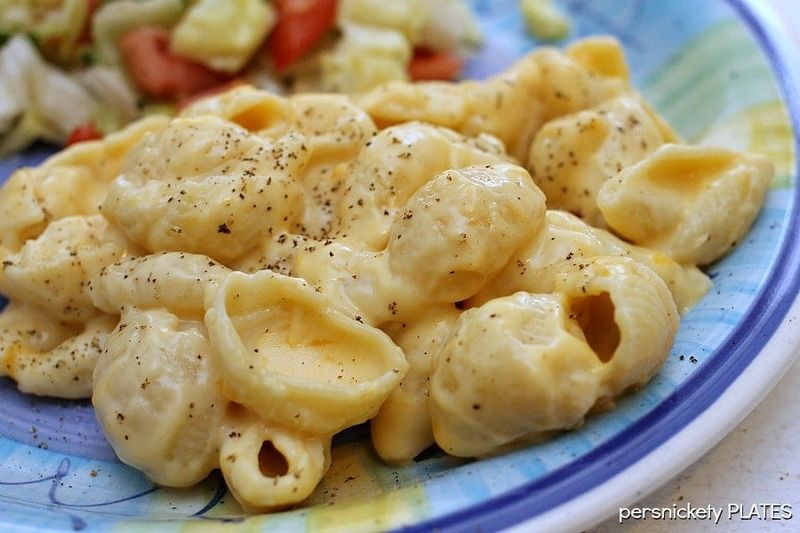
There's something magical about how cheese transforms ordinary dishes into memorable experiences. From pasta to sandwiches, cheese adds richness and depth that makes every bite more enjoyable and fulfilling.
Beyond just taste, cheese provides textural variety and aromatic appeal that engages multiple senses. This sensory satisfaction means you're more likely to feel content with your portions and genuinely enjoy your meals.
6. Bone Health May Be Supported Over Time
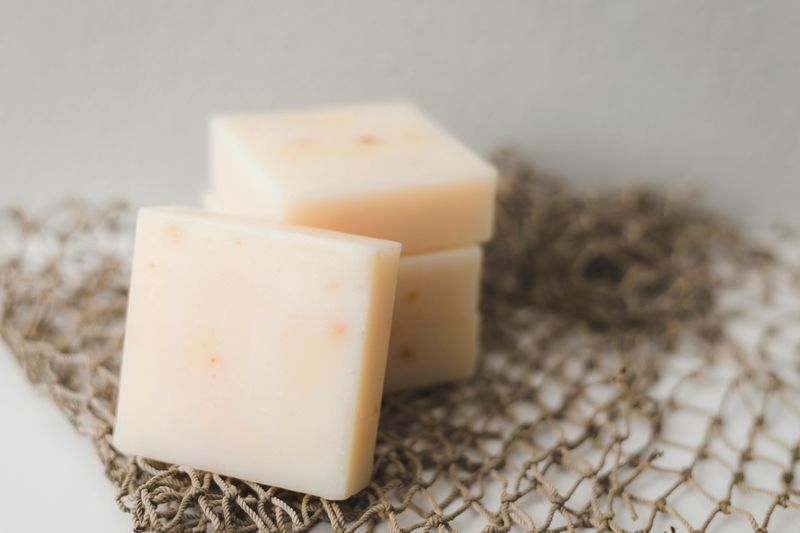
Bones rely on a steady supply of calcium, and cheese can play a helpful role in providing it. Many varieties contribute meaningful amounts of this mineral, which supports normal bone structure throughout life.
Including cheese alongside other calcium-rich foods helps keep intake more consistent day to day. While it works best as part of a balanced diet, regular consumption may support long-term bone maintenance.
This becomes especially relevant as natural bone loss becomes more common with age.
7. Must-Try Classics
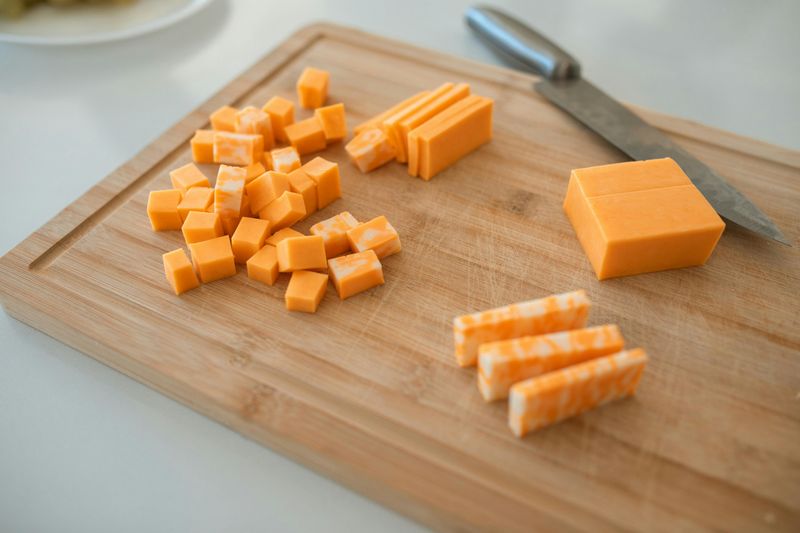
Some cheeses earn their place through history, flavour, and sheer reliability on the plate. These classics continue to show up on tables because they work just as well on their own as they do in everyday cooking.
The next ten slides feature must-try classics that remain favourites for good reason.
8. Red Leicester
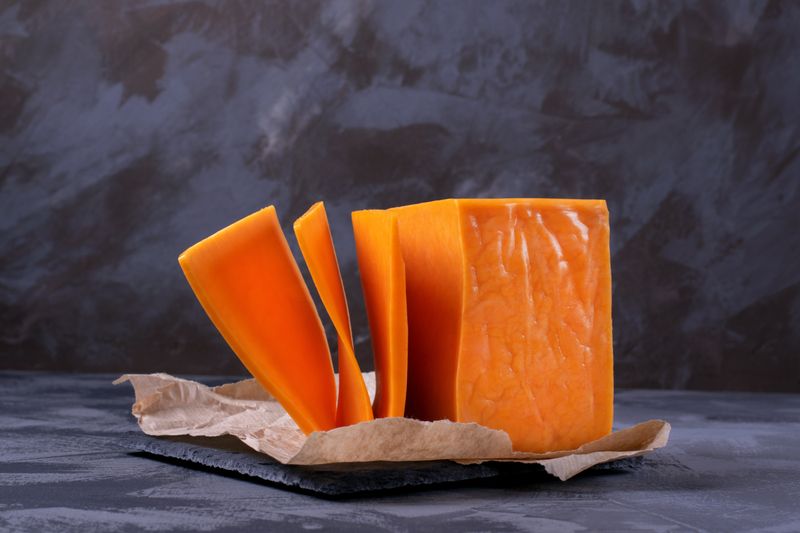
Spot this beauty from across the room thanks to its brilliant russet-orange hue! Red Leicester delivers a mild, slightly sweet flavour with a firm yet crumbly texture that melts beautifully.
Originally coloured with annatto for market distinction, this cheese has maintained its eye-catching appearance for centuries. It's brilliant for sandwiches, grating over dishes, or simply enjoying with pickles and crusty bread.
9. Cheddar
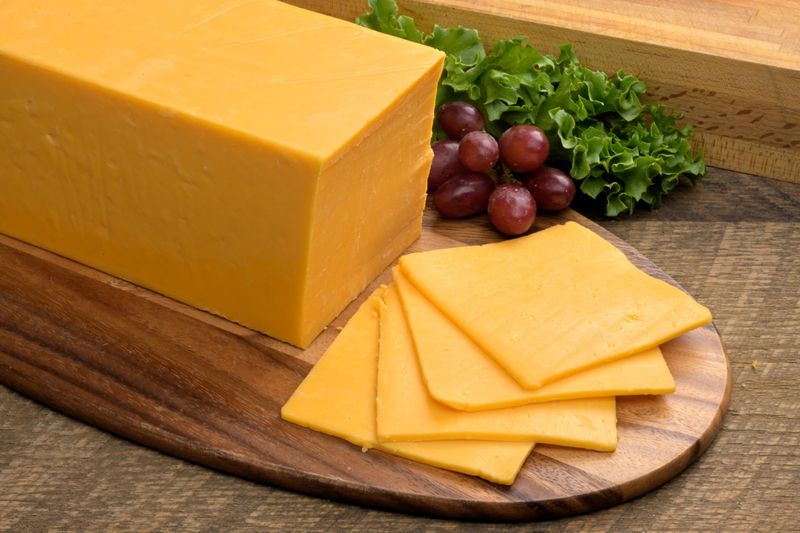
Britain's most beloved cheese needs little introduction. Cheddar ranges from mild and creamy to extra mature and crumbly, offering something for every palate and occasion.
Its versatility makes it perfect for everything from cheese toasties to ploughman's lunches. Whether you prefer it aged to perfection or young and mellow, cheddar remains an absolute kitchen essential that never disappoints.
10. Stilton

The king of British blue cheeses commands respect with its distinctive blue veining and bold personality. Stilton brings a tangy, slightly sharp flavour that cheese connoisseurs absolutely adore.
Protected by law and steeped in tradition, genuine Stilton comes from just three counties. Its crumbly texture and intense taste make it spectacular on crackers, crumbled into salads, or paired with fruit.
11. Wensleydale
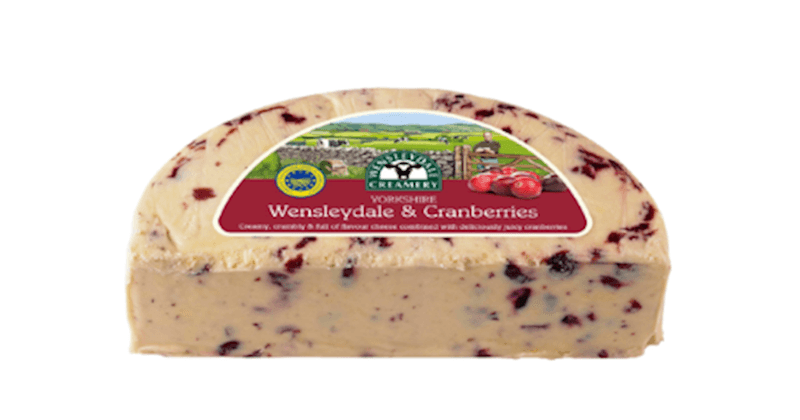
Wallace and Gromit fans already know this Yorkshire treasure! Wensleydale offers a fresh, clean taste with a slightly honeyed sweetness that pairs magnificently with fruit cake or cranberries.
Its moist, crumbly texture makes it easy to slice yet substantial enough to hold its shape. Many consider the combination of Wensleydale and fruit an absolute match made in heaven.
12. Double Gloucester
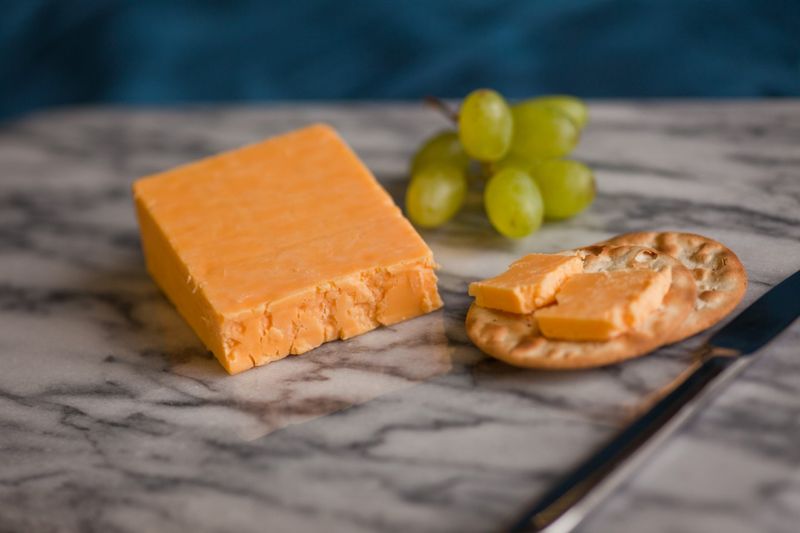
This mellow, buttery cheese hails from Gloucestershire and brings centuries of cheesemaking heritage to your table. Double Gloucester features a smooth, creamy texture with a rich, slightly nutty flavour profile.
Famously used in the annual cheese-rolling races, it's far better enjoyed on your plate than tumbling down hills! Its excellent melting properties make it perfect for cooking or eating fresh.
13. Cheshire
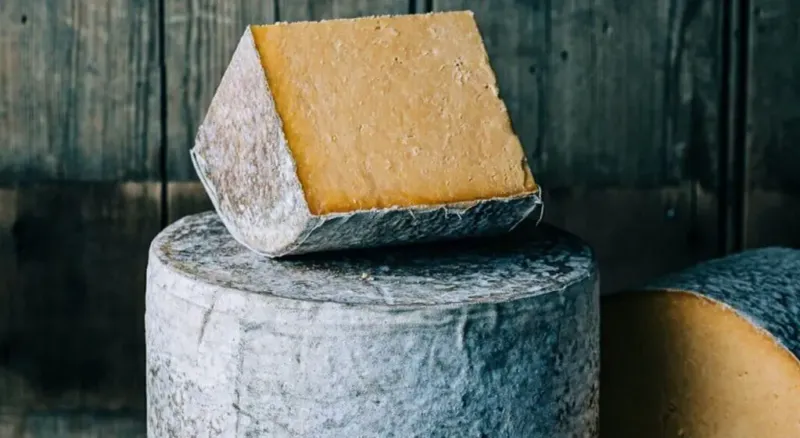
Britain's oldest named cheese deserves serious recognition! Cheshire brings a slightly salty, crumbly character with a loose texture that practically melts on your tongue.
Available in white, red, or blue varieties, this cheese offers wonderful versatility for different tastes. Its subtle tang and friable texture make it absolutely brilliant for Welsh rarebit or simply enjoying with a crisp apple.
14. Lancashire
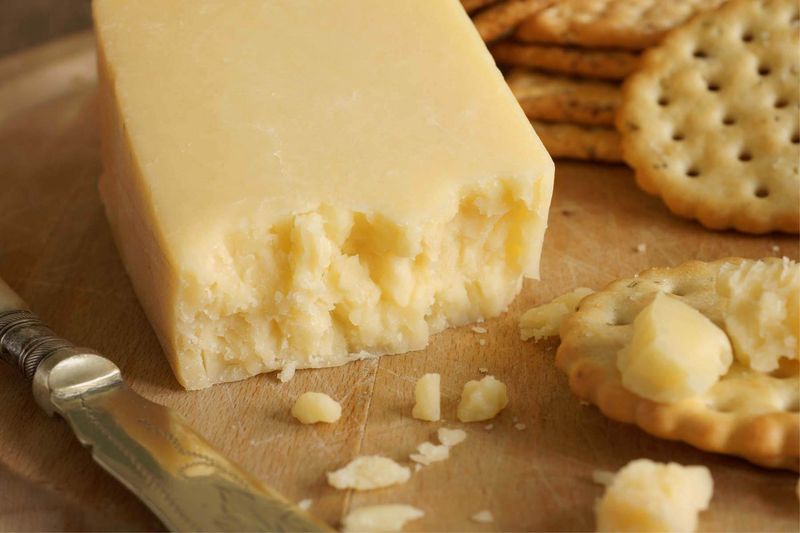
Two distinct versions exist: creamy Lancashire and crumbly Lancashire, each bringing unique qualities to the table. The creamy variety offers a smooth, buttery texture, whilst the crumbly version provides a lighter, more friable consistency.
Both versions deliver a mild, slightly tangy flavour that works wonderfully in cooking. Lancashire particularly shines when melted on toast or crumbled into salads for added richness.
15. Caerphilly
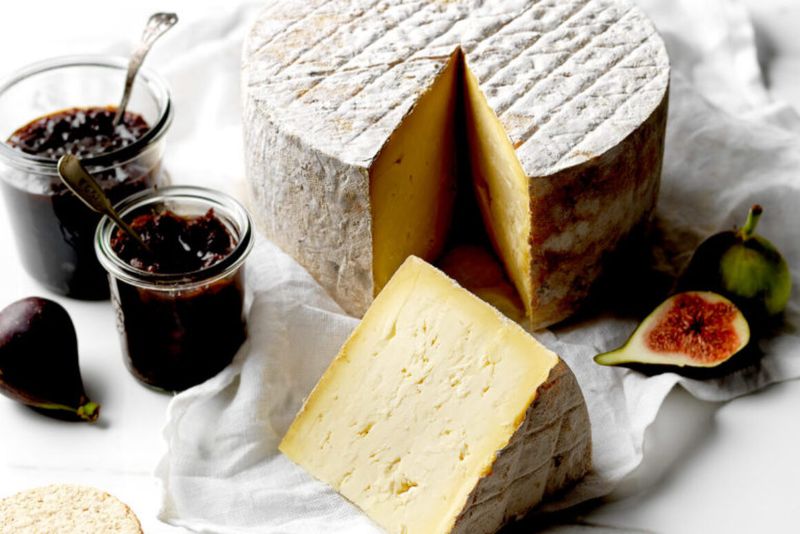
This Welsh wonder originally provided miners with a salty, moist cheese that restored energy after long shifts underground. Caerphilly features a fresh, lemony tang with a crumbly yet moist texture that's utterly delightful.
Young Caerphilly tastes mild and creamy, whilst aged versions develop more complex, earthy flavours. It's absolutely gorgeous with crusty bread, pickles, or fresh celery for a traditional Welsh treat.
16. Cornish Yarg
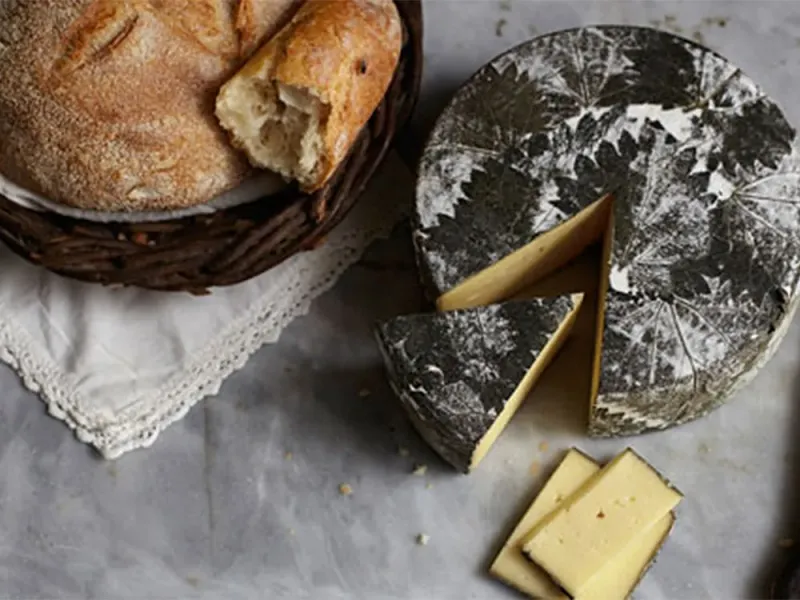
Wrapped in edible nettle leaves that create a stunning appearance, Cornish Yarg stands out visually and flavour-wise. The nettles impart a subtle, earthy quality whilst protecting the creamy interior as it matures.
Beneath those leaves lies a fresh, lemony cheese with a crumbly texture near the rind and creamier consistency towards the centre. This Cornish creation represents modern British cheesemaking at its finest.
17. British Brie-Style Cheese
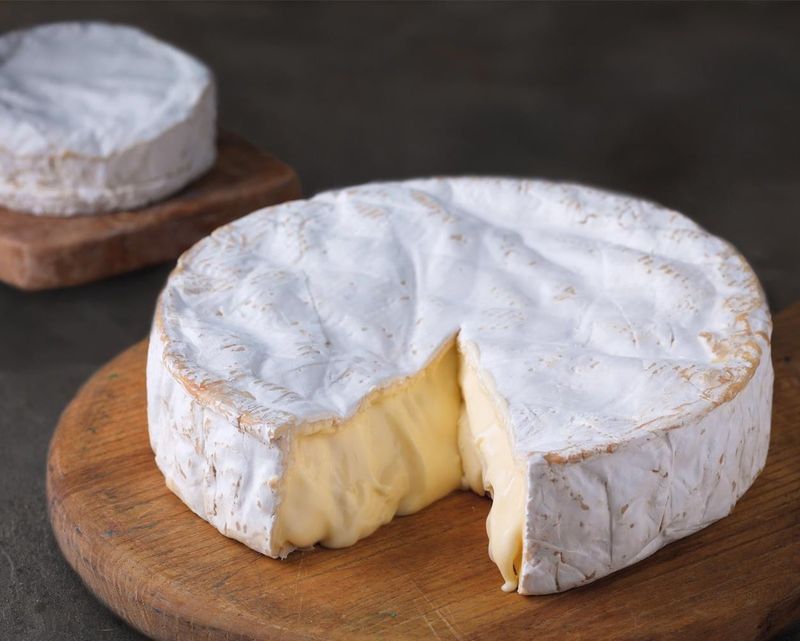
British cheesemakers have mastered the art of creating exceptional soft, bloomy-rind cheeses that rival their French cousins. These creamy delights feature a white, edible rind surrounding a luscious, buttery interior.
When perfectly ripe, British Brie-style cheeses become gloriously oozy and develop complex, mushroomy flavours. They're absolutely magnificent baked whole, spread on warm bread, or enjoyed at room temperature with grapes.



