













Grocery shopping is often guided by routine, convenience, and familiar choices, but packaging and labels contain details that can influence food quality, cost, and environmental impact. Paying closer attention to ingredients, nutritional information, and product sourcing can help shoppers make more informed decisions.
Small adjustments during regular shopping trips can gradually shape eating habits and spending patterns. Looking at key areas to review while shopping offers a practical way to approach everyday purchases with greater awareness.
This article is provided for general information only. Product availability, labelling, and pricing may vary by retailer and location.
Individual dietary and household needs differ. Photos are for illustrative purposes onl
1. Ingredient Lists And Additives
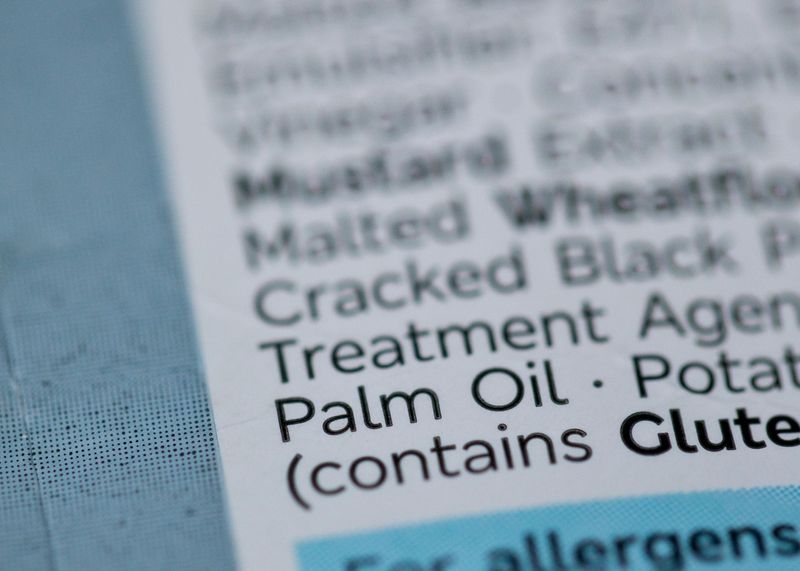
Ever wondered what E621 or xanthan gum actually are? The ingredient list on your favourite biscuits might read like a chemistry textbook, but it's worth decoding.
Manufacturers list ingredients by weight, so whatever appears first makes up the bulk of what you're eating.
Additives aren't always villains, mind you. Some preserve freshness or enhance texture in perfectly safe ways.
But if you're trying to avoid certain allergens or artificial colours, this list becomes your best mate.
A good rule of thumb: if you can't pronounce half the ingredients or the list runs longer than a Dickens novel, it might be worth considering a simpler alternative.
2. Sugar Content In Everyday Products
Brace yourself for this one: a single pot of flavoured yogurt can contain more sugar than a chocolate bar. Shocking, right?
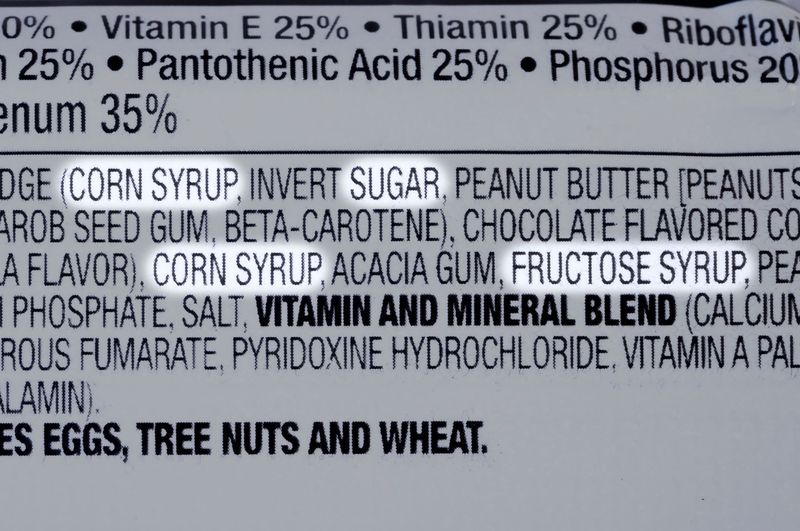
Sugar hides in the most unexpected places, from bread to ready-made soups, often disguised under names like dextrose, maltose, or fruit concentrate.
The NHS recommends adults consume no more than 30g of free sugars daily, yet one tin of baked beans can pack nearly 10g. Checking the nutrition panel's sugar line takes seconds but could save you from accidentally overdoing it.
Once you start noticing patterns, you'll become a sugar-spotting ninja, choosing lower-sugar versions without sacrificing flavour.
3. Portion Sizes On Packaging
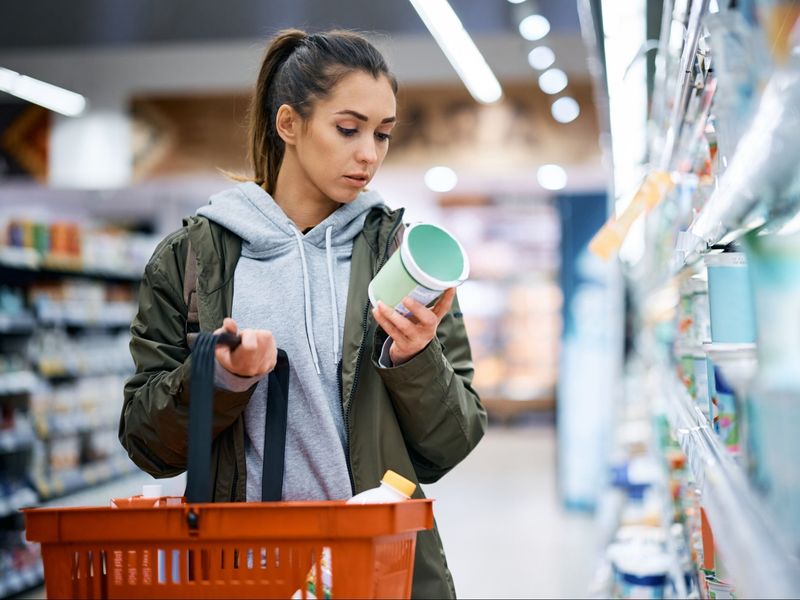
That bag of crisps might claim to contain only 100 calories, but flip it over and you'll discover that's per 25g serving, and the bag holds 150g. Sneaky, isn't it?
Manufacturers often base nutritional information on unrealistically small portions to make products appear healthier.
Understanding actual portion sizes helps you gauge what you're truly consuming. A cereal box might suggest 30g per serving, but most people pour nearly double that amount into their bowl each morning.
Pay attention to both the per-serving and per-100g columns on nutrition labels to get the full picture of what you're actually eating.
4. Country Of Origin Labels
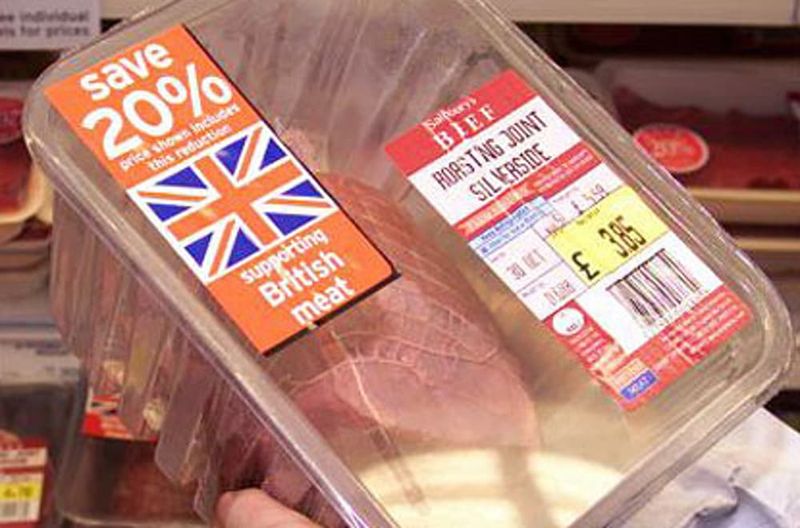
Your "British" strawberries in January probably travelled further than you did on your last holiday. Country of origin labels reveal where your food actually comes from, which matters for freshness, carbon footprint, and supporting local farmers.
UK law requires most fresh foods to display their origin, but processed products often escape this rule. Spanish tomatoes or Kenyan green beans aren't inherently bad, but knowing their journey helps you make informed choices aligned with your values.
Seasonal British produce typically tastes better and costs less than imported alternatives, plus you're backing home-grown agriculture.
5. Use By And Best Before Dates

Here's something that'll blow your mind: best before dates are about quality, not safety. You can absolutely eat food past its best before date if it looks, smells, and tastes fine.
We bin millions of tonnes of perfectly good grub annually because of date confusion.
Use by dates, however, are the serious ones. Found on perishables like meat and fish, these indicate genuine safety limits.
Ignoring them risks food poisoning, so respect these deadlines religiously.
Learning this difference could slash your food waste dramatically whilst keeping your kitchen perfectly safe.
6. Price Per Unit Comparisons
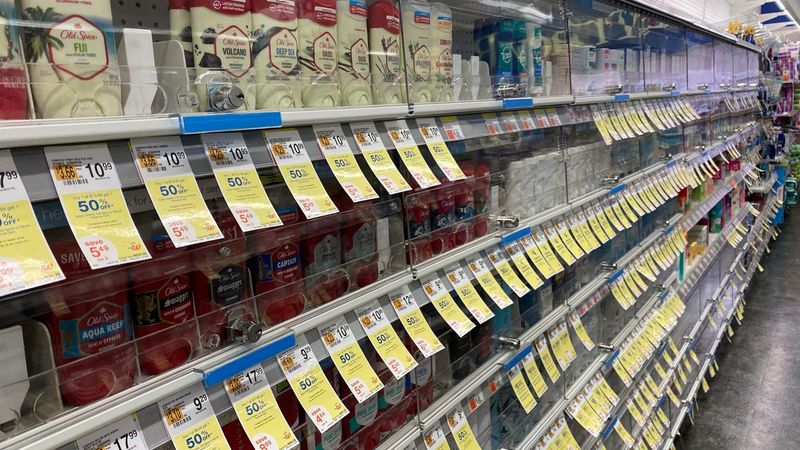
That massive box of cereal seems like brilliant value until you check the price per 100g and discover the smaller box is actually cheaper. Supermarkets display unit prices on shelf labels, usually in tiny print below the main price, showing cost per kilogram, litre, or 100g.
This golden information cuts through marketing tricks and packaging illusions. Bulk buying isn't always economical, and special offers sometimes cost more per unit than regular-priced alternatives.
Spending an extra five seconds comparing unit prices could save you hundreds of pounds annually without changing what you buy.
7. Fibre Content In Staple Foods
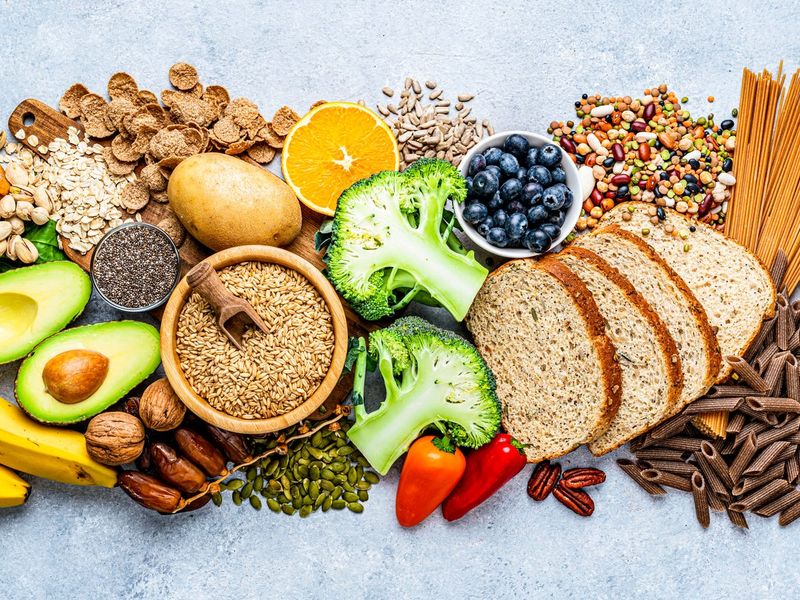
Most Brits consume barely half the recommended 30g of daily fibre, yet switching from white to wholemeal bread alone adds significant amounts. Fibre keeps your digestive system happy, helps control blood sugar, and keeps you feeling fuller for longer.
The nutrition label's fibre line often gets ignored, but it's worth checking. Brown rice, wholegrain pasta, and high-fibre cereals can transform your intake without requiring radical diet changes.
Foods labelled high fibre contain at least 6g per 100g, whilst anything above 3g counts as a good source. Your gut will thank you.
8. Salt Levels In Ready Meals
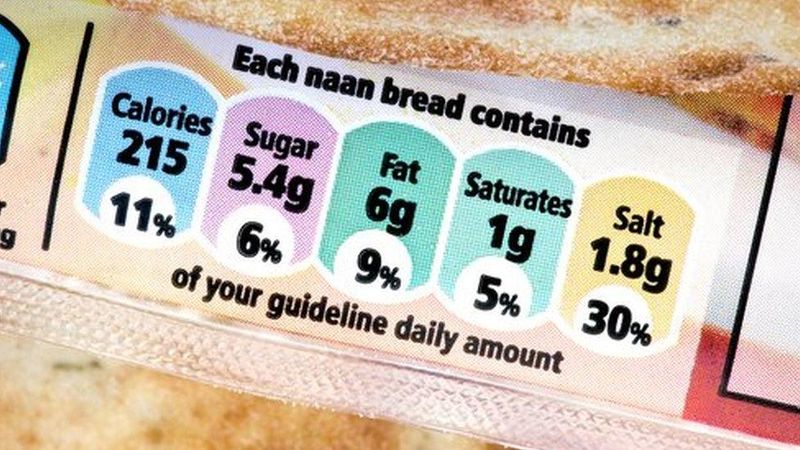
A single supermarket curry can contain your entire recommended daily salt intake of 6g. Ready meals, whilst convenient, often pack eye-watering sodium levels to enhance flavour and extend shelf life.
High salt consumption increases blood pressure and heart disease risk, yet it's ridiculously easy to exceed limits without realising. Checking the salt content per portion helps you choose lower-sodium options or balance your intake throughout the day.
Traffic light labels make this easier: aim for green (low salt) or amber (medium) rather than red (high). Your heart will appreciate the attention to detail.
9. Packaging And Recyclability
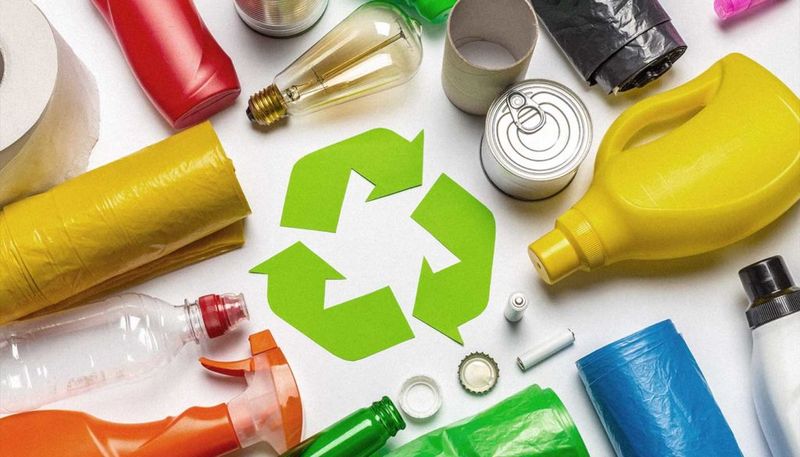
That innocent-looking yogurt pot might require three different recycling streams for the pot, lid, and sleeve. UK packaging now carries detailed recycling information, but decoding those symbols requires a bit of detective work.
Widely recycled materials like cardboard and glass bottles are brilliant, but items marked recycle with bags at larger stores or not yet recycled need special attention. Some councils accept different materials than others, making it properly confusing.
Choosing products with simpler, recyclable packaging reduces waste heading to landfill and supports brands making genuine environmental efforts.
10. Seasonal Availability Of Produce
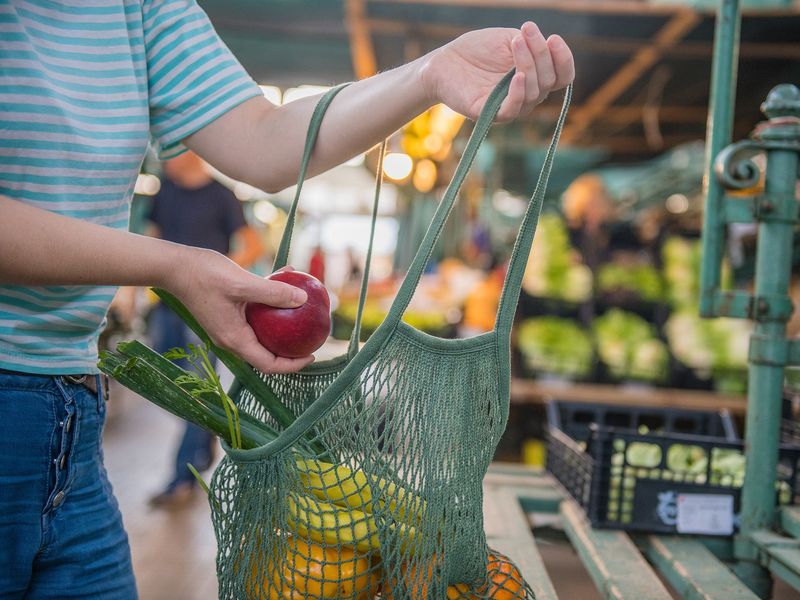
British asparagus tastes infinitely better in May than imported spears in December, and costs half the price too. Eating seasonally means choosing produce at its natural peak, when flavour, nutrition, and value align beautifully.
UK strawberries shine from May to September, whilst root vegetables dominate winter months. Supermarkets stock everything year-round now, but out-of-season produce often travels thousands of miles, costs more, and tastes disappointingly bland.
Learning what grows when in Britain transforms your shopping, connecting you with natural rhythms whilst supporting local growers and reducing environmental impact considerably.



