













Most of us have scraped a little too much char off a slice of toast and wondered whether it really matters. Burnt flavours can be oddly tempting, yet they come with questions that go beyond taste alone.
Curiosity usually kicks in when the smell lingers in the kitchen or the edges look a little darker than planned. Understanding what actually happens during high-heat cooking makes everyday food choices feel clearer and far less mysterious.
All information is provided for general educational purposes only and is not a substitute for personalised medical or nutritional advice. Individual responses to food and cooking methods can vary. Anyone with specific dietary concerns should seek guidance from a qualified healthcare professional.
What Happens When Food Is Exposed To High Heat
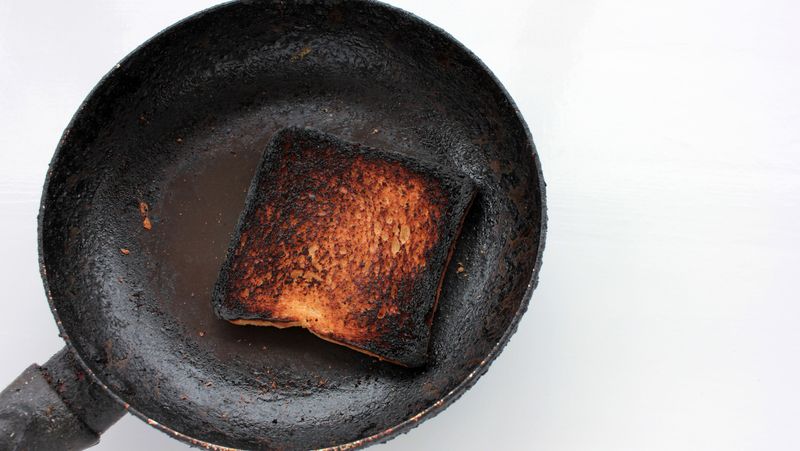
High temperatures trigger chemical reactions that change the structure of proteins, fats, and sugars in your food. Browning occurs first, which adds flavour and colour, but pushing it further leads to blackening.
Moisture evaporates rapidly, leaving behind concentrated compounds that taste bitter. The longer food stays over intense heat, the more these changes intensify, transforming tasty ingredients into something less appealing and potentially harmful if consumed regularly.
Compounds That Form During Charring And Overcooking
When carbohydrates burn, a substance called acrylamide can develop, especially in starchy foods like potatoes and bread. Proteins and fats also produce compounds known as polycyclic aromatic hydrocarbons (PAHs) and heterocyclic amines (HCAs) at very high temperatures.
Scientists have studied these chemicals because they've been linked to health concerns in animal studies.
Whilst occasional exposure isn't alarming, frequent consumption of heavily charred food may increase long-term risks.
How Burnt Flavours Affect Taste And Appetite
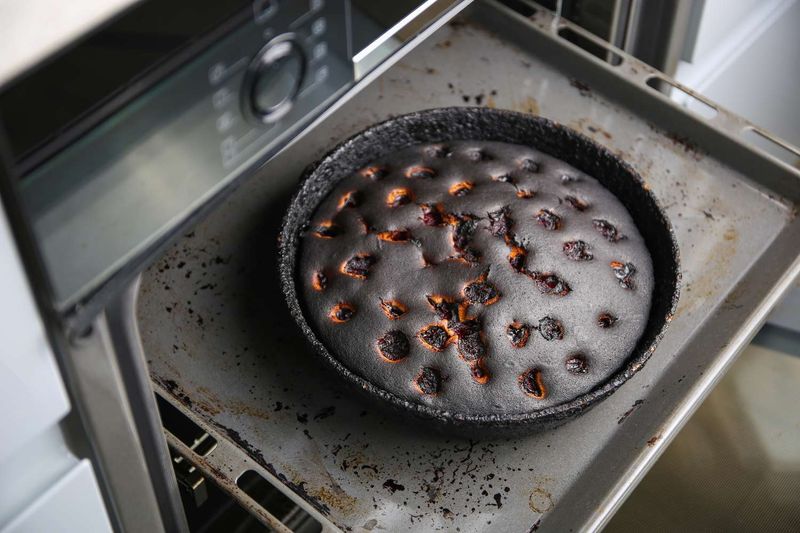
Charred food tastes bitter and unpleasant because burnt compounds overwhelm your taste buds. Many people instinctively scrape off blackened sections or avoid eating them altogether.
This natural aversion is your body's way of protecting you from consuming too much of these substances. Burnt flavours can also ruin an otherwise delicious meal, making it less enjoyable and potentially reducing your appetite, which means you might not get the nutrients you were hoping for from that dish.
Possible Digestive Reactions To Heavily Burnt Food
Eating burnt food occasionally won't typically cause immediate digestive distress, but some people report stomach discomfort or nausea after consuming heavily charred items. Burnt material can be harder for your digestive system to break down.
Charred particles may irritate the stomach lining in sensitive individuals. If you notice bloating, cramping, or queasiness after eating blackened food, it's a sign your body isn't handling it well, and you should avoid it in future.
How Often Burnt Food Is Typically Consumed
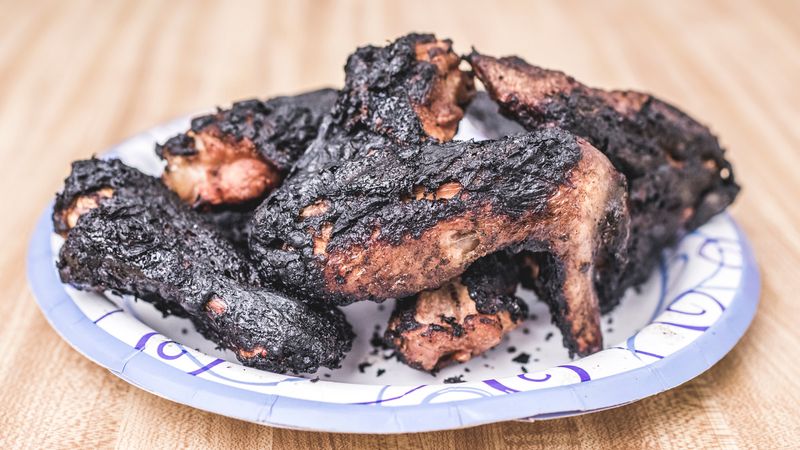
Most people don't eat burnt food daily - it's usually an accident that happens every now and then when you're distracted or cooking temperatures run too high. Research suggests that occasional exposure to charred bits isn't a major health concern.
However, regularly grilling or frying foods until they're blackened could add up over time.
Paying attention to how often you consume heavily charred meals helps you assess whether you need to adjust your cooking habits for better long-term health.
Balancing Enjoyment With Health Awareness
A slightly charred edge on your steak or a crispy corner on your roast potatoes isn't something to panic about - it's all about balance. Enjoying your favourite foods without obsessing over every little burnt bit keeps mealtimes pleasurable.
Being mindful means trimming off heavily blackened sections and not making charred food a regular habit. Cooking with care and awareness allows you to savour delicious meals whilst looking after your health, so you get the best of both worlds without unnecessary worry.



