













British food has a reputation that often says more about stereotypes than reality. Ask locals about these common remarks and you will quickly spark lively opinions and plenty of eye rolls.
Traditional dishes carry history, regional pride, and surprising variety that outsiders sometimes overlook. Familiar meals that comfort millions tend to be misunderstood by those who have never truly tried them.
These popular misconceptions reveal just how differently British cuisine can be viewed depending on who is doing the talking.
Opinions about food traditions vary widely and reflect personal taste and cultural experience. Information is provided for general interest only.
1. British Food Is Always Bland
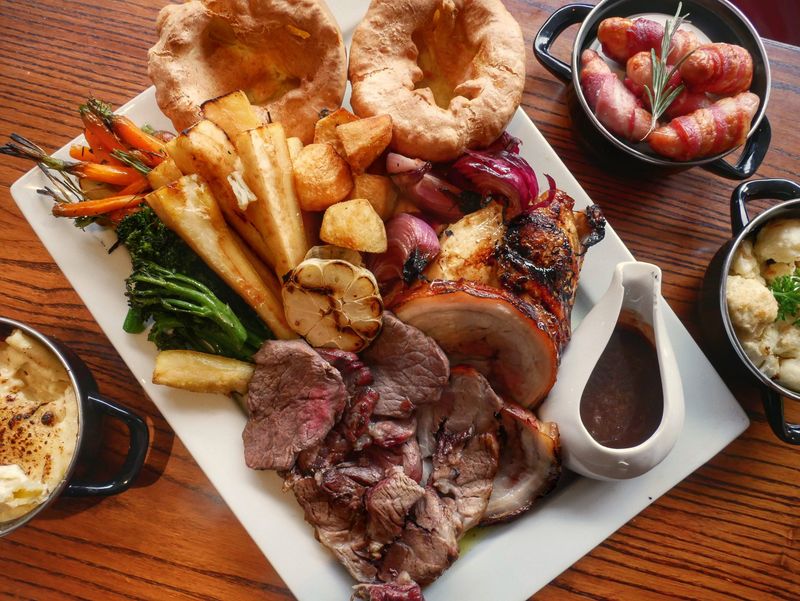
Ask any Brit about bland food and watch them list off dozens of flavourful dishes that prove otherwise. Traditional recipes use herbs like rosemary, thyme, and sage generously, whilst modern British cooking embraces global influences with enthusiasm.
Sunday roasts come smothered in rich gravies, pies burst with seasoned fillings, and condiments like HP sauce add punchy flavour. Regional specialities like Welsh rarebit or Lancashire hotpot pack serious taste.
British chefs lead the world's culinary scene, hardly a sign of bland cooking traditions.
2. British Cuisine Has No Variety
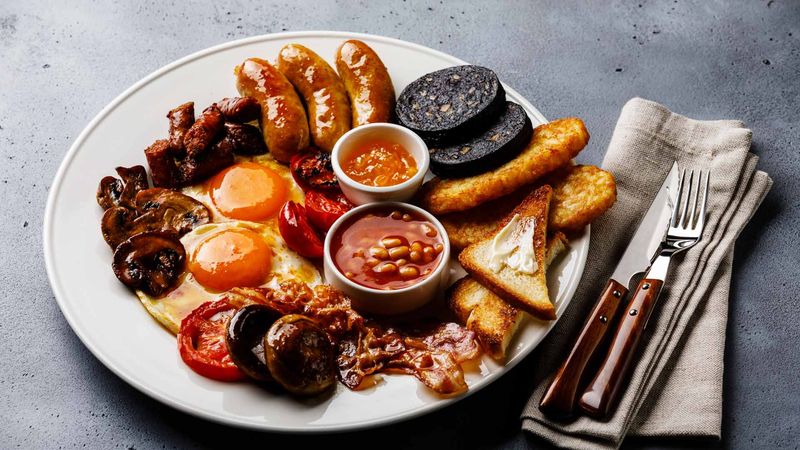
Britain's regional diversity creates a stunning range of dishes that many outsiders never discover. Scotland offers haggis and Cullen skink, Wales brings bara brith and cawl, whilst Cornwall perfects pasties and cream teas.
Each county boasts unique specialities, from Melton Mowbray pork pies to Bakewell tarts. Coastal areas excel at seafood whilst farming regions perfect meat dishes.
The variety spans breakfast through dinner, with countless regional variations keeping mealtimes interesting across the entire country.
3. British People Only Eat Fish And Chips
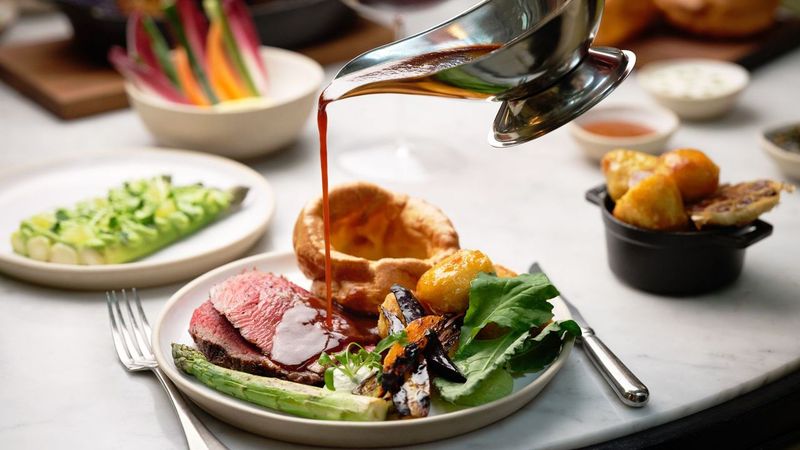
Fish and chips might be iconic, but suggesting it's the only British meal is laughably inaccurate. Most families eat it occasionally as a treat, not daily sustenance.
British people enjoy roasts, curries, pasta, stir-fries, and countless other meals throughout the week. The UK's multicultural population means diverse cuisines feature regularly in home cooking.
Supermarkets stock ingredients from around the world, and British home cooks experiment constantly. Fish and chips represents tradition, not everyday reality for modern Britons.
4. British Food Is Just Boiled Meat And Vegetables
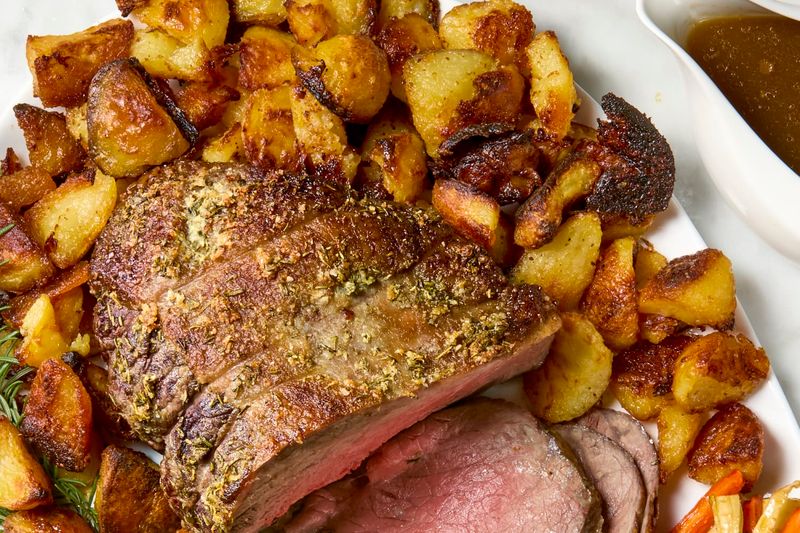
Boiling represents just one cooking method amongst many that British cooks employ regularly. Roasting remains the preferred technique for Sunday dinners, creating crispy exteriors and tender interiors.
Grilling, frying, baking, and braising all feature prominently in British cooking traditions. Modern British kitchens use air fryers, slow cookers, and sophisticated techniques.
Traditional dishes like shepherd's pie involve browning meat and baking with creamy mash. The boiled vegetable stereotype ignores centuries of varied cooking methods.
5. Britain Has No Traditional Cuisine
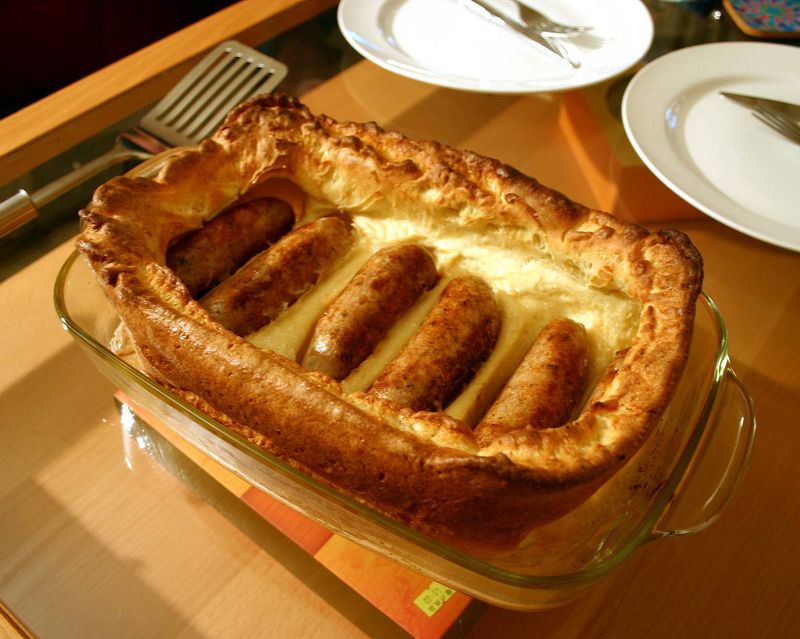
Centuries of culinary tradition have shaped a rich and distinctive food culture across the UK, supported by well-documented recipes and evolving cooking styles. Medieval feasts, Tudor banquets, and Victorian kitchens all helped influence the meals enjoyed today.
Classic dishes such as steak and kidney pudding and toad in the hole have been passed down through generations. Regional specialities continue to survive through family recipes and local pride.
Cheeses, preserves, and baking traditions from across the UK remain recognised worldwide, reflecting a deeply rooted and sophisticated culinary heritage.
6. British Desserts Are Heavy And Outdated
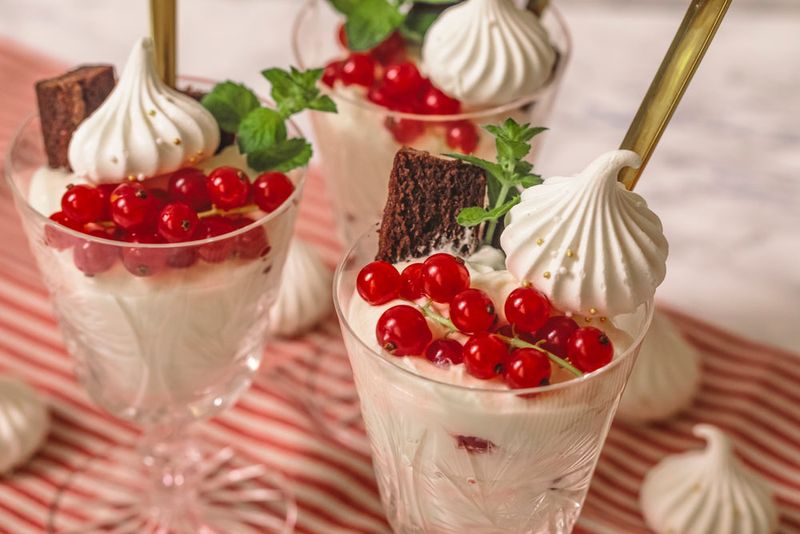
British dessert traditions include plenty of light, fresh options alongside richer puddings. Eton mess combines meringue, cream, and fresh berries for a refreshing treat.
Summer pudding uses seasonal fruits without heavy batters, whilst syllabub offers an airy, creamy delight. Modern British patisseries create innovative desserts rivalling any European bakery.
Traditional trifles can be adapted with lighter ingredients, and fruit crumbles showcase seasonal produce beautifully. British baking evolves constantly whilst respecting heritage.
7. The UK Only Eats Beans On Toast
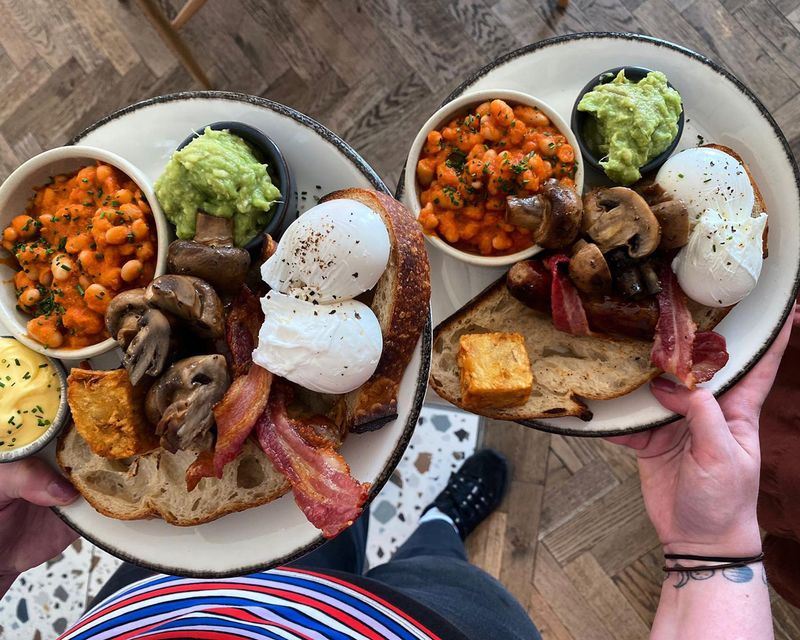
Beans on toast serves as quick comfort food, not the foundation of British nutrition. Most Britons enjoy varied breakfasts including cereals, porridge, fruit, and yoghurt throughout the week.
Weekend full English breakfasts feature eggs, bacon, sausages, mushrooms, and tomatoes. Toast toppings range from marmalade to avocado, reflecting modern tastes.
Lunch and dinner menus span global cuisines, with British households cooking diverse meals. Reducing British eating habits to one simple dish ignores reality completely.
8. British Food Is Worse Than Other European Food
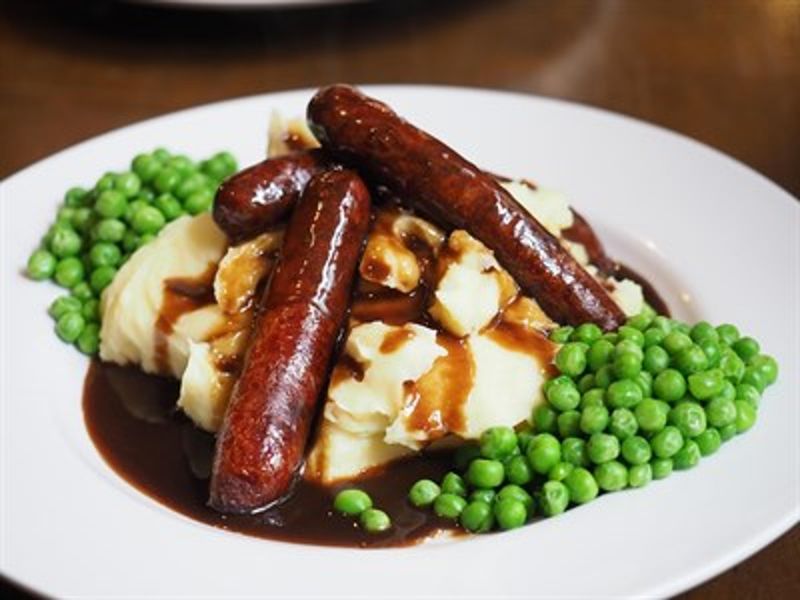
Britain holds numerous Michelin stars, proving its culinary excellence matches any European nation. British chefs train rigorously and compete internationally with outstanding success.
London's restaurant scene rivals Paris and Rome, offering world-class dining experiences. British produce like Scottish salmon, Welsh lamb, and English cheeses win international awards regularly.
Food quality depends on preparation and ingredients, not nationality. Comparing entire cuisines dismisses the skill and creativity British cooks demonstrate daily across the country.
9. British Cooking Never Uses Spices
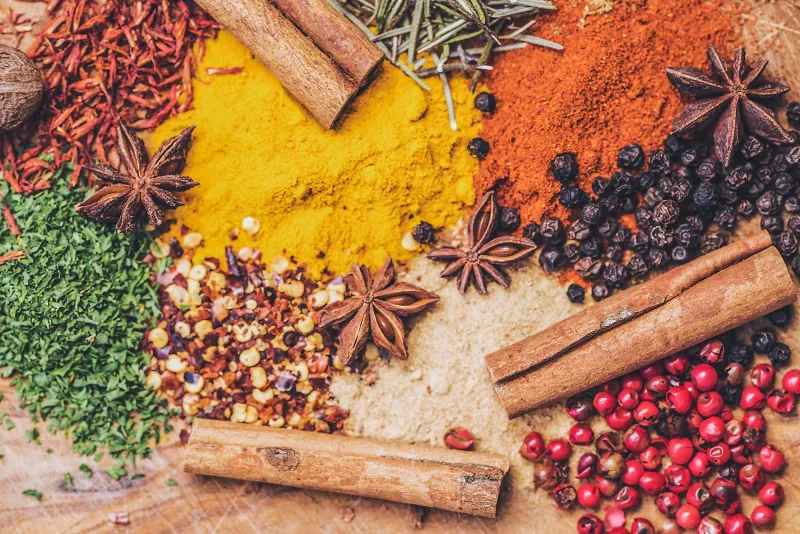
Historical spice trading routes helped introduce a wide range of flavours that have influenced cooking traditions across the UK for centuries. Curry has been enjoyed widely since the eighteenth century, with chicken tikka masala often described as a national favourite.
Traditional recipes regularly include mustard, horseradish, pepper, and mixed herbs for depth of flavour. Festive dishes such as Christmas pudding rely on spices like cinnamon, nutmeg, and cloves.
Modern kitchens continue to embrace bold seasoning, and the idea that British cooking avoids spices overlooks both its history and present-day food culture.
10. British People Eat The Same Meals Every Day
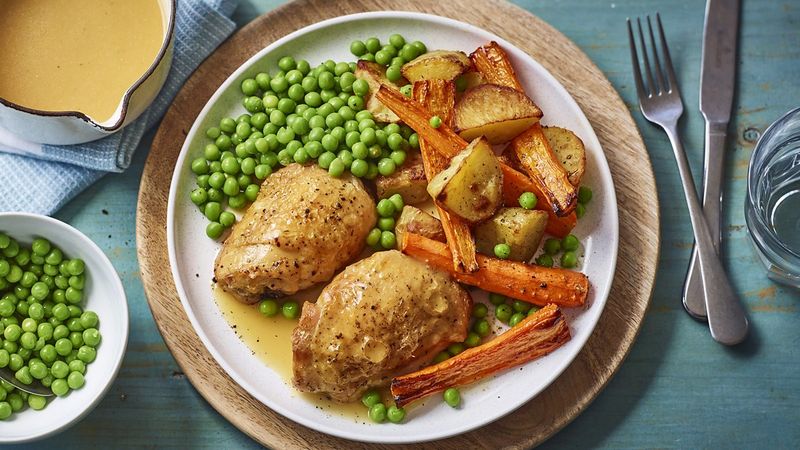
British meal planning reflects global influences, with families rotating through various cuisines throughout the week. Monday might bring pasta, Tuesday stir-fry, Wednesday curry, and Thursday a traditional roast.
Seasonal eating encourages variety, with summer salads giving way to winter stews. British supermarkets offer ingredients from dozens of countries, supporting diverse home cooking.
Meal kit services and cooking shows inspire experimentation. The stereotype of repetitive eating ignores how adventurous British home cooks have become.



