
A bag of crisps or a pork pie at the pub feels wonderfully ordinary, yet many of these familiar snacks carry stories that stretch far beyond the bar counter. Some began as practical solutions, others were happy accidents, and a few have roots that might genuinely surprise even seasoned pub regulars.
Curiosity naturally grows once you start wondering how everyday favourites earned their place alongside a pint and a chat. Digging into their backstories adds a whole new layer of appreciation to something most people barely give a second thought.
All information is provided for general interest only. Historical details, product variations, and regional traditions may differ over time and location.
1. Scotch Egg
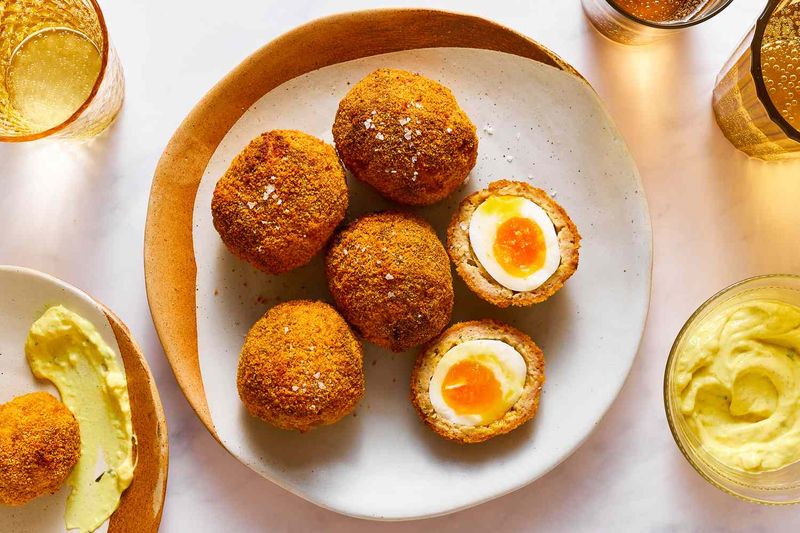
The Scotch egg is widely associated with Fortnum & Mason, who have long claimed to have popularised an early version in the eighteenth century. While the exact origin remains debated, the idea of a portable egg wrapped in meat quickly caught on as a practical snack.
Over time, it became firmly embedded in British food culture rather than being linked to Scotland itself. The name’s true meaning is still unclear, which only adds to its quirky appeal.
Today, versions range from classic pub staples to modern twists filled with different seasonings and coatings.
2. Ploughman's Lunch
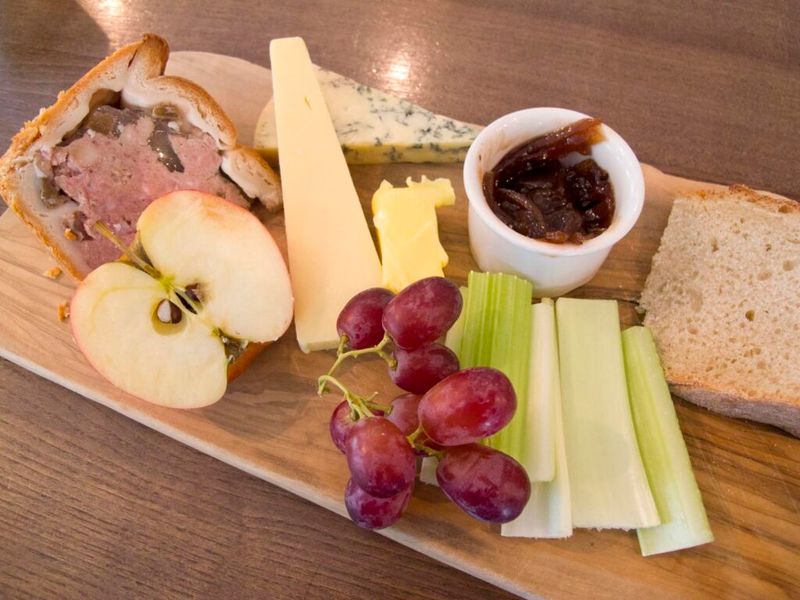
Here's a shocker: this 'traditional' meal was actually invented by the Cheese Bureau in the 1950s as a clever marketing campaign. They wanted to boost cheese sales in pubs across Britain.
The genius name suggested ancient farming roots, but ploughmen historically ate whatever scraps were available. Still, bread, cheese, pickles and chutney make a brilliant combination that's stood the test of time.
3. Pork Pie
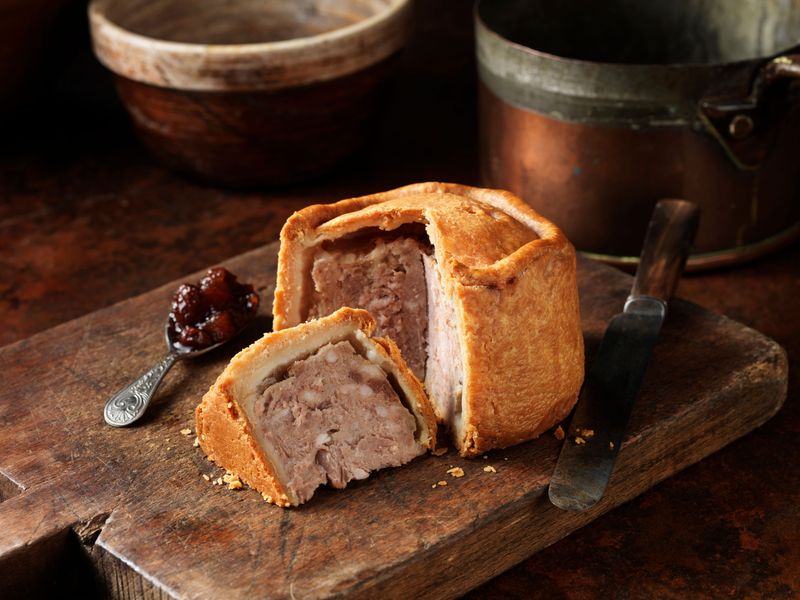
Melton Mowbray in Leicestershire is strongly linked with the development of the modern pork pie during the nineteenth century. Local bakers refined the hand-raised hot water crust pastry to create something sturdy, filling, and easy to transport.
The distinctive bow-topped shape became part of its identity and helped it stand out on shop counters. Melton Mowbray pork pies later received protected geographical status, recognising their traditional method and regional heritage.
That official recognition helped cement their reputation as a proudly British classic.
4. Pickled Egg
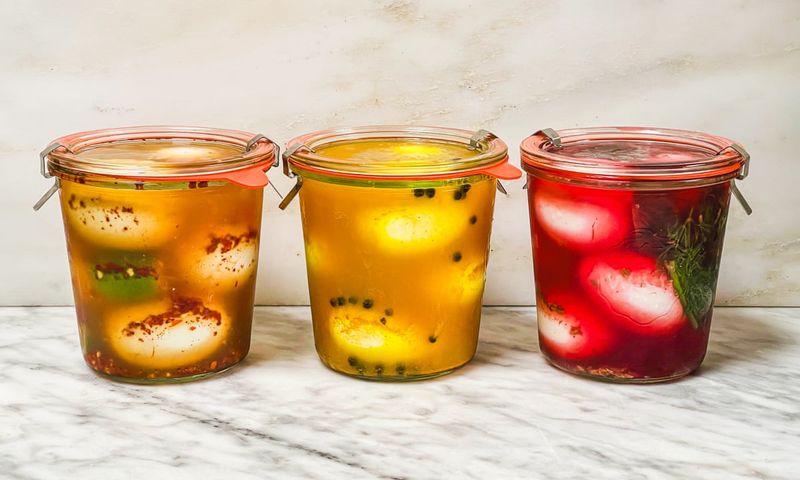
Victorian pubs started keeping jars of these tangy treats behind the bar as a cheap, protein-rich snack for working-class drinkers. The vinegar preservation meant they lasted ages without refrigeration.
Originally a practical solution to egg gluts, they became a beloved pub staple. Some establishments still proudly display massive jars filled with eggs floating in spiced vinegar, looking slightly mysterious but tasting absolutely brilliant.
5. Cheese And Onion Crisps
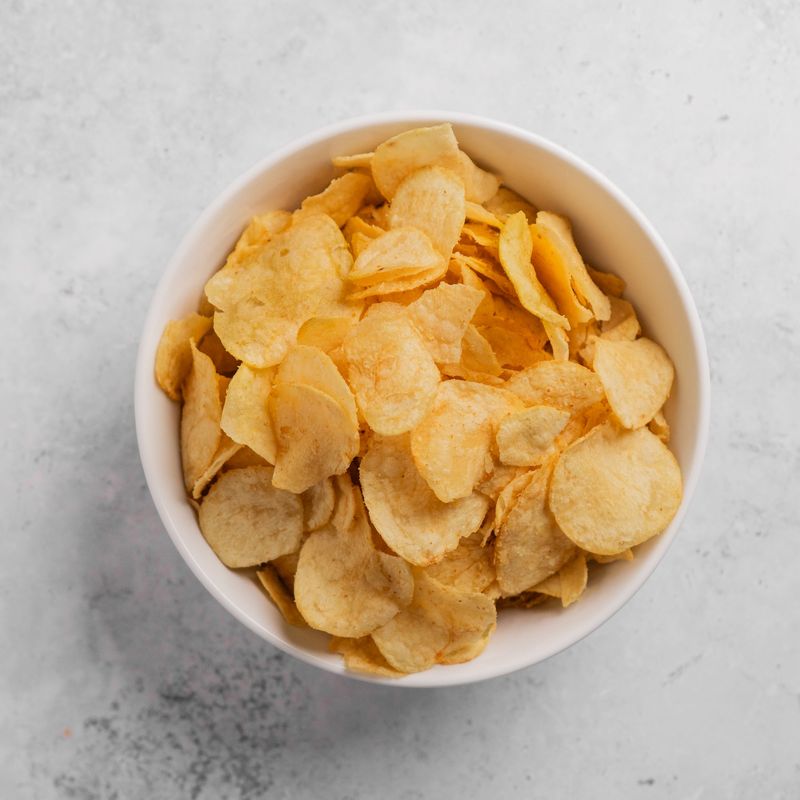
Before 1954, crisps only came in one flavour: plain salted. Then Tayto in Ireland revolutionised snacking by creating the first seasoned crisp variety - cheese and onion.
British companies quickly followed suit, and by the 1960s, this savoury combination dominated pub snack selections. The powdery orange residue on your fingers became a badge of honour amongst crisp enthusiasts nationwide.
6. Prawn Cocktail Crisps
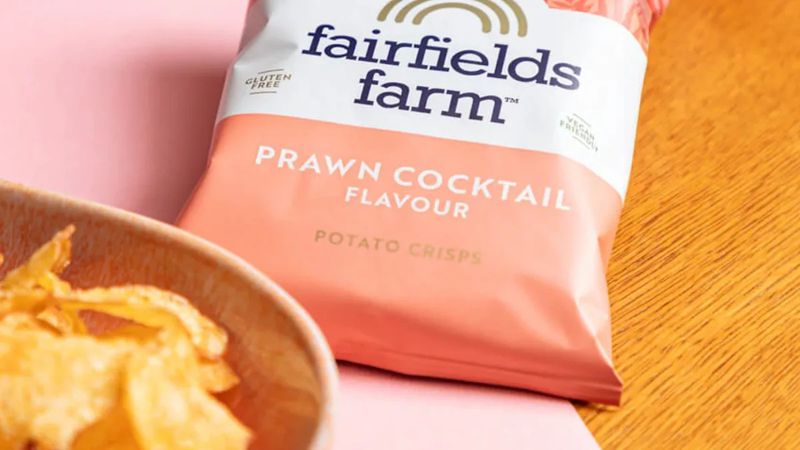
Did you know these pink-tinged crisps contain absolutely no prawns? Launched by Smiths in 1974, they captured Britain's obsession with the retro dinner party starter.
The flavouring comes from tomato powder, lemon, and mysterious spices that somehow taste seafood-adjacent. Despite their questionable authenticity, they became wildly popular and remain a quirky British pub favourite that confuses visitors from abroad.