













Kiwifruit may seem like a simple choice, yet small differences can shape how it tastes, feels, and fits into your diet. Green kiwi remains the familiar option for many households, known for its sharpness and firm texture.
Red kiwi, now appearing more often on supermarket shelves, offers a milder sweetness and a softer bite. Looking beyond appearance, each variety brings distinct nutritional qualities and flavour profiles.
Understanding these subtle contrasts can help you choose the kiwi that best suits your preferences and everyday meals.
This article is for general information only and should not be taken as dietary or medical advice. Nutritional values may vary depending on growing conditions, ripeness, and preparation.
If you have specific health concerns or dietary needs, consult a qualified healthcare professional.
1. Differences In Taste And Sweetness
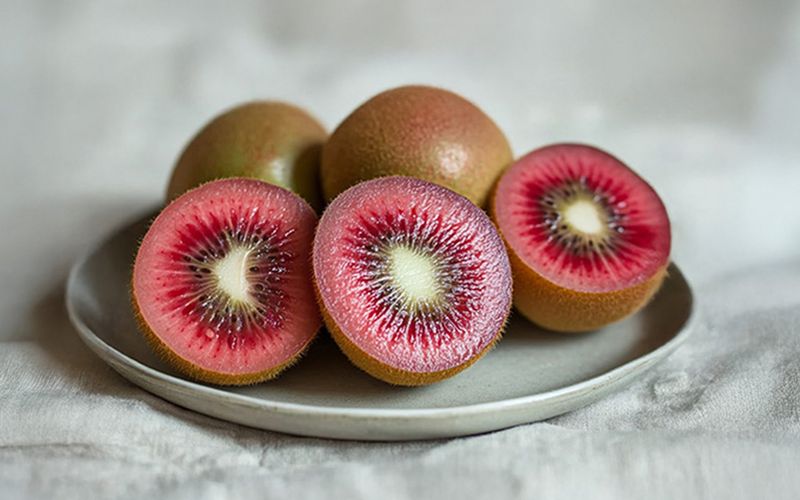
Bite into a green kiwi and you'll get that classic sweet-tart balance that makes your taste buds do a little dance. It's bright, zingy, and refreshingly sharp, like nature's own sherbet.
Red kiwis, though? They're the sweeter sibling by a mile.
Think tropical candy with a creamy, almost berry-like flavour that's less acidic and more indulgent. The sweetness comes from higher sugar content, making them a brilliant choice for kids or anyone who finds green kiwis a bit too tangy.
2. Texture And Flesh Colour Compared
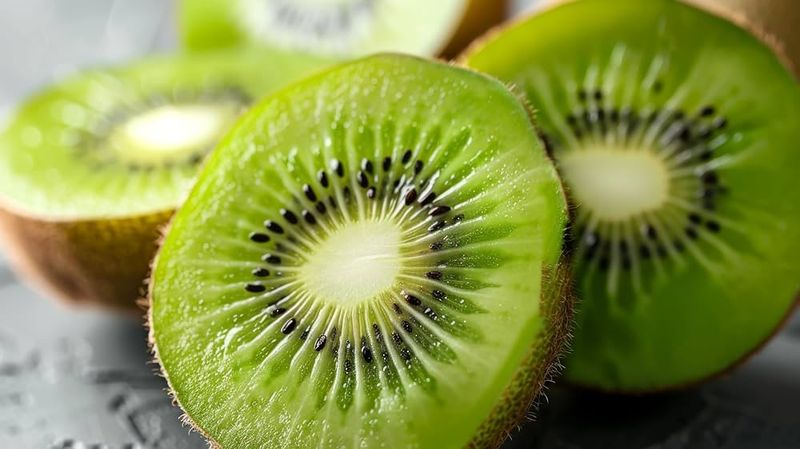
Green kiwis wear their identity proudly with vibrant emerald flesh dotted with tiny black seeds arranged in a starburst pattern. The texture is firm yet juicy, with a slight graininess that adds character.
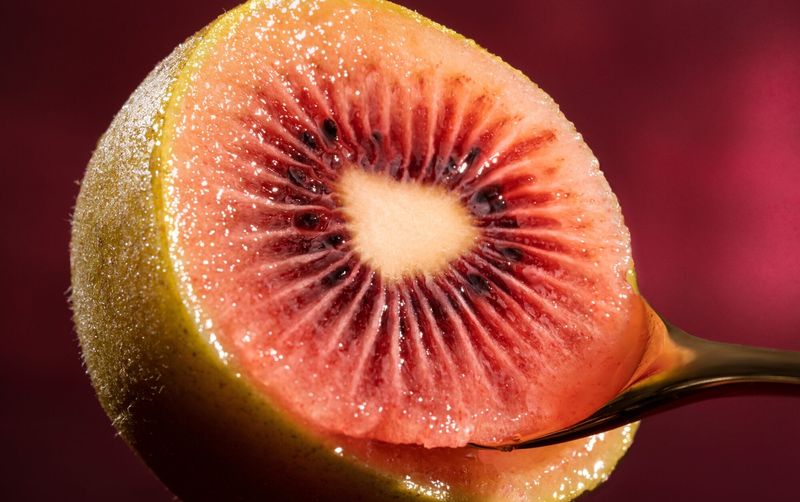
Red kiwis flip the script with golden yellow flesh streaked with pink or red rays radiating from the centre. It's like someone painted sunrise into a fruit.
The texture feels creamier and softer, almost buttery when perfectly ripe, making each bite feel more luxurious than its green counterpart.
3. How Nutrition Varies Between The Two
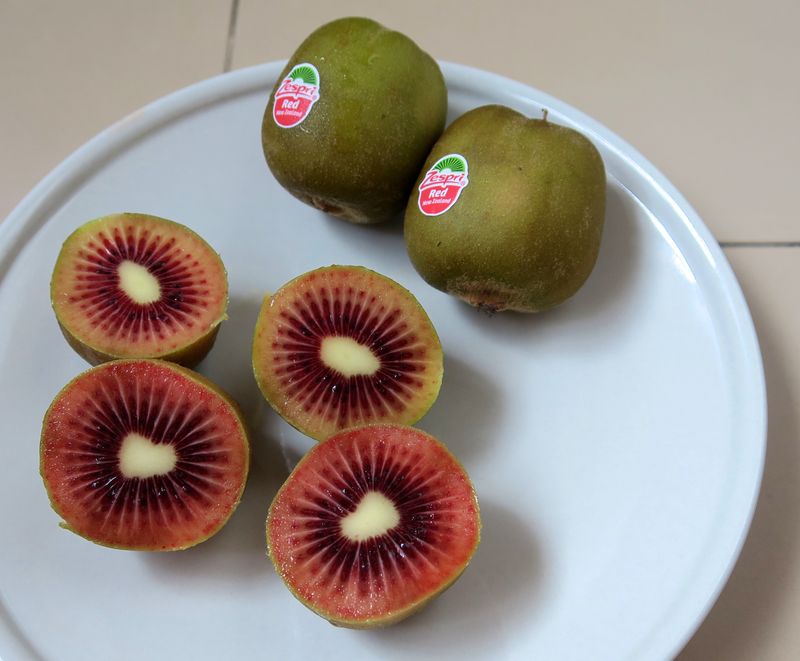
Green kiwis are proper little nutrition bombs, packing roughly 85 to 90 milligrams of vitamin C per 100 grams. They're also higher in vitamin K, which helps your blood clot properly and keeps bones strong.
Fibre content is impressive too, making them brilliant for digestion.
Red kiwis contain about 40 percent more vitamin C than green ones, plus extra potassium for heart health. They've also got more anthocyanins, those powerful antioxidants that give them their rosy hue and boost overall wellness.
4. Which Kiwi Tends To Taste Sweeter
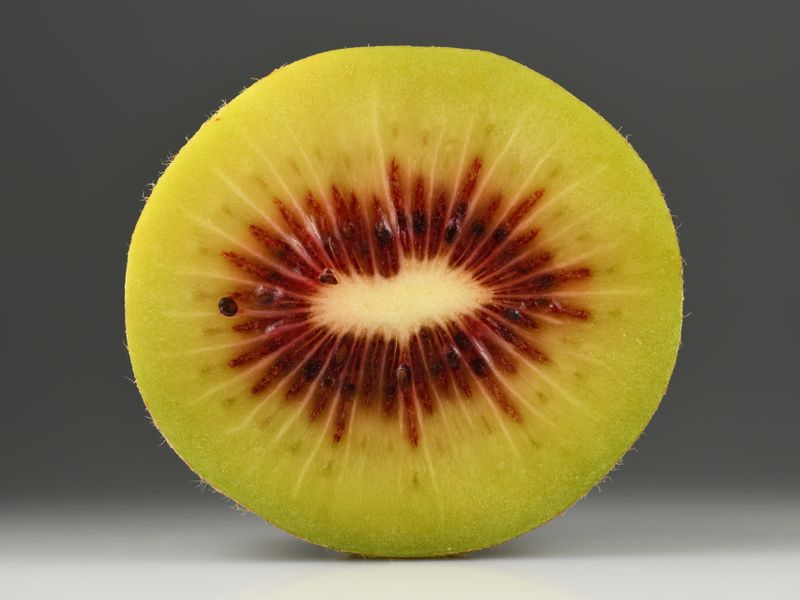
Hands down, red kiwis win the sweetness contest every single time. Their sugar levels are naturally higher, giving them that dessert-like quality without any added nasties.
Some folks describe the flavour as reminiscent of strawberries mixed with tropical fruit, with barely a hint of tartness.
Green kiwis have their own charm with balanced sweetness and acidity, but they can't compete with red kiwis in the sugar stakes. If you're after something that tastes like nature's candy, red is your winner.
5. Uses In Everyday Meals And Snacks
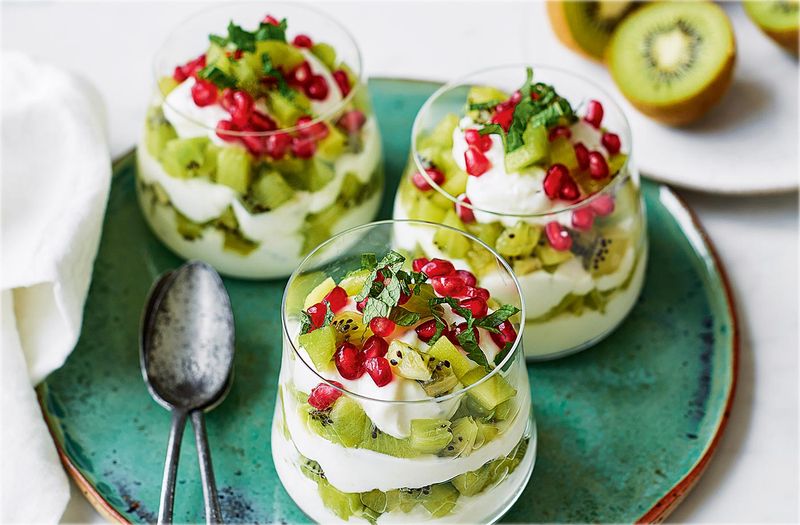
Green kiwis are absolute workhorses in the kitchen. Toss them into smoothies for a tangy kick, layer them in fruit salads, or use them as a natural meat tenderiser thanks to their enzyme content.
They hold their shape well when sliced, making them perfect for garnishing desserts.
Red kiwis shine in sweeter applications. Pop them straight into lunchboxes, blend them into smoothie bowls, or serve them with yoghurt for breakfast.
Their delicate texture means they're best enjoyed fresh rather than cooked.
6. Skin Thickness And Edibility
Green kiwis sport that famously fuzzy brown coat that feels like soft velvet. The skin is actually edible and packed with nutrients, though many people prefer to peel it off because of the texture.
It's a bit thicker and more robust, protecting the fruit during transport.
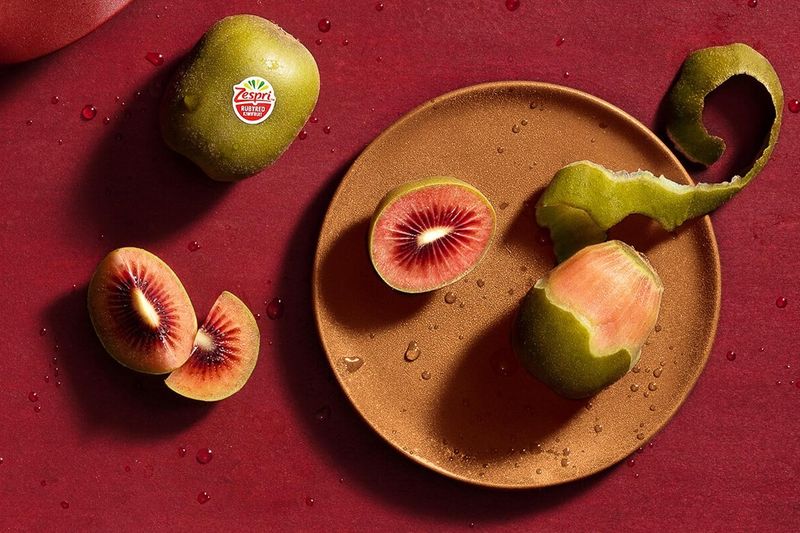
Red kiwis have smooth, nearly hairless skin that's thinner and more delicate. Whilst technically edible, most folks still peel them because the skin can taste slightly bitter.
The smooth exterior makes them easier to handle and less intimidating for fussy eaters.
7. Availability And Seasonal Differences
Green kiwis are the reliable friend who's always around. They're grown in multiple countries including New Zealand, Italy, and Chile, with staggered harvests ensuring year-round availability in most supermarkets.
You'll rarely struggle to find them, and they're typically more affordable.
Red kiwis are trickier to track down and often cost a bit more. They're primarily grown in New Zealand and have a shorter season, usually appearing in shops during autumn and winter.
Their limited availability makes them feel more special, though.
8. How Ripeness Affects Flavour
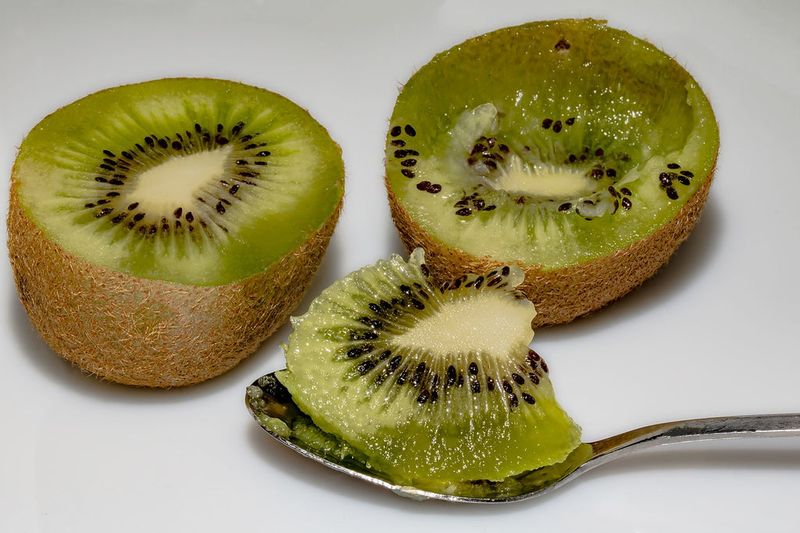
Green kiwis need a gentle squeeze test before eating. When firm, they're mouth-puckeringly tart and not particularly pleasant.
Give them a few days at room temperature until they yield slightly to pressure, and the sweetness develops beautifully whilst the tartness mellows.
Red kiwis transform dramatically as they ripen too. Underripe ones taste bland and starchy, but once they soften, the sugar content seems to explode.
They ripen faster than green kiwis, so keep an eye on them to catch that perfect sweet spot.
9. Choosing Between Red And Green Kiwi At The Shop
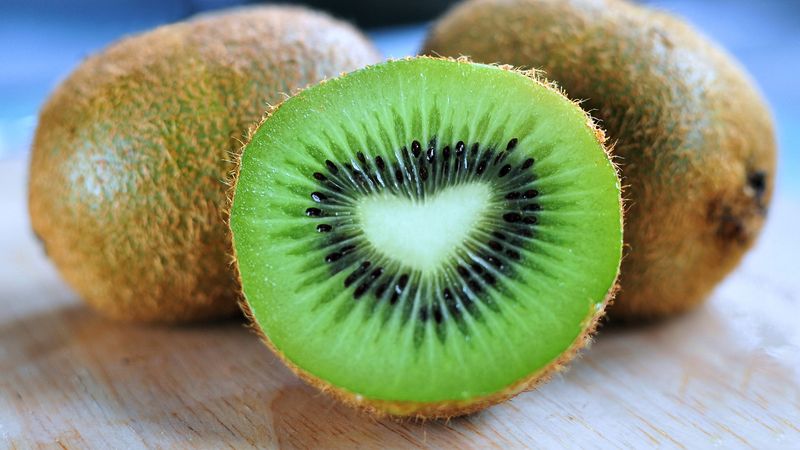
When shopping for green kiwis, look for fruit that's firm but not rock-hard, with unblemished fuzzy skin. Avoid any with soft spots or wrinkles, which signal they're past their prime.
A slight give when gently pressed means they're ready to eat today or tomorrow.
Red kiwis should feel slightly softer than green ones at purchase since they're more delicate. Check the smooth skin for any bruising or damage.
Because they're pricier, you want to ensure you're getting good quality fruit that'll last a few days.
10. Which Kiwi Suits Different Preferences
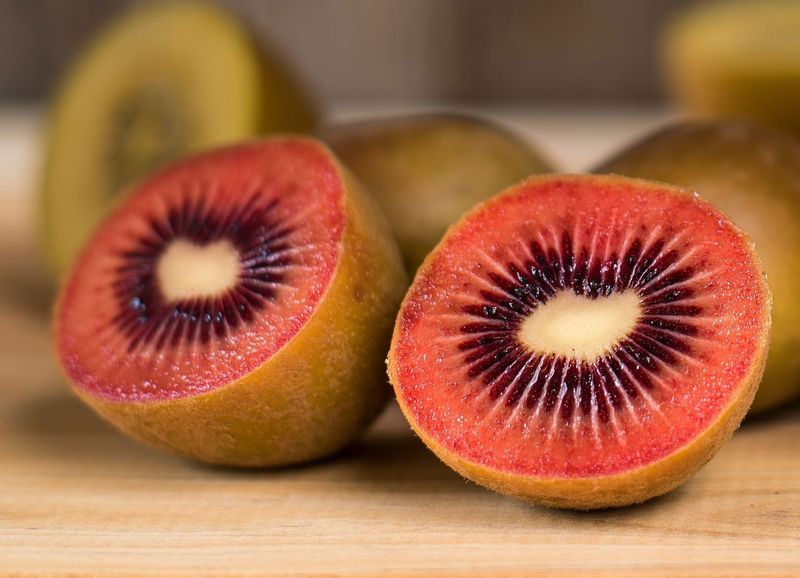
Green kiwis are brilliant for anyone who loves a bit of tang in their fruit. They're perfect if you enjoy complex flavours, want more fibre, or prefer traditional kiwi taste.
Budget-conscious shoppers appreciate their lower price and consistent availability too.
Red kiwis appeal to sweet-toothed folks, children who find green kiwis too sour, and anyone wanting extra vitamin C. They're ideal for special occasions or when you fancy treating yourself to something a bit more luxurious.
Their creamy texture wins over people who find green kiwis too acidic.



