













A daily glass of orange juice sounds harmless, even wholesome, but there is more going on in that glass than most people realise. Between vitamins, natural sugars, and how it fits into everyday habits, the story is not as simple as it seems.
Some benefits might surprise you, while a few drawbacks often get overlooked. Read on to see what actually happens when orange juice becomes a daily ritual.
This article is for general informational purposes and should not be taken as medical or nutritional advice. Individual health needs, conditions, and responses to food and drink can vary, so guidance from a qualified healthcare professional should be sought for personalised advice.
1. Natural Sugar Content

A single glass of orange juice contains around 21 grams of natural sugar, which is roughly the same as a fizzy soft drink. Whilst this sugar comes from fruit rather than added sweeteners, your body processes it similarly.
Drinking too much can lead to weight gain and increased cravings for sweet foods. Moderation is key to enjoying orange juice without overdoing the sugar intake daily.
2. Vitamin C Benefits

Orange juice delivers an impressive dose of vitamin C, essential for strengthening your immune system and fighting off colds. Just one glass provides more than your daily recommended amount of this powerful antioxidant.
Vitamin C also helps your skin stay healthy and aids in healing wounds faster. Regular intake supports overall wellness, making orange juice a valuable addition when consumed mindfully.
3. Fibre Loss Compared To Whole Fruit

When oranges are juiced, most of the fibre gets removed, leaving behind mainly liquid and sugar. Fibre is crucial for digestion, keeping you full longer, and regulating blood sugar levels effectively.
Eating a whole orange gives you about 3 grams of fibre, whilst juice has almost none. Choosing whole fruit over juice more often helps maintain better digestive health and satisfaction.
4. Impact On Blood Sugar Levels

Without fibre to slow absorption, the natural sugars in orange juice enter your bloodstream rapidly. This causes a quick spike in blood sugar, followed by a sudden drop that leaves you feeling tired.
For people with diabetes or insulin resistance, this rollercoaster effect can be problematic. Pairing juice with protein or choosing whole fruit instead helps stabilise energy levels throughout the morning.
5. Effect On Teeth And Enamel
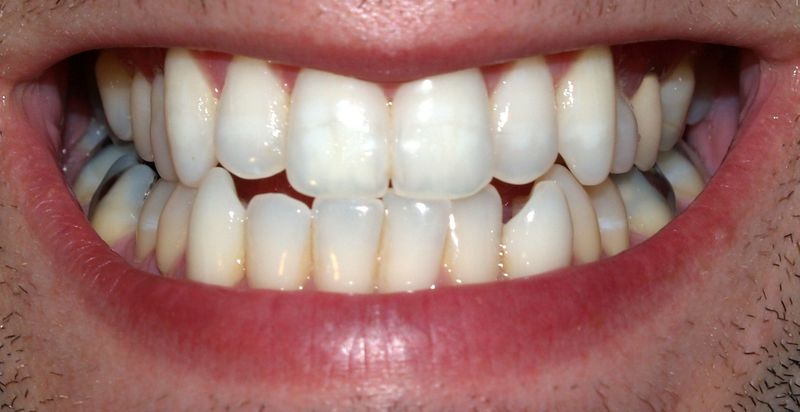
Orange juice is quite acidic, with a pH level that can weaken tooth enamel over time. Frequent exposure to this acidity increases the risk of cavities and tooth sensitivity significantly.
Drinking through a straw and rinsing your mouth with water afterwards reduces contact with teeth. Waiting at least 30 minutes before brushing prevents further enamel damage after drinking acidic beverages.
6. Calories In A Single Glass
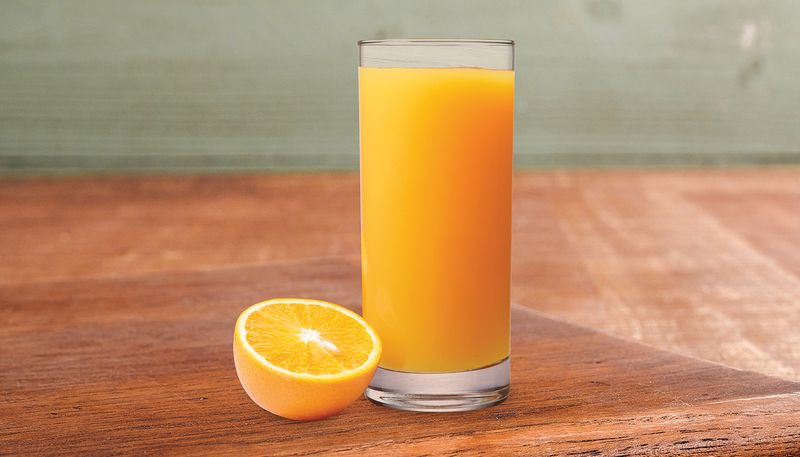
One 250ml glass of orange juice typically contains around 110 to 120 calories, depending on whether it's freshly squeezed or shop-bought. Whilst this might not seem like much, those calories add up quickly.
Because juice lacks fibre, it doesn't fill you up like solid food does. Drinking multiple glasses daily can contribute to unexpected weight gain without providing lasting satisfaction or fullness.
7. Store-Bought Versus Freshly Squeezed

Not all shop-bought orange juice is created equal, but many options remain nutritionally similar to freshly squeezed versions. Pasteurisation can slightly reduce some vitamin levels, though the difference is usually modest and not dramatic.
Juice made from concentrate still counts as pure fruit juice, even though it goes through additional processing steps. Checking labels for 100 percent juice helps you understand exactly what you are drinking.
Choosing between fresh and shop-bought often comes down to taste, convenience, and how often juice fits into your routine.
8. Role In A Balanced Diet

Orange juice can definitely be part of a healthy diet when enjoyed in moderation and alongside other nutritious foods. Limiting yourself to a small glass occasionally, rather than daily, helps avoid excessive sugar intake.
Balancing juice with whole fruits, vegetables, proteins, and grains provides better overall nutrition. Treating orange juice as an occasional treat rather than a daily staple supports long-term health and wellness goals.



