











It is easy to assume a balanced diet covers all the bases, yet quiet gaps can creep in without much warning. Busy routines, food habits, and changing appetites all play a part in what ends up on the plate.
Some nutrients slip under the radar simply because their absence does not shout for attention. Keep reading to see which ones are most often missed and why they matter more than many realise.
All information is provided for general interest only and is not intended as medical advice. Nutrient needs vary between individuals, and dietary concerns should be discussed with a qualified health professional.
1. Fibre
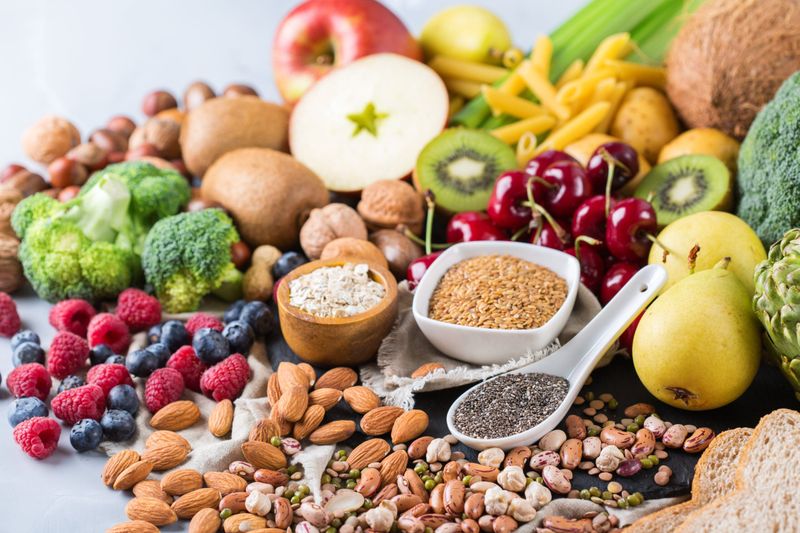
Most people consume barely half the fibre they actually need each day. Your digestive system relies on this nutrient to function properly, yet it's surprisingly easy to fall short.
Whole grains, beans, vegetables, and fruits are your best sources. Adding just a handful of raspberries to your breakfast or swapping white bread for wholemeal can make a real difference in reaching your daily target.
2. Vitamin D
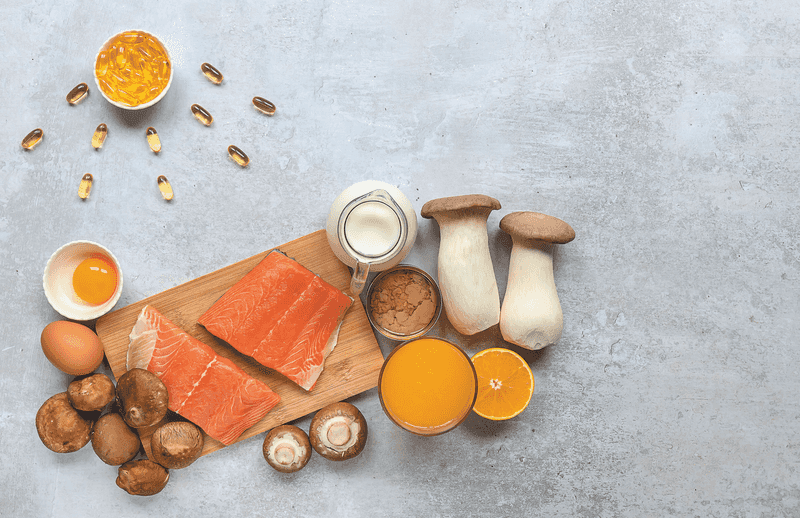
Known as the sunshine vitamin, this one's tricky because you can't get enough from food alone. Your skin produces it when exposed to sunlight, but modern indoor lifestyles mean many people simply don't get adequate exposure.
Fatty fish like salmon and mackerel help, as do fortified cereals and dairy products. During winter months, supplementation often becomes necessary for maintaining healthy levels.
3. Iron
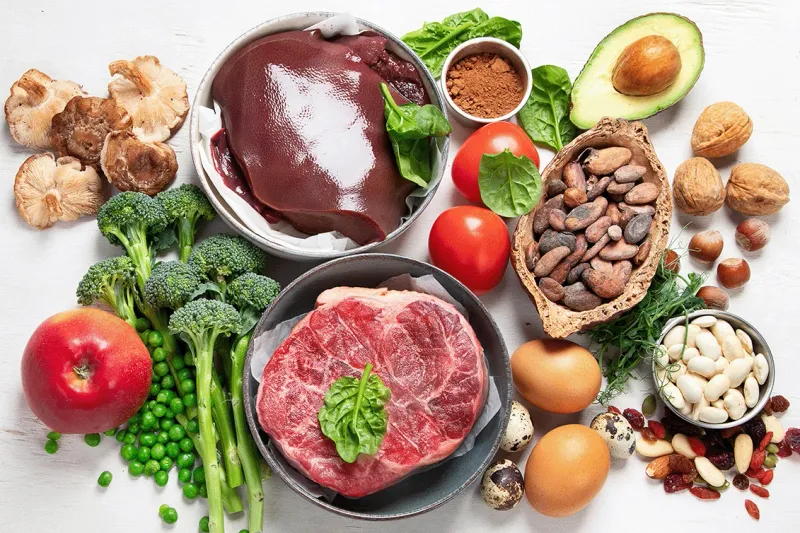
Women of childbearing age face the highest risk of iron deficiency, though anyone can fall short. This mineral carries oxygen throughout your body, so low levels leave you feeling constantly exhausted.
Red meat provides the most easily absorbed form, but vegetarians can rely on beans, fortified cereals, and dark leafy greens. Pairing these with vitamin C-rich foods boosts absorption significantly.
4. Magnesium
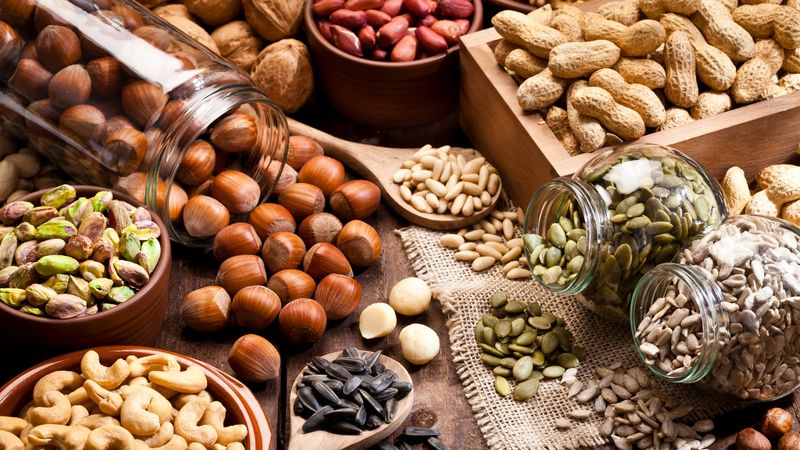
Your muscles, nerves, and heart depend on magnesium, yet surveys show most adults don't meet recommended intakes. Stress actually depletes your stores faster, creating a vicious cycle.
Nuts, seeds, whole grains, and dark chocolate are excellent sources. Green leafy vegetables pack a punch too.
Just a small handful of pumpkin seeds or almonds as an afternoon snack helps bridge the gap.
5. Potassium
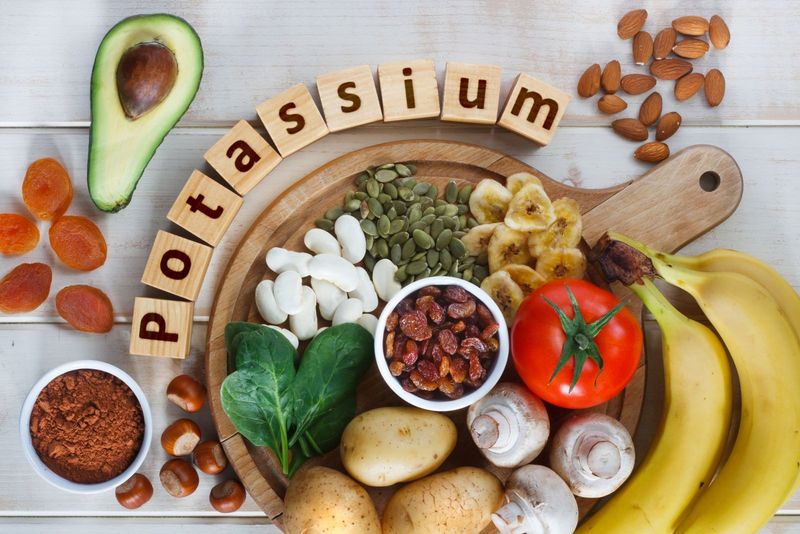
Everyone knows bananas contain potassium, but few realise how much you actually need daily. This mineral regulates blood pressure and supports proper muscle function, making it absolutely essential.
Sweet potatoes, white beans, yoghurt, and spinach all outrank bananas in potassium content. Eating a variety of fruits and vegetables throughout the day ensures you're getting closer to optimal levels.
6. Calcium
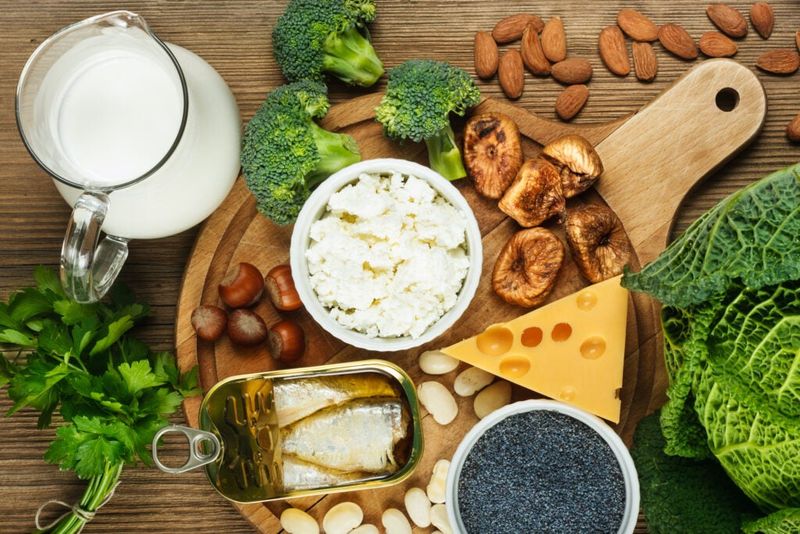
Strong bones need calcium, but your body uses it for muscle contractions and nerve signals too. Many adults gradually consume less as they age, putting bone health at risk.
Dairy products remain the most concentrated sources, though sardines with bones, fortified plant milks, and leafy greens work brilliantly for those avoiding dairy. Consistent daily intake matters more than occasional large amounts.
7. Iodine

Your thyroid gland needs iodine to produce hormones that control metabolism. Since it's mainly found in seafood and iodised salt, people who avoid these foods often fall short without realising it.
Seaweed, white fish, eggs, and dairy products provide reliable amounts. If you're using fancy sea salt or Himalayan pink salt instead of iodised table salt, you might be missing out completely.
8. Zinc

Wound healing, immune function, and even your sense of taste depend on zinc. Plant-based eaters face particular challenges because the zinc in plant foods isn't absorbed as efficiently as that from animal sources.
Oysters contain more zinc than any other food, but beef, pumpkin seeds, and chickpeas offer solid alternatives. Soaking or sprouting beans and grains improves how much your body can actually use.
9. Vitamin B12
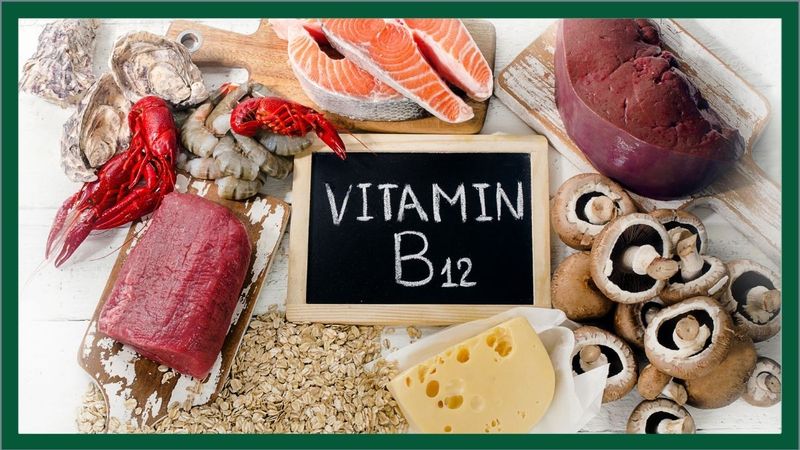
Vitamin B12 is essential for nerve health and red blood cell production, yet it is one of the nutrients people overlook most easily. It occurs naturally in animal-based foods, but it is also added to certain fortified products.
People following plant-based diets need to pay particular attention to those fortified options. Absorption can also become less efficient with age, regardless of diet.
Regular intake matters because low levels often develop slowly and quietly.
10. Folate

Pregnant women hear about folate constantly, but everyone needs it for healthy cell division and DNA production. Cooking destroys much of it, so preparation methods really matter.
Dark leafy greens, lentils, asparagus, and Brussels sprouts provide natural folate. Fortified cereals and bread help too.
Lightly steaming vegetables instead of boiling them preserves more of this delicate vitamin for your body to use.
11. Omega-Three Fatty Acids
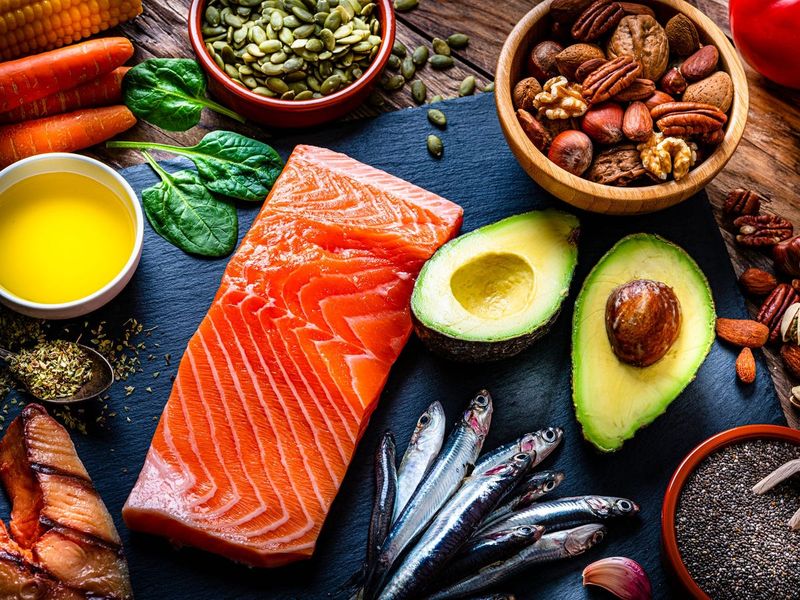
Brain health, heart function, and inflammation control all rely on omega-3s. Most people get plenty of omega-6 fatty acids but fall dramatically short on omega-3s, creating an unhealthy imbalance.
Fatty fish like salmon, mackerel, and sardines provide the most beneficial forms. Vegetarian sources include walnuts, flaxseeds, and chia seeds, though your body converts these less efficiently than fish-based omega-3s.
12. Choline

Choline plays an important role in brain function, liver health, and muscle control, but it rarely gets much attention. Many everyday diets include some choline without people realising it.
Eggs are a well-known source, though other foods like fish, poultry, and certain vegetables also contribute. Requirements differ depending on age and lifestyle, so intake can vary widely between individuals.
Including a mix of choline-containing foods helps support steady intake over time.