













Japanese rice crackers often sit side by side on supermarket shelves, yet they are not interchangeable. Senbei and arare may share the same core ingredient – rice – but their size, texture, and preparation create noticeably different results.
One tends to be larger and more robust, while the other is smaller, lighter, and often more playful in flavour. Knowing how each is made helps explain why they taste and feel so distinct.
From the type of rice used to the way they are baked or seasoned, these traditional snacks reflect different culinary approaches. Understanding those details makes it easier to choose the right option for casual nibbling, tea-time serving, or pairing with drinks.
All information is provided for general interest only. Ingredients, preparation methods, and flavour profiles may vary depending on brand or region. Always check product packaging for the most accurate details.
Size And Shape Differences
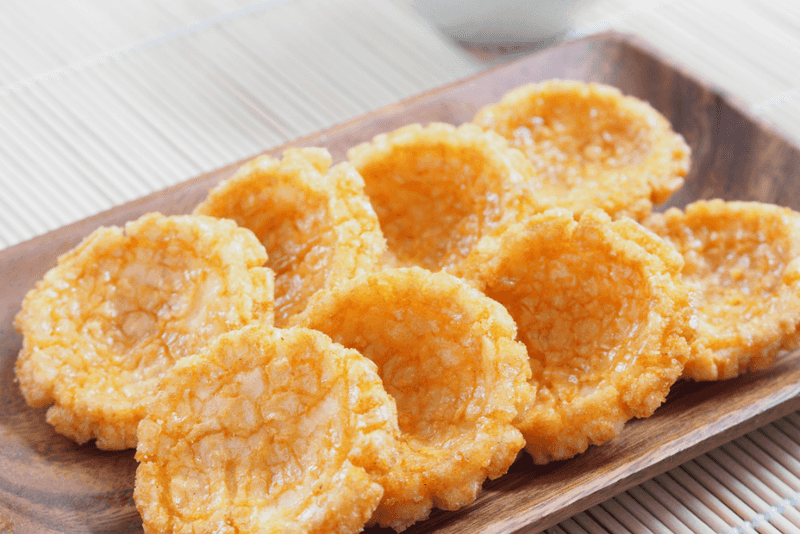
Senbei tend to be rather generous in size, usually flat and round or square, making them proper statement crackers. You'll often find them individually wrapped because they're big enough to share or save for later.
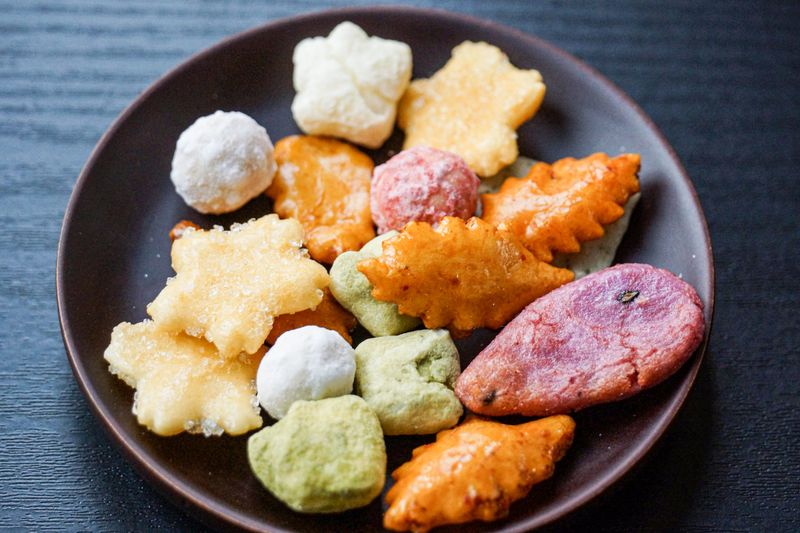
Arare, on the other hand, are dainty little things that resemble hailstones, which is actually what their name means in Japanese. These bite-sized pieces come in various shapes and colours, perfect for popping into your mouth without any fuss or faffing about with breaking them up first.
Texture And Crunch Comparison
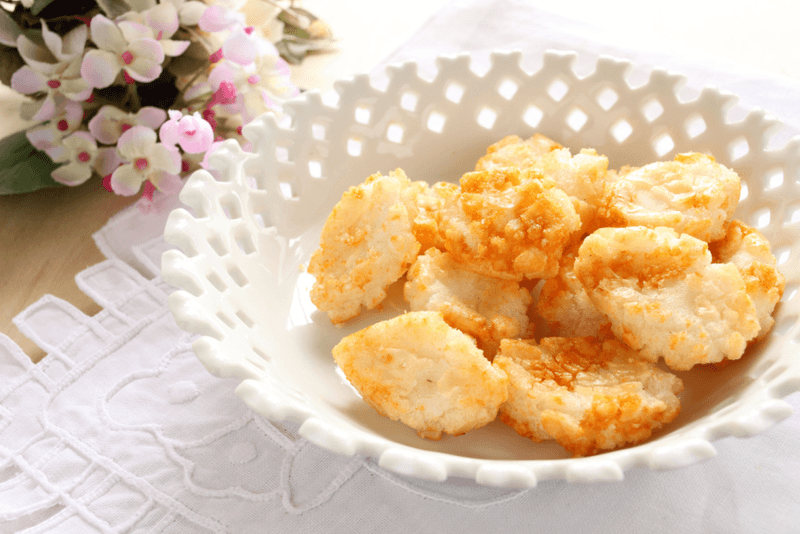
Bite into a senbei and you'll get a proper satisfying crunch that's quite hard and firm. The texture is dense and substantial, giving your teeth something to work with whilst releasing all those lovely toasted rice flavours.
Arare offer something altogether different with their light, airy quality that practically dissolves on your tongue. Made from glutinous rice, they're delicate and almost ethereal in how they crumble, creating a gentler munching experience that's less about the jaw workout and more about subtle enjoyment.
Traditional Ingredients Used
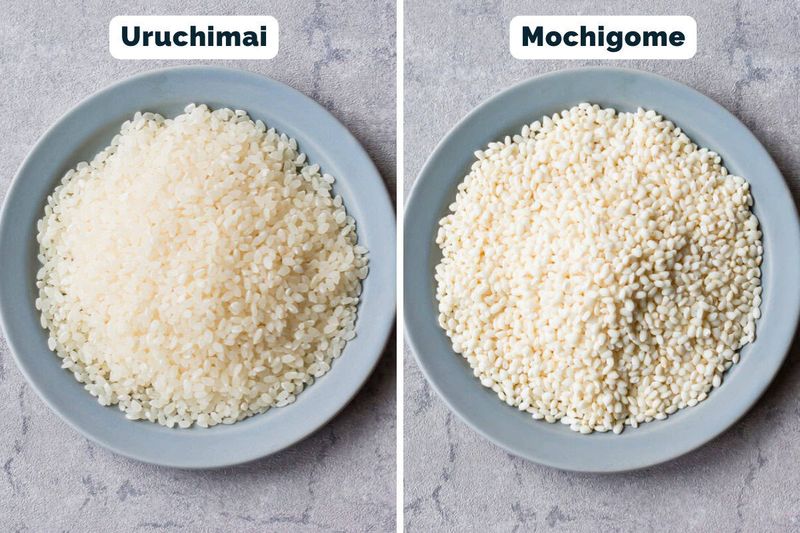
The secret behind their differences starts with the rice itself. Senbei are crafted from uruchimai, which is non-glutinous rice, the same everyday variety Japanese families cook for meals.
This gives them that firm, crispy character.
Arare take a completely different route, using mochigome or glutinous rice, the sticky stuff that makes proper mochi. This glutinous rice creates that distinctive light, puffy texture when baked or fried, resulting in crackers that feel almost weightless compared to their denser cousins.
Sweet Vs Savoury Flavour Profiles
Senbei come in an absolutely brilliant range of flavours, from classic soy sauce and sesame to seaweed, shrimp, and even sweet versions brushed with sugar syrup. Regional variations mean you'll find everything from miso to curry flavoured options depending on where you shop.
Arare typically stick to simpler seasoning, often featuring soy sauce, a touch of sugar, or seaweed wrapping. They're frequently mixed with peanuts or other bits in snack mixes, letting their delicate rice flavour shine through without overwhelming your palate.
Regional Origins And History

Both crackers have deep roots in Japanese food culture, though senbei enjoy particularly strong regional identities. Different areas across Japan developed their own signature styles, from Soka senbei in Saitama to Nanbu senbei from northern regions, each with distinct preparation methods and flavours passed down through generations.
Arare, whilst less regionally varied, hold special significance during festivals like Hinamatsuri, the Doll's Day celebration. They've also travelled brilliantly, becoming hugely popular in Hawaii where they're known as kakimochi and mixed into local snack blends.
How They Are Traditionally Served
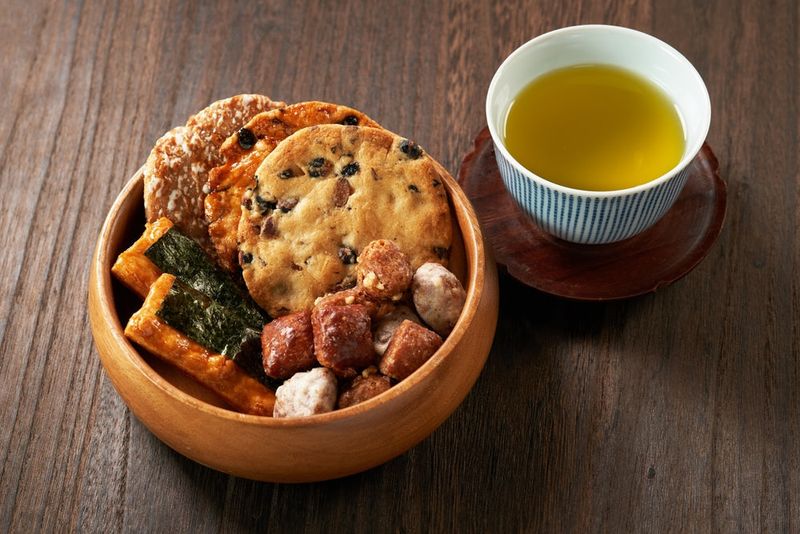
Senbei are proper tea-time companions, traditionally enjoyed alongside a steaming cup of green tea. Their substantial size and satisfying crunch make them ideal for thoughtful nibbling during afternoon breaks, and they're also popular as gifts, beautifully packaged in decorative tins or boxes.
Arare shine in more casual settings, often appearing in mixed snack bowls at parties or gatherings. Their bite-sized nature makes them brilliant for grazing, and you'll frequently find them combined with other treats like peanuts, creating that moreish mix you simply can't stop munching.
Cooking Methods And Preparation
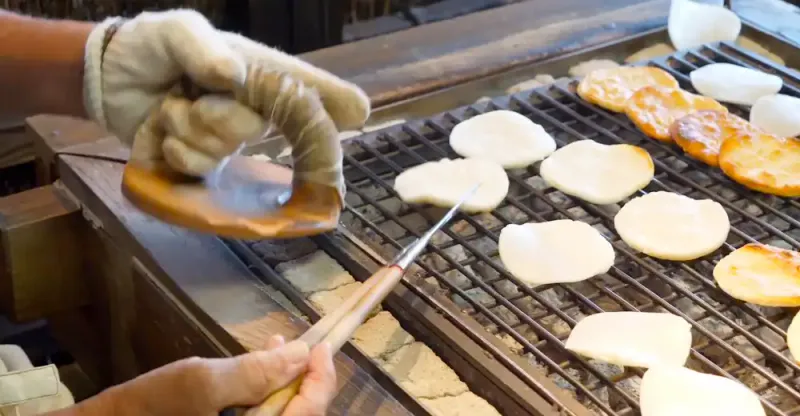
Creating senbei involves steaming rice, pounding it into dough, then baking or grilling the shaped crackers, sometimes over charcoal which adds a gorgeous smoky aroma. This direct heat method creates those characteristic toasted spots and deep flavours that make senbei so addictive.
Arare follow a more involved process where glutinous rice gets steamed, pounded into mochi, cut into small pieces, dried thoroughly, and finally baked or fried. This multi-step approach transforms sticky mochi into crispy little gems that keep their light, airy texture beautifully.
Packaging And Presentation Styles
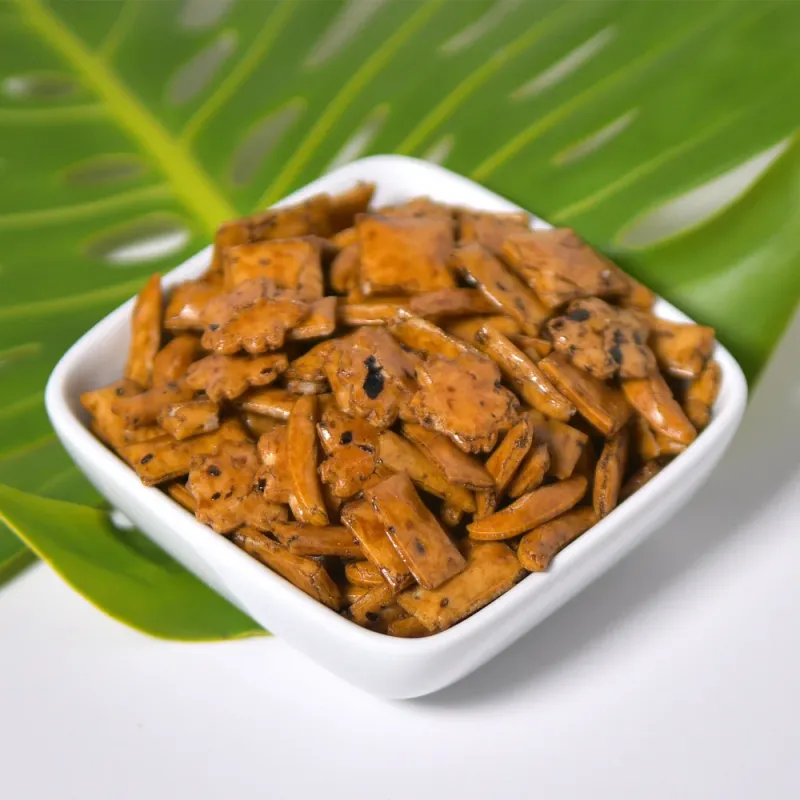
Senbei often come individually wrapped within decorative tins or boxes, making them brilliant gifts that show real thoughtfulness. Their larger size means each cracker gets treated like a proper little treasure, protected from moisture and presented with care that reflects Japanese attention to detail.
Arare typically appear in colourful bags or mixed assortments, their small size lending itself to casual snacking rather than formal presentation. However, during festivals, you'll find them beautifully arranged in special boxes, proving these tiny crackers deserve respect too when the occasion calls for it.
When To Choose Senbei Over Arare
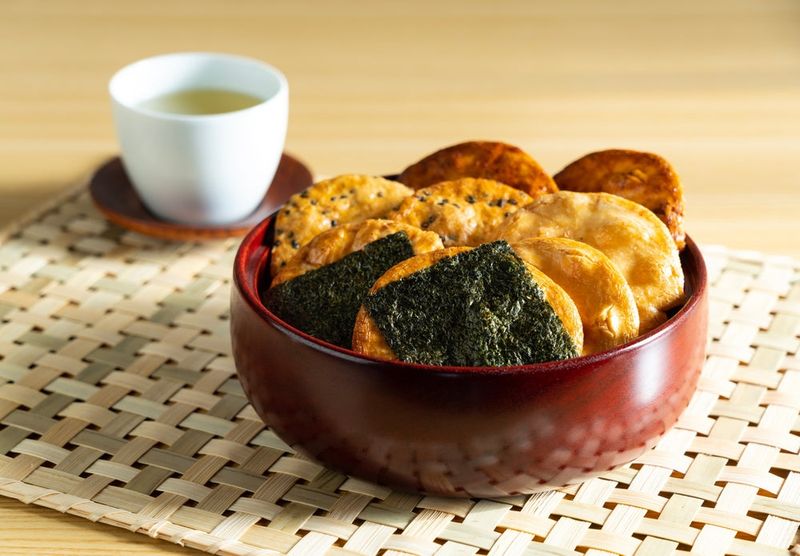
Reach for senbei when you fancy something substantial that pairs brilliantly with tea or when you want a snack that feels like a proper treat rather than mindless munching. Their bold flavours and satisfying crunch make them perfect for deliberate snacking sessions where you're actually paying attention to what you're eating.
Arare work better for parties, road trips, or any situation where you need easy finger food that won't create crumbs everywhere. Their light texture means you can eat loads without feeling too stuffed, making them ideal for long cinema sessions or casual grazing.



