













Golden spices often sneak into meals without much thought, quietly adding colour and warmth to everyday cooking. Turmeric has been part of traditional dishes for generations, valued not only for flavour but also for its long-standing place in home remedies and cultural kitchens.
Many people have grown curious about how this vibrant spice might support overall wellbeing when used regularly in meals. You may have already stirred it into soups, curries, or teas without realising its broader reputation.
Exploring how turmeric fits into modern diets shows how simple ingredients can carry traditions while remaining part of everyday routines.
The information provided here is for general educational purposes only and is not intended to replace professional medical advice, diagnosis, or treatment. Individual responses to dietary changes can vary, and readers should consult a qualified healthcare professional before making changes, especially when managing medical conditions or taking medication.
1. Supporting The Body's Natural Inflammatory Response
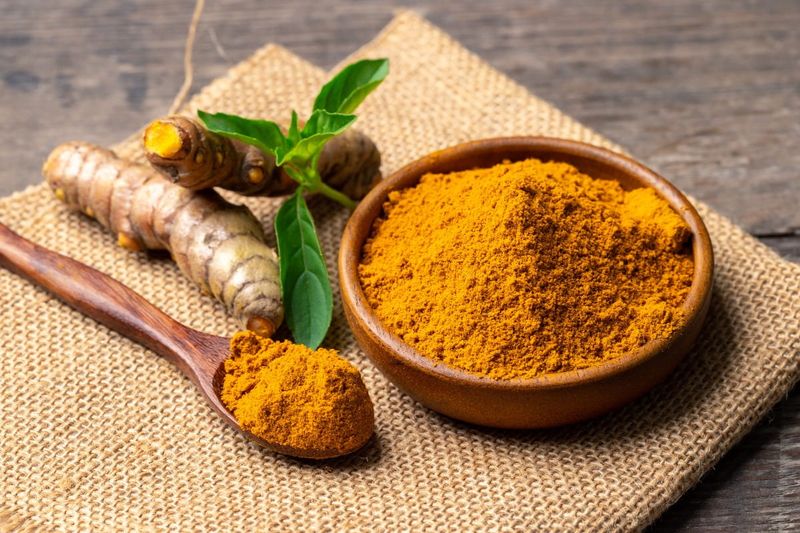
Your body uses inflammation as a natural defence mechanism, but sometimes it needs a bit of support to keep things balanced. Turmeric contains curcumin, which scientists believe may help the body manage its inflammatory responses more effectively.
When inflammation becomes chronic, it can affect how you feel day to day. Including turmeric regularly in your diet might provide gentle support to help your body maintain a healthier balance naturally.
2. How Curcumin Interacts With Inflammation Pathways

Curcumin works at the molecular level by interacting with various proteins and enzymes that control inflammation in your body. It's quite fascinating how this natural compound can influence multiple pathways simultaneously.
Rather than targeting just one aspect, curcumin appears to work with your body's existing systems. This multi-targeted approach is what makes turmeric such an intriguing ingredient for researchers studying natural wellness support.
3. Helping Maintain Joint Comfort And Mobility

Joints can sometimes feel stiff or uncomfortable, especially as we get older or after repetitive movements. Many people have turned to turmeric as a way to support their joint comfort naturally.
The curcumin in turmeric may help maintain the flexibility and ease of movement you need for daily activities. Whether you're gardening, playing with grandchildren, or simply climbing stairs, keeping your joints comfortable matters tremendously.
4. Supporting Recovery After Physical Activity
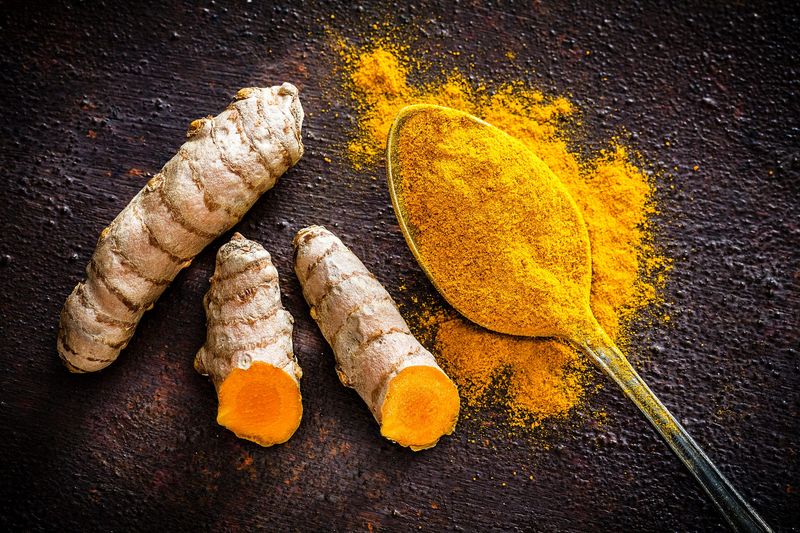
After physical activity, many people look for foods that feel comforting and nourishing as part of their routine. Turmeric is sometimes included in meals or drinks because it has long been used in traditional cooking and wellness practices.
Warm dishes containing spices can feel soothing after exercise or busy days. Including turmeric as part of balanced meals may help support overall dietary variety.
Adding flavourful ingredients can make recovery meals more enjoyable and satisfying.
5. Potential Role In Supporting Digestive Comfort
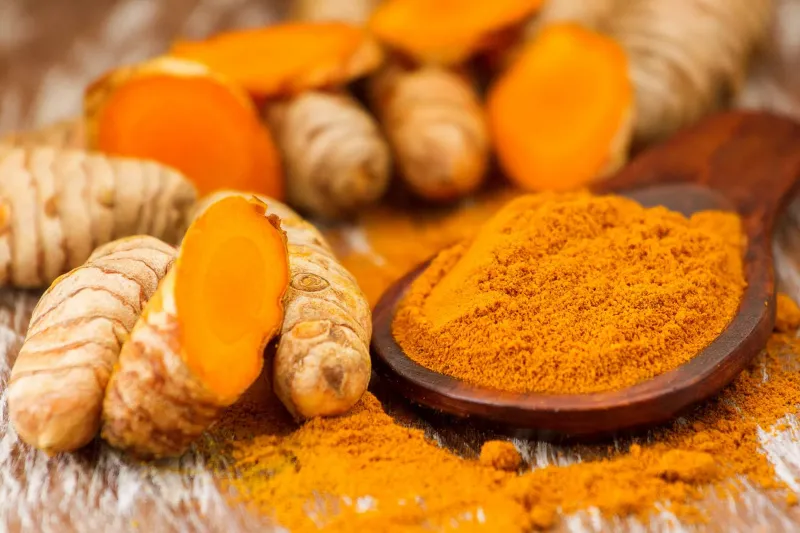
Spices have been included in cooking traditions for centuries, often valued for the flavour they bring to meals. Turmeric is frequently used in dishes that feel warming and aromatic, which many people associate with comforting foods.
Some traditional cuisines include turmeric in recipes prepared for relaxed, hearty meals. Using spices in everyday cooking can help add variety to meals and encourage balanced eating habits.
Incorporating turmeric into recipes offers a simple way to enjoy both flavour and cultural culinary traditions.
6. How Turmeric May Support Immune System Balance
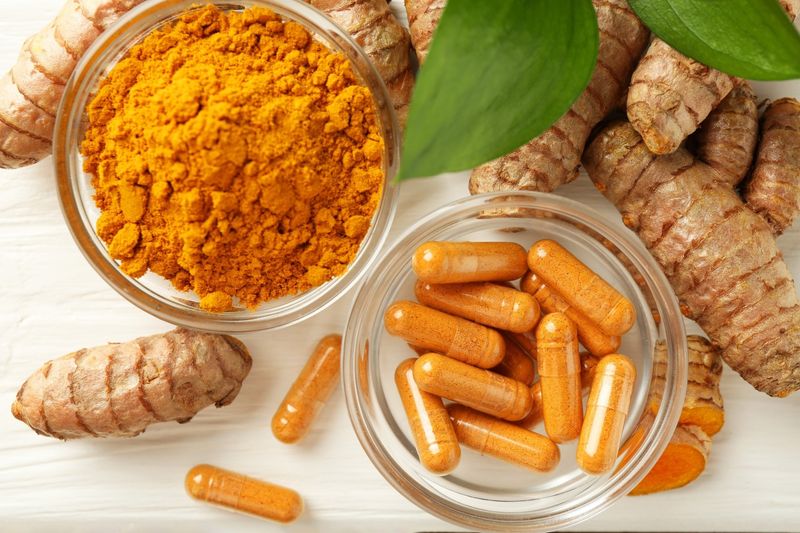
A well-balanced immune system is essential for staying healthy throughout the year. Turmeric's properties extend beyond inflammation support to potentially helping your immune system function optimally.
Curcumin appears to have immunomodulating effects, which means it might help keep your immune responses balanced. This doesn't mean boosting immunity excessively, but rather supporting it to work as efficiently as possible when you need it most.
7. The Importance Of Pairing Turmeric With Black Pepper
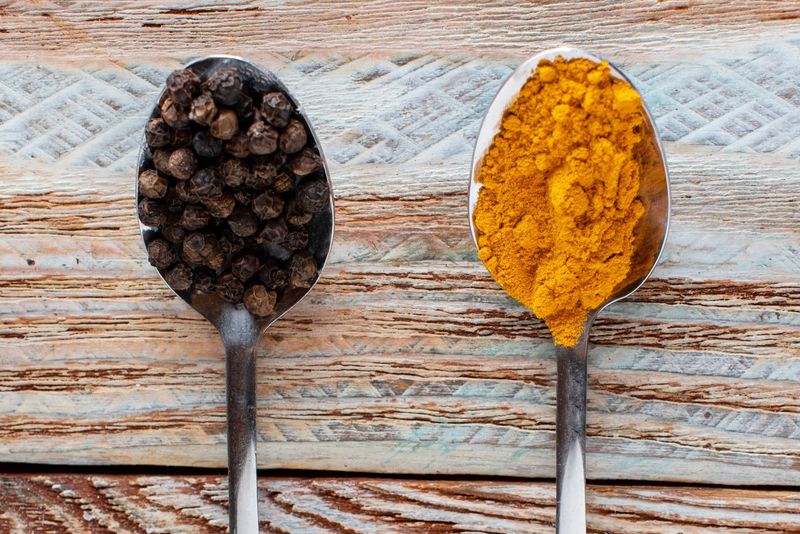
Pairing turmeric with black pepper is often recommended in cooking because the two spices complement each other well in flavour and tradition. Black pepper contains a natural compound called piperine that may help the body absorb certain plant compounds more effectively.
Using both spices together is a common practice in many traditional recipes around the world. The pairing also enhances aroma and adds depth to savoury dishes such as soups, curries, and roasted vegetables.
Including both ingredients in meals is an easy way to enjoy their combined flavour and culinary tradition.
8. Ways Regular Turmeric Use May Support Overall Wellness

Adding turmeric to meals regularly can introduce colour, warmth, and variety to everyday cooking. Many people enjoy including it in rice dishes, soups, smoothies, and egg recipes.
Rotating spices through meals helps create balanced and interesting flavours throughout the week. Exploring different ways to cook with turmeric can make meals feel fresh and enjoyable.
Including a range of herbs and spices supports a varied and flavourful diet.



