













There is something quietly satisfying about snapping a square of dark chocolate after dinner. It feels like a small reward that somehow makes an ordinary evening better.
For years, people have hoped that this tiny pleasure might come with more than just good taste.
Researchers have been exploring how much dark chocolate may be linked to lower heart health risks, looking at portion size rather than indulgence. The focus is not on eating a whole bar, but on a measured amount that fits into an overall balanced diet.
That sweet spot might be smaller than you think - and surprisingly easy to work into your week.
This article is for general informational purposes only and does not replace medical advice. Dietary choices and heart health needs vary, so consult a qualified healthcare professional before making significant changes.
What "Ideal Amount" Really Means In The Research

When studies talk about an ideal amount of dark chocolate, they usually mean the intake range linked with lower heart-related risk in large population data, not a perfect personal prescription. Most of that evidence is observational, which means it can show associations but cannot prove cause and effect on its own.
Researchers also lump many types of chocolate together, and real-world products vary a lot in cocoa content, sugar, and flavanol levels. That is why headlines can sound more confident than the fine print.
The safest way to read the evidence is as “moderate amounts look more promising than very high amounts”, rather than “more is always better”. One large meta-analysis found lower cardiovascular disease risk with intakes under 100 g per week, with the lowest risk around a moderate weekly amount.
Another systematic review also points to a non-linear pattern, where benefits level off and can trend the other way at higher intakes. So the “ideal amount” is really shorthand for a sweet spot that shows up repeatedly in the data.
The "Sweet Spot" Linked To Lower Heart Risk In Big Studies
If you want a number that is actually grounded in published research, one widely cited dose–response meta-analysis points to about 45 g of chocolate per week as the point linked with the lowest cardiovascular disease risk.
That is not a daily bar situation, more like a few small portions spread across the week, with the same analysis suggesting the association sits below 100 g per week.
Another dose–response review looking across chronic outcomes reported that any apparent benefits do not keep rising forever, and for heart failure it found the lowest risk around 12 g per day, with a slight upward trend once intake goes past about 35 g per day.
Put together, the theme is pretty consistent: small-to-moderate portions show the most promising links, while bigger amounts start bringing the “extra calories and sugar” issue into the picture.
Why Cocoa Flavanols Matter More Than The Chocolate Label
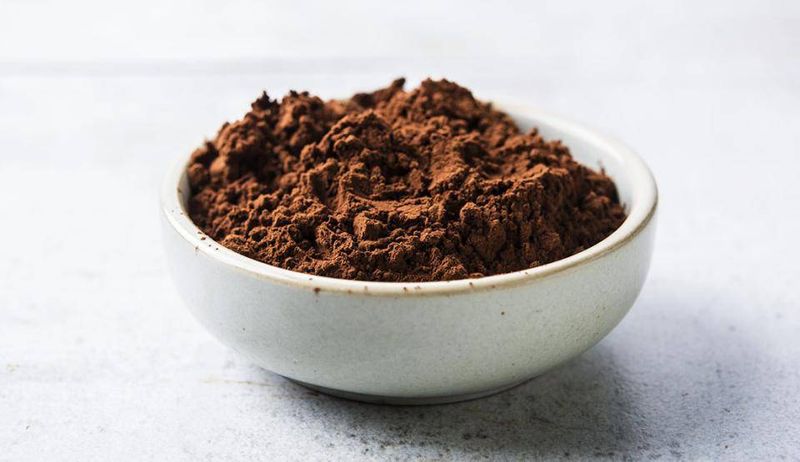
A lot of the heart-interest around dark chocolate comes down to cocoa flavanols, not the word dark on the wrapper. The EU-authorised health claim is actually about cocoa flavanols helping maintain the elasticity of blood vessels, which contributes to normal blood flow, and it specifies that the beneficial effect is obtained with a daily intake of 200 mg of cocoa flavanols.
That is important because many chocolate products do not list flavanol content, and processing can reduce it. Reviews of clinical trials also show cocoa or flavanol-rich chocolate can produce modest improvements in blood pressure and vascular function, although effects vary by study design and dose.
Cocoa percentage is a rough clue, but it is not a direct measure of flavanols, and it does not automatically mean “heart-helpful”. Heart UK notes that flavanol content differs across chocolate types, which is another reminder that two “dark” bars can be very different in what they deliver.
If your goal is the most evidence-aligned approach, the question becomes “how much flavanol-rich cocoa am I getting?” rather than “how dark does this look?”. And yes, that is far less exciting than picking a bar by vibes, but it is the honest version.
A Practical Portion Guide That Matches What Studies Tend To Use
If you want a simple way to translate the research into real life, think small portions rather than big slabs. The “around 45 g per week” figure that shows up in dose–response research works out to roughly a modest piece a few times a week.
If you prefer a daily habit, the ranges linked with favourable patterns in systematic reviews are often in the ballpark of about 10–20 g per day, depending on the outcome studied. In human terms, that is usually one to two squares, not a whole bar “because antioxidants”.
It also helps you keep an eye on calories and added sugar, which is where the downsides tend to creep in when portions get enthusiastic. Choosing higher-cocoa options generally reduces sugar compared with milk chocolate, although it is still worth checking labels because it varies widely.
If the bar is very sweet, the portion that fits the evidence may be smaller than you think. The best sign you are in the right zone is that it feels like a deliberate treat, not a second dessert.
And if you are using it daily, consistency matters more than going big once a week.
When "More" Stops Looking Helpful And What To Watch For

The main reason researchers keep landing on moderate amounts is simple: chocolate is energy-dense, and higher intakes can mean more sugar and saturated fat overall. That is exactly why some analyses note that higher consumption may negate potential benefits seen at lower levels.
There is also the “product problem”, because a flavanol-rich dark chocolate and a sugary chocolate bar are not nutritionally comparable, even if both technically count as chocolate in a food questionnaire. If you are specifically aiming for vascular benefits, the EU flavanol claim is tied to a defined daily flavanol intake, not an unlimited chocolate allowance.
And if you are managing blood pressure, the clinical effects seen in meta-analyses are generally modest, so it is not a replacement for the basics like overall diet patterns, activity, and prescribed care. In other words, dark chocolate can be a smart, small add-on, not the main character.
The most evidence-friendly move is picking a portion you could stick with long-term without your overall diet tipping off balance. Start with a small piece, keep it consistent, and let the label reading do the heavy lifting.



