













Garlic has long been valued for its strong flavour and its connection to traditional wellness practices. Many cultures include it in everyday cooking, not only for taste but also for its potential nutritional qualities.
Regularly including garlic in meals may support certain aspects of overall health when combined with balanced eating habits. Its natural compounds have attracted scientific interest for their possible role in supporting cardiovascular wellbeing.
Understanding how garlic fits into daily nutrition can help guide informed dietary choices.
Health outcomes vary based on overall diet, lifestyle, and individual medical conditions. This information is provided for general educational purposes and should not replace professional medical advice. Consult a qualified healthcare professional regarding dietary or health concerns.
1. How Garlic May Support Healthy Blood Pressure
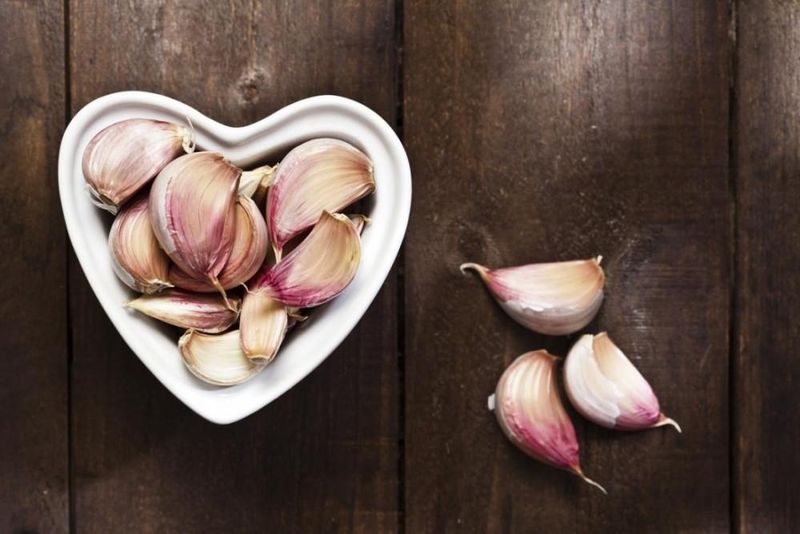
When blood pressure stays higher than it should, the heart has to work harder than normal. Garlic contains natural compounds such as allicin that researchers believe may help blood vessels relax and allow blood to move more easily.
Some studies suggest that eating garlic regularly could support healthier blood pressure levels in people who already have raised readings. The changes usually build gradually rather than appearing straight away.
Stirring crushed or chopped garlic into everyday meals can be a simple and flavourful way to support heart-friendly habits.
2. The Potential Link Between Garlic And Cholesterol Levels
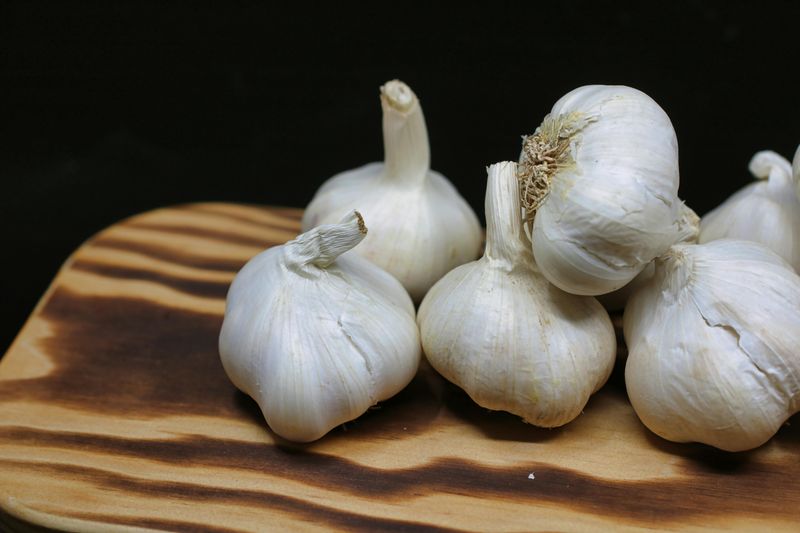
Cholesterol balance is crucial for heart health, and garlic might lend a hand here too. Research indicates that aged garlic extract could reduce total cholesterol and LDL, the type often called 'bad' cholesterol.
While it won't replace medication if you need it, garlic could complement a heart-friendly diet. The sulphur compounds in garlic seem to interfere with cholesterol production in the liver.
It's a simple addition that might help keep your levels in check.
3. Ways Garlic Might Help Improve Circulation
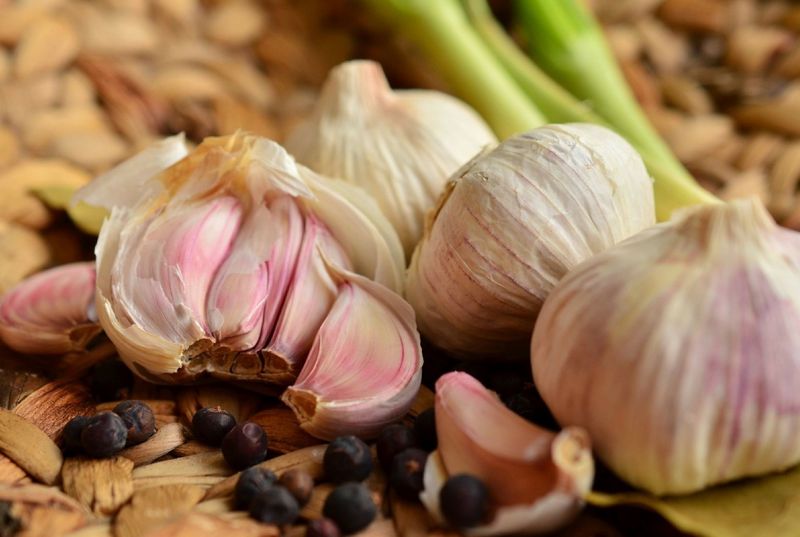
Healthy circulation helps deliver oxygen and nutrients efficiently throughout the body. Certain compounds in garlic may support nitric oxide production, which plays a role in helping blood vessels relax and widen.
Improved vessel flexibility can support normal blood flow and overall cardiovascular function. Some athletes include garlic supplements in their routines, although evidence around performance benefits remains limited.
Including garlic in meals may contribute to a heart-conscious diet when paired with balanced nutrition and lifestyle habits.
4. Garlic's Possible Role In Reducing Inflammation
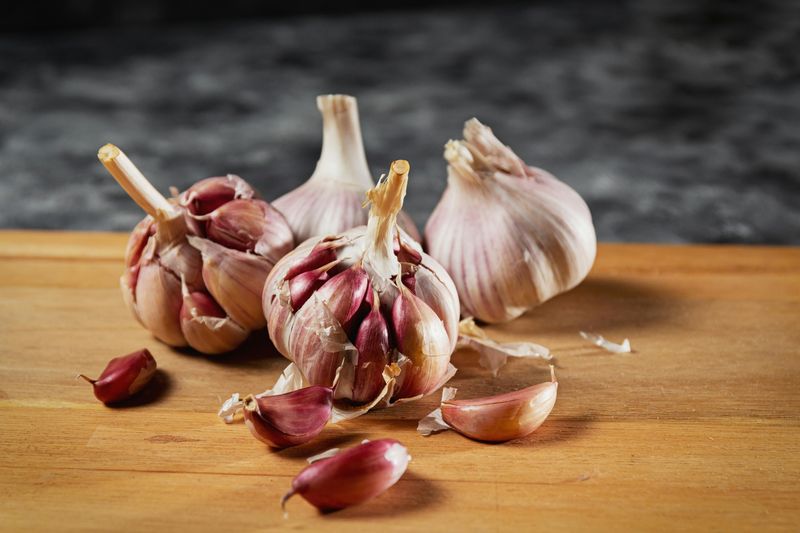
Long-term inflammation can influence blood vessel health and is often studied in relation to heart disease. Garlic contains antioxidants and sulphur-based compounds that researchers continue to explore for their potential anti-inflammatory effects.
Some studies suggest these compounds may help support the body’s natural response to inflammation. The overall impact depends heavily on diet, lifestyle, and existing health conditions.
Including garlic regularly may support general wellness when part of a varied and balanced eating pattern.
5. How Garlic Compounds May Support Artery Health
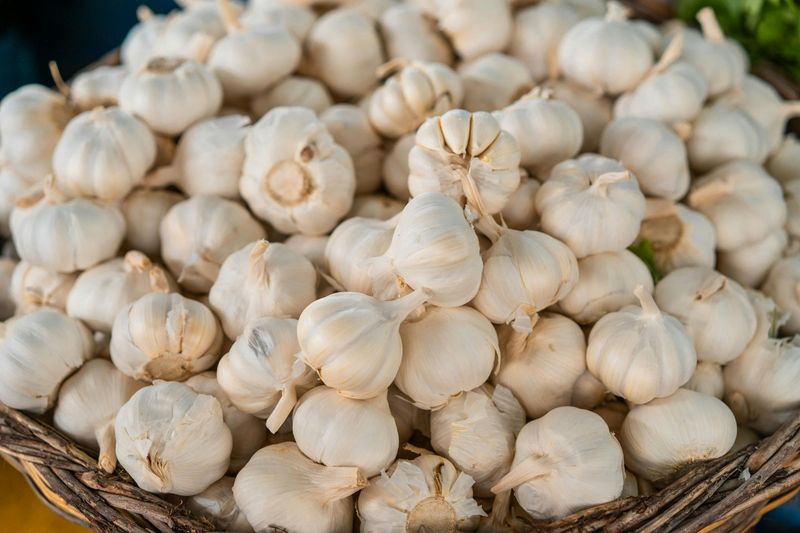
Arteries can gradually become less flexible due to plaque buildup, a process known as atherosclerosis. Certain garlic compounds are being studied for their potential influence on factors linked to artery stiffness.
Some research involving aged garlic extract suggests it may support normal artery function in specific groups. Maintaining flexible arteries supports efficient blood flow and overall cardiovascular health.
Garlic can be included as part of a heart-supportive diet alongside other healthy lifestyle choices.
6. The Nutritional Elements In Garlic That Benefit The Heart
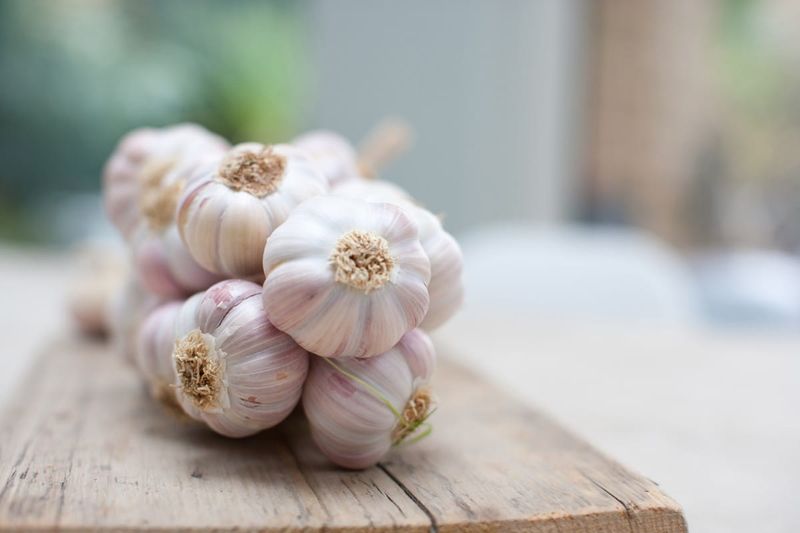
Beyond its active compounds, garlic delivers vitamins and minerals that support cardiovascular function. It contains vitamin C, vitamin B6, manganese, and selenium, all important for heart health.
Vitamin B6 helps regulate homocysteine levels, which when elevated can damage blood vessels. Selenium acts as an antioxidant, protecting cells from oxidative stress.
Garlic isn't just about one magic ingredient; it's a nutritional package that works together to keep your heart ticking smoothly.



