













Eating habits often change once a table is booked and menus replace cupboards. At home, meals tend to follow routines shaped by time, budget, and familiarity, while eating out encourages different choices around portions, pacing, and variety.
These shifts are rarely deliberate, yet they reflect long-standing social habits and expectations around food in Britain. Looking at how meals unfold in domestic settings compared with restaurants offers a useful snapshot of how context quietly influences what and how people eat.
All information is provided for general interest only. Taste, appearance, and availability may vary. Photos are for illustrative purposes only.
1. Portion Sizes Often Shrink Away From Home
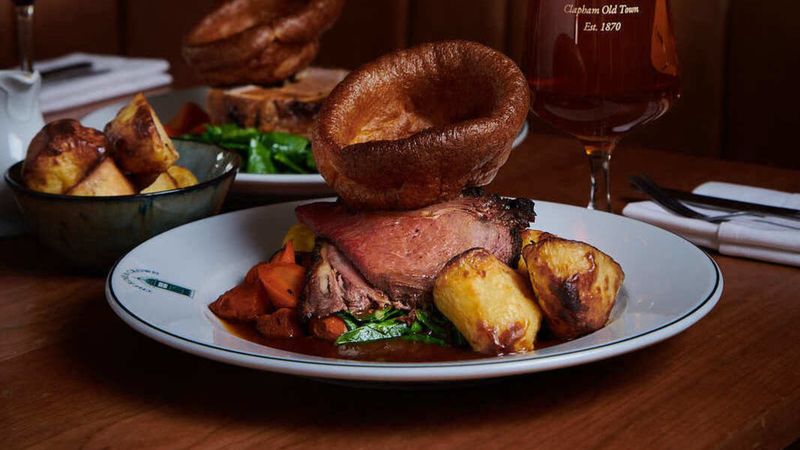
Restaurant plates arrive piled high, often dwarfing what you'd serve yourself at home. Studies show that eating out can add an extra 75 to 104 calories daily, partly because those generous helpings encourage us to polish off every last chip.
At home, you're in control. You dish out what feels right, often less than a chef would plate up.
This difference matters more than you might think for waistlines and wallets alike.
The oversized portions in restaurants feel like good value, but they nudge us toward overeating without much thought.
2. The Influence Of Ambience On Food Choices
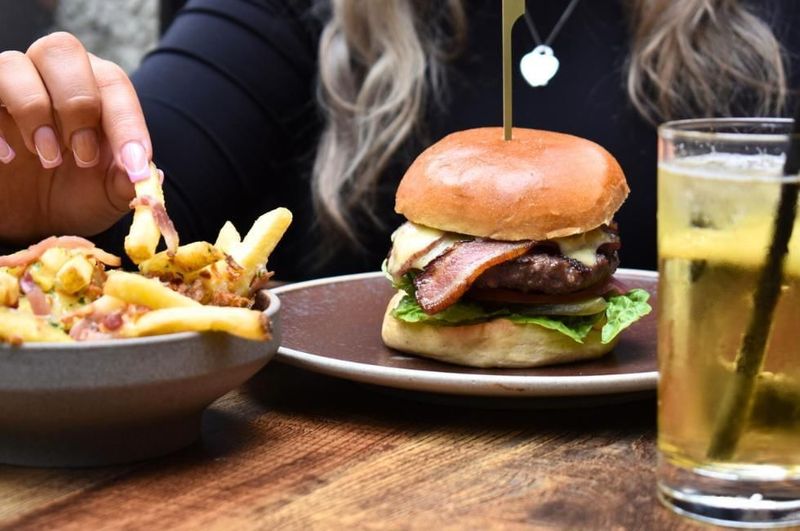
Mood lighting, background music, and stylish decor aren't just pretty touches. They shape what lands on your plate more than you'd guess.
Restaurants craft atmospheres that make richer, fancier dishes feel like the natural pick.
Back home, the fluorescent kitchen light and humming fridge don't exactly inspire culinary extravagance. You're more likely to grab something simple and familiar without all that sensory persuasion.
Ambience works quietly, steering you toward indulgence when dining out and practicality when cooking in.
3. Timing And Pacing Change Outside The Kitchen
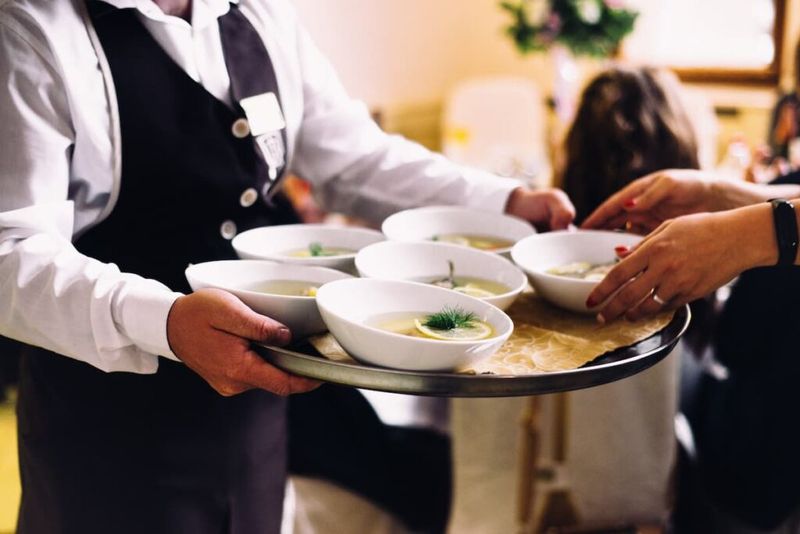
Meals out unfold in leisurely stages, with starters, mains, and puddings arriving at measured intervals. This drawn-out rhythm encourages lingering, chatting, and often ordering more than you'd planned.
At home, dinner hits the table all at once, and you're done within twenty minutes if the telly's calling. There's no theatre, no waiting between courses, just efficient fuel for the evening ahead.
The slower restaurant pace transforms eating into an event rather than a quick refuel, changing how much and what you consume.
4. Menu Language Shapes What People Order
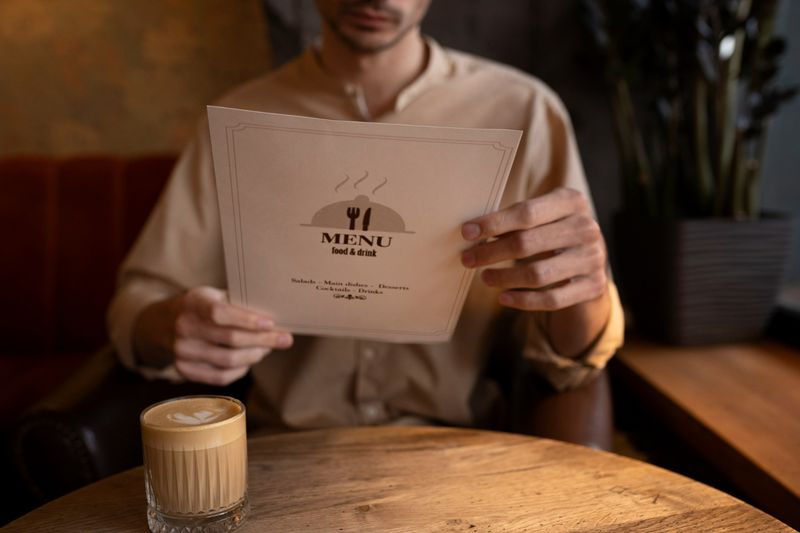
Words like "succulent," "artisan," and "drizzled" make dishes sound irresistible, even if they're just fancy names for ordinary ingredients. Menus are written to tempt, using language that elevates a chicken breast into something special.
Your mental grocery list at home reads more like "pasta, mince, veg" without the flowery descriptions. You're not trying to sell yourself on dinner; you're just making it happen.
That persuasive menu copy nudges diners toward pricier, richer options they'd skip in their own kitchens.
5. Shared Dishes Versus Individual Plates
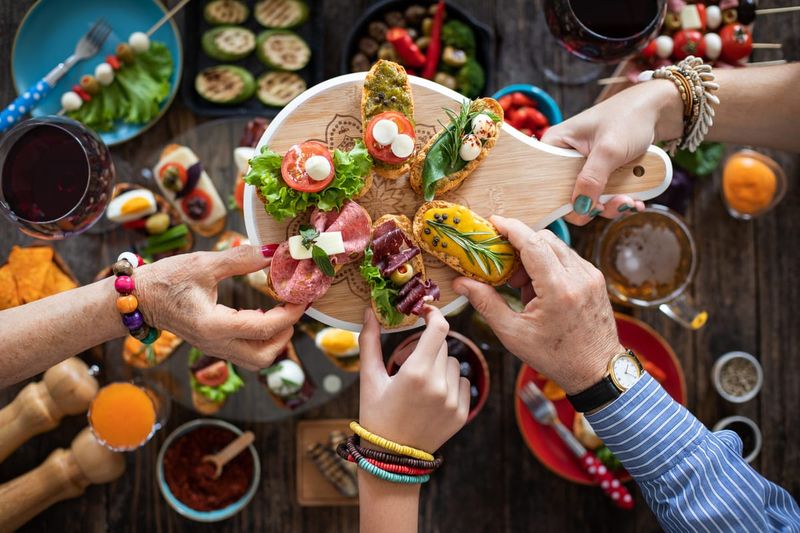
Tapas, sharing platters, and communal bowls have become restaurant staples, turning meals into social experiments where everyone picks and nibbles. This style often means trying more dishes and consuming more overall without quite noticing.
At home, everyone gets their own plate with their own portion, full stop. There's less grazing, less variety, and usually less waste because you know exactly what you've taken.
Shared dining feels convivial and fun, but it blurs the boundaries of how much you're actually eating compared to solo plating.
6. The Role Of Convenience And Preparation Effort
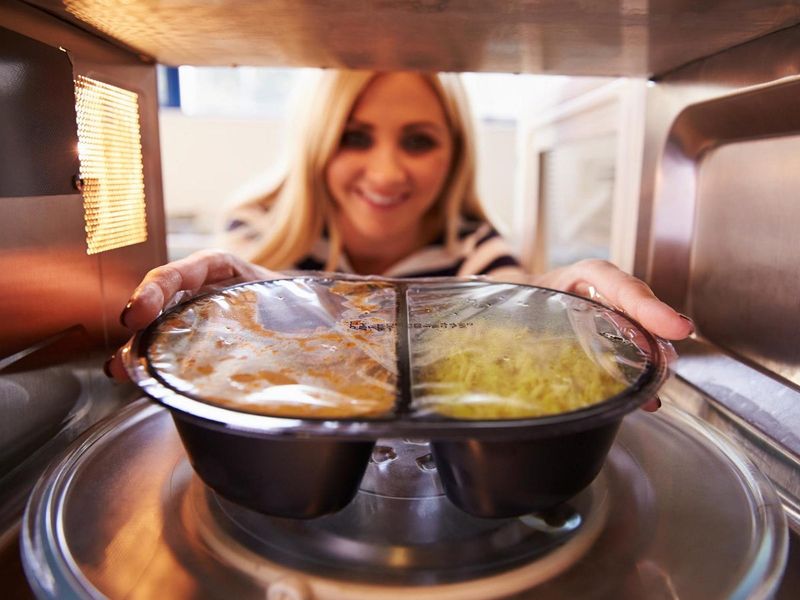
Nobody fancies peeling spuds after a long day, which is precisely why restaurants thrive. The appeal lies in someone else doing the chopping, stirring, and washing up while you sit back and relax.
Home cooking demands effort, planning, and cleanup, which naturally limits how elaborate or indulgent your meals become. You're more likely to stick with quick, familiar recipes that don't leave the kitchen looking like a bomb site.
Convenience drives restaurant choices toward dishes you'd never bother making yourself, simply because the faff isn't worth it at home.
7. Indulgent Choices More Common In Restaurants
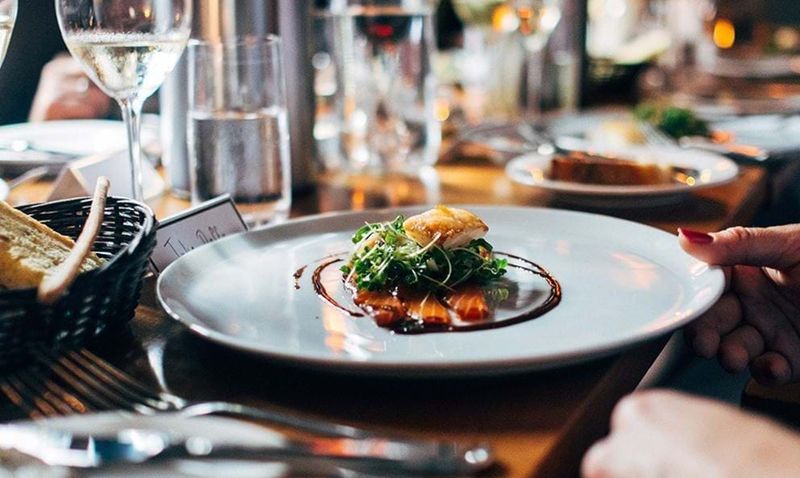
When someone else is cooking, suddenly that triple-cooked chip or creamy carbonara feels justified. Restaurants give permission to indulge without guilt because it's a treat, an occasion, not everyday fare.
At home, you're more conscious of nutrition and waistlines, reaching for grilled chicken and steamed veg rather than anything deep-fried or drowned in butter. The everyday nature of home meals keeps them sensible.
Dining out becomes a licence for decadence, while home kitchens stay rooted in practicality and health considerations most of the time.
8. Dessert Decisions Shift When Dining Out
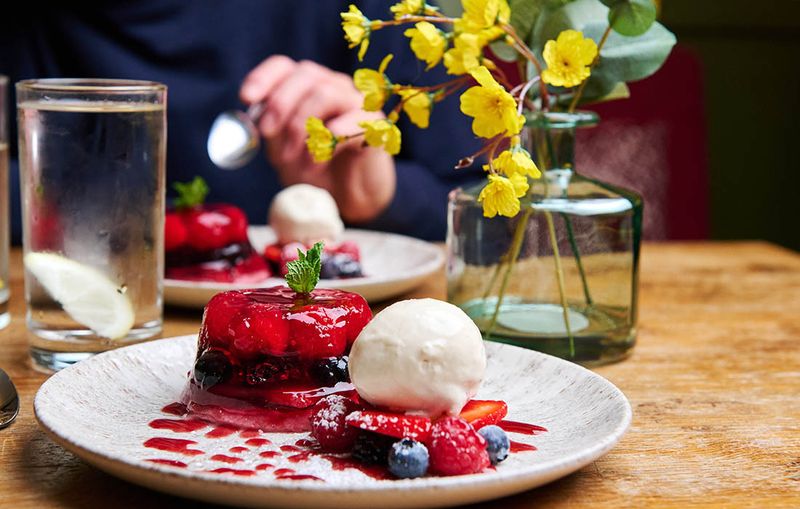
That dessert menu arrives just when you're stuffed, yet somehow sticky toffee pudding sounds impossible to refuse. Restaurants bank on this moment, knowing that the theatre of pudding service often wins over fullness.
At home, dessert might be a biscuit with your brew or maybe some fruit if you're feeling virtuous. You're unlikely to whip up anything elaborate after already cooking and cleaning up the main event.
Dining out transforms dessert from optional afterthought into anticipated finale, adding hundreds of extra calories you'd typically skip at home.



