













A warm cup of ginger tea or a hint of spice in a meal often feels comforting in a way that goes beyond flavour. Many people reach for ginger during moments when their stomach feels unsettled, drawn by its long-standing place in traditional cooking and home remedies.
You might already have a favourite dish or drink that features this bold root, quietly adding both taste and balance. Small habits built around everyday ingredients can sometimes shift how the body feels after meals.
Ginger continues to spark curiosity for its potential role in supporting digestive comfort in daily routines.
The information provided here is for general educational purposes only and is not intended to replace professional medical advice, diagnosis, or treatment. Individual responses to dietary changes can vary, and readers should consult a qualified healthcare professional before making adjustments, especially when managing existing conditions or taking medication.
1. Supporting Comfortable Post-Meal Digestion

Ever feel sluggish after a big meal? Ginger contains compounds called gingerols that help your stomach break down food more efficiently.
These natural chemicals speed up the emptying of your stomach, so food doesn't sit there making you uncomfortable.
Having a cup of ginger tea after dinner or adding fresh ginger to your meals can make a real difference. Your body processes food more smoothly, leaving you feeling lighter and more energised instead of weighed down and tired.
2. Helping Reduce Occasional Bloating
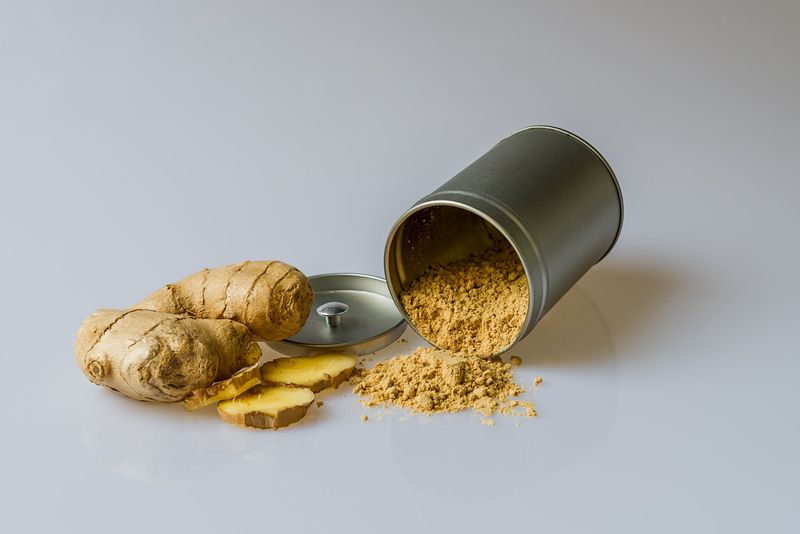
Bloating happens when gas gets trapped in your digestive system, making your belly feel tight and swollen. Ginger works like a natural deflator by helping gas move through your intestines more easily rather than building up.
The anti-inflammatory properties in ginger also calm down your gut lining. When you regularly include ginger in your routine, you'll likely notice your trousers fitting more comfortably and that uncomfortable balloon feeling happening far less often.
3. Encouraging Natural Gut Movement

Your intestines use wave-like muscle contractions to push food along, and sometimes this process slows down. Ginger acts as a gentle motivator, encouraging these muscles to work at a healthy pace without being too forceful or harsh on your system.
Think of it as giving your gut a friendly nudge rather than a shove. Regular ginger consumption helps maintain consistent movement, which means less constipation and a more predictable, comfortable digestive rhythm throughout your day.
4. Supporting Nausea Management

Feeling queasy can turn an ordinary day upside down, especially when it appears without warning. Ginger has been widely studied for its potential to help ease nausea, particularly during travel or mild stomach upset.
Many people enjoy turning to ginger tea, ginger sweets, or freshly grated ginger in warm drinks when their stomach feels unsettled. Relief levels can vary, but the gentle warmth and familiar taste often provide comfort alongside possible digestive support.
Keeping ginger on hand can be a simple way to feel more prepared when nausea occasionally shows up.
5. Promoting Balanced Stomach Acid Levels

A well-functioning stomach relies on steady acid levels to help break down meals properly. Ginger has been traditionally used to support digestive balance and may help encourage normal stomach function in some people.
Rather than acting as a medical treatment, it is often enjoyed as part of a routine that supports comfortable digestion. Adding fresh ginger to meals or warm drinks can complement the body’s natural digestive processes.
Many people include it as part of a varied diet that focuses on maintaining everyday stomach comfort.
6. Supporting Nutrient Absorption

Eating nourishing foods feels far more rewarding when the body can make the most of them. Ginger contains natural compounds that may support the overall digestive process by encouraging enzyme activity linked to breaking down food.
When digestion flows smoothly, the body often has a better chance of using the nutrients already present in meals. Adding ginger to soups, stir-fries, or teas is an easy way to complement a balanced eating routine.
Small additions like this can support a digestive environment that feels steady and comfortable.
7. Helping Ease Digestive Discomfort After Heavy Foods

Rich or hearty meals can sometimes leave the stomach feeling overly full or sluggish afterwards. Ginger has long been used as a traditional ingredient that supports comfort following heavier foods.
The natural warmth and spice may help promote smoother digestion and reduce that overly stuffed feeling some meals bring. Many people enjoy sipping ginger tea or adding fresh ginger to recipes when planning indulgent dishes.
Including ginger as part of occasional heavier meals can help support a more settled digestive experience.
8. Supporting Overall Gut Comfort

Beyond addressing specific issues, ginger creates an overall sense of digestive wellness that's hard to describe until you experience it. Your gut simply feels calmer, more settled, and less reactive to foods that previously caused problems or unpredictable responses.
This happens because ginger's anti-inflammatory and antimicrobial properties create a healthier gut environment. When you make ginger a daily habit, you'll notice your entire digestive system functioning more smoothly, with fewer surprises and more consistent comfort throughout each day.



