











• Skip to primary navigation
  • Skip to main content
  • Skip to primary sidebar
The Daily Dish
  • About Me
  • Recipes
  • Wellbeing🧡
  • Contact
  • Subscribe
  • Gluten-Free
  • Navigation Menu: Social Icons

    Connect With Me

    • Facebook
    • Instagram
    • Pinterest
menu icon
go to homepage
  • About Me
  • Recipes
  • Wellbeing🧡
  • Contact
  • Subscribe
  • Gluten-Free
  • Let's Connect

    • Facebook
    • Instagram
    • Pinterest
  • subscribe
    search icon
    Homepage link
    • About Me
    • Recipes
    • Wellbeing🧡
    • Contact
    • Subscribe
    • Gluten-Free
  • Let's Connect

    • Facebook
    • Instagram
    • Pinterest
  • ×
    • 19 Potato Varieties And What Each One Is Actually Best At
    • 12 Under-The-Radar Georgia Mountain Restaurants Worth Seeking Out
    • 10 Greater Binghamton, New York Italian Restaurants Built On Family Recipes
    • 13 Top Historic Restaurants In And Around Dayton, Ohio That Have Stood The Test Of Time
    • 12 Foods That Somehow Taste Better Eaten Straight From The Fridge
    • 12 Hole-In-The-Wall Eateries In Springfield, Massachusetts Worth Seeking Out In 2027
    • 10 Santa Barbara, California Waterfront Spots For Fresh Seafood
    • 12 Best Barbecue Spots In Denver, Colorado Locals Swear By
    • 14 Must-Try Restaurants In Jonesboro, Arkansas Flying Under The Radar In 2027
    • 17 Types Of Salt And When Each One Actually Makes A Difference
    • 25 Christmas Bakes Worth Starting Before December Arrives
    • 14 Underrated Saginaw, Michigan Restaurants To Add To Your Food Map In 2027
    Home » Food news & trends

    The British Drop Scone Recipe Queen Elizabeth Served To A U.S. President

    Published:Feb 9, 2026· Modified: Feb 6, 2026 by Sophie Hayes

    • Share
    • Email

    Food often plays a quiet but meaningful role in moments of history, especially when it is used to welcome guests rather than impress them. In 1959, a simple British recipe helped set the tone for a landmark meeting at Balmoral Castle, when Queen Elizabeth II hosted U.S.

    President Dwight Eisenhower. Instead of a formal menu, she chose a familiar dish rooted in everyday cooking.

    The story behind these drop scones shows how tradition, practicality, and hospitality can come together on the plate.

    All information is provided for general interest only. Taste, appearance, and availability may vary. Photos are for illustrative purposes only.

    1. Why Drop Scones Were Chosen For A Historic Balmoral Visit

    Why Drop Scones Were Chosen For A Historic Balmoral Visit
    Image Credit: © BBC

    When Queen Elizabeth II welcomed President Dwight Eisenhower to Balmoral Castle in 1959, the choice of drop scones reflected practicality as much as tradition. Rather than an elaborate formal dish, she opted for a familiar family recipe that conveyed warmth and hospitality.

    Drop scones were well suited to an informal setting, allowing conversation to take priority over ceremony. The decision highlighted how food can quietly shape diplomatic moments by creating a relaxed and welcoming atmosphere.

    2. What Makes This Traditional British Recipe Distinct
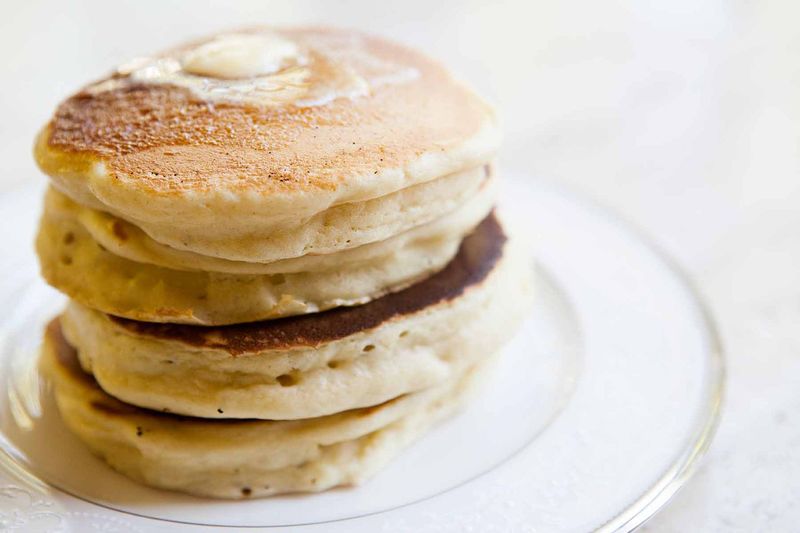
    What Makes This Traditional British Recipe Distinct
    Image Credit: © Simply Recipes

    Drop scones sit somewhere between pancakes and blinis, offering a thicker texture and gentle sweetness. The Queen’s version stood out for its use of cream of tartar alongside baking soda, a combination that gives the scones extra lift and a lighter crumb.

    The recipe also relied on simple pantry staples and flexible measurements, reflecting mid-century British home cooking. This straightforward approach made the dish accessible while still producing a refined result.

    3. How This Mid-Century Recipe Is Still Made Today
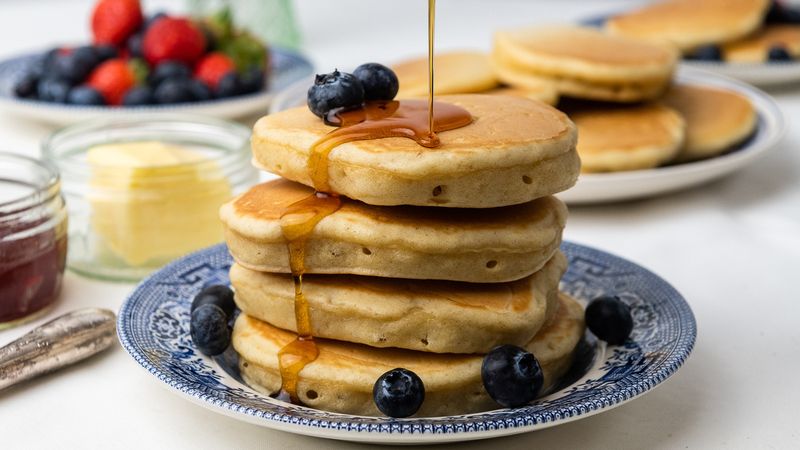
    How This Mid-Century Recipe Is Still Made Today
    Image Credit: © Tasting Table

    Although the original recipe used teacups and lacked detailed instructions, modern cooks have adapted it with standard measurements and familiar techniques. Treated much like pancake batter, the mixture benefits from a short resting period before cooking on a griddle.

    The method remains uncomplicated, producing soft, evenly cooked scones that puff slightly as they cook. Served warm with butter, jam, or syrup, the recipe continues to fit comfortably into contemporary brunches and afternoon teas.


    More Food news & trends

    • 11 Family-Owned Restaurants In Fresno, California Worth Seeking Out
    • 12 Old-School Philadelphia, Pennsylvania Restaurants That Have Been Around For Generations
    • 13 Tucson, Arizona Restaurants Locals Would Rather Keep Secret
    • 11 Best Long Island, New York Restaurants Worth Visiting In 2027

    Primary Sidebar

    Keri Bevan

    Welcome, I'm Keri

    I'm the food photographer and recipe developer and writer behind Daily Dish.

    More About Me
    SUBSCRIBE

    Popular Posts

    • 17 Rice Varieties And The Dishes Each One Was Made For
    • 17 Chestnut Recipes That Go Far Beyond Roasting Them On The Street
    • 10 Texas Restaurants Where The Building Is As Strange As The Menu
    • 19 Cooking Oils And The Dishes Each One Suits Best

    Cozy Soups

    • Fava bean soup in a ceramic bowl.
      Fava Bean Soup
    • Vegan potato soup in a bowl with chives and croutons.
      Creamy Vegan Potato Soup
    • Bok choy soup with garlic and ginger.
      Bok Choy Soup With Garlic & Ginger
    • gluten free and dairy free tomato soup
      Creamy Gluten Free And Dairy Free Tomato Soup
    Company logs of people I have worked with.

    Footer

    ↑ back to top

    Recipes

    • Breakfast
    • Lunch
    • Dinner
    • Sauces and Dips
    • Gluten Free

    Newsletter

    • Sign Up! for emails and updates

    Contact

    • Contact
    • Privacy Policy
    • Daily Dish Web Stories

    As an Amazon Associate I earn from qualifying purchases.

    Copyright © 2024 Daily Dish

