













You can tell a lot about someone in the cereal aisle. The way they queue, how they pay, whether they trust the self-checkout or eye it suspiciously - it all says something. Supermarkets are strangely revealing places.
Shopping habits often stick with us for decades. The brands we reach for, the way we plan our lists, even how we react to loyalty apps can quietly reflect the era we grew up in. Some behaviours feel modern and efficient; others feel reassuringly old-school.
Next time you’re loading the trolley, you might notice that your routine says more about your generation than your birth certificate ever could.
This piece explores common cultural shopping habits based on generational trends and shared consumer behaviour observations and is intended for general information and entertainment purposes only.
1. Paying With Cash Instead Of Contactless

There’s a certain satisfaction in counting out notes and coins at the till. You can see exactly what you’re spending, and that small pause while change is handed back feels oddly grounding.
Contactless may be quicker, but it’s also invisible, and not everyone loves that. For some shoppers, cash makes budgeting feel real rather than abstract.
It’s less about resisting technology and more about liking things you can physically hold.
2. Writing A Physical Shopping List On Paper
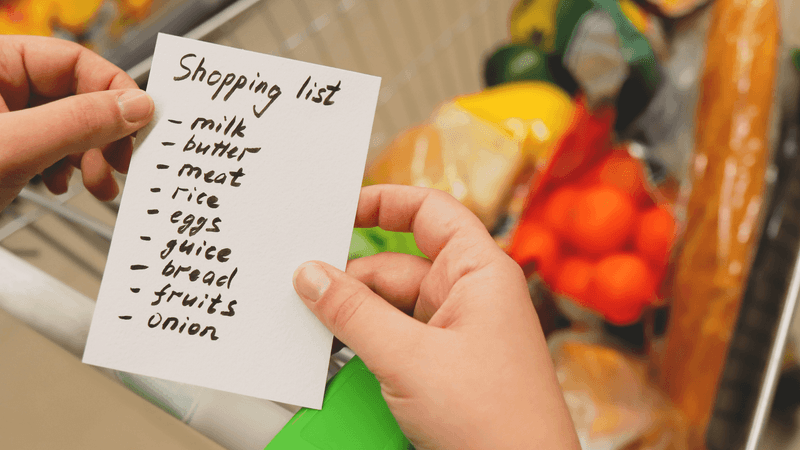
Some people won’t leave the house without a handwritten list folded in their pocket. There’s something about ticking items off with a pen that feels organised and reassuring.
Phones are handy, but paper doesn’t run out of battery halfway round the dairy aisle. A scribbled note stuck to the fridge often works just as well as any app.
Sometimes the old ways stick because they’re simple and they work.
3. Refusing To Use Self-Checkout Machines
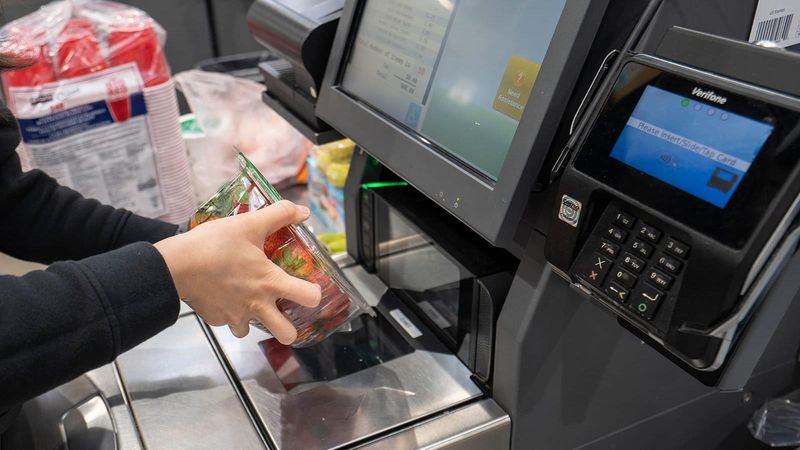
When faced with a row of blinking screens, some shoppers head straight for a human cashier. It’s not always about avoiding technology; sometimes it’s just nicer to exchange a few words with someone.
Self-checkout can feel rushed or fiddly, especially if something won’t scan. Others love the speed and independence of packing their own bags.
The choice usually comes down to comfort, not capability.
4. Comparing Price Per 100g Instead Of Brand Loyalty
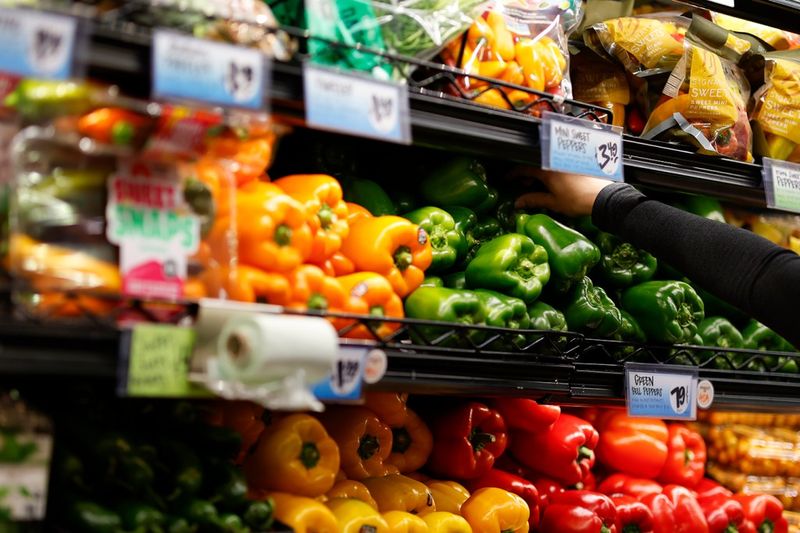
Flip the packet over, squint at the tiny print, and check the unit price — that’s a classic move. Rather than grabbing the most recognisable logo, some shoppers quietly calculate which option gives better value.
It’s a skill learned long before price-comparison apps existed. Even now, mentally weighing up cost per 100g can feel like a small victory.
Budget awareness has a way of sticking around.
5. Collecting Paper Coupons From Newspapers
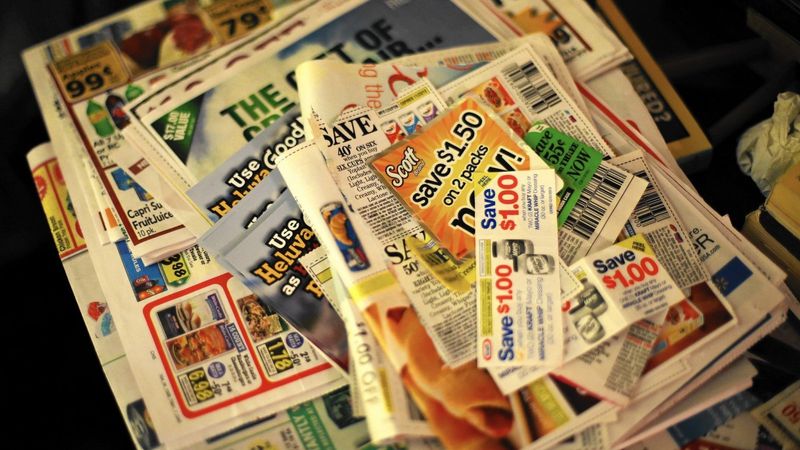
There was a time when Sunday papers came with a pair of scissors close by. Cutting out vouchers and keeping them neatly stacked felt like a smart weekly ritual.
Digital offers have taken over, yet some still enjoy handing over an actual coupon at the till. It takes a bit of organisation, but there’s a quiet thrill in seeing the discount deducted.
Saving a few pounds never really goes out of fashion.
6. Bringing And Reusing Old Plastic Carrier Bags

Long before reusable totes became trendy, many shoppers were already reusing plastic bags. A cupboard stuffed with neatly folded carriers was perfectly normal.
Even now, some people automatically reach for an older bag rather than buying a new one. It’s practical, thrifty and reduces waste in one go.
Habits formed years ago tend to linger, especially when they make sense.
7. Buying Tinned Vegetables As Standard Pantry Staples
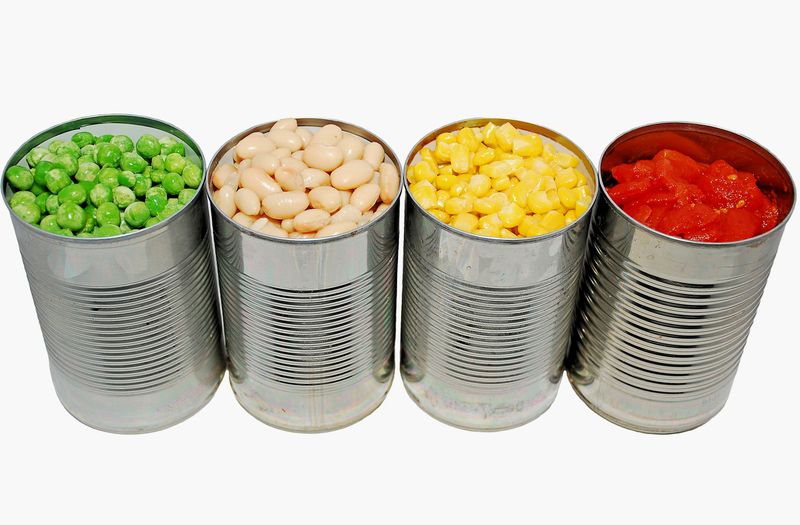
Open a cupboard in some homes and you’ll find rows of peas, carrots and sweetcorn lined up neatly. Tinned vegetables are reliable, affordable and ready whenever needed.
Fresh and frozen options are popular, but tins still offer reassurance on busy days. They don’t spoil quickly and they don’t require planning ahead.
For many shoppers, that convenience feels comforting rather than outdated.
8. Avoiding Loyalty Apps And Digital Coupons
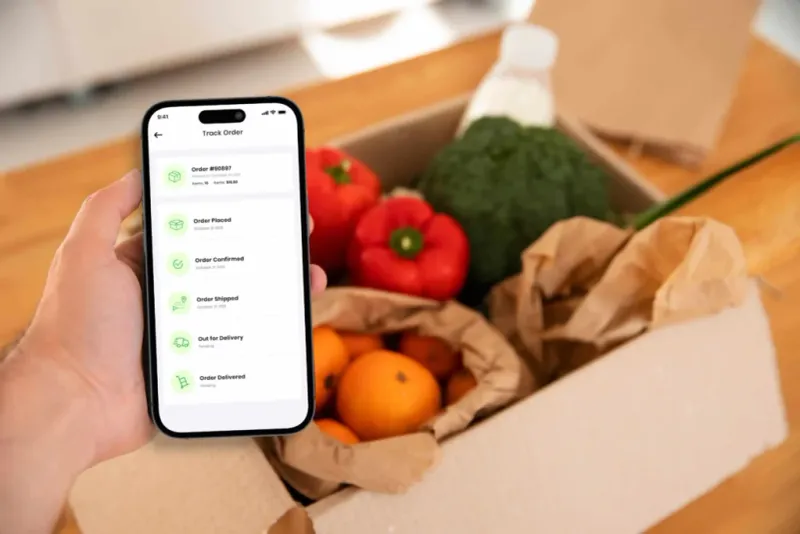
Not everyone wants another notification buzzing in their pocket. Whilst some shoppers eagerly scan apps for points, others prefer a simple physical card or none at all.
Concerns about data, privacy or just sheer phone clutter play a part. It’s not necessarily resistance - sometimes it’s just fatigue.
Shopping without an app can feel refreshingly straightforward.
9. Reading Printed Recipe Cards In-Store
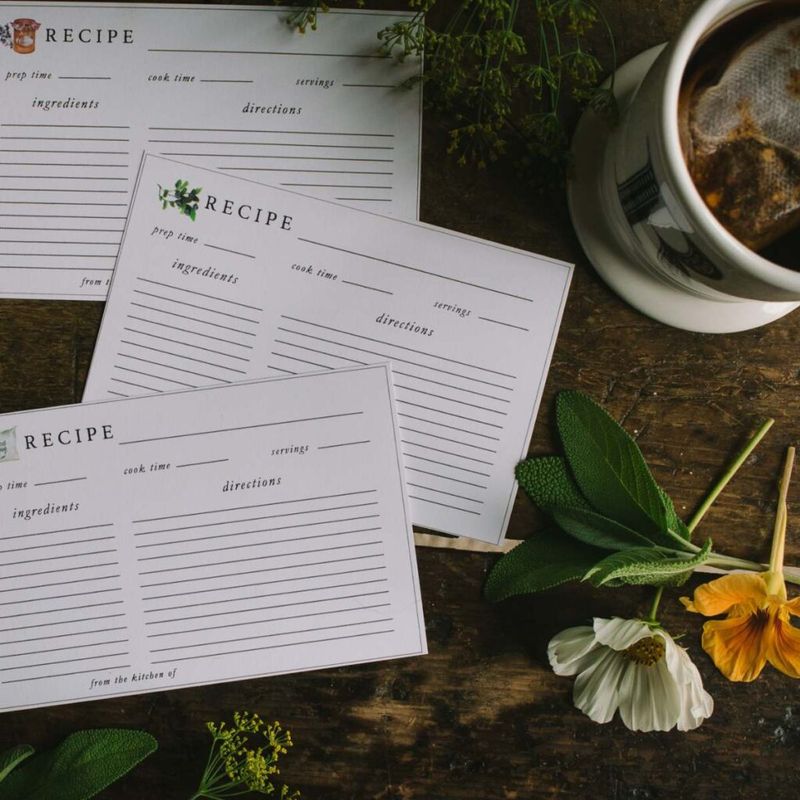
Those little recipe cards tucked near the ingredients still catch certain eyes. Before quick online searches, they were a trusted source of dinner inspiration.
Even now, picking one up feels tangible and immediate. No scrolling, no adverts, just a simple idea for tonight’s tea.
Sometimes inspiration works better when it’s printed on a small bit of card rather than glowing on a screen.



