













Sunday lunch in our house wasn’t casual - it was practically a scheduled event, and dad treated it like he was running a small restaurant. There were rules, standards, and absolutely no shortcuts, even if the rest of us just wanted to get stuck in and eat.
At the time, it felt slightly dramatic, especially when he inspected roast potatoes like a judge on a cooking show. Now, though, it’s hard not to admit he had a point.
Those strict little habits are probably the reason those roasts still live rent-free in our memories.
All information is provided for general interest only. Traditions and meal customs may vary between families and regions.
1. Yorkshire Puddings Are Mandatory With Beef
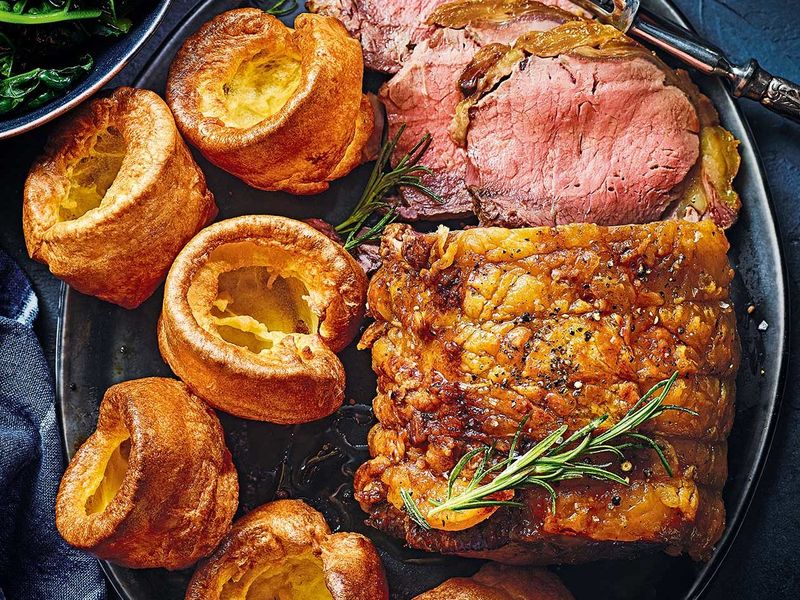
Your dad would never dream of serving beef without towering Yorkshire puddings on the side. He knew that the savoury, crispy-edged puds were essential for soaking up every drop of rich gravy.
Without them, the meal felt incomplete and somehow wrong. Today, you realise that Yorkshire puddings aren't just tradition - they're the perfect vehicle for capturing all those delicious meat juices and turning an ordinary roast into something truly special and satisfying.
2. The Roast Potatoes Must Be Crispy
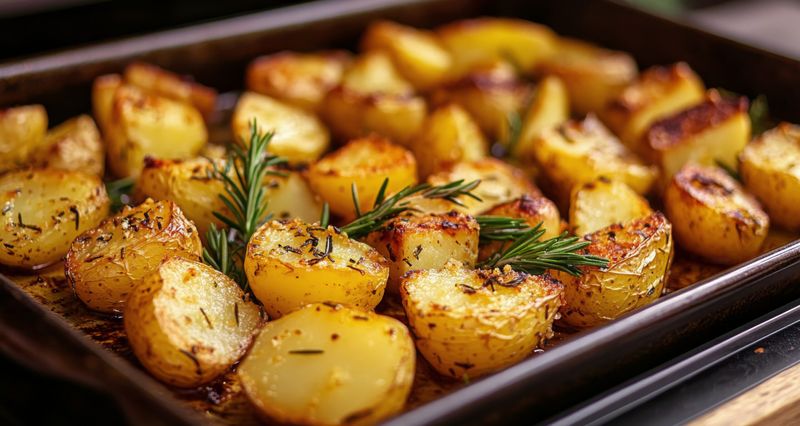
Dad would inspect every roast potato like a quality controller, rejecting any that weren't golden and crunchy outside. He understood that soggy spuds ruined the entire experience.
His secret involved parboiling them first, then roughing up the edges before roasting in hot fat. Now you follow his exact method because you've learned that crispy roast potatoes aren't negotiable - they're the cornerstone of any respectable Sunday roast that guests will actually remember and request again.
3. Meat Must Rest Before Carving
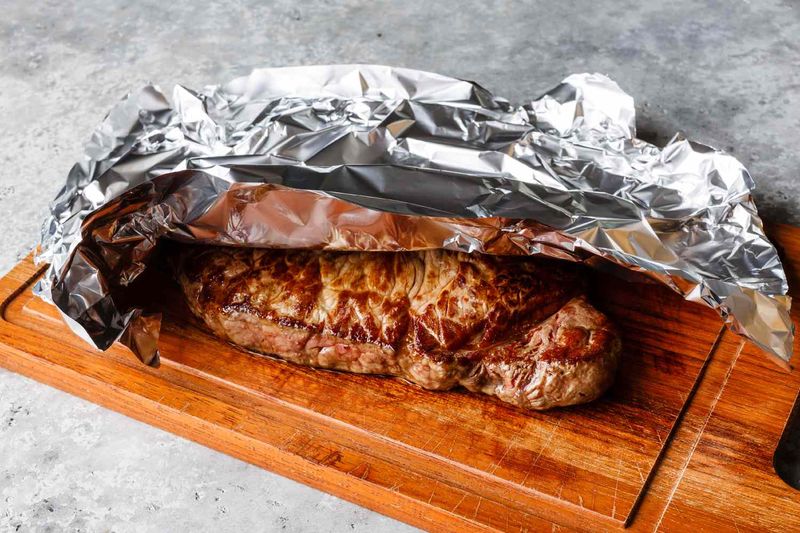
Watching the roast come out of the oven always felt like the grand finale, which made the next part surprisingly frustrating. Dad insisted it needed to sit under foil for a while before anyone could even think about carving, and waiting felt like pure torture at the time.
Allowing the meat to rest actually helps the juices settle back into it, keeping every slice tender and full of flavour. Cutting too quickly lets those juices run straight onto the board instead.
4. Gravy Must Be Made Using Meat Juices
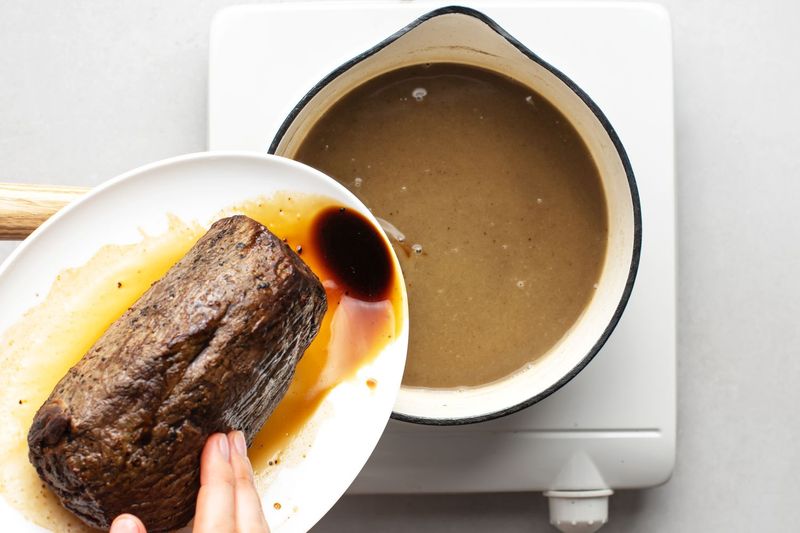
The roasting tin often holds more flavour than people realise, which is why traditional cooks never let those rich drippings go to waste. Scraping up the browned bits and blending them with stock creates a depth that feels naturally layered and savoury.
Shop-bought alternatives can be convenient, yet they rarely capture that same roasted richness. Making gravy this way ties every part of the plate together, allowing the flavours to blend beautifully.
Once you’ve tasted gravy prepared using pan juices, it becomes difficult to settle for shortcuts.
5. Vegetables Cannot Be Overcooked
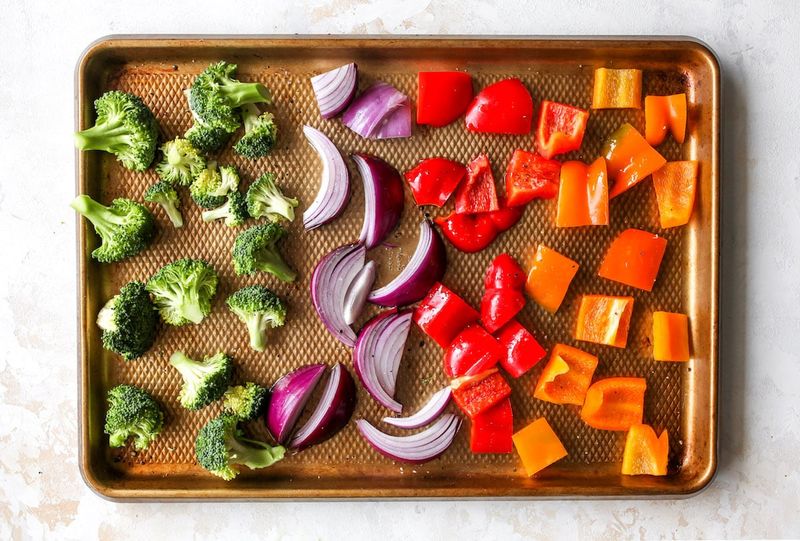
Mushy carrots and grey broccoli were dad's pet hate. He timed everything precisely so vegetables retained their colour, texture and nutritional value.
Overcooked veg turns slimy and tasteless, losing all the natural sweetness and crunch that makes them enjoyable. Now you understand that properly cooked vegetables should still have a slight bite, bright colours, and fresh flavour.
They're not just an afterthought - they're an essential component that balances the richness of meat and gravy with freshness and vitality on your plate.
6. Plates Must Be Warm Before Serving
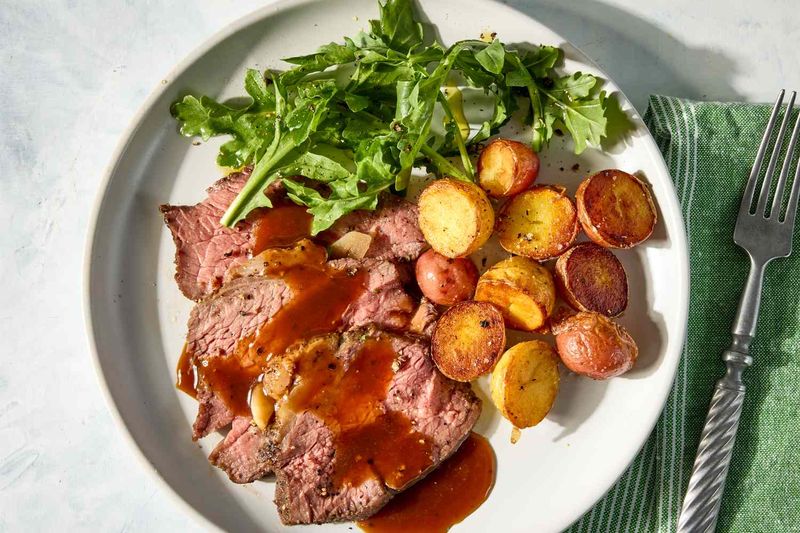
Serving time always came with one extra task that felt completely unnecessary back then - warming the plates. Dad insisted on sliding them into the oven before the food was ready, which seemed like pointless extra work when everyone was already hungry.
Hot food placed on cold plates loses heat surprisingly fast, and gravy can thicken far quicker than anyone wants. Using warmed plates helps everything stay at the right temperature for longer, keeping each bite just as enjoyable as the first.
7. Timing Everything Properly Matters
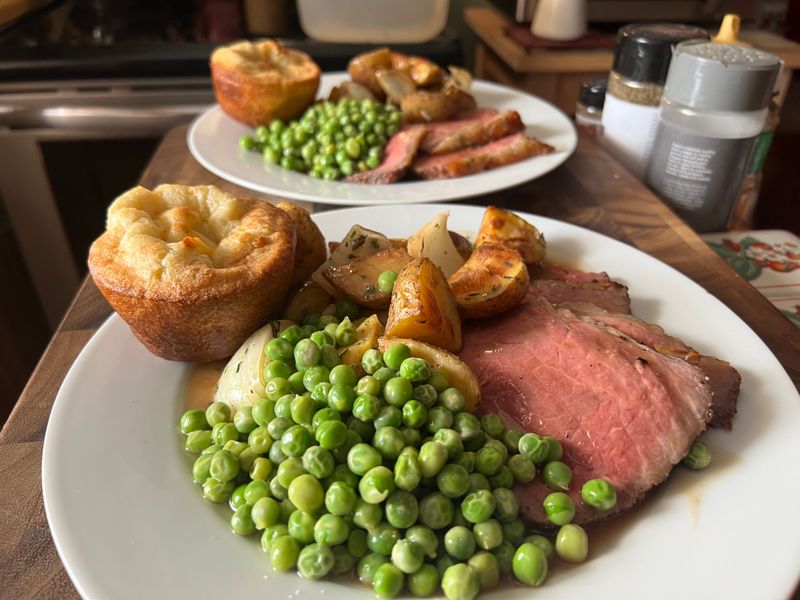
Preparing a roast requires juggling several dishes at once, which explains why careful planning became such an important habit. Coordinating cooking times helps ensure potatoes stay crisp, vegetables keep their colour, and meat reaches the table at its best.
Leaving one component too long can quickly affect the rest of the meal, especially when everything is meant to be served hot. Creating a simple schedule often removes stress and keeps the kitchen running smoothly.
That steady organisation usually turns a complicated meal into a relaxed and enjoyable experience.
8. Horseradish Or Mint Sauce Must Match The Meat
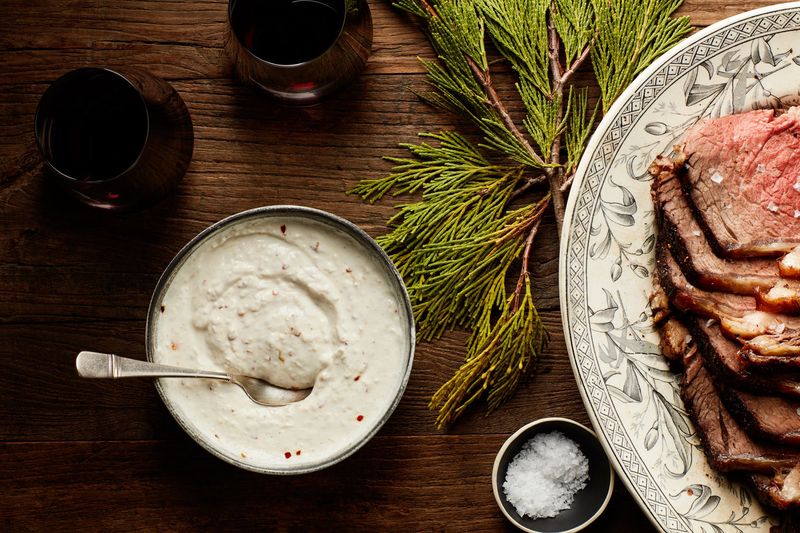
Traditional sauce pairings developed because they naturally complement the flavour and texture of different meats. Sharp horseradish provides contrast to the richness of beef, while mint sauce adds freshness that balances lamb particularly well.
Apple sauce offers gentle sweetness that pairs comfortably with pork, creating a well-rounded taste. These combinations have remained popular because they enhance meals rather than overpower them.
Trying classic pairings often shows why they have stayed part of Sunday roast traditions for so long.
9. There Must Always Be Enough For Seconds
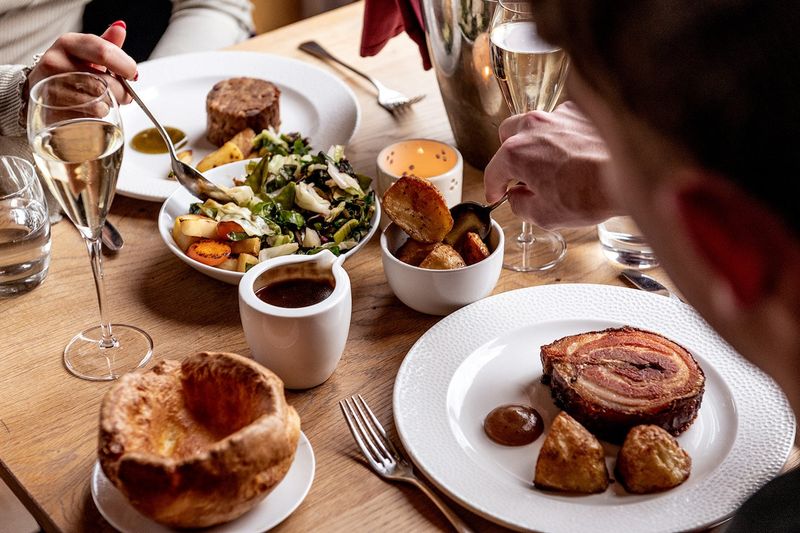
Dad cooked enough to feed twice as many people as were actually eating. Running out of food was unthinkable, and guests leaving hungry was a personal failure.
Generosity is fundamental to Sunday roast culture - it's about abundance and comfort, not precise portions. You now cook extra potatoes and make more gravy than needed, because offering seconds is how you show care and hospitality.
Plus, leftover roast makes brilliant sandwiches the next day, extending the weekend enjoyment beyond Sunday itself.
10. Everyone Eats Together At The Table
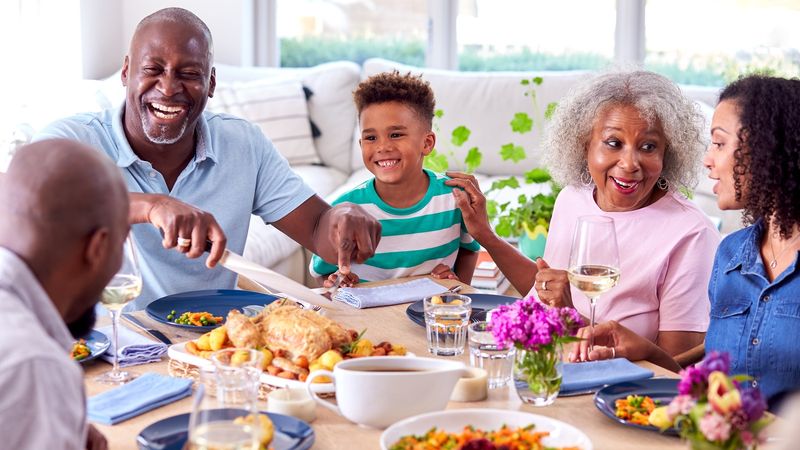
No eating in front of the telly, no phones at the table, no one starting before everyone was seated. Dad insisted Sunday roast was a proper family occasion that demanded everyone's full attention.
This weekly gathering created connection and conversation that wouldn't happen otherwise. Now you enforce the same rule because you've realised that sharing a meal together - actually together, not distracted - builds relationships and creates memories that matter far more than whatever's happening on screens or social media at that moment.



