













Before food delivery apps and endless supermarket options, families relied on a bit more planning and a lot less impulse buying. Weekly shops were deliberate, leftovers were respected, and stretching ingredients felt completely normal.
Many everyday habits from the 1980s quietly helped households manage tight budgets without feeling deprived. Simple routines in the kitchen often made the biggest difference.
Looking back at those practical approaches reveals ideas that still make sense today, especially with rising grocery prices. Some of them might even feel surprisingly modern.
All information is provided for general interest only. Spending habits and food costs vary by location and household needs.
1. Batch Cooking For The Week
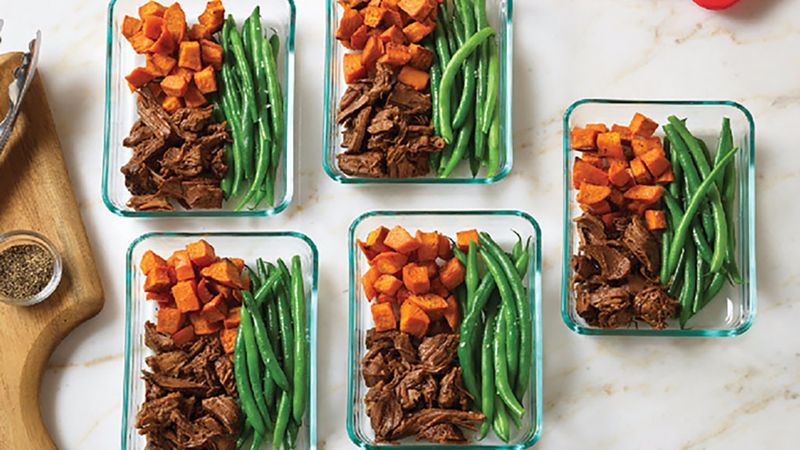
Families would dedicate Sunday afternoons to preparing massive quantities of soups, stews, and casseroles that could feed everyone for days. This approach meant fewer trips to the shops and less temptation to grab expensive convenience foods during busy weeknights.
Mums would cook enormous batches whilst children helped with measuring and stirring, turning meal prep into quality family time. The freezer became their best friend, storing portions that could be defrosted quickly.
Energy costs stayed lower because ovens ran once instead of daily.
2. Using Leftovers Instead Of Wasting Food

In many homes, yesterday’s roast rarely stayed in its original form for long, often reappearing as shepherd’s pie, bubble and squeak, or hearty sandwich fillings. Stretching ingredients like this meant fewer extra purchases during the week and noticeably lower food bills.
The idea that food should not be thrown away casually was something children absorbed simply by watching what happened in the kitchen. A small bowl of leftover vegetables or scraps of meat could spark surprisingly inventive meals.
Those improvised dinners often felt less like second-best and more like a creative kitchen challenge.
3. Buying Whole Chickens
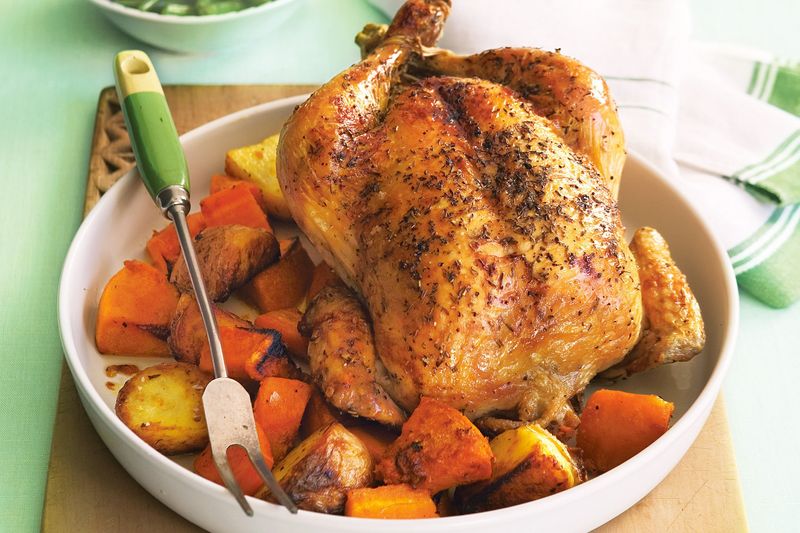
Rather than purchasing pre-cut chicken pieces at premium prices, savvy shoppers bought whole birds that provided multiple meals. One chicken could yield roasted portions for Sunday dinner, sandwich meat for Monday, soup stock from the bones, and even a second meal from the remaining bits.
Families learned basic butchery skills at home, teaching children where food actually came from. The cost per serving dropped dramatically compared to buying individual breasts or thighs.
Every part got used, making it an economical and respectful approach to eating meat.
4. Growing Vegetables At Home
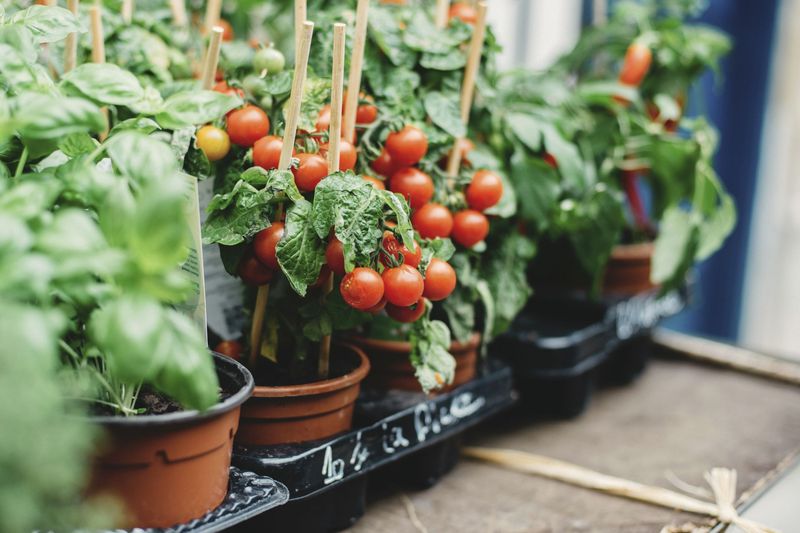
Gardens quietly doubled as mini food shops during the warmer months, with tomatoes, carrots, lettuce, and herbs growing just outside the back door. Tending those patches meant fewer trips to the greengrocer and noticeably lighter grocery bills during summer.
Watering plants and watching seedlings sprout gave children a real sense of involvement in what ended up on their plates. While some gardeners used pest control methods, many relied on simple home techniques, and the result was often fresher produce picked at its peak.
Beyond savings, it encouraged a practical understanding of how food actually grows.
5. Packing Lunches For School And Work
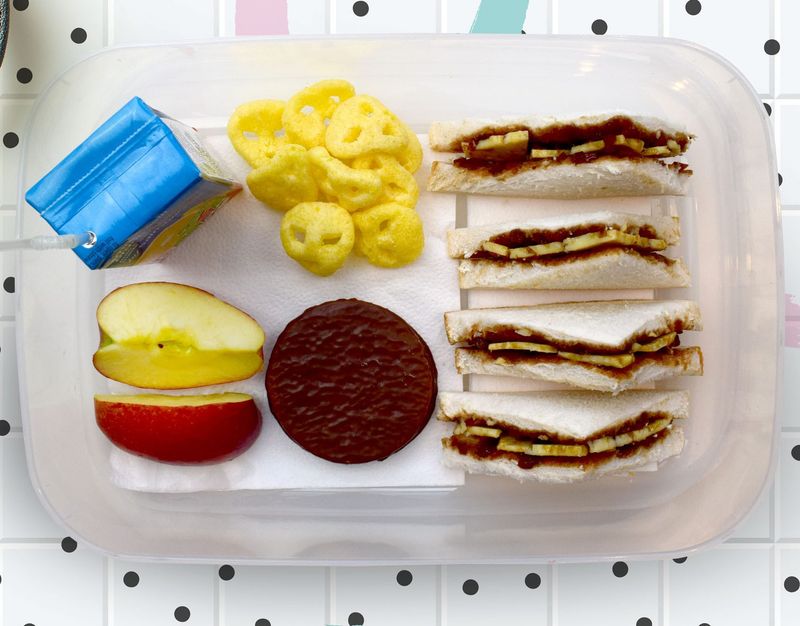
Instead of handing out money for canteen meals or cafe lunches, families assembled packed lunches every morning using leftovers and simple ingredients. Sandwiches, fruit, homemade biscuits, and flasks of soup became standard fare that cost pennies compared to buying food out.
This daily routine saved substantial amounts over months and years whilst ensuring everyone ate proper nutrition. Children swapped treats with friends, making lunchtime social and fun.
Reusable containers and thermoses eliminated wasteful packaging whilst keeping food fresh and tasty.
6. Shopping With A Grocery List

Walking into shops with a detailed written list prevented impulse purchases that quickly inflated grocery bills beyond budgets. Families planned weekly menus beforehand, writing down exactly what they needed and sticking firmly to those items whilst browsing aisles.
This disciplined approach meant fewer forgotten essentials and reduced trips back to the shops. Children learned planning skills by helping create lists based on planned meals.
Marketing tricks and attractive displays couldn't tempt shoppers who knew precisely what they came for and ignored everything else completely.
7. Choosing Store Brands

Families discovered that supermarket own-brands tasted virtually identical to expensive name-brand products but cost significantly less. From tinned tomatoes to breakfast cereals, store labels offered quality food without the premium price tag attached to fancy advertising campaigns.
This simple switch saved pounds on every shopping trip without sacrificing taste or nutrition. Children barely noticed the difference between branded and own-brand items in most cases.
The money saved went toward treats, outings, or simply stretching the household budget further each month.
8. Freezing Bread And Bulk Buys
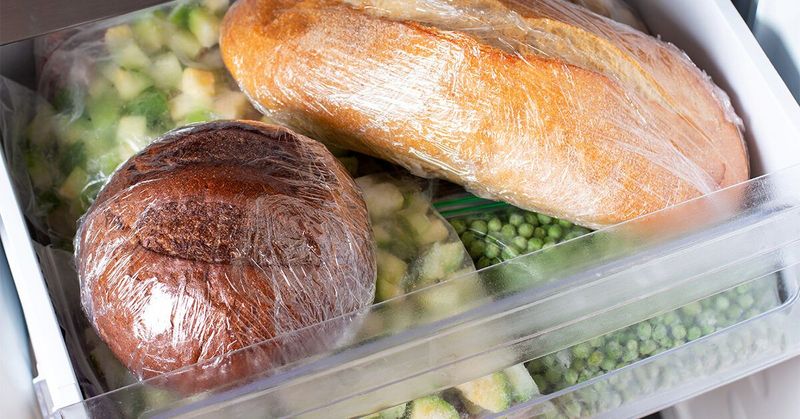
Spotting a good offer often meant buying extra and finding space in the freezer straight away. Bread, butter, and meat kept well when stored properly, allowing families to make the most of lower prices without worrying about waste.
Toasting slices straight from frozen became completely normal, and very little ended up going mouldy. Planning ahead in this way helped smooth out weekly spending rather than reacting to last-minute shortages.
A well-stocked freezer quietly acted as a financial safety net.
9. Cooking From Scratch
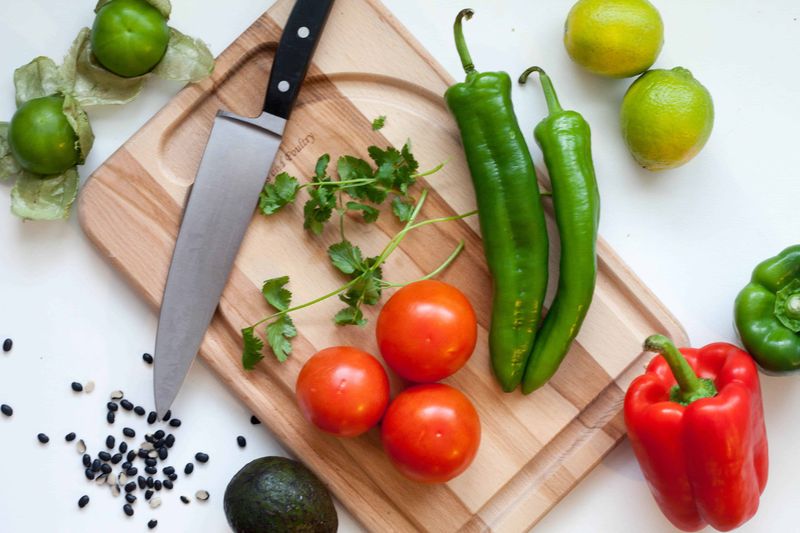
Ready meals were far less common, so flour, eggs, butter, and pantry staples did most of the heavy lifting at mealtimes. Cakes rose in home ovens, sauces simmered on the hob, and even simple loaves were baked by hand in many households.
Preparing food this way generally worked out cheaper than relying on heavily processed options. It also meant families understood exactly what went into their meals.
Over time, those everyday cooking skills became second nature rather than something learned later in life.
10. Preserving Seasonal Produce
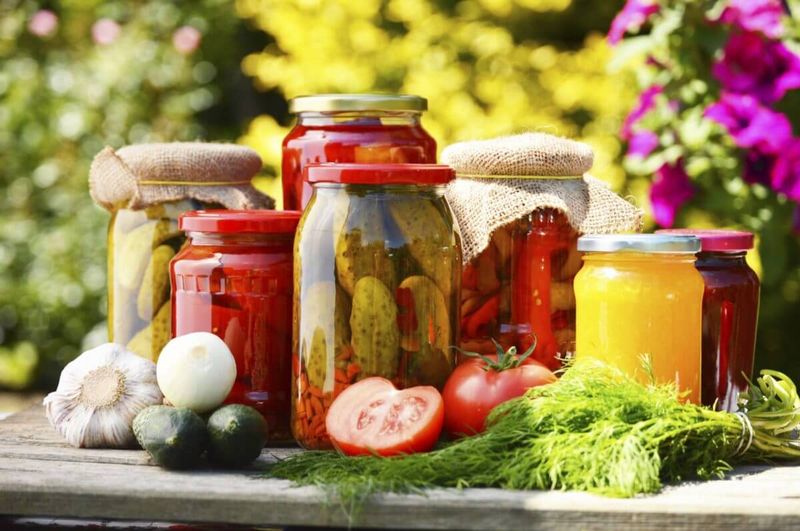
When summer fruits and vegetables reached peak season and low prices, families preserved them through canning, jamming, and pickling for winter months. Strawberries became jam, cucumbers turned into pickles, and tomatoes got bottled as sauce, capturing flavours and nutrients for later enjoyment.
This traditional skill meant delicious produce year-round without paying premium prices for out-of-season imports. Preserved goods made thoughtful homemade gifts for neighbours and relatives.
Pantry shelves lined with colourful jars represented both savings and pride in self-sufficiency.



