













Staying hydrated is important, but more isn’t always better when it comes to water intake. Many people sip throughout the day without noticing how their body actually responds.
Subtle signals can appear when hydration goes beyond what feels comfortable, and they’re easy to miss in everyday routines. Noticing these small cues can help bring balance back to daily habits.
This article is for general information only and does not replace medical advice. Hydration needs differ from person to person, and persistent symptoms should be discussed with a healthcare professional. Photos are for illustrative purposes only.
1. Very Frequent Urination Throughout The Day
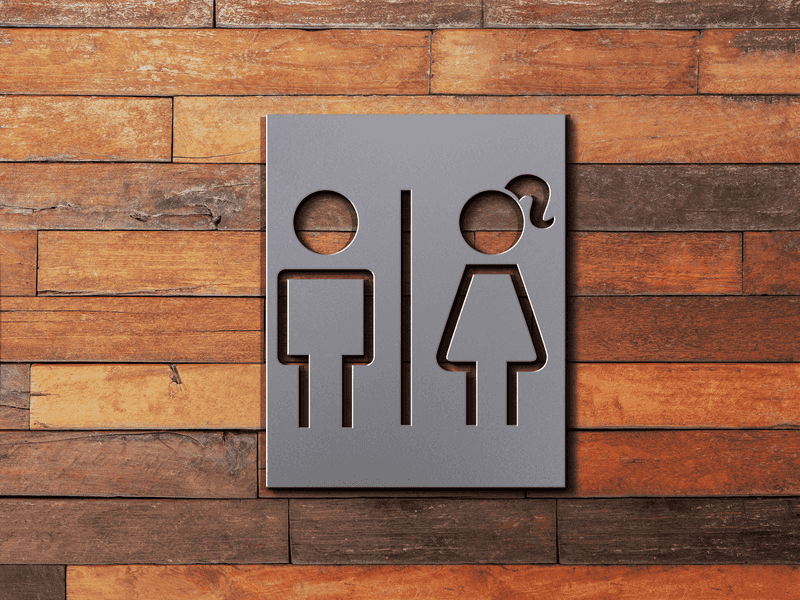
Needing frequent toilet breaks can sometimes reflect how much fluid you are drinking rather than a medical problem. Everyone’s bladder habits differ depending on body size, activity level, and daily routines.
Drinking large amounts of water in a short time naturally increases how often you need to go. Repeated interruptions can become inconvenient and may affect sleep quality if trips continue overnight.
Paying attention to steady sipping instead of constant refilling can sometimes ease the pattern.
2. Headaches Without An Obvious Cause
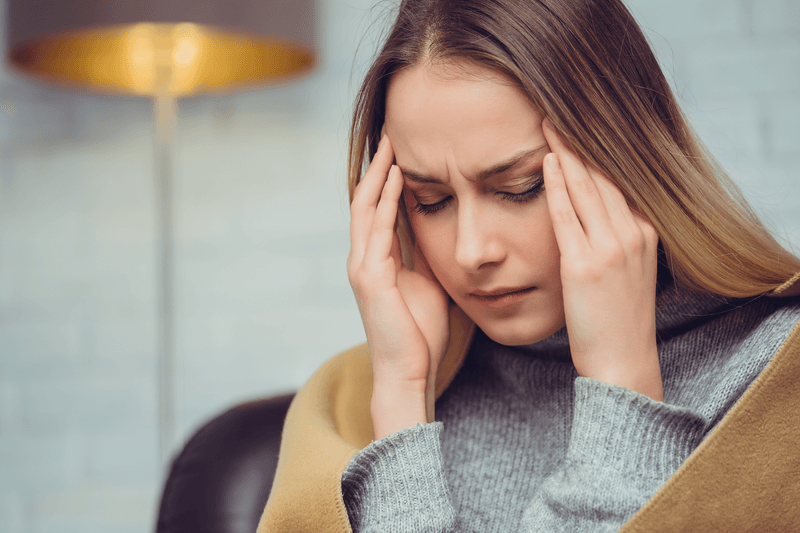
Everyone gets headaches occasionally, but mysterious ones might stem from drinking too much water. Excessive hydration dilutes sodium levels in your bloodstream, causing cells to swell.
When brain cells expand, pressure builds inside your skull, triggering pain. If you've ruled out other causes like stress or lack of sleep, your water bottle might be the unexpected culprit behind those nagging headaches.
3. Feeling Nauseous Or Light-Headed
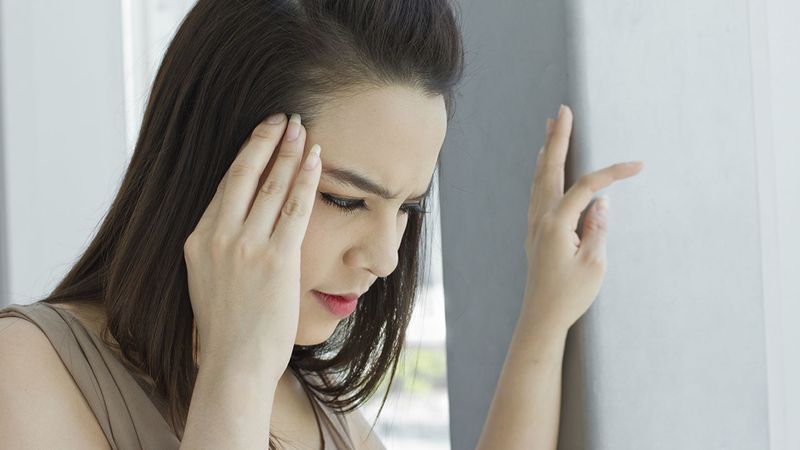
That queasy, dizzy feeling isn't always from something you ate. Overhydration throws off your body's electrolyte balance, particularly sodium, which helps regulate everything from nerve signals to muscle function.
Low sodium makes you feel wobbly and sick to your stomach. If you're constantly sipping water and experiencing these symptoms without other explanation, your hydration habits need adjusting.
4. Bloating Or Stomach Discomfort
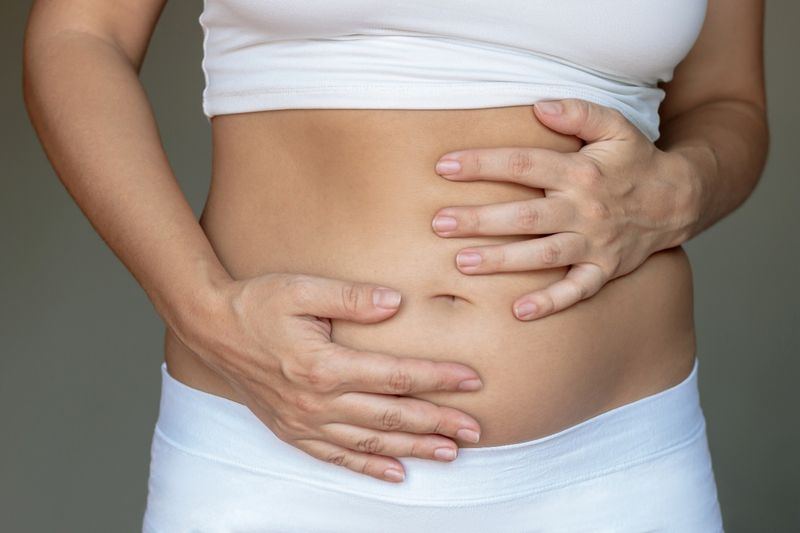
Your tummy shouldn't feel like a water balloon after drinking. Excessive fluid intake overwhelms your digestive system, causing uncomfortable bloating and that sloshing sensation when you move.
Unlike bloating from food, water-related discomfort feels heavy and full. Your stomach can only process so much liquid at once, so spacing out your drinks rather than gulping litres quickly helps tremendously.
5. Swelling In Hands, Feet, Or Lips
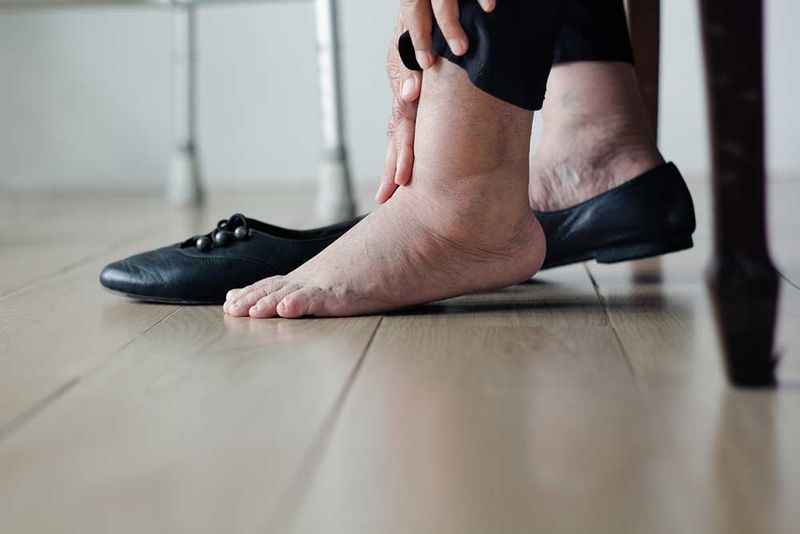
Extra fluid in the body can sometimes show up as puffiness or mild swelling in certain areas. This happens when fluid shifts into tissues rather than staying balanced within circulation.
Hands, feet, and the face are often noticeable simply because changes are easier to see and feel there. Rings may feel tighter or shoes may suddenly feel snug.
If swelling appears alongside high fluid intake and settles when intake is moderated, hydration habits may be worth reviewing.
6. Unusual Fatigue Or Weakness
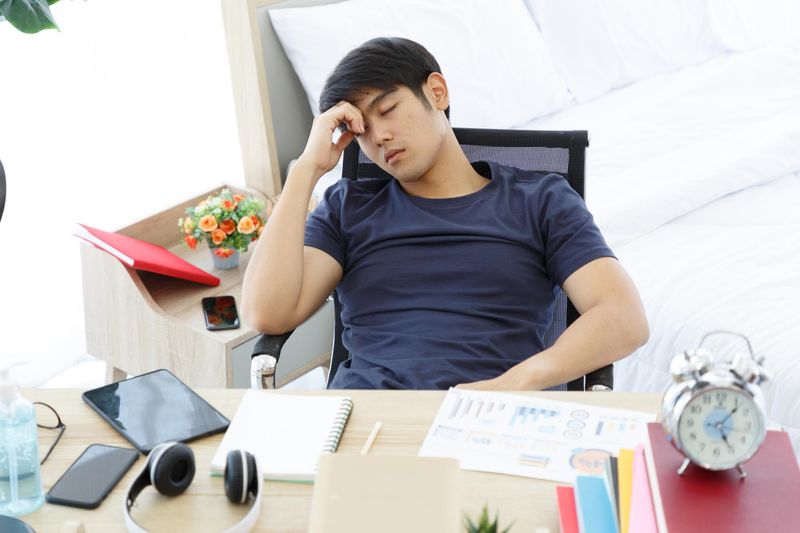
Feeling unusually tired or weak can occasionally be linked to changes in fluid and electrolyte balance. Drinking very large volumes of water can dilute minerals such as sodium that help nerves and muscles function normally.
When this balance shifts, energy levels may dip and the body can feel sluggish. Rest alone may not immediately restore that sense of alertness if hydration remains excessive.
Bringing intake back into balance often helps the body feel steadier and more comfortable again.
7. Muscle Cramps Or Twitching
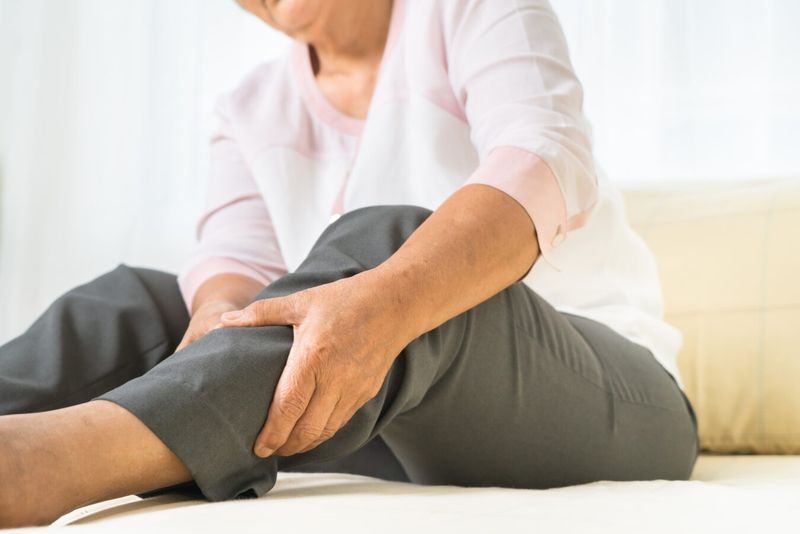
Random muscle spasms aren't just annoying - they're your body waving a red flag. Electrolytes like sodium, potassium, and magnesium control muscle contractions, and excessive water dilutes these crucial minerals.
Without proper electrolyte balance, your muscles misfire, causing cramps and involuntary twitching. Athletes especially need to watch this, as they often drink loads of water without replacing lost salts through sweat.
8. Sudden Unexplained Weight Gain
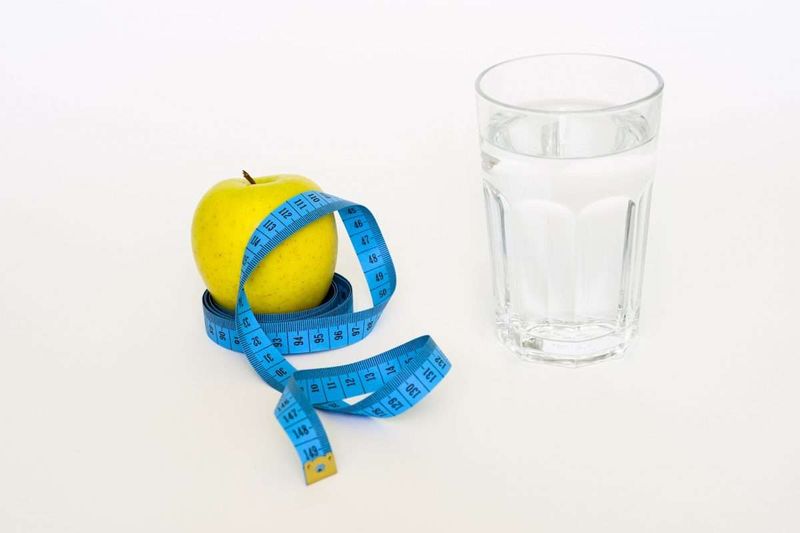
Stepping on the scales and seeing unexpected numbers creep up can be alarming. Water has weight, and drinking excessive amounts means your body retains more fluid than necessary.
This isn't fat gain - it's water weight. You might notice the numbers fluctuate dramatically from day to day.
If you've ruled out dietary changes and increased your water intake significantly, that's probably your answer right there.



