













Ever noticed how a quick trip to the supermarket can quietly turn into a full obstacle course? Between navigating crowded aisles and trying to remember what was actually on the shopping list, it is easy to forget there is a whole team working behind the scenes to keep shelves stocked and food fresh.
Small habits that feel harmless in the moment can sometimes create extra work or food waste that most shoppers never see. Many workers have stories about everyday actions that slow down their routines or make their jobs harder than expected.
It often makes you wonder which common shopping habits might be more disruptive than they seem.
The information shared here is intended for general informational and consumer awareness purposes. Shopping experiences, store policies, and staff expectations may differ depending on the retailer, location, and working practices.
1. Leaving Chilled Or Frozen Food On Regular Shelves
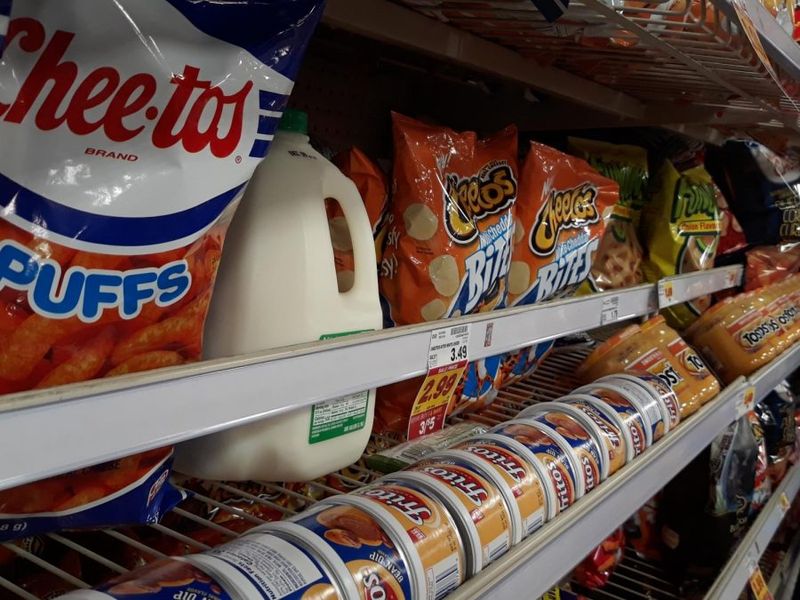
Finding a bag of frozen peas tucked behind cereal boxes or ice cream melting next to tinned beans happens far too often. When shoppers change their minds about chilled or frozen items, abandoning them on random shelves creates serious problems.
Staff must constantly patrol aisles searching for misplaced perishables before they spoil completely. These abandoned items usually can't be resold and end up as waste, costing the store money and contributing to food waste that affects everyone's prices.
2. Returning Fresh Produce To Random Aisles
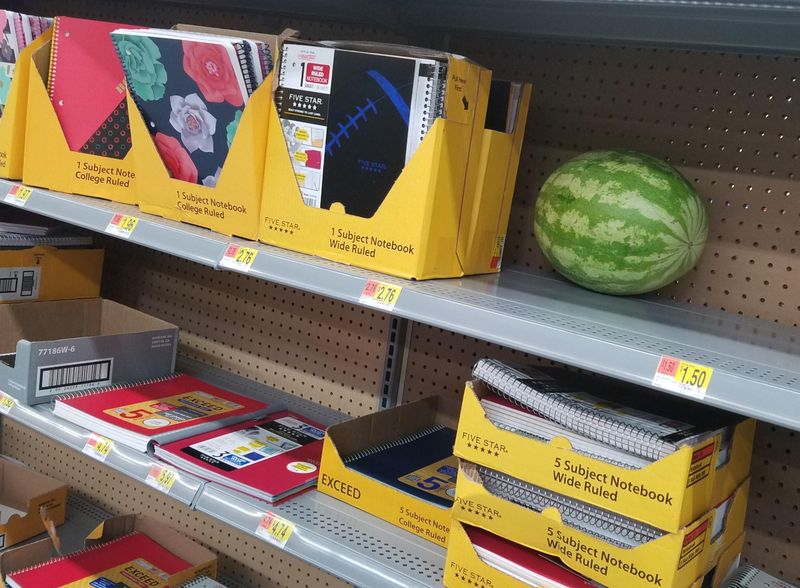
Picking up fresh lettuce near the produce section but deciding against it by the biscuit aisle creates unnecessary headaches. Leaving fresh produce anywhere except its proper refrigerated area means it quickly deteriorates and becomes unsellable.
Workers spend valuable time tracking down misplaced fruits and vegetables throughout the store. By the time they discover that bunch of bananas hiding behind pasta sauce, it's often too late to save them, resulting in preventable waste.
3. Blocking Aisles While Comparing Labels
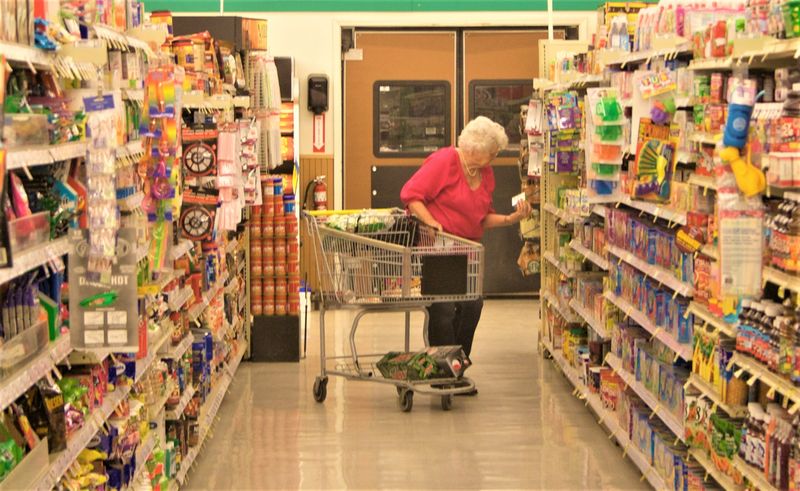
Standing directly in the middle of an aisle whilst scrutinising every ingredient on multiple products blocks traffic flow completely. Everyone understands wanting to make informed choices, but positioning yourself and your trolley as a roadblock frustrates fellow shoppers and staff alike.
Workers trying to restock shelves or assist other customers can't navigate past these bottlenecks efficiently. Simply moving to one side whilst you compare labels keeps aisles flowing smoothly for everyone.
4. Opening Food Packages Before Paying

Tearing into a packet of crisps or sampling grapes before reaching the checkout might seem innocent enough. However, opening products before purchase creates inventory nightmares and hygiene concerns that staff must address immediately.
Once packaging is compromised, items often can't be sold to other customers, especially if partially consumed. Workers then face the awkward situation of monitoring whether opened items actually get paid for at checkout or mysteriously disappear.
5. Abandoning Trolleys With Perishable Groceries
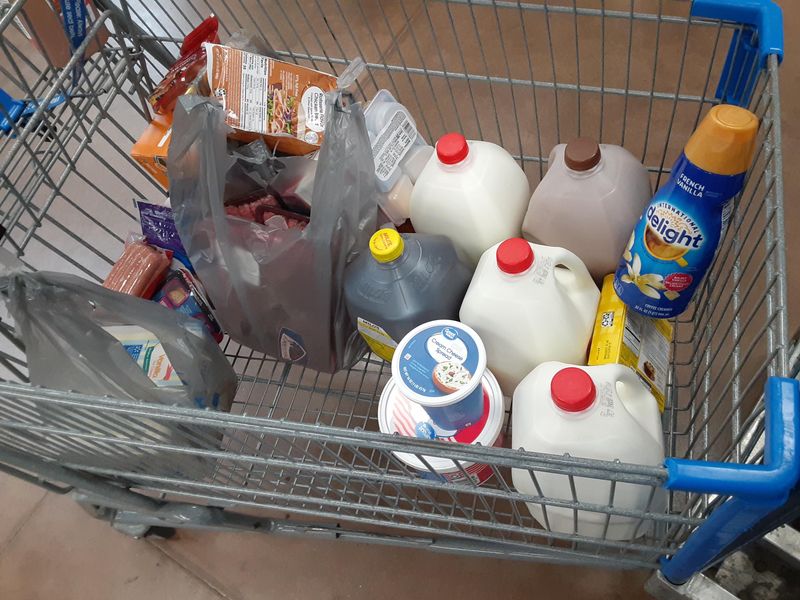
Discovering a full trolley of abandoned shopping, complete with fresh meat and dairy, ranks among the most frustrating finds for supermarket staff. Perhaps something urgent came up, but leaving perishable items without informing anyone causes significant waste.
By the time workers locate these forgotten trolleys, the food has often been unrefrigerated too long to safely return to shelves. The entire trolley's contents typically must be discarded, representing substantial financial loss and environmental impact.
6. Rearranging Products Incorrectly After Checking Dates

Rummaging through products to find the furthest date is understandable, but leaving everything in complete disarray afterwards creates extra work. Staff spend considerable time ensuring products are rotated correctly with oldest items at the front.
When shoppers pull everything forward, check dates, then shove items back randomly, it undoes careful stock rotation systems. This increases the likelihood that older products expire on shelves, ultimately contributing to waste that affects pricing for all customers.
7. Mixing Loose Produce In One Bag
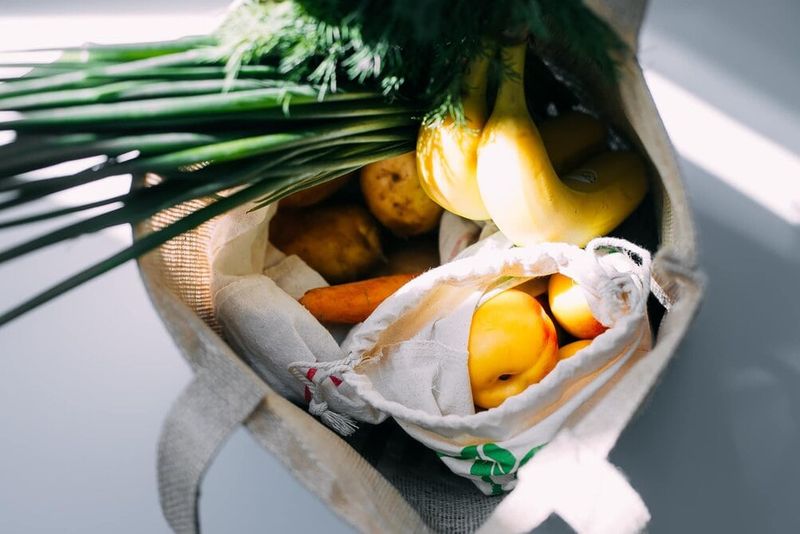
Combining potatoes, onions, and carrots into a single bag might save plastic, but it creates significant scanning difficulties at checkout. Each type of loose produce has different pricing codes that cashiers must identify and weigh separately.
Checkout staff must then unpack your environmentally conscious bundle, sort everything, and repack it after weighing each item individually. This dramatically slows down the checkout process for everyone queuing behind you during busy periods.
8. Ignoring Food Spills
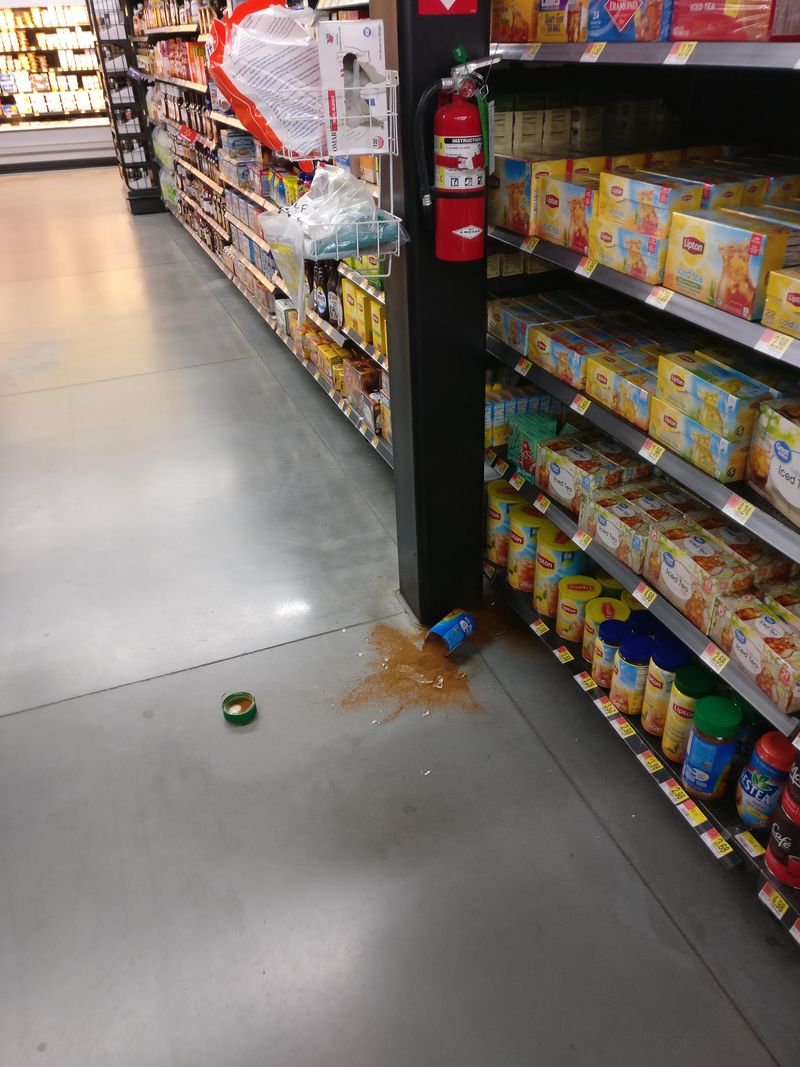
Accidentally knocking over a jar of pasta sauce happens to everyone occasionally. Walking away without alerting staff to the breakage, however, creates genuine safety hazards that could result in serious injuries.
Workers rely on customers reporting spills immediately so they can cordon off areas and clean thoroughly. Every minute a spill goes unreported increases the risk of someone slipping badly, and staff often discover these messes only after near-misses or actual falls occur.
9. Handling Bakery Items Without Tongs

Reaching for fresh bread or pastries without using the provided tools can create hygiene concerns that staff must manage carefully. Supermarkets place tongs and paper barriers nearby to help reduce direct contact with unpackaged foods.
When several items are touched before one is selected, workers often need to check products and remove anything that may no longer meet display standards. Maintaining cleanliness in open bakery sections requires constant attention throughout the day.
Using the available tools helps protect food quality and keeps displays looking fresh for everyone.
10. Leaving Meat Or Dairy At Checkout

Deciding against purchasing meat or dairy whilst queuing and simply leaving it at the checkout creates food safety dilemmas. These temperature-sensitive products can't safely return to refrigerated sections once they've been unrefrigerated for unknown periods.
Checkout staff must immediately remove these abandoned items and determine whether they're still safe to resell. Most often, they can't risk it and must dispose of perfectly good food, contributing to waste that ultimately impacts everyone's shopping costs.
11. Damaging Produce While Searching Displays

Digging aggressively through fruit and vegetable displays whilst searching for the perfect specimen leaves behind a trail of bruised, damaged produce. Those squashed tomatoes and punctured apples you've rejected become unsellable waste.
Workers constantly tidy produce sections, removing damaged items that customers have carelessly handled. Gentle selection rather than aggressive rummaging helps maintain quality for everyone and reduces the shocking amount of fresh food waste generated daily in supermarkets.
12. Sampling Loose Food Without Paying

Trying loose produce before reaching the checkout can sometimes create confusion around store policies. Certain shops allow limited sampling, while others require items to be weighed and paid for before eating.
Staff often spend time explaining these rules and helping customers understand what is permitted in each location. Clear signage or asking a worker can help avoid awkward moments during shopping trips.
Following store guidelines helps keep inventory accurate and ensures a smoother experience for customers and employees alike.



