













Scandinavian food has become more familiar to many people in the UK through travel, supermarkets, and the growing interest in Nordic cooking. While some dishes share similarities with British tastes and eating habits, others reflect preservation methods and flavour profiles that are less commonly found in everyday UK meals.
As a result, certain Scandinavian foods have been widely adopted, while others remain less popular with British diners.
This content is provided for general interest only. Food preferences, availability, and regional variations may differ. Images are for illustrative purposes only.
Scandinavian Foods Brits Love

The first ten dishes on this list represent the very best of Scandinavian cuisine that's found a warm welcome in British hearts and homes. These are the foods that bridge cultures beautifully, offering flavours that feel both exciting and comfortingly familiar.
From the cosy sweetness of cinnamon buns to the elegant simplicity of smoked salmon, these dishes have proven their universal appeal. They're approachable, delicious, and easy to incorporate into everyday British life.
Whether enjoyed at a trendy café, prepared at home, or discovered during travels, these Scandinavian favourites have truly earned their place on British tables and in British affections.
1. Swedish Meatballs
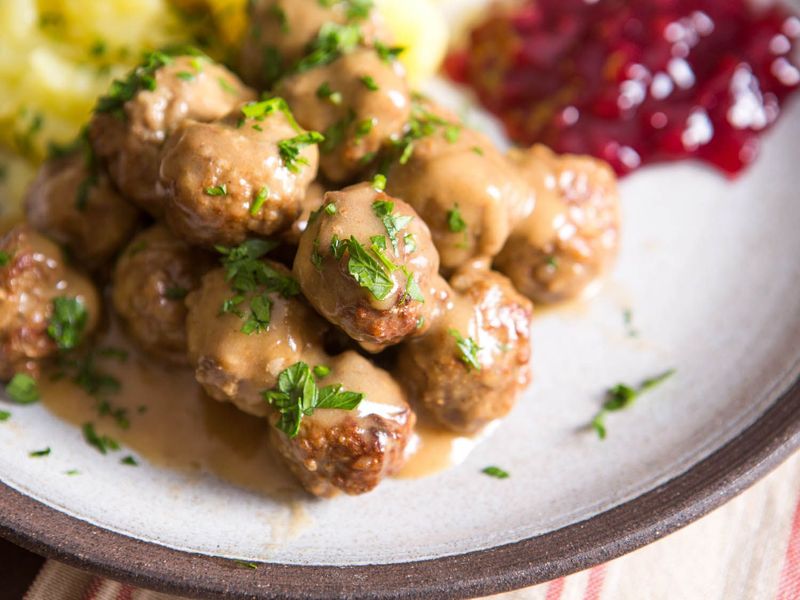
Few dishes have achieved the kind of global fame that Swedish meatballs enjoy, thanks in no small part to a certain flat-pack furniture giant. These spiced spheres of minced pork and beef are tender, savoury, and utterly moreish.
Served alongside creamy mash, velvety gravy, and a spoonful of tart lingonberry jam, they strike a perfect balance between comfort and sophistication. Brits have wholeheartedly embraced this combination, finding it familiar yet exciting enough to feel like a treat.
Whether enjoyed in a bustling store canteen or recreated at home, Swedish meatballs have earned their place as a beloved Scandinavian export.
2. Cinnamon Buns (Kanelbullar)

Soft, sweet, and gloriously fragrant, Swedish cinnamon buns are the heart and soul of fika – that cherished coffee break ritual. Unlike their American cousins, kanelbullar are less gooey and more bread-like, with a delicate swirl of cinnamon and cardamom running through each bite.
Topped with pearl sugar that adds a subtle crunch, they're perfect for dunking in a hot cuppa. British bakeries have eagerly adopted these pastries, and it's easy to see why.
They're comforting without being overly indulgent, making them ideal for a mid-morning pick-me-up or an afternoon treat shared with friends.
3. Smoked Salmon
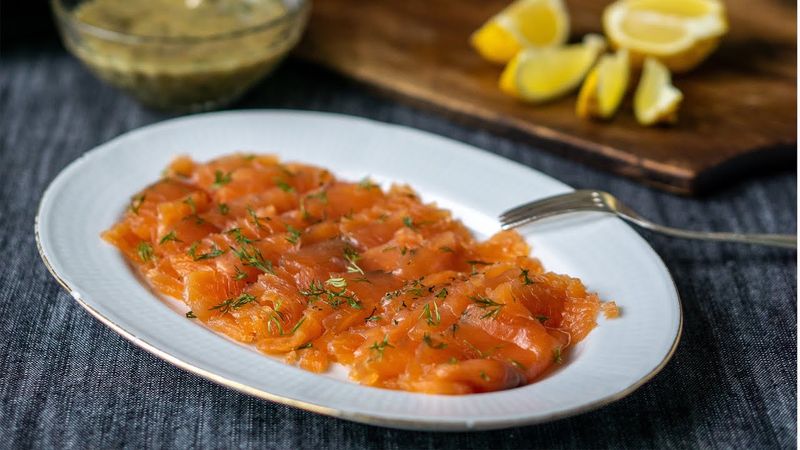
Scandinavia's cold, pristine waters produce some of the finest salmon in the world, and the smoking process elevates this fish to something truly special. Rich, silky, and subtly smoky, it's a staple at British brunches and celebratory spreads.
Whether draped over a bagel with cream cheese or served simply with a squeeze of lemon and a sprinkle of dill, smoked salmon feels both luxurious and effortless. Its delicate flavour and buttery texture have made it a firm favourite across the UK.
For many Brits, it's become synonymous with leisurely weekend mornings and special occasions.
4. Open-Faced Sandwiches (Smørrebrød)
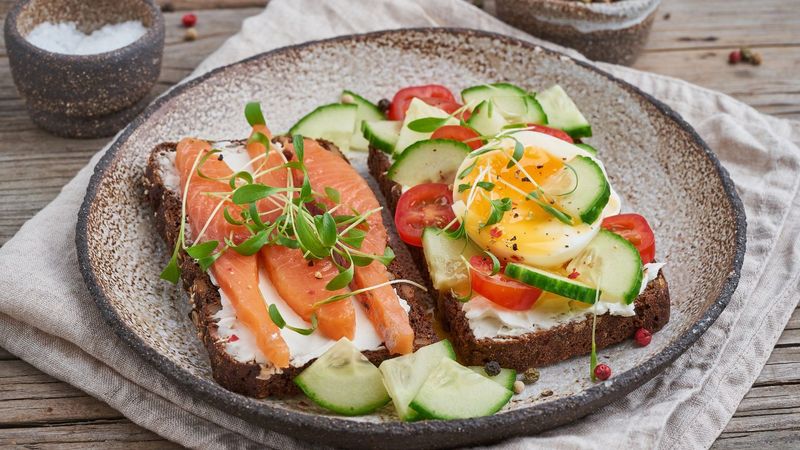
Denmark's answer to the humble sandwich is anything but ordinary. Smørrebrød starts with a base of dense, dark rye bread and builds upwards with an artful arrangement of toppings – think pickled herring, cured meats, cheeses, and crisp vegetables.
Each slice is a miniature masterpiece, as much about presentation as it is about flavour. Brits have taken to this concept with enthusiasm, appreciating the balance of textures and the way it transforms simple ingredients into something elegant.
It's a meal that feels both wholesome and indulgent, perfect for lunch or a light supper with friends.
5. Crispbread (Knäckebröd)
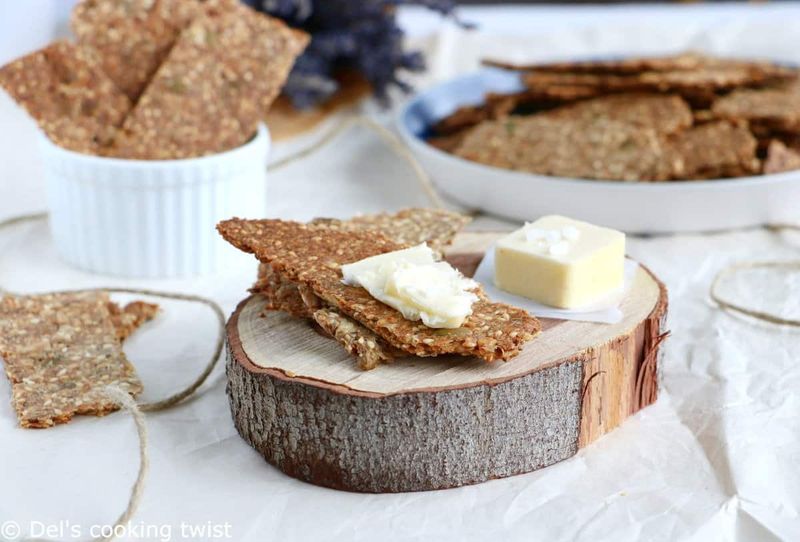
Crunchy, wholesome, and endlessly versatile, Swedish crispbread has found a permanent spot in British cupboards. Made from rye or wheat, these thin crackers are baked until they're satisfyingly crisp, offering a blank canvas for countless toppings.
Spread with butter and topped with cheese, or paired with smoked fish and a dollop of crème fraîche, they're a quick and healthy snack or light meal. Their long shelf life and portability make them practical, too.
For Brits seeking a lighter alternative to traditional bread, knäckebröd delivers both flavour and crunch without any fuss.
6. Gravlax
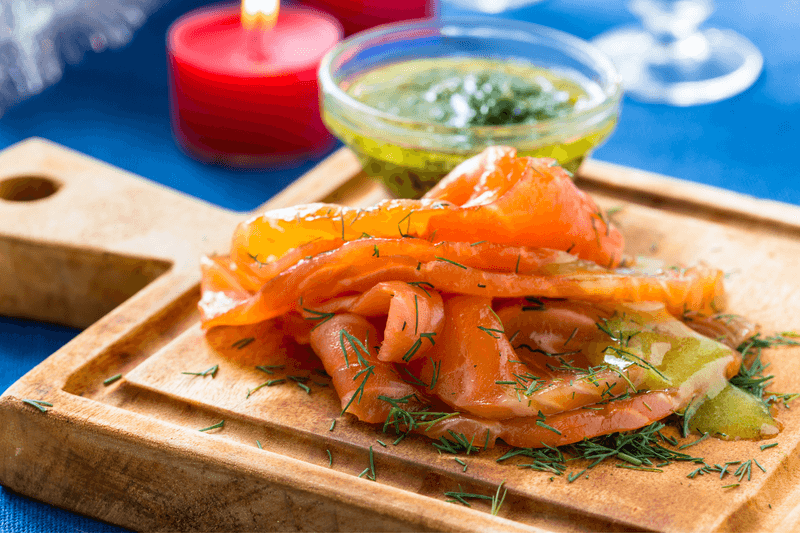
Cured salmon might sound intimidating, but gravlax is surprisingly simple and utterly delicious. This Norwegian delicacy involves coating fresh salmon in a mixture of salt, sugar, and dill, then leaving it to cure for a few days.
The result is silky, flavourful fish with a delicate sweetness and a hint of herbaceous freshness. Served with a tangy mustard sauce and dark rye bread, it's a dish that feels both rustic and refined.
British diners have embraced gravlax wholeheartedly, often featuring it on brunch menus and dinner party spreads where it never fails to impress guests.
7. Cloudberry Jam
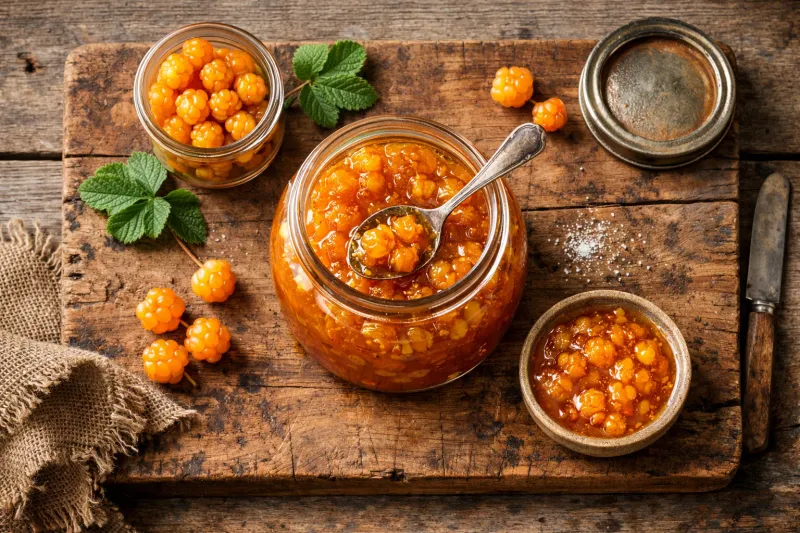
Cloudberries are the golden treasure of the Nordic wilderness, and their jam is something truly special. These amber-coloured berries grow wild in the far north, and their unique sweet-tart flavour is unlike anything else.
Spread on toast, stirred into yoghurt, or served alongside waffles, cloudberry jam adds a touch of Scandinavian magic to everyday meals. Brits who've discovered it often become instant converts, enchanted by its complex flavour and beautiful colour.
It's a little taste of the Arctic that brings warmth and brightness to even the greyest British mornings.
8. Rye Bread
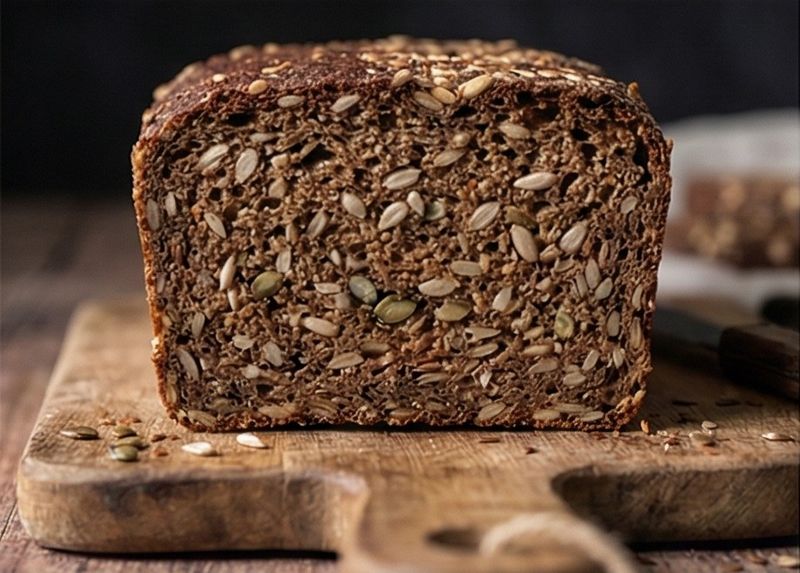
Dense, dark, and deeply satisfying, Scandinavian rye bread is a world away from the fluffy white loaves many Brits grew up with. Made with whole rye flour and often studded with seeds, it has a hearty texture and a slightly tangy flavour that pairs beautifully with both sweet and savoury toppings.
It's the foundation of countless Nordic meals, from open-faced sandwiches to simple butter-and-cheese snacks. British health-conscious eaters have embraced rye bread for its nutritional benefits and its ability to keep you fuller for longer.
It's proper, honest bread with real character.
9. Nordic Fish Cakes
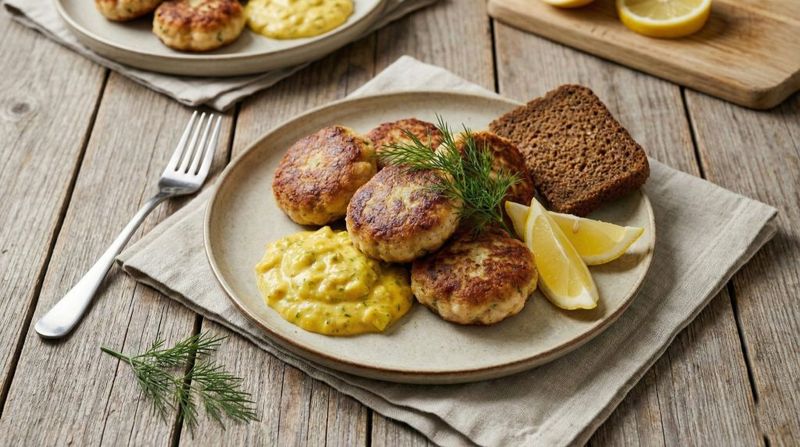
Scandinavia knows how to make the most of its abundant seafood, and fish cakes are a prime example. Made from flaked white fish mixed with potatoes, herbs, and spices, then pan-fried until golden, they're comforting, flavourful, and surprisingly easy to prepare.
Served with a dollop of tangy remoulade or a simple squeeze of lemon, they make a satisfying meal that's neither too heavy nor too light. Brits have taken to these cakes with enthusiasm, appreciating their versatility and the way they showcase quality fish without fuss.
They're perfect for a quick weeknight dinner or a leisurely weekend lunch.
10. Blueberry Soup
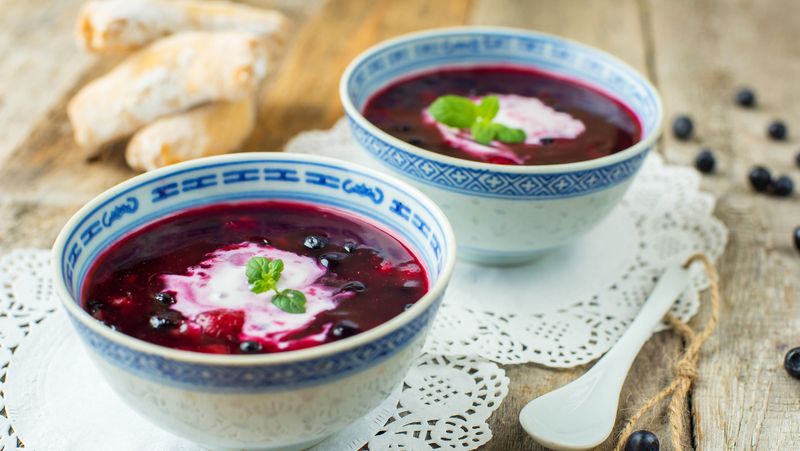
The idea of soup made from fruit might raise eyebrows, but blueberry soup is a beloved Scandinavian comfort food that's both nourishing and surprisingly versatile. Served warm in winter or chilled in summer, it's made by simmering blueberries with a touch of sugar and spices until they break down into a fragrant, jewel-toned liquid.
Often enjoyed as a light dessert or even a breakfast dish, it's typically topped with a swirl of cream or a handful of fresh berries. Brits who've tried it often find it unexpectedly delightful.
It's wholesome, warming, and wonderfully different from anything else in the British culinary repertoire.
Scandinavian Foods Brits Often Skip
The final five items showcase the more challenging side of Nordic cuisine – dishes that remain firmly rooted in Scandinavian tradition but haven't quite crossed over to British acceptance. These foods require a particular palate and often a cultural connection to truly appreciate.
Whether it's the overwhelming fermentation of surströmming or the intense saltiness of liquorice, these dishes tend to inspire bewilderment rather than enthusiasm among British diners. They're not bad foods by any means, just deeply acquired tastes.
For most Brits, these remain fascinating cultural curiosities to read about rather than delicacies to seek out, and there's absolutely no shame in that preference.
1. Rakfisk
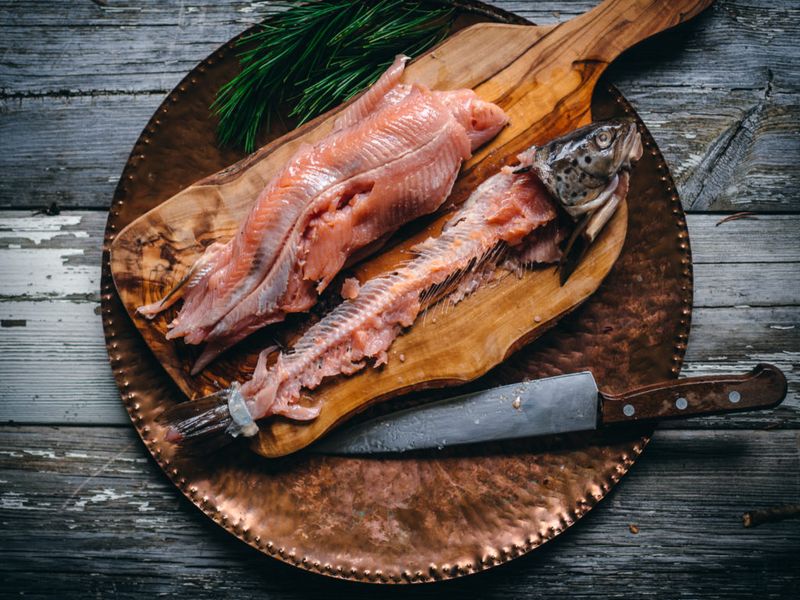
Norway's answer to fermented fish is rakfisk, a dish that involves salting freshwater trout and leaving it to ferment for several months. The result is a fish with a potent smell and a strong, complex flavour that's cherished by Norwegians but often bewildering to outsiders.
Served with flatbread, sour cream, and raw onions, it's a traditional winter delicacy that requires a certain level of commitment. Most Brits, accustomed to milder fish preparations, find rakfisk a step too far.
The texture and taste can be challenging, making it one of those foods that's best left to those who grew up with it.
2. Lutefisk
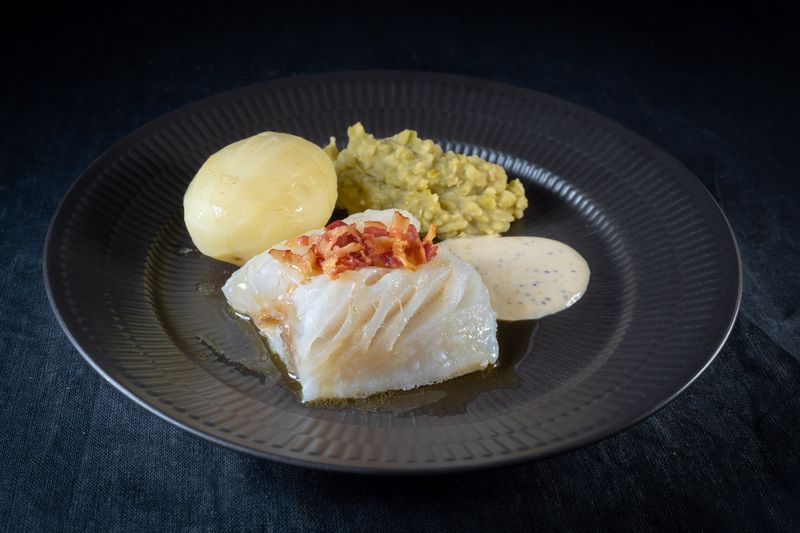
Lutefisk is one of those dishes that sounds stranger the more you learn about it. Dried whitefish is soaked in lye for several days, then rinsed repeatedly before being cooked into a gelatinous, translucent mass.
Traditionally served at Norwegian Christmas celebrations with butter, potatoes, and mushy peas, it's an acquired taste with a texture that can be off-putting to the uninitiated. The flavour is mild, but the consistency is what really divides opinion.
For most Brits, the preparation process alone is enough to inspire polite refusal, and the texture rarely wins converts among those brave enough to try it.
3. Surströmming
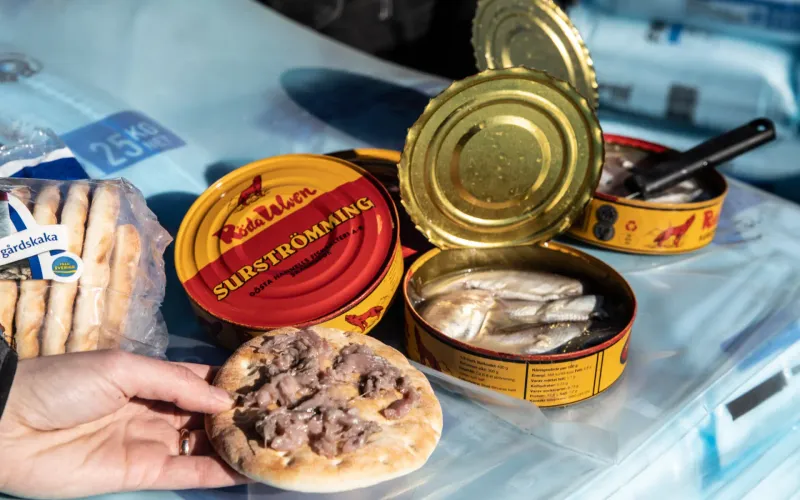
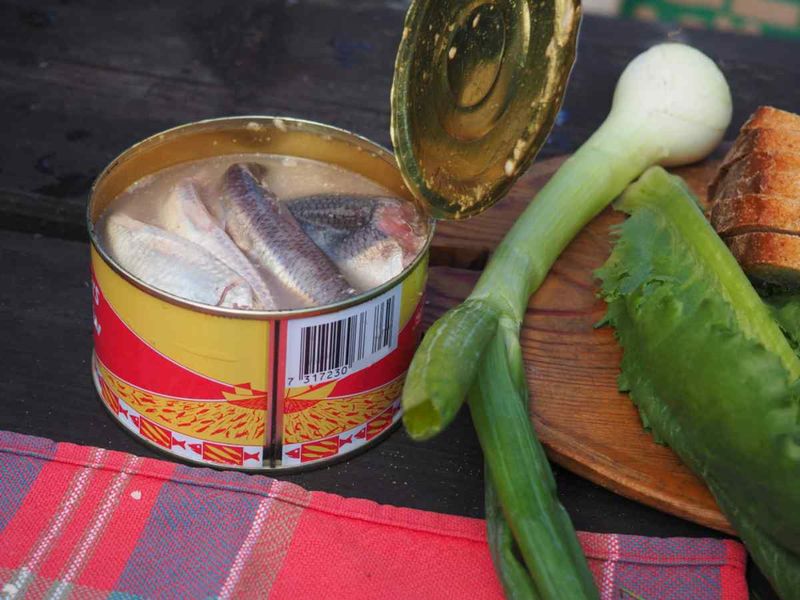
If there's one Scandinavian food that strikes fear into the hearts of even adventurous eaters, it's surströmming. This Swedish delicacy consists of fermented Baltic Sea herring, and its reputation for an overwhelmingly pungent aroma precedes it.
Traditionally eaten outdoors (for good reason), it's usually served on flatbread with potatoes and onions to temper the intensity. The flavour is strong, salty, and decidedly acquired, making it a hard sell for most Brits.
While some brave souls have attempted the challenge, the vast majority politely decline, preferring their herring in far less fermented forms. It's a cultural curiosity best admired from a safe distance.
4. Salt Liquorice
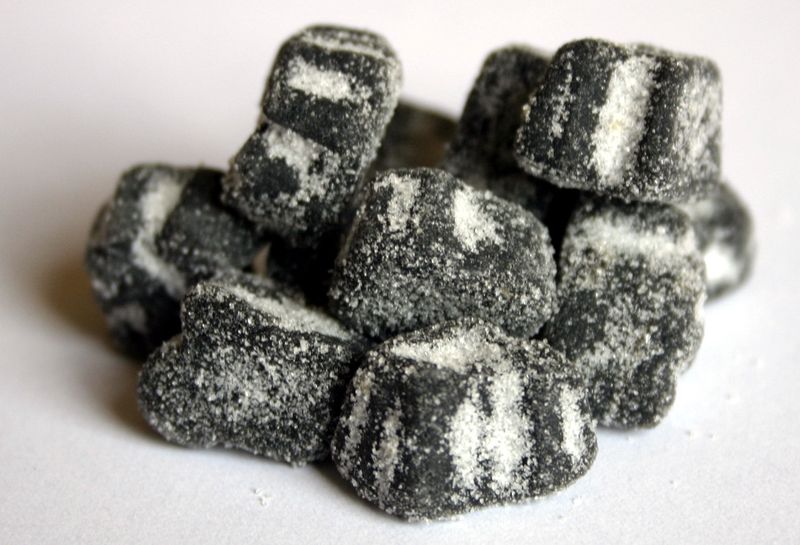
Scandinavians adore their salty liquorice, but this confection remains deeply polarising among Brits. Flavoured with ammonium chloride, it delivers an intense, salty punch that's unlike any sweet treat found in British shops.
The taste is sharp, almost medicinal, and the initial shock can be overwhelming for those expecting traditional liquorice. Available in various forms from soft pastilles to hard candies, it's a staple in Nordic countries but rarely makes it into British shopping baskets.
While some adventurous souls develop a taste for it, most Brits find the salty intensity too much to handle, preferring their sweets decidedly sweeter.
5. Pickled Herring In Cream Sauces
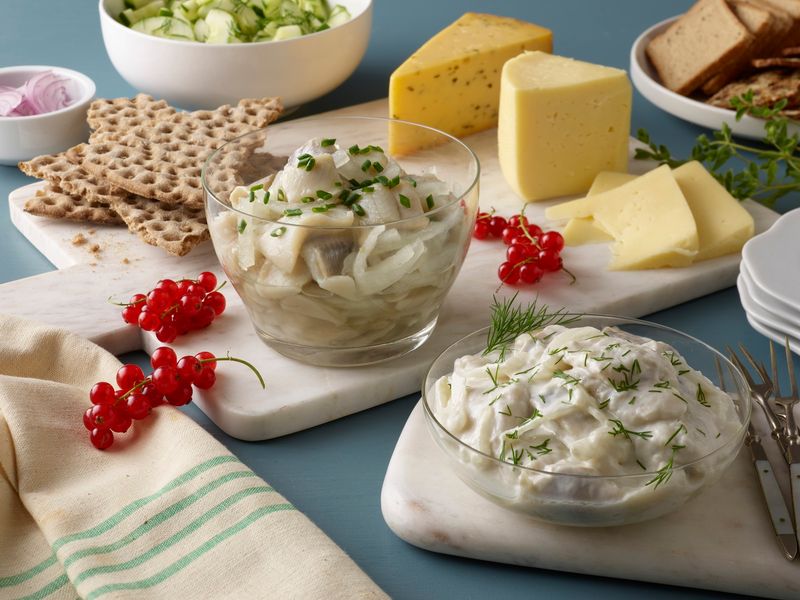
While pickled herring itself has its fans in Britain, the cream-laden versions popular in Scandinavia often prove a bridge too far. These preparations involve coating the pickled fish in thick, rich sauces made with sour cream, mayonnaise, or crème fraîche, often flavoured with mustard, dill, or curry powder.
The combination of strong fish flavour and heavy cream can be overwhelming, particularly for those unaccustomed to such bold pairings. The texture is slippery and the taste intensely fishy, making it a challenging dish for British palates.
Most prefer their herring with simpler accompaniments, leaving the cream-heavy versions firmly in the "not for me" category.



