













Understanding how much to eat from each food group can help create a balanced and varied daily diet. Rather than focusing on strict rules, recommended servings offer general guidance on how different foods work together to support energy, growth, and overall wellbeing.
From fruit and vegetables to proteins, grains, and dairy or alternatives, each group plays a role in everyday nutrition. Learning how these servings fit into regular meals makes it easier to build a routine that supports long-term healthy eating habits.
This article is for general information only and does not replace personalised dietary or medical advice. Nutritional needs vary depending on age, health, lifestyle, and activity levels.
Readers with specific health concerns should consult a qualified healthcare professional.
Understanding What Counts As A Serving
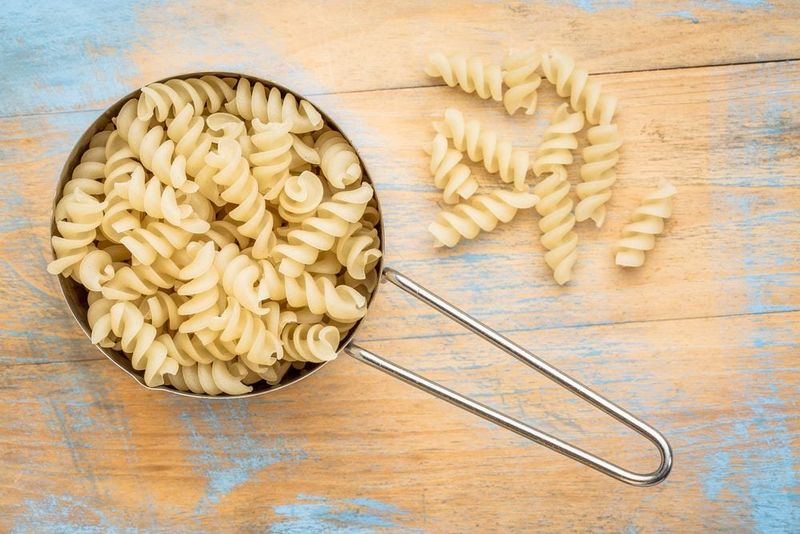
Here's the thing about servings: they're smaller than you'd think. A serving of pasta is half a cup cooked, which looks pretty measly on a plate if we're honest.
One slice of bread counts, as does a single banana or a cup of raw leafy greens.
The confusion comes because restaurant portions are massive compared to official serving sizes. That burger bun?
Probably three servings right there. Understanding these measurements helps you build meals that actually fuel your body properly.
Once you've got your head around what a serving looks like, you'll spot patterns in how you eat and where you might need to adjust things without obsessing over every bite.
How Portions Vary Across Different Food Groups
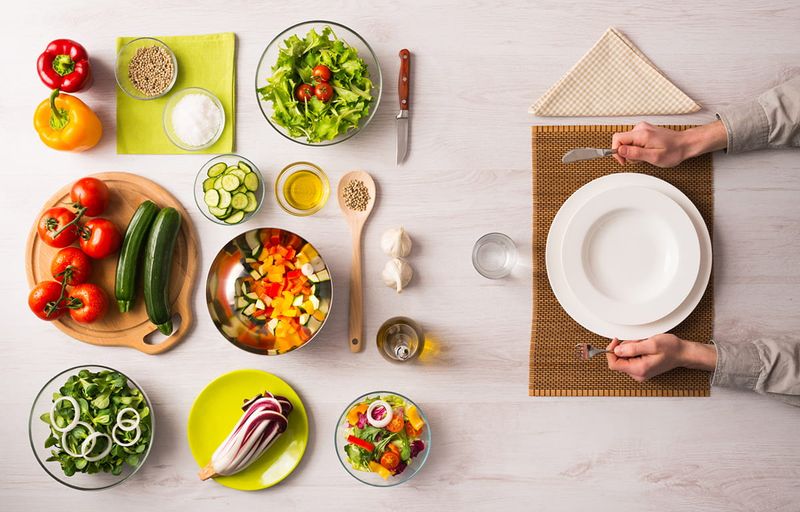
Not all food groups play by the same rules when it comes to portions. Vegetables get generous servings because they're packed with nutrients and low in calories – you can have a whole cup of cooked veg or two cups of salad leaves.
Grains, though? They're energy-dense, so portions shrink to half a cup of rice or one small tortilla.
Protein servings are measured differently altogether, usually in ounces rather than cups. An egg counts as one ounce, same as a tablespoon of peanut butter.
This variety exists because different foods do different jobs in your body, and the measurements reflect how much you actually need of each type to stay balanced and healthy without overdoing it.
Why Balance Matters More Than Exact Numbers
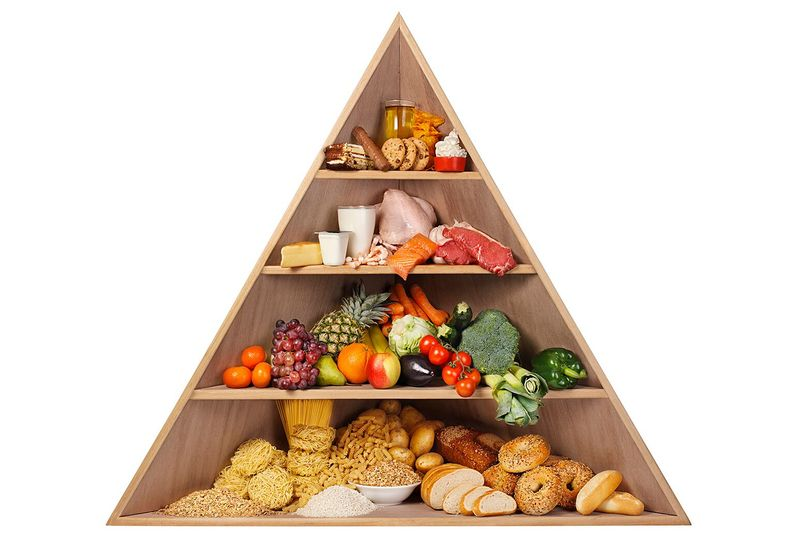
Stressing about hitting exact serving numbers every single day is a fast track to making yourself miserable. Your body's pretty clever – it can handle variations and make up for shortfalls over time.
What matters more is the overall pattern of what you're eating across the week.
Some days you'll smash five portions of veg, other days you'll barely manage two. That's normal life, not nutritional failure.
The goal is variety and consistency over time, not perfection at every meal.
Think of serving recommendations as helpful guides rather than strict commandments. They show you what to aim for, but real life involves flexibility, enjoyment, and the occasional meal that's just chips because it's been that sort of day.
The Role Of Fruit And Vegetables In Daily Eating
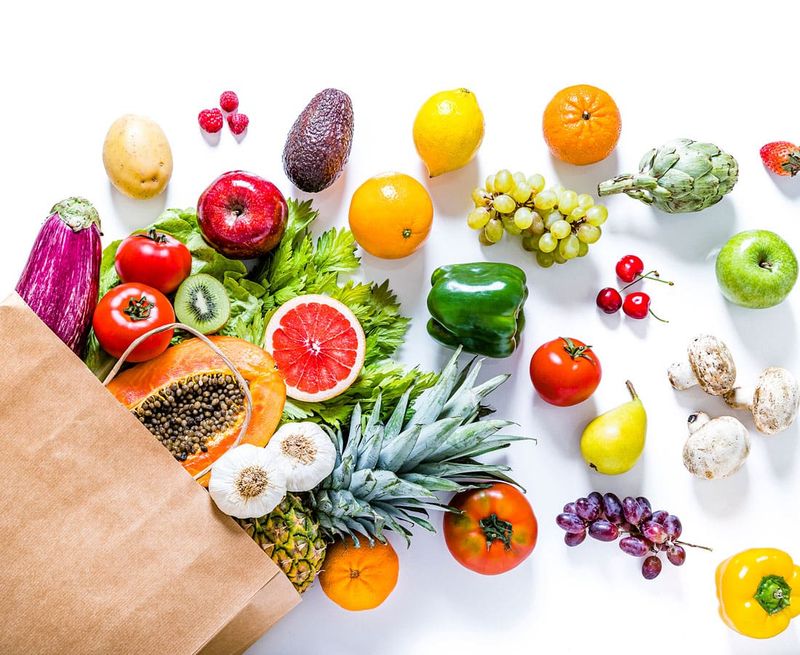
Four to five servings of fruit and veg daily sounds ambitious until you realise a glass of juice counts, as does that banana with breakfast. These foods bring vitamins, minerals, and fibre that keep everything running smoothly, from your immune system to your digestion.
The beauty of this food group is the sheer variety available. Frozen veg counts just as much as fresh, and tinned fruit in juice works too.
You don't need exotic superfoods or expensive organic produce to hit your targets.
Mixing colours throughout the day ensures you're getting different nutrients. Chuck some berries on your cereal, grab an apple for a snack, and pile your dinner plate with whatever veg you fancy.
How Protein Foods Fit Into Everyday Meals

Protein keeps you feeling full and helps build and repair everything in your body, from muscles to hair. Adults need about five to six and a half ounces daily, which sounds complicated until you break it down.
One egg at breakfast gives you an ounce. A small chicken breast at dinner might be three or four ounces.
Beans, lentils, nuts, and seeds all count towards your protein intake too. Quarter cup of cooked beans equals an ounce of meat, making vegetarian meals totally doable for meeting protein needs.
The trick is spreading protein throughout the day rather than loading it all into one massive dinner, which helps maintain steady energy levels and keeps hunger at bay.
Grains And Carbohydrates As A Source Of Energy
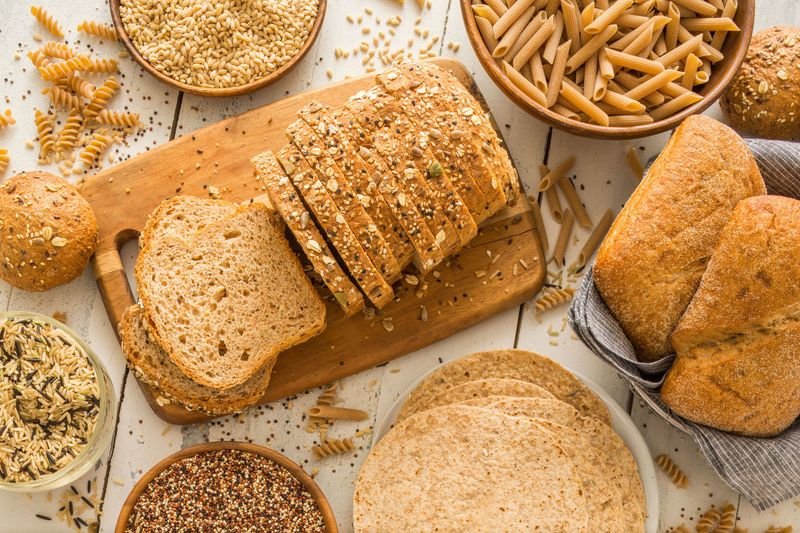
Carbs get unfairly villainised, but your brain literally runs on glucose from these foods. Six to eight servings of grains daily keeps your energy stable and your thinking clear.
Half those servings should ideally come from whole grains like brown rice, wholemeal bread, or oats, which provide more fibre and nutrients than their white counterparts.
A serving is smaller than most people dish up – one slice of toast, half a cup of cooked pasta, or a small tortilla. That morning bowl of cereal?
Probably two servings if you're honest about the portion size.
Grains form the foundation of most meals worldwide for good reason: they're filling, versatile, and relatively inexpensive whilst providing the fuel your body needs.
The Importance Of Dairy And Dairy Alternatives

Two to three servings of dairy or fortified alternatives daily provides the calcium and vitamin D your bones desperately need, especially whilst you're still growing or as you age. One cup of milk or yogurt counts as a serving, as does an ounce and a half of hard cheese.
If dairy doesn't agree with you or you're vegan, fortified soy, oat, or almond milk works perfectly fine as long as it's got added calcium. Check the label to make sure you're getting similar nutrients to cow's milk.
These foods also pack in protein and other vitamins, making them proper nutritional workhorses rather than optional extras in your daily eating pattern.
Where Fats And Oils Fit Into A Balanced Diet

Fat isn't the enemy – your body needs it for absorbing vitamins, protecting organs, and keeping your skin healthy. Two to three servings daily from healthy sources does the job nicely.
One teaspoon of olive oil counts as a serving, same as a tablespoon of low-fat mayo or two tablespoons of light salad dressing.
The type of fat matters more than the amount within reason. Olive oil, nuts, avocados, and oily fish provide fats that actually benefit your heart and brain.
Trans fats and excessive saturated fats from processed foods? Not so much.
Using fats wisely in cooking and dressings adds flavour whilst meeting your nutritional needs without going overboard on calories.
How Age And Lifestyle Can Influence Serving Needs

A teenager training for football needs way more food than their grandmother who does gentle gardening. The standard serving recommendations assume you're an average adult eating about 2,000 calories daily, but real life varies massively.
Growing kids, pregnant women, and seriously active people need more of pretty much everything.
Older adults might need fewer total calories but actually require more protein and calcium to maintain muscle and bone health. Someone with a desk job needs less grain servings than a builder working outdoors all day.
These guidelines offer a starting point, but listening to your hunger, energy levels, and how you feel helps you adjust portions to match your actual life rather than some theoretical average person.
Simple Ways To Build Balanced Meals Using Food Groups
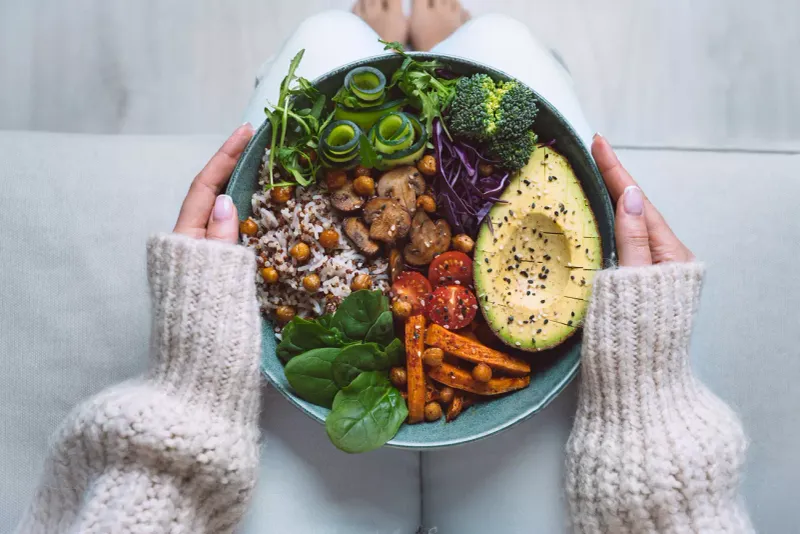
Making balanced meals doesn't require a nutrition degree or complicated calculations. Fill half your plate with vegetables or fruit, a quarter with protein, and a quarter with grains.
Chuck in a glass of milk or a yogurt on the side, and you've basically nailed it without thinking too hard.
Breakfast might be cereal with milk and a banana. Lunch could be a sandwich with salad and an apple.
Dinner works with any combination of protein, veg, and rice or potatoes. Snacks fill gaps – nuts, fruit, yogurt, or crackers with cheese all count towards your daily servings.
The simpler you keep it, the more likely you'll actually stick with eating well rather than giving up because it feels too complicated or restrictive.



