













Polish food has become more visible across Britain in recent years, appearing in supermarkets, specialist shops, and everyday home cooking. Some dishes feel familiar enough to be quickly accepted, often because they align with flavours and formats already enjoyed in British kitchens.
Others remain more challenging, shaped by different traditions, ingredients, or textures. Looking at which foods are embraced and which are often avoided offers a useful glimpse into how cultural habits influence everyday eating.
All information is provided for general interest only. Taste, appearance, and availability may vary. Photos are for illustrative purposes only.
Polish Foods Brits Embrace Quickly
British taste buds have proven surprisingly receptive to certain Polish specialities. These crowd-pleasers share common ground with familiar British comfort foods whilst offering exciting new twists.
The dishes that win over Brits typically feature recognisable ingredients prepared in novel ways. Hearty textures, savoury flavours, and versatile serving options make them easy to love.
From market stalls to restaurants, these Polish classics have carved out permanent spots in Britain's diverse food landscape, proving that good food transcends borders.
1. Kielbasa
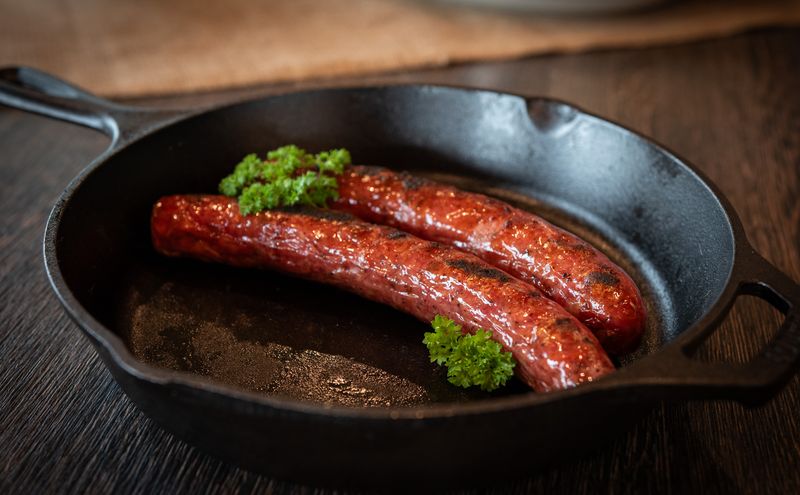
Brits know their bangers, so Polish sausages felt like meeting a delicious distant cousin. Kielbasa brings bolder spices and a smokier punch than your average Cumberland.
Whether grilled, fried, or tossed into stews, these sausages hold their own. The texture stays firm without being chewy, and the garlic-forward seasoning adds proper character.
From breakfast fry-ups to evening barbecues, kielbasa has slotted seamlessly into British life. They're substantial, flavourful, and utterly reliable when you need something meaty and satisfying.
2. Placki Ziemniaczane
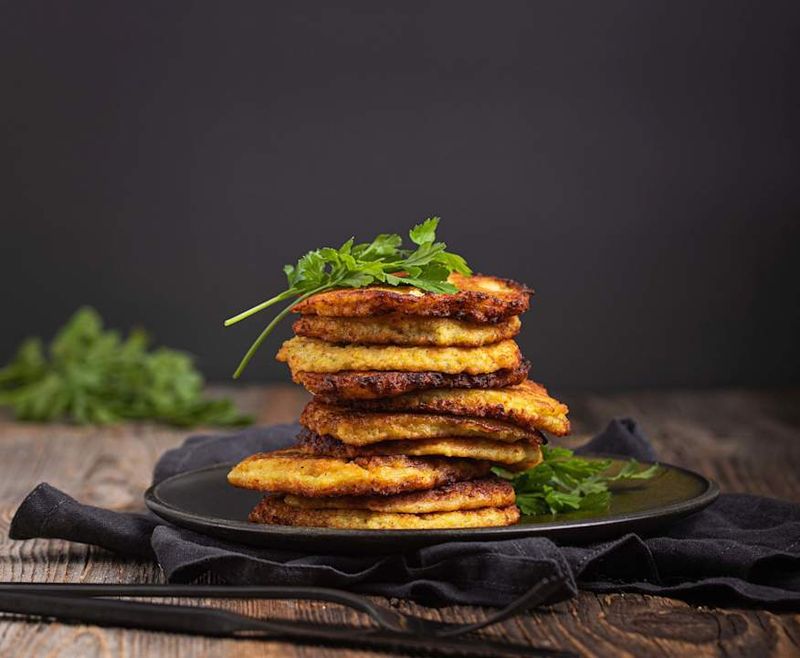
Potato pancakes might sound simple, but these crispy rounds have captured British hearts completely. They're essentially everything we love about potatoes, elevated.
Grated spuds mixed with egg and flour, then fried until golden and crunchy outside whilst staying tender within. The contrast in textures makes every bite interesting.
Served with sour cream or apple sauce, they work brilliantly as a side dish or standalone snack. They're unpretentious, filling, and exactly the sort of comfort food that feels right at home.
3. Pierogi
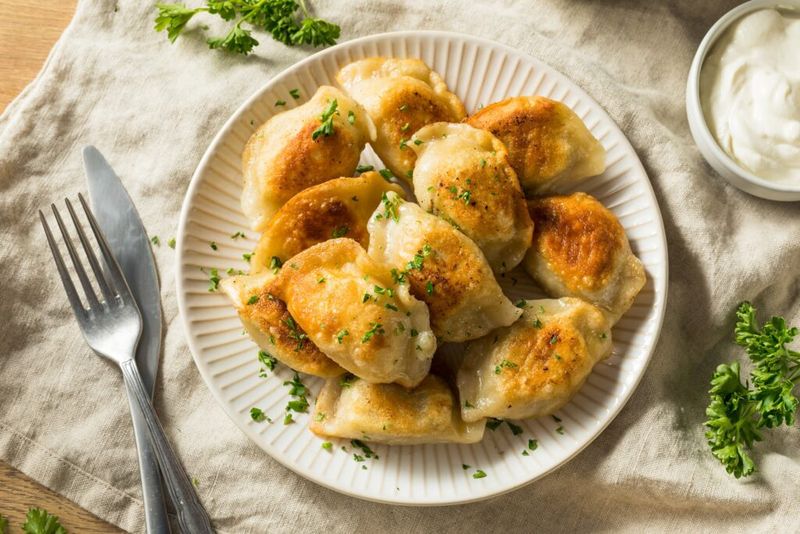
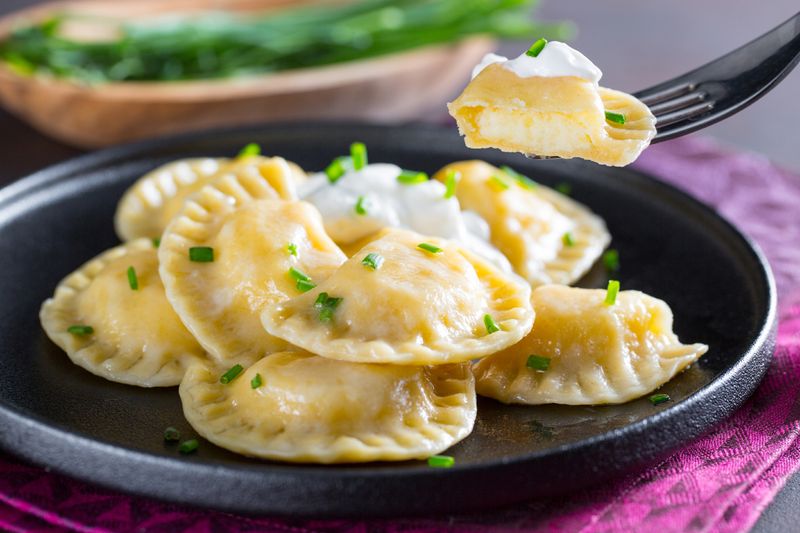
Picture a dumpling that's simultaneously comforting and exciting. Pierogi tick every box for British diners seeking something familiar yet different.
These little parcels come stuffed with potato and cheese, mushrooms, or even sweet fillings like berries. You can boil them for a softer bite or fry them until they're gorgeously crispy.
The genius lies in their adaptability. Topped with fried onions or sour cream, they feel like a proper meal that satisfies without overwhelming.
No wonder they've become a staple.
4. Seromakowiec
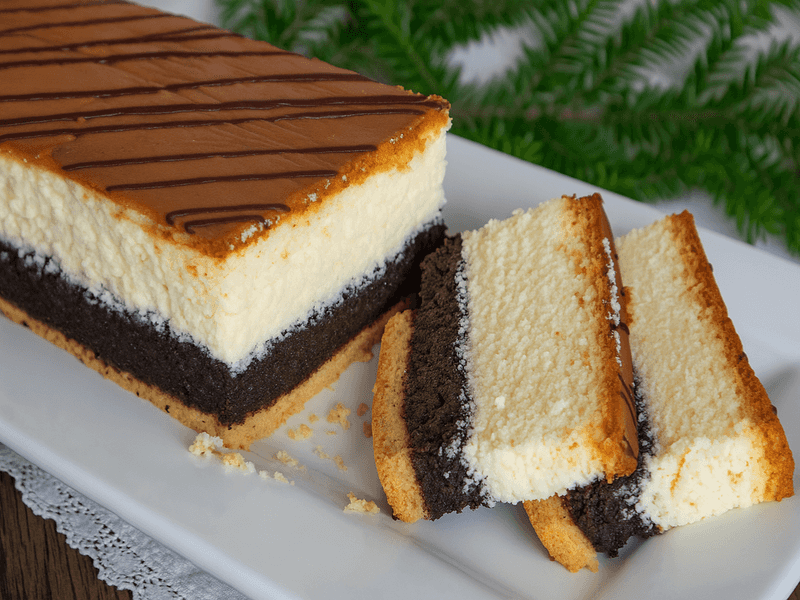
Sweet treats always find admirers, and this poppy seed roll delivers something genuinely special. Brits accustomed to Victoria sponge find seromakowiec intriguingly different.
Soft yeast dough wraps around sweet cheese and poppy seed filling, creating gorgeous swirls when sliced. The combination sounds unusual but tastes absolutely brilliant.
The poppy seeds add a subtle nuttiness whilst the cheese keeps things moist without being heavy. It pairs perfectly with afternoon tea, offering a continental twist that feels both elegant and homely.
Polish Foods Brits Usually Avoid
Not every Polish tradition translates smoothly across the Channel. Certain dishes remain firmly in the acquired-taste category for most British palates.
These foods often feature unfamiliar textures or ingredients that challenge typical British expectations. Offal, unusual preparations, and strong flavours create hesitation rather than enthusiasm.
Whilst adventurous eaters might appreciate them, the average Brit tends to give these specialities a wide berth. Cultural differences in what's considered normal eating become wonderfully apparent here.
1. Czernina
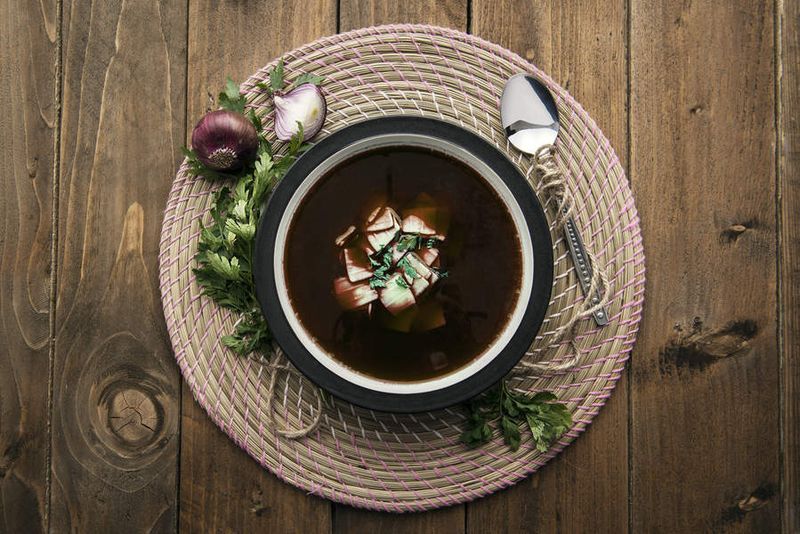
Duck blood soup sounds dramatic because it absolutely is. The dark, almost chocolate-coloured broth comes from adding duck blood to a sweet-sour base with dried fruits.
For Poles, it's nostalgic comfort food. For Brits, the concept alone usually stops the conversation.
The metallic tang and unusual sweetness create flavours we're simply not raised to appreciate.
Even adventurous eaters often find czernina a bridge too far. It represents how profoundly food traditions can differ, even between neighbouring European cultures with shared histories.
2. Salceson
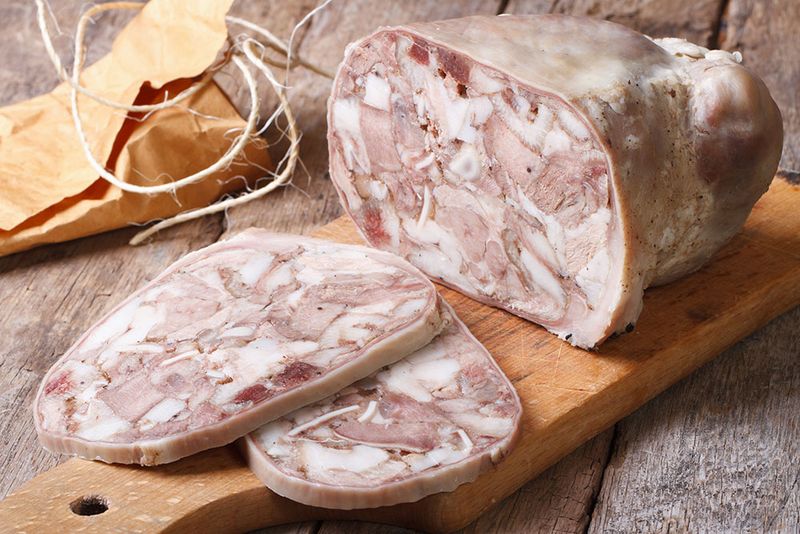
Head cheese sounds unappetizing in English, and the Polish version doesn't fare much better with British audiences. Salceson combines various pig bits in aspic jelly.
The wobbly, gelatinous texture combined with visible chunks of meat creates something visually challenging. Brits accustomed to uniform sandwich fillings find this mosaic approach deeply unsettling.
Whilst it's perfectly tasty when spread on bread, most Brits can't get past the appearance. It's a shame really, but cultural conditioning around acceptable textures runs deep.
3. Flaki
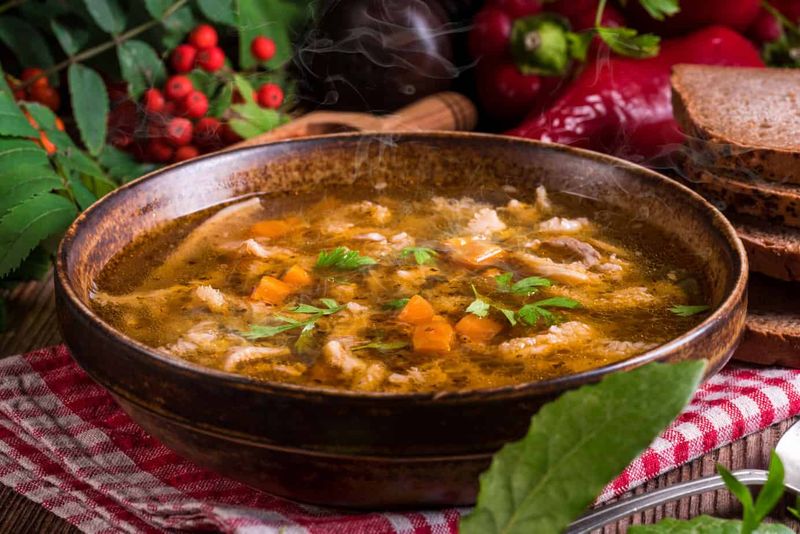
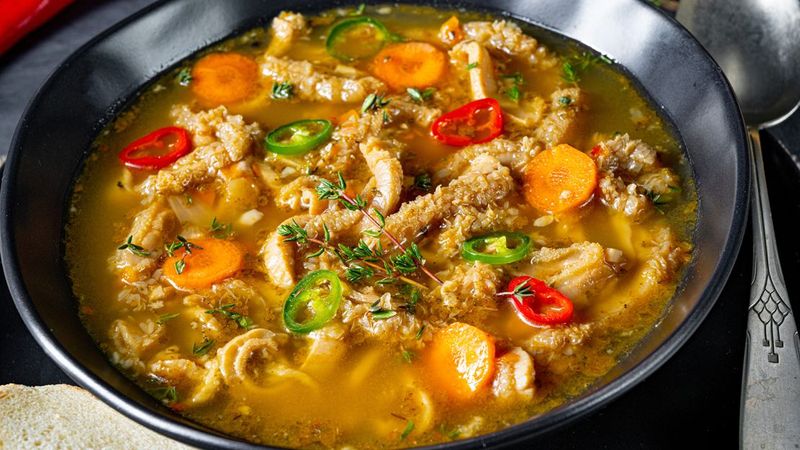
Tripe divides opinion everywhere, but in Britain it's practically disappeared from modern menus. Flaki brings it back with a vengeance.
This soup features beef stomach simmered until tender in a garlicky, peppery broth. The texture remains chewy and slightly rubbery, which most Brits find off-putting despite the flavourful liquid.
Older generations might remember tripe and onions, but younger Brits typically recoil. Flaki remains firmly in Polish territory, appreciated by those who grew up with it but rarely winning new converts.
4. Kaszanka
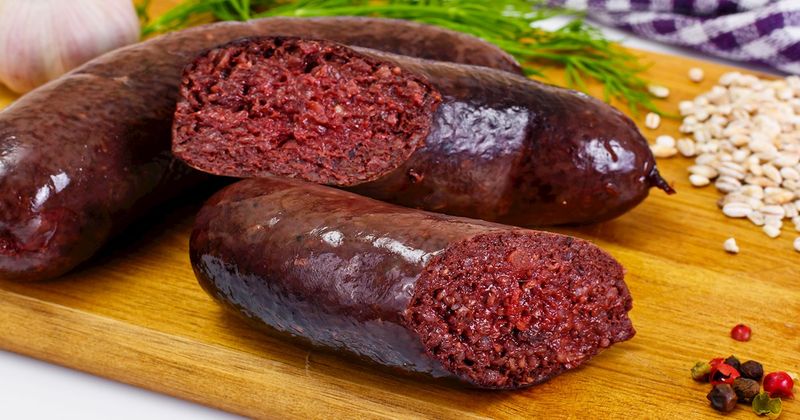
Blood sausage exists in Britain as black pudding, so you'd think kaszanka might get a pass. Somehow, the buckwheat-studded Polish version feels different enough to provoke suspicion.
The grains give it an unusual texture that's grainier and less uniform than British black pudding. Combined with the liver-forward flavour, it becomes too intense for many.
Even Brits who happily eat black pudding often baulk at kaszanka. Perhaps it's simply too unfamiliar, proving that even small variations can make familiar foods feel foreign again.



