













Food trends have a funny way of circling back, often turning yesterday’s forgotten ingredients into today’s rediscovered favourites. Old recipe books and family cookbooks regularly reveal flavours that once filled kitchens but slowly disappeared from everyday meals.
Some ingredients faded away when convenience foods became more popular, while others simply fell out of favour as tastes changed. A few, however, have started to return as home cooks explore traditional methods and revisit classic flavour combinations.
Certain ingredients may deserve renewed attention, while others highlight just how much cooking preferences have shifted over time.
All information is provided for general interest only. Ingredient availability and preparation methods may vary.
1. Once-Popular Ingredients Worth Bringing Back
Many traditional ingredients once played an important role in everyday cooking before convenience foods and changing tastes pushed them aside. Interest in heritage recipes and traditional preparation methods has encouraged some home cooks and chefs to revisit these forgotten staples.
The next 10 ingredients highlight classic cooking elements that deserve another look in modern kitchens.
2. Lard
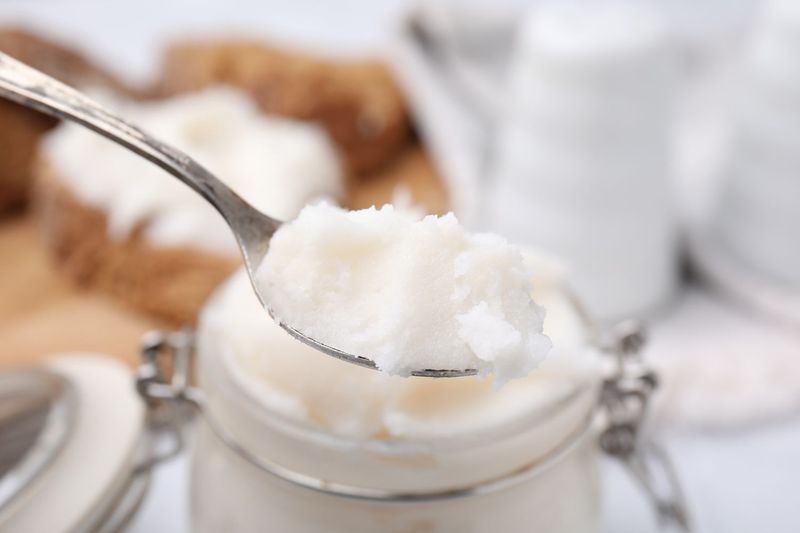
Traditional baking often relied on animal fats before vegetable oils became widely available. Lard, rendered from pork fat, was commonly used for pastry because it helped create flaky textures that were difficult to achieve with some modern alternatives.
The fat remains stable at high cooking temperatures, which made it practical for frying and baking in earlier home kitchens. Quality and sourcing play an important role, as minimally processed lard tends to provide better flavour and cooking performance.
Interest in historical baking methods has encouraged some cooks to reintroduce lard into specific recipes.
3. Suet
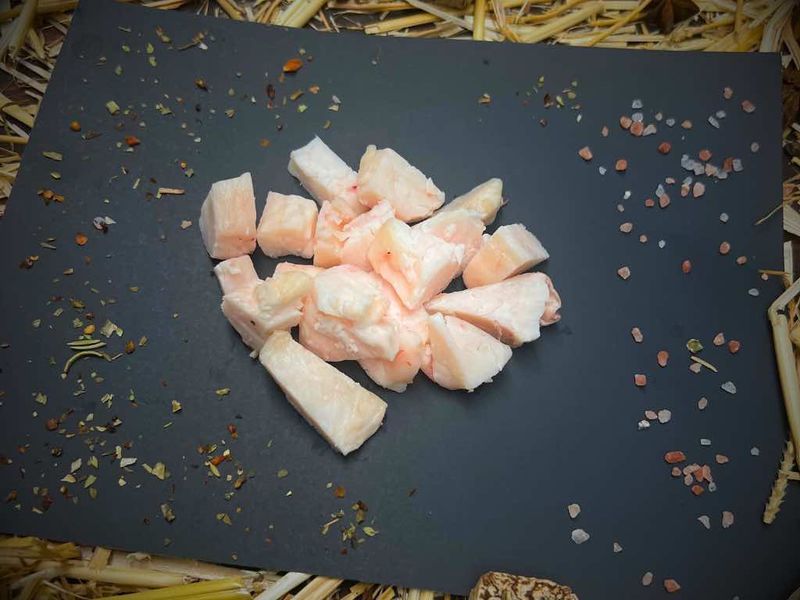
British steamed puddings and dumplings traditionally relied on suet, the firm fat found around beef kidneys. Its structure helps create lighter textures that differ from those made with butter or vegetable shortening.
Modern cooking trends gradually reduced suet’s popularity as convenience fats became easier to access. Traditional recipes, however, still depend on its unique properties for authenticity and texture.
Specialist butchers and packaged suet products continue to keep the ingredient available for heritage cooking.
4. Gelatine-Based Savoury Aspics
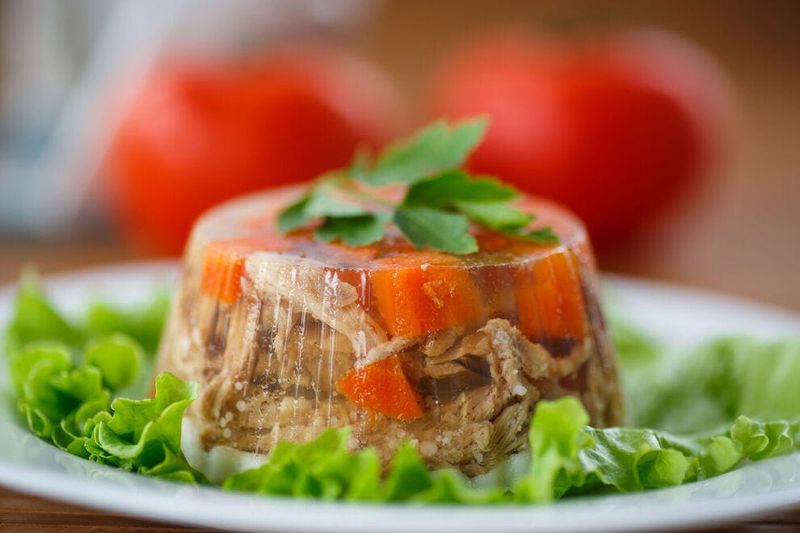
Aspics might look peculiar to modern eyes, but these shimmering jellied dishes once showcased a cook's skill and creativity. Victorian and mid-century hostesses crafted elaborate moulded salads and meat presentations that were both practical and impressive.
Before refrigeration became standard, gelatine preserved ingredients whilst adding visual appeal to dinner parties. Whilst we're not suggesting a full aspic revival, the technique deserves appreciation as culinary artistry rather than mockery.
5. Oxtail
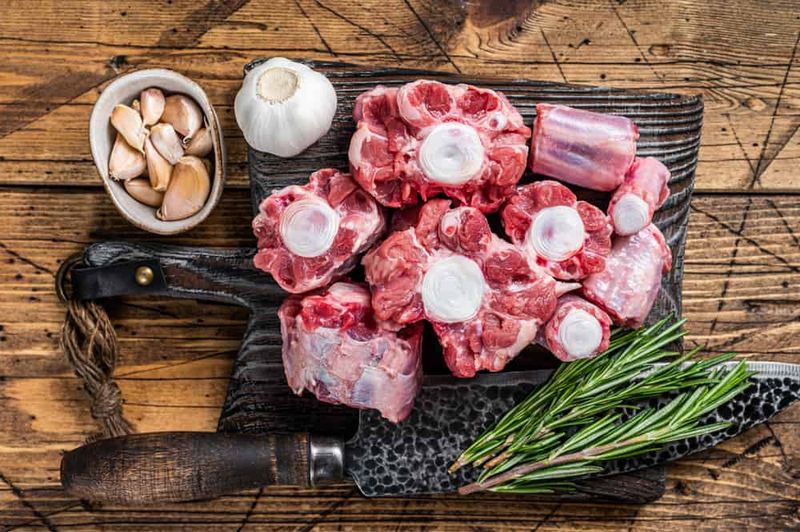
Once known mainly as an affordable kitchen staple, this cut has found its way back onto modern restaurant menus thanks to its deep flavour and comforting texture. Gentle braising allows the meat and connective tissue to soften gradually, creating a rich base for traditional dishes.
Patience is key, as slow cooking helps develop fuller flavours without complicated preparation. Many home cooks still use it in soups, stews, and broths where long simmering creates hearty, satisfying meals.
6. Marrowbone
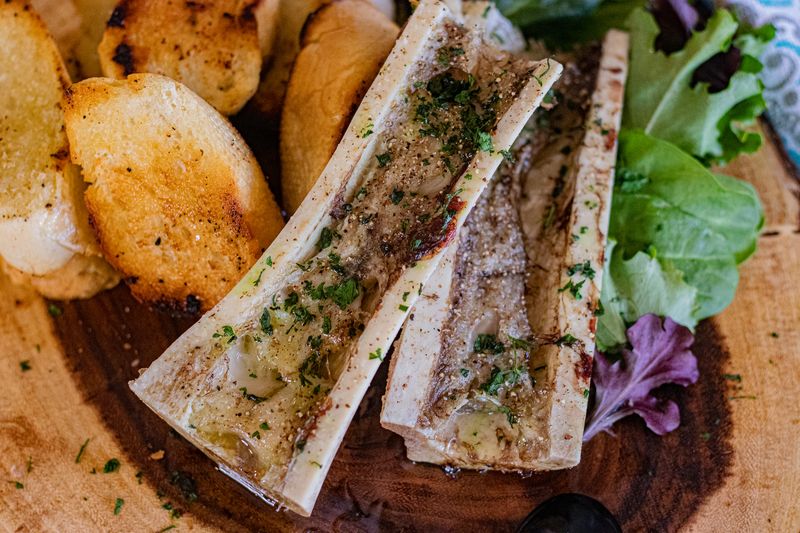
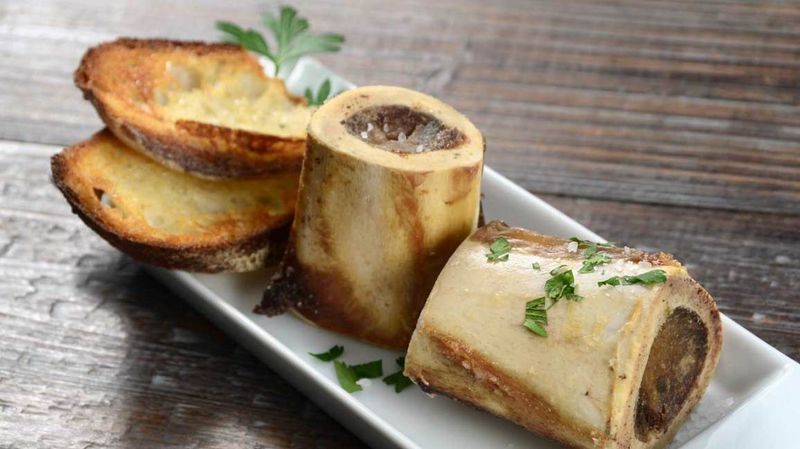
Roasting beef marrowbones reveals a soft, buttery-textured centre long valued in traditional cooking. The marrow was historically used to enrich broths, sauces, and spreads because of its intense savoury flavour.
Serving roasted marrow spread onto toasted bread remains a classic preparation. Butchers can cut marrowbones lengthways to make roasting and serving easier.
Modern menus have helped reintroduce this ingredient, though it has long been part of traditional British and European cooking.
7. Once-Popular Ingredients We Are Glad Are Gone
Not every ingredient from the past has aged well, and some were replaced for very good reasons. Changes in food safety, health awareness, and ingredient quality helped remove certain items from regular cooking.
The next 5 ingredients spotlight former kitchen staples most people are happy to leave in the past.
8. Barley As A Main Side Dish
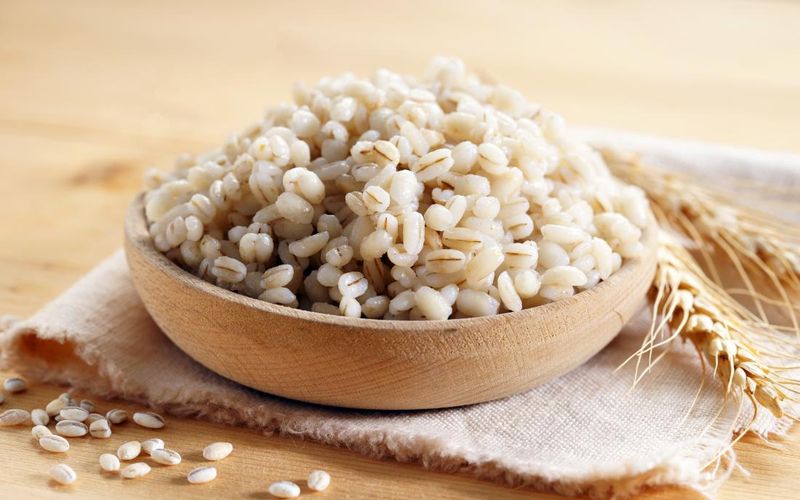
There was a time when dinner plates regularly featured a generous scoop of barley sitting proudly beside meat and vegetables. Its chewy bite and hearty feel made meals filling, but that same heaviness eventually made it less appealing once lighter grains like rice and couscous became easier to prepare.
Cooking barley also takes patience, which doesn’t always fit modern routines. While it still shines in soups and stews, most households now save it for occasional comfort dishes rather than everyday sides.
9. Tinned Sardines In Tomato Sauce
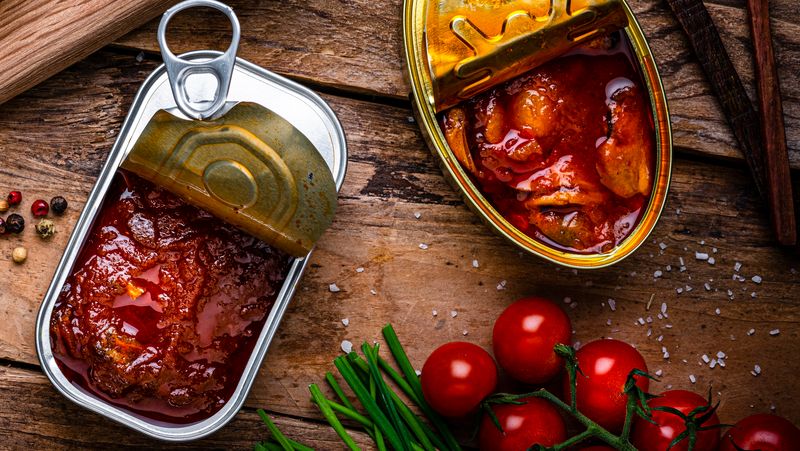
Opening a tin of sardines used to be a normal part of putting together a quick meal, especially when budgets were tight and fresh fish wasn’t always easy to find. The tomato sauce version made them feel approachable, but stronger flavours and noticeable textures slowly pushed them out of regular rotation.
Today’s shoppers tend to lean toward milder seafood choices or fresh fillets instead. Sardines still hold their place in traditional meals and quick snacks, yet they’re far less likely to be the first thing people reach for in the cupboard.
10. Treacle
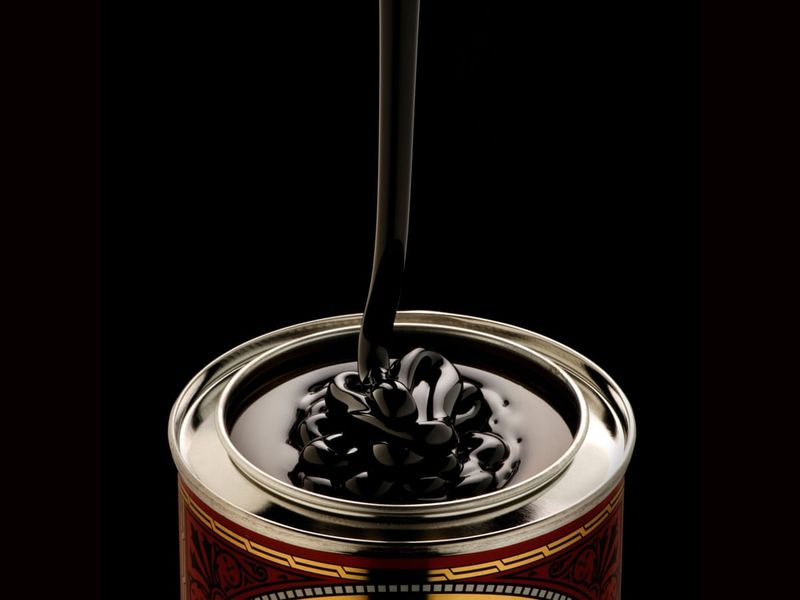
Baking used to rely heavily on deep, dark treacle to give puddings and cakes their unmistakable colour and flavour. Over time, lighter sugars and syrups began to dominate as baking trends shifted toward softer, sweeter desserts with gentler flavour profiles.
Treacle hasn’t disappeared completely, but it now tends to appear only when someone is recreating classic recipes. Its strong, slightly bitter sweetness feels nostalgic, though it no longer matches the style of most everyday baking.
11. Suet Pastry
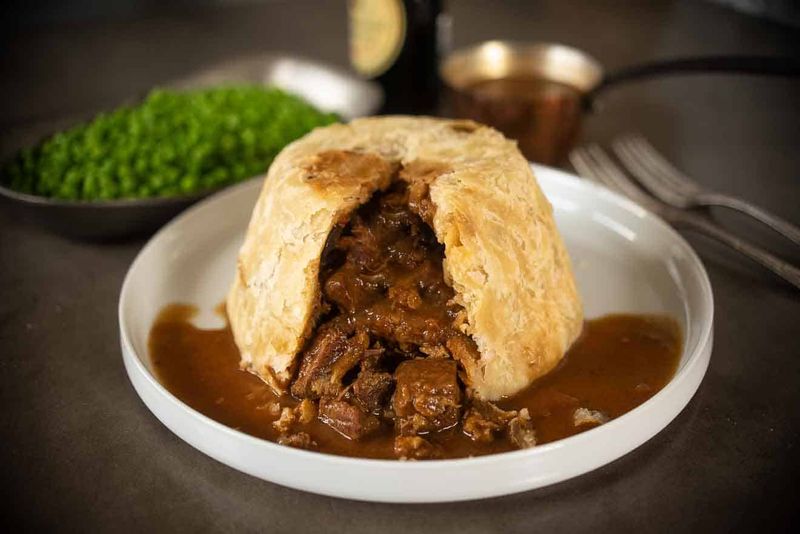
Few baking methods feel quite as distinctive as dough made with suet instead of butter. The texture turns out softer and more steamed than flaky, which works beautifully for hearty fillings but doesn’t always match modern expectations of pastry.
Many cooks now lean toward quicker, lighter pastry options that require less preparation and feel easier to handle. Suet pastry still appears in classic British puddings, yet it tends to feel more like a special-occasion tradition rather than an everyday kitchen choice.
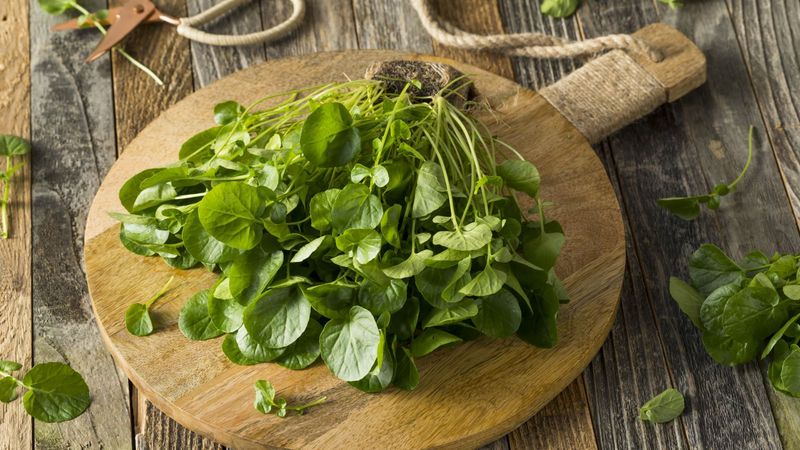
12. Watercress As A Primary Salad Green
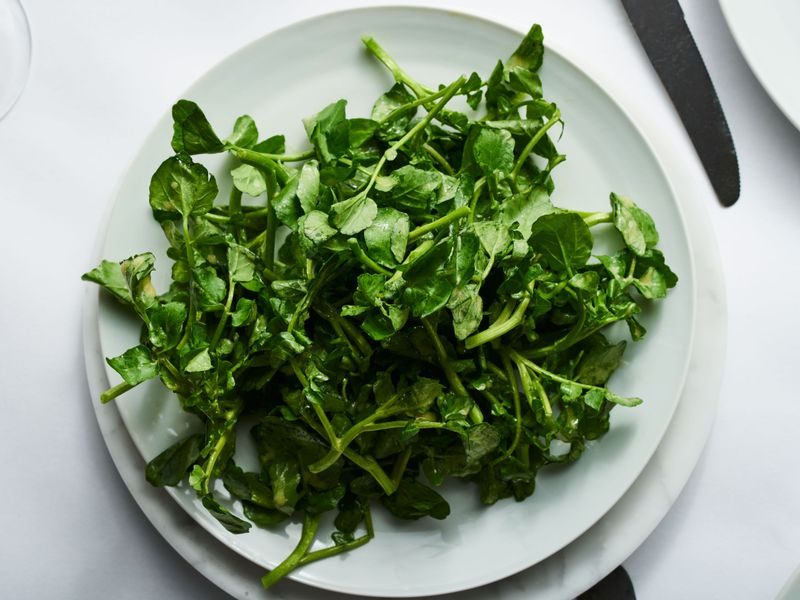
Salad bowls once carried a noticeably sharper flavour thanks to generous handfuls of peppery watercress. When milder lettuces became easier to grow and transport, they quickly took centre stage because they blended effortlessly with a wider range of toppings.
Watercress never vanished completely, but it gradually shifted into more of a supporting role. These days, it’s more likely to appear as a flavour boost or garnish rather than forming the entire base of a salad.



