













Stepping into a Victorian kitchen would reveal meals that feel both fascinating and surprising by today’s standards. Households during that era relied on ingredients, tools, and traditions that shaped dishes very differently from modern cooking styles.
Some recipes reflected careful use of leftovers, while others focused on rich, slow-cooked meals prepared over open flames. The flavours and preparation methods often tell a story about daily life and resourcefulness during the period.
These historic meals offer a glimpse into how cooking habits have changed over time.
The information shared here is provided for general informational purposes only. Historical recipes and cooking practices may differ depending on region, historical records, and interpretation.
1. Mock Turtle Soup
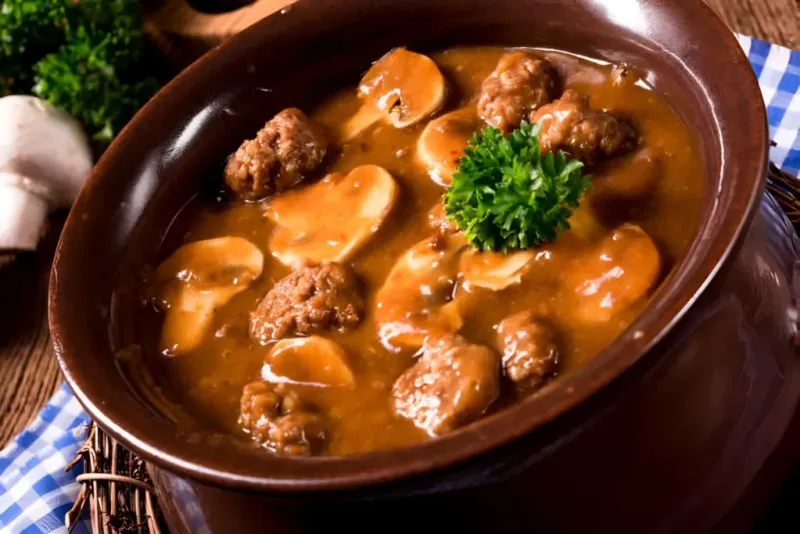
Resourceful home cooks created hearty soups designed to resemble more luxurious dishes using ingredients that were easier to obtain. Recipes often included a mix of meat, gelatine-rich cuts, herbs, and spices simmered slowly to build depth of flavour.
Preparing the dish required patience and careful cooking to achieve a rich, comforting broth. The meal became known for showcasing creativity in traditional kitchens.
Many families viewed it as a special dish that highlighted careful cooking skills and clever use of available ingredients.
2. Jugged Hare
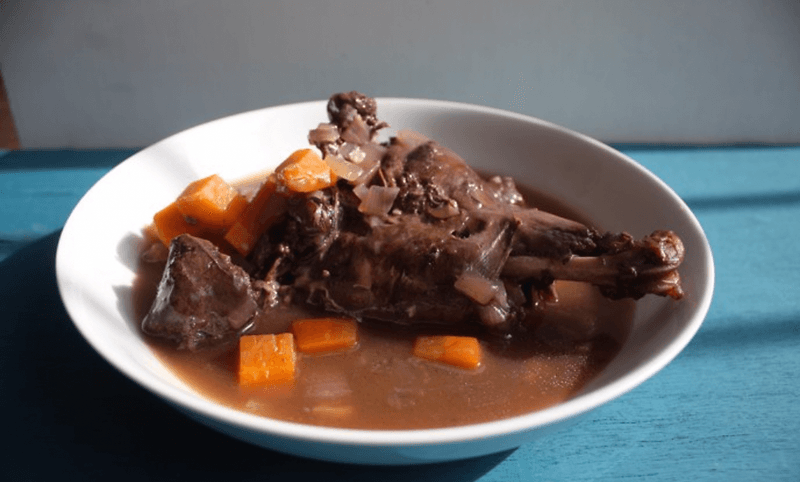
Game dishes prepared slowly over gentle heat were valued for their deep, layered flavours. The meat was often cooked in covered containers to keep it moist and tender throughout the long cooking process.
Traditional seasonings and herbs were commonly added to enhance richness and aroma. Slow preparation helped transform tougher cuts into soft, flavourful portions.
Meals like this reflected the importance of patience and careful preparation in historic home cooking.
3. Potted Shrimp
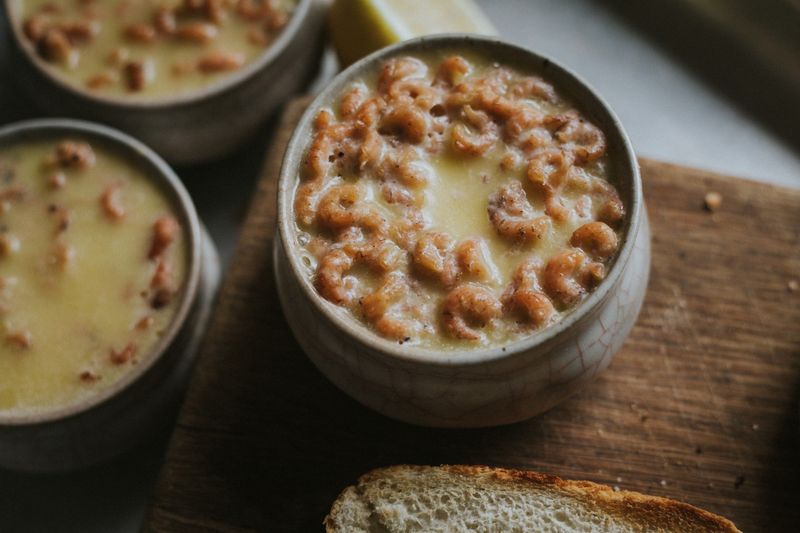
Before refrigeration existed, Victorian households preserved tiny brown shrimp by packing them tightly into small pots and sealing them completely under a thick layer of spiced, clarified butter. This created an airtight seal that kept the shellfish edible for weeks, though the butter-to-shrimp ratio would shock modern eaters.
The preparation required painstaking peeling of dozens of minuscule shrimp, then careful seasoning with mace, cayenne, and nutmeg. Families spread the intensely flavoured mixture on toast, butter and all.
4. Savoury Minced Collops
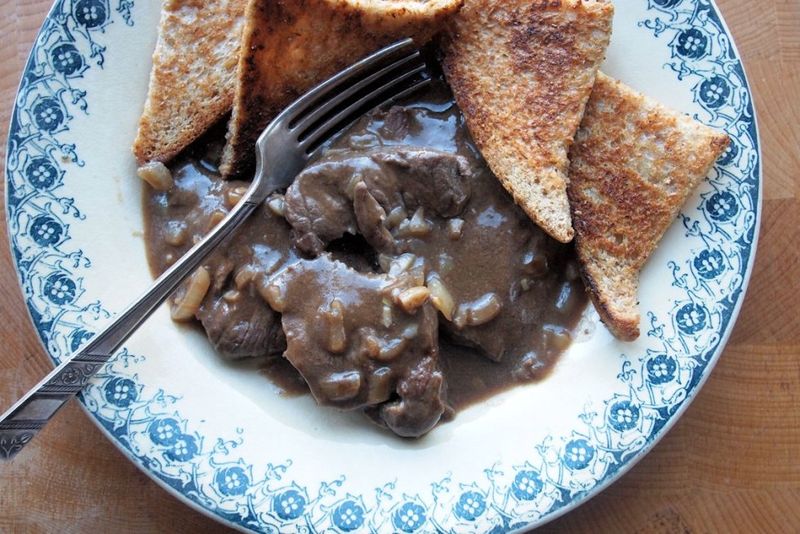
Leftover cooked meat got finely minced, then reheated in a heavily seasoned gravy spiked with vinegar, pickles, and mushroom ketchup before being spooned onto fried bread rounds. The term 'collops' originally meant slices, but Victorian thrift transformed it into this economical way of using every scrap from yesterday's roast.
The intense flavours from pickled ingredients and fermented condiments created a sharp, punchy taste profile completely different from modern comfort food. Nothing went to waste in Victorian kitchens.
5. Boiled Calf's Head
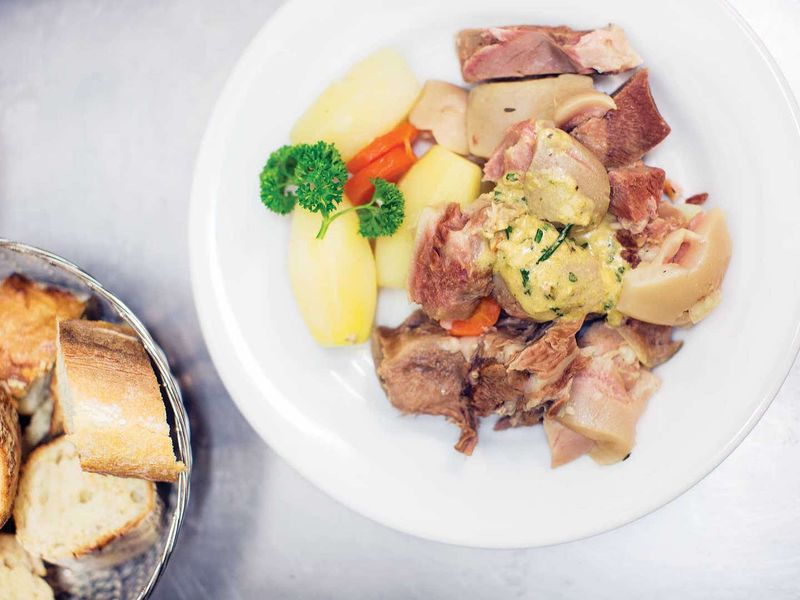
Cooking using every part of an animal was a common approach in historical kitchens where reducing waste was highly valued. Various cuts were simmered slowly until tender and served with sauces or side dishes that balanced their flavour.
Preparing these meals required skill, time, and attention to detail. Dishes using less familiar cuts were often seen as practical and economical choices.
They reflect how households relied on resourceful cooking traditions that made the most of available ingredients.
6. Devilled Kidneys
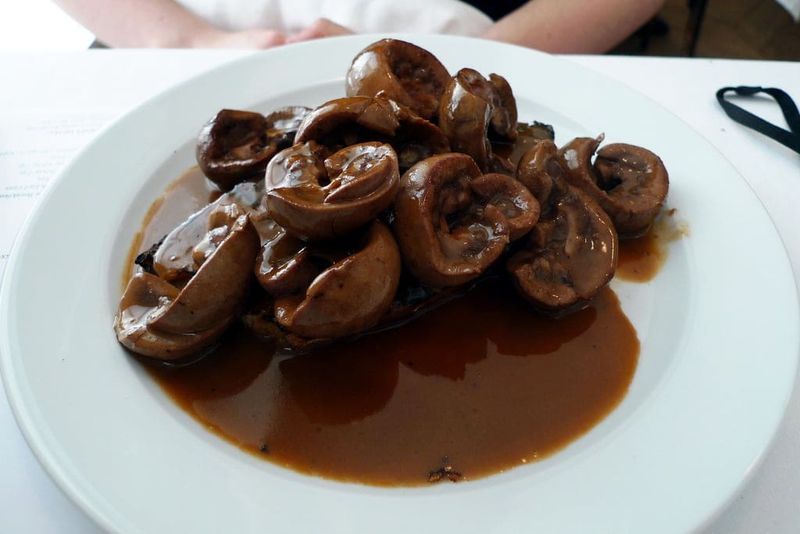
Strongly flavoured breakfast dishes were popular for starting the day with something hearty and filling. Organ meats were often paired with bold seasonings that enhanced their natural taste.
Quick cooking methods helped keep the texture tender while allowing spices to create warmth and depth. These meals appeared regularly in historic cookbooks and household menus.
Some versions of these dishes are still enjoyed today as part of traditional British cuisine.
7. Bubble And Squeak (Original Leftover Version)
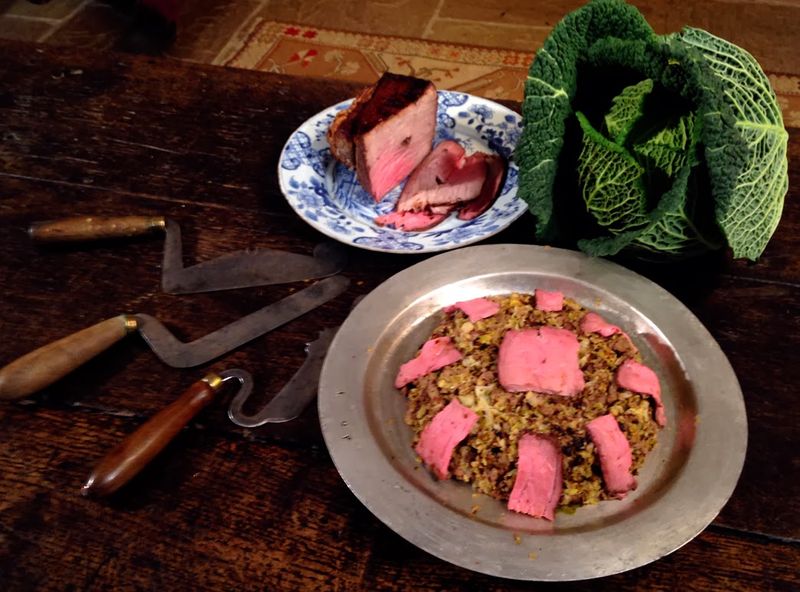
Unlike today's vegetarian version, Victorian bubble and squeak always included leftover meat from Sunday's roast, chopped and fried together with cold cooked cabbage, potatoes, and whatever other vegetables remained. The name came from the sounds the mixture made whilst frying in beef dripping, bubbling and squeaking as moisture escaped.
Nothing was wasted in thrifty Victorian households, and this Monday dish transformed Sunday's remains into something completely different. The meat content made it substantially heartier than modern interpretations allow.
8. Bread And Dripping
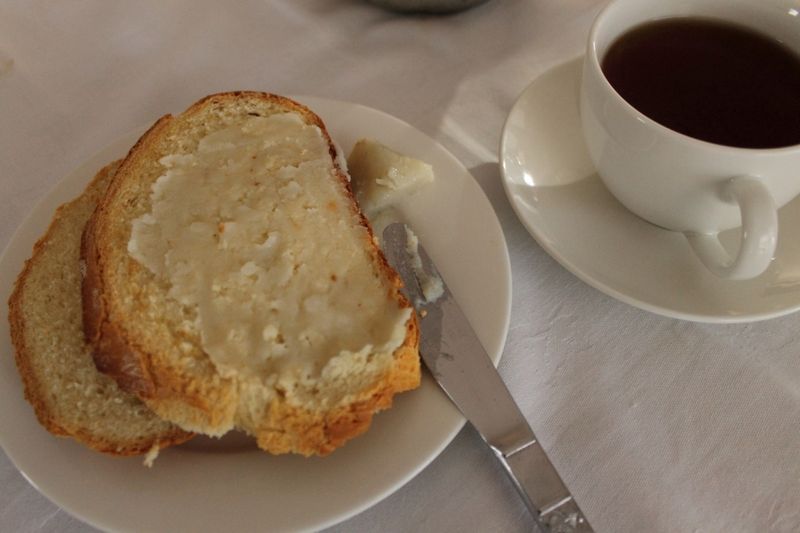
Simple snacks made from leftover cooking fats and bread were common in households focused on making ingredients stretch further. The collected juices and fats from roasting meats added savoury flavour when spread onto fresh bread.
These snacks were easy to prepare and required no additional cooking, making them convenient for busy families. The rich taste made them satisfying and popular across many communities.
Such dishes highlight the importance of practicality and avoiding food waste in historical home cooking.
9. Steak And Kidney Pudding
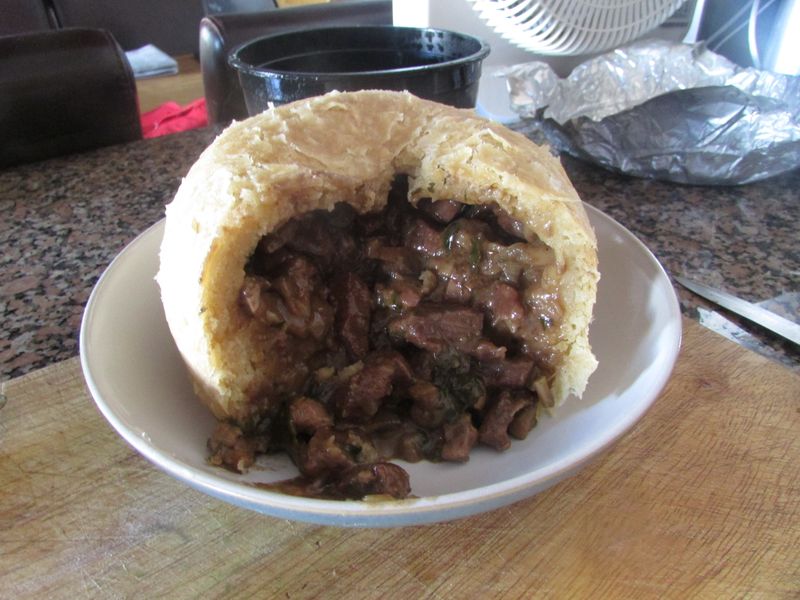
Chunks of beef and kidney got enclosed in a thick suet pastry crust, then steamed for four to five hours until the filling became meltingly tender and the crust achieved a unique, dense texture unknown in modern baking. The suet pastry, made from hard beef fat, created a heavy, filling outer layer that absorbed the meat juices during the lengthy cooking process.
Victorian cooks prepared these substantial puddings for winter meals, providing maximum calories and warmth. The kidney's strong flavour permeated everything inside the pastry parcel.
10. Soused Herrings
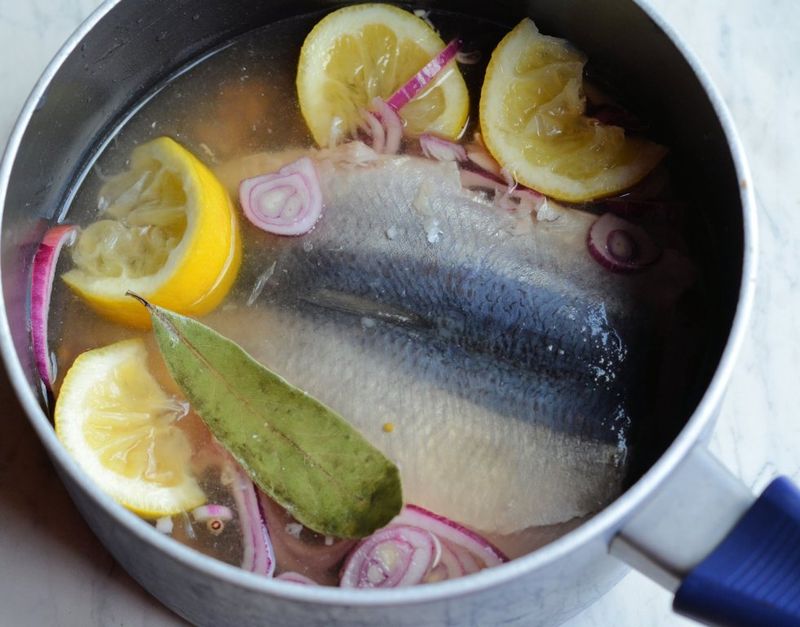
Whole herrings got rolled up, packed into earthenware dishes, then completely covered with spiced vinegar and baked slowly before being left to cool in their acidic bath. This preservation method created intensely sour, firmly textured fish that kept for days without refrigeration, though the powerful vinegar smell announced their presence throughout the house.
Victorians ate these cold, straight from the pickling liquid, as a tea-time savoury or supper dish. The aggressive acidity helped preserve the oily fish effectively.
11. Cold Raised Pork Pie
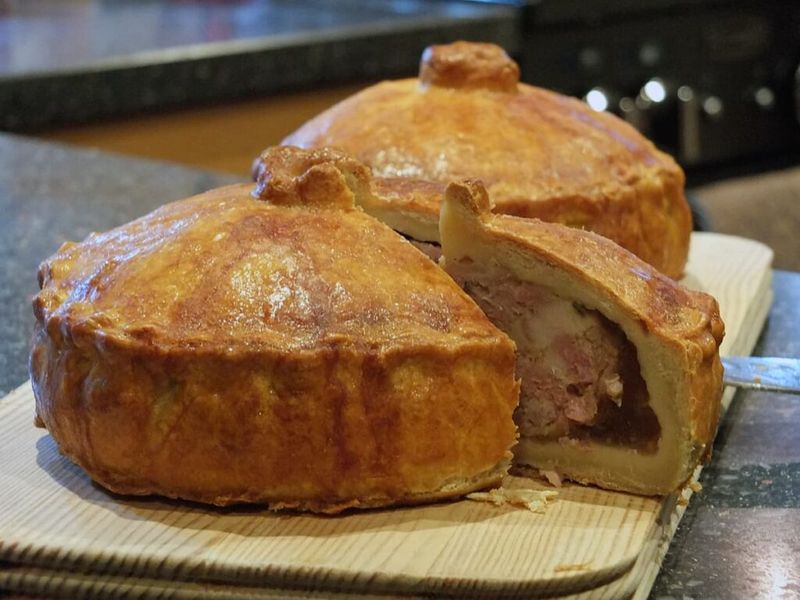
Hot water crust pastry, made by boiling lard and water together before mixing with flour, created sturdy walls that held minced pork and jelly in a free-standing pie meant to be eaten cold. The jelly, made from boiling pig's trotters, was poured through a hole in the top crust after baking, filling gaps as the meat shrank during cooking.
These substantial pies travelled well and appeared at picnics, hunt breakfasts, and workers' lunches. The warm jelly solidified into savoury aspic when chilled completely.
12. Seed Cake
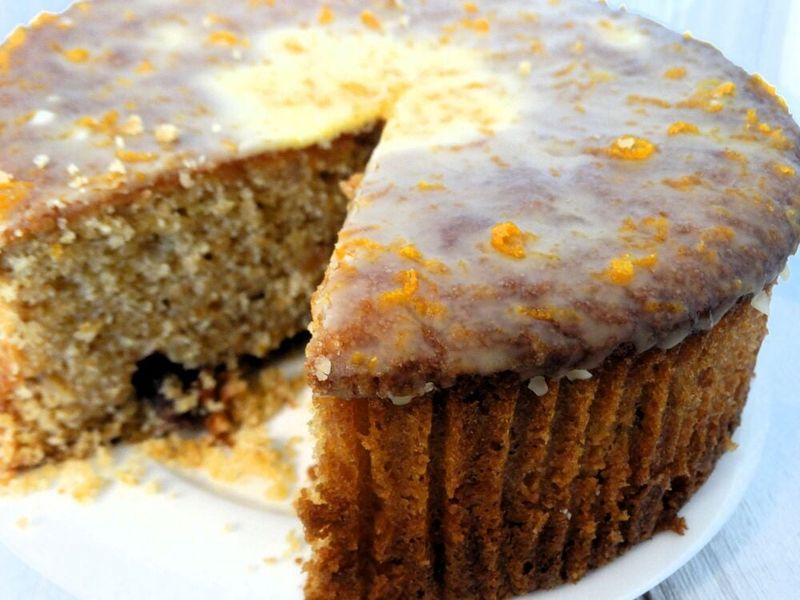
Light butter cakes flavoured with aromatic seeds were often served during afternoon tea or social visits. The seeds added a distinctive taste and gentle crunch that set these cakes apart from plain sponge recipes.
Bakers often relied on simple ingredients that were easy to store and prepare. The recipe appeared frequently in historic baking guides and family cookbooks.
These cakes became closely linked with tea traditions and casual gatherings with guests.
13. Mutton Broth
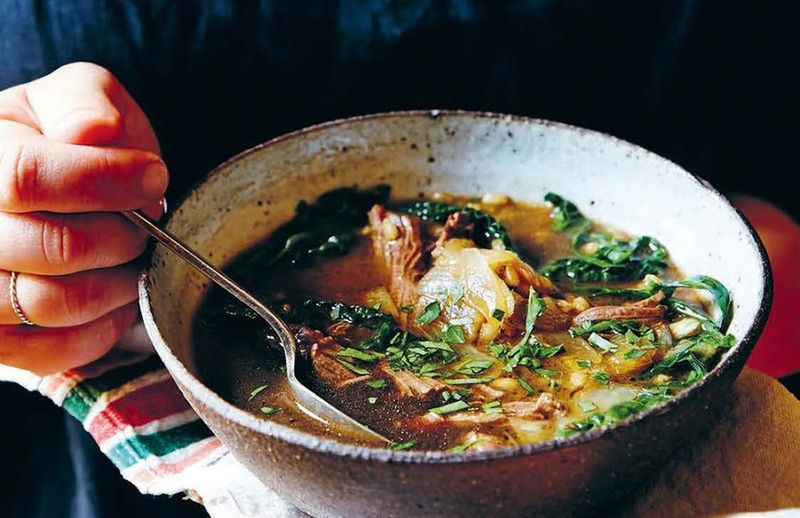
Slow-simmered broths using mature cuts of meat were valued for their rich flavour and hearty texture. Vegetables, grains, and herbs were often added to create filling meals that could feed entire households.
Long cooking times helped soften tougher cuts and allowed flavours to blend naturally. These broths were commonly prepared as warming dishes during colder months.
They show how traditional cooking focused on patience and making nourishing meals using affordable ingredients.



