













British cuisine is full of dishes that evoke a mix of pride, nostalgia, and occasional guilt. Meals rich in butter, fat, and carbohydrates often carry the strongest memories, linking generations through family traditions and familiar flavours.
From classic fry-ups in local cafés to carefully prepared Sunday roasts at home, these meals are central to British food culture. They provide comfort, evoke childhood memories, and celebrate culinary heritage, even when indulgence comes with a side of conscience.
The following ten dishes capture the mix of emotions that make these favourites so memorable.
This article is intended for informational and entertainment purposes only and reflects general cultural associations rather than nutritional guidance or definitive rankings.
Individual experiences, preferences, and dietary needs may vary. References to ingredients and preparation styles are descriptive and may differ by region, household tradition, or restaurant.
1. Full English Breakfast
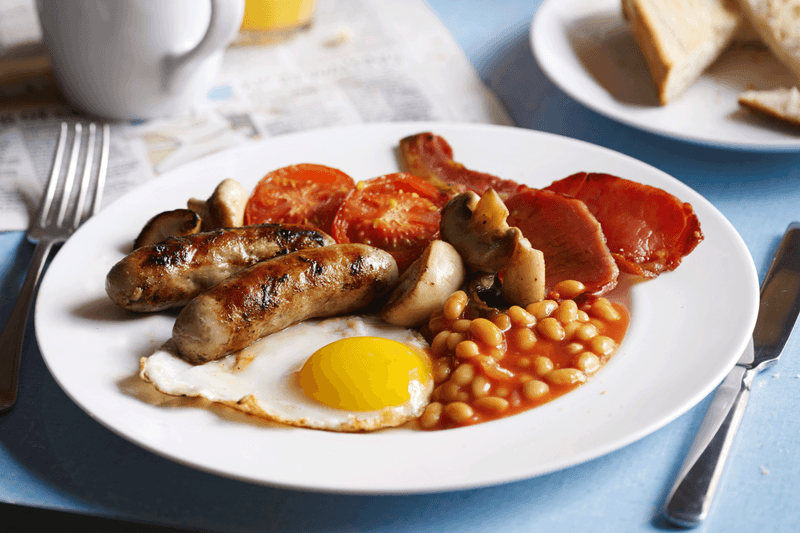
Nobody orders a Full English and expects to feel light afterwards. That's entirely the point.
Bacon, sausages, eggs, black pudding, beans, grilled tomatoes, mushrooms, and toast all share a plate in glorious, artery-challenging harmony.
The Full English has roots in Victorian Britain, originally served to wealthy households before becoming a working-class staple. Today, it's the undisputed champion of weekend mornings, hangover cures, and motorway service stations across the country.
2. Fish And Chips
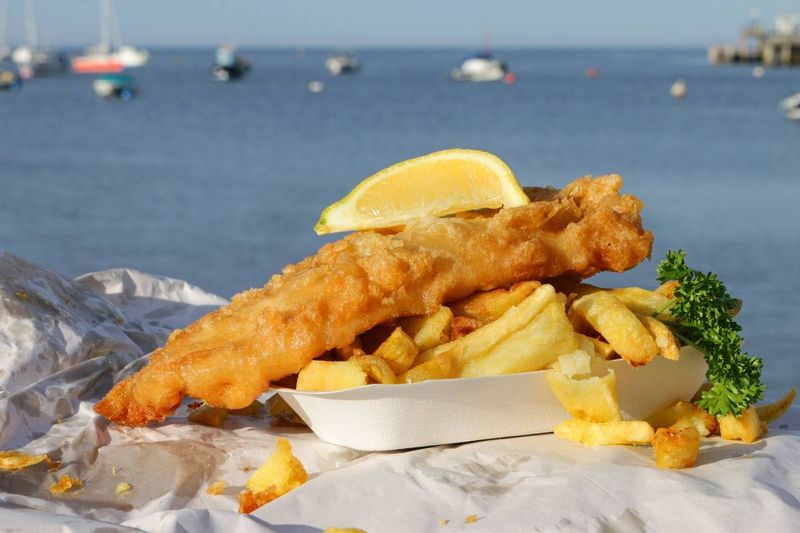
Eaten from paper wrapping with your fingers, preferably beside the sea with a seagull eyeing your chips – this is Britain at its most blissfully uncomplicated. Battered cod or haddock fried until golden, paired with thick, fluffy chips.
Fish and chips became a national institution in the 19th century, with Jewish immigrants credited for introducing fried fish to Britain. There are still around 10,500 fish and chip shops operating across the UK today.
Proper legends, the lot of them.
3. Roast Beef With Yorkshire Pudding
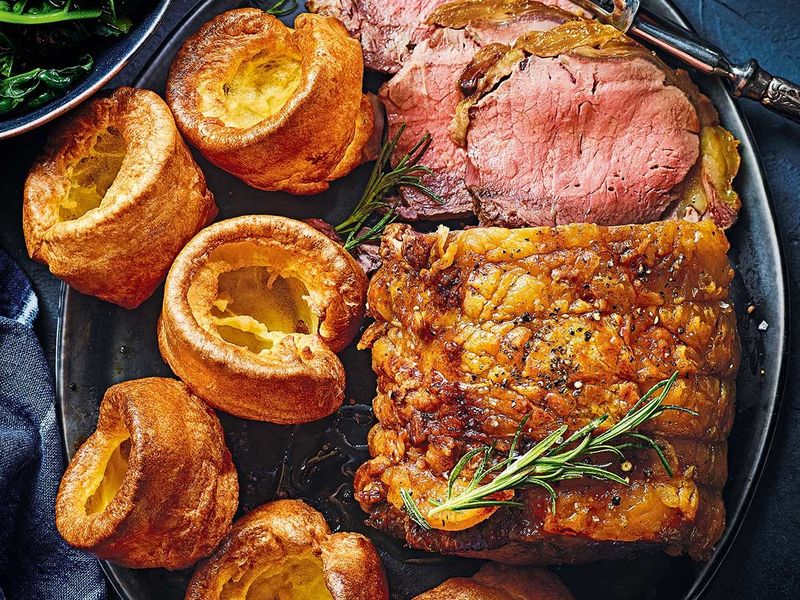
Roast beef and Yorkshire pudding is practically a national identity. The beef arrives pink in the middle, the Yorkshires puff up like little golden bowls demanding to be filled with gravy, and suddenly everything feels right with the world.
Yorkshire pudding batter is simply eggs, flour, and milk – yet timing and a screaming-hot tin make all the difference between triumph and disappointment. Historically, it was served before the meat to reduce appetite.
Now it's the undeniable star of the plate.
4. Shepherd's Pie
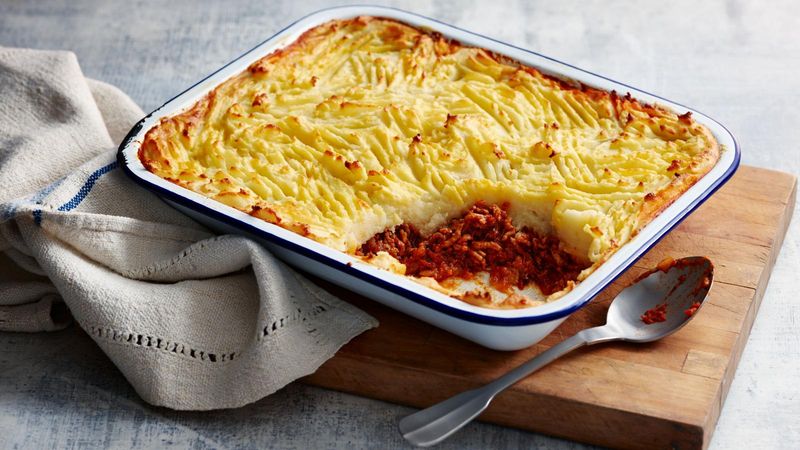
Shepherd's Pie is the culinary equivalent of a warm hug from your nan. Minced lamb cooked down with onions, carrots, and gravy, then blanketed under a thick layer of creamy mashed potato and baked until the top turns golden.
The name is quite literal; shepherd's tend sheep, so lamb is the traditional filling. Swap it for beef and you've got Cottage Pie instead.
Either way, scraping the crispy potato edges from the dish is absolutely the best bit, and everyone knows it.
5. Cornish Pasty
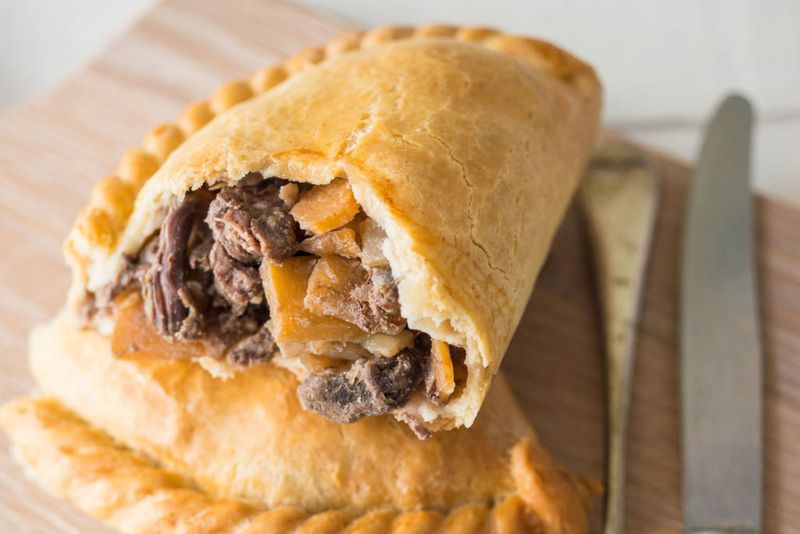
Crimped along the top, stuffed with beef skirt, swede, potato, and onion, the Cornish pasty is a masterclass in portable, no-nonsense eating. Tin miners in Cornwall once carried them down into the shafts as their entire lunch.
The thick crimped edge wasn't just decorative; miners held it with dirty hands and discarded it after eating. The Cornish pasty earned Protected Geographical Indication status in 2011, meaning only pasties made in Cornwall using the traditional recipe can carry that name.
6. Sunday Roast With All The Trimmings
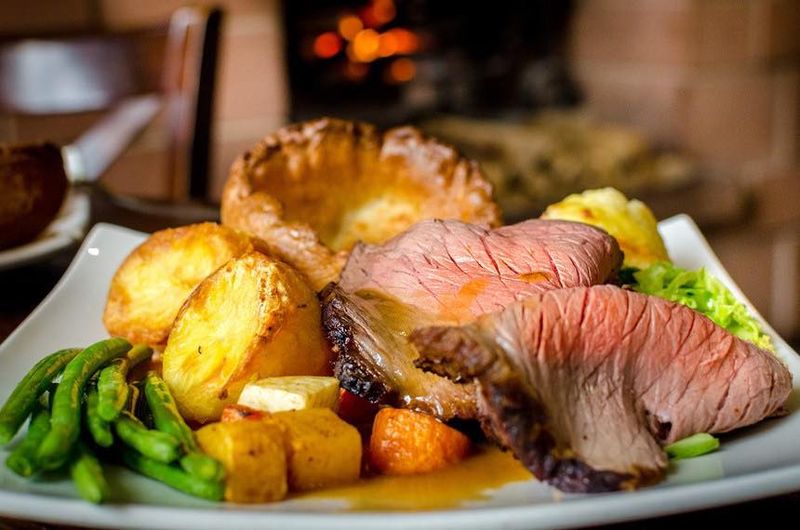
Sunday roast is less a meal and more a weekly ritual. The whole house smells incredible by noon, the oven has been on since ten, and someone is already arguing about whether the potatoes are crispy enough.
Trimmings vary by family – stuffing, cauliflower cheese, honey-roasted parsnips, pigs in blankets – but the roast potato is non-negotiable. Research suggests Sunday roasts are still cooked in over half of British households regularly, proving that some traditions are simply too good to abandon.
7. Bangers And Mash
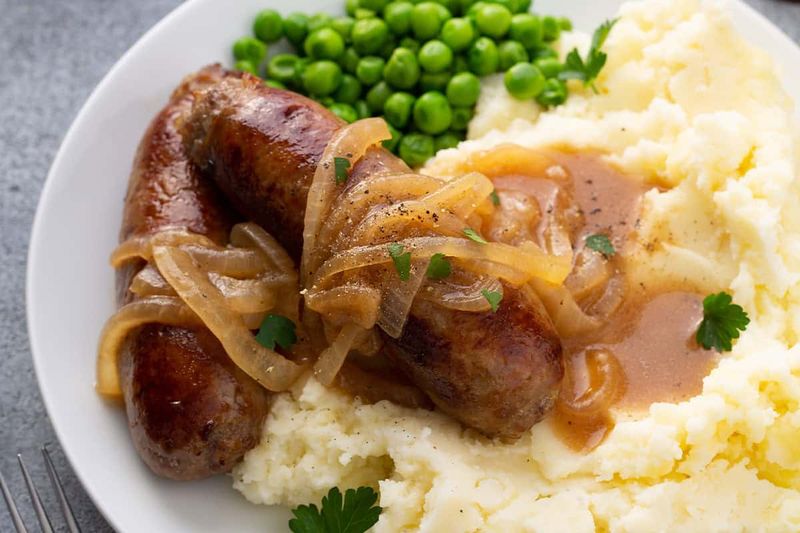
Few meals deliver comfort as reliably as bangers and mash. Big, fat pork sausages nestled on clouds of buttery mashed potato, drowned in sticky onion gravy, it's the kind of meal that makes a cold Tuesday evening feel manageable.
The nickname "bangers" dates to World War One, when meat shortages meant sausages contained so much water they'd burst (or bang) when cooked. Thankfully, modern sausages are far more dignified, though the name stuck around for good.
8. Jacket Potato With Cheese And Beans
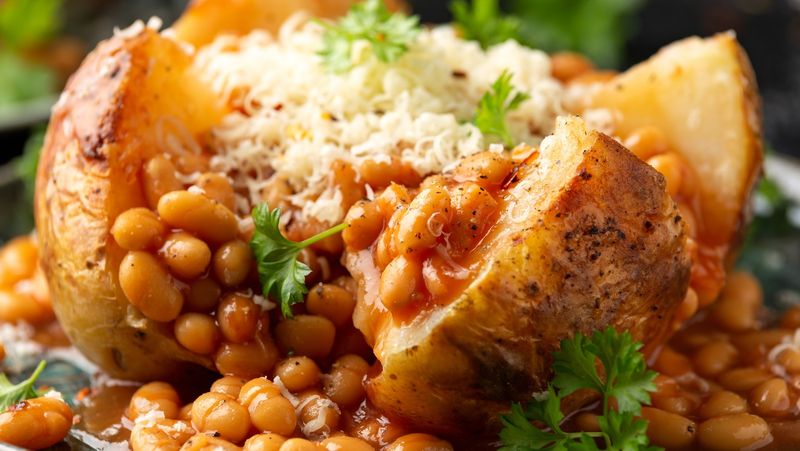
Underestimate the jacket potato at your peril. Baked low and slow until the skin turns properly crispy, then split open to reveal a fluffy interior piled with sharp cheddar and saucy baked beans; it's humble, filling, and deeply satisfying.
Jacket potatoes became a lunchtime staple across Britain in the 1970s and 80s, popping up in cafes, schools, and work canteens everywhere. The combination of beans and cheese provides a surprisingly solid protein hit, which makes the guilt slightly easier to justify.
9. Sticky Toffee Pudding
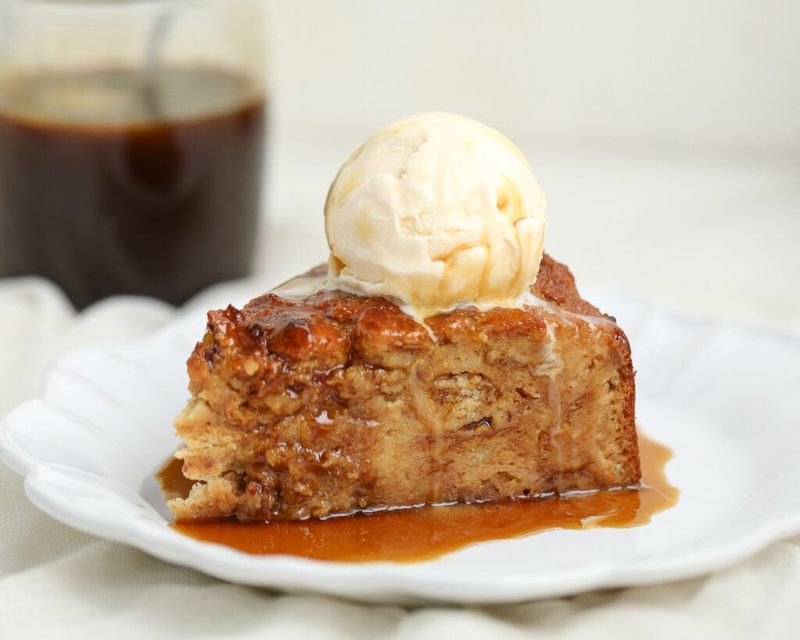
Sticky toffee pudding might be Britain's greatest contribution to the dessert world, and that's not an exaggeration. A dense, date-laden sponge soaked in warm toffee sauce, it's the kind of pudding that makes you forget you were already full.
Its exact origins are disputed, with both a Cumbrian hotel and a Scottish restaurant claiming credit from the 1970s. Dates are the secret weapon here, keeping the sponge impossibly moist.
Served with custard, cream, or ice cream – honestly, all three is the correct answer.
10. Spotted Dog
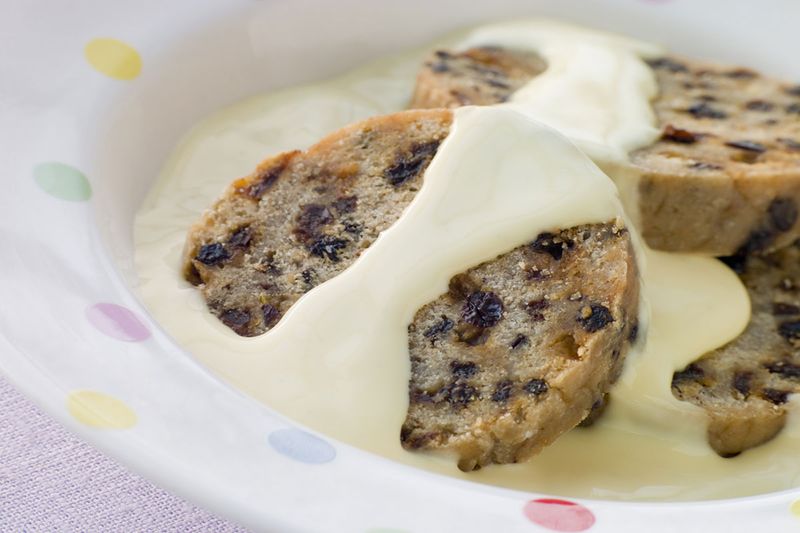
Spotted Dog is a steamed suet pudding packed with currants that create the characteristic "spots." It's been raising eyebrows and warming bellies in equal measure since the Victorian era.
Suet gives the pudding its wonderfully dense, satisfying texture, quite unlike anything a regular sponge can achieve. Served with lashings of custard, it's the sort of school-dinner pudding that adults secretly miss far more than they'll ever openly admit.



