













Magnesium quietly plays a role in everyday energy, muscle function, and overall wellbeing, yet it often slips under the radar in daily food choices. Many familiar ingredients contain this mineral, but they don’t always make it into regular shopping baskets or meal plans.
Small changes in what goes onto the plate can gently support long-term health without complicated routines or strict rules. A closer look at these foods can make healthier choices feel far more approachable.
All information is provided for general educational purposes only and should not be considered medical advice. Nutritional needs and responses to foods vary between individuals. Always consult a qualified healthcare professional for personalised dietary guidance.
1. Pumpkin Seeds
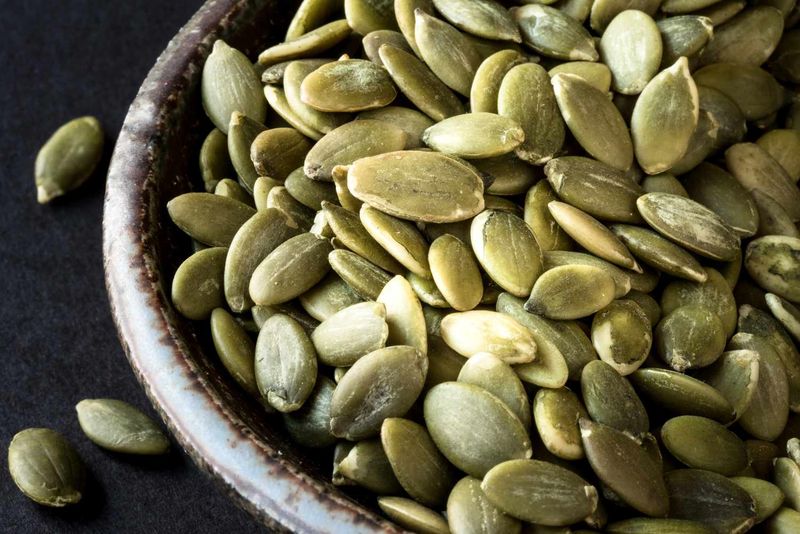
Packed with more magnesium than almost any other food, pumpkin seeds deliver about 150mg per ounce. That's nearly 40% of your daily requirement in just a small handful!
Sprinkle them over salads, blend them into smoothies, or enjoy them as a crunchy snack. Their nutty flavour makes them incredibly versatile in both sweet and savoury dishes, whilst boosting your mineral intake effortlessly.
2. Chia Seeds
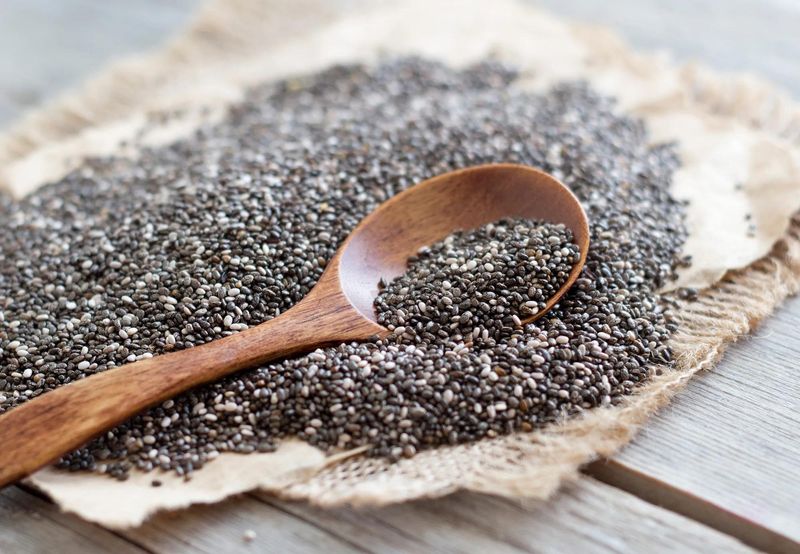
These tiny powerhouses contain about 95mg of magnesium per two tablespoons, making them an excellent addition to your diet. Originally from Central America, chia seeds have become popular worldwide for good reason.
Mix them into yoghurt, porridge, or make a delicious chia pudding overnight. They absorb liquid and create a gel-like texture that's both satisfying and nutritious for breakfast or snacks.
3. Tahini
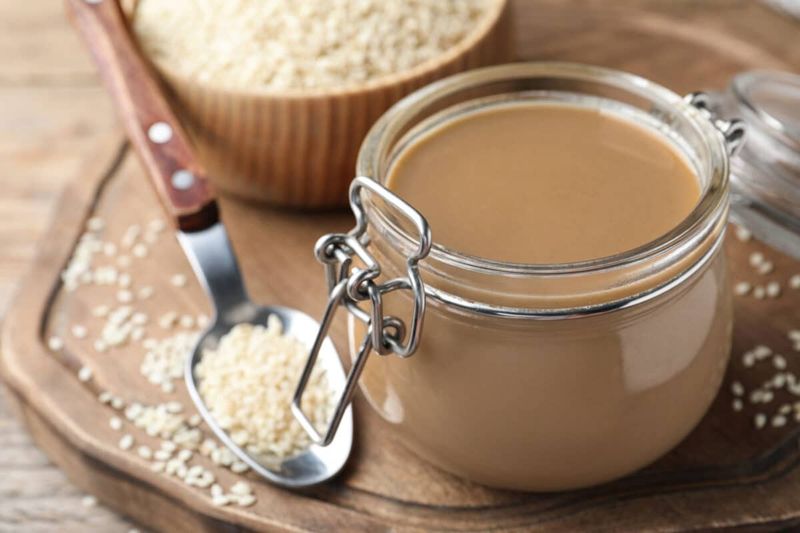
Ground sesame seeds create this creamy paste that's absolutely loaded with magnesium - about 85mg per two tablespoons. Middle Eastern cuisine has relied on tahini for centuries, and it's time British kitchens embraced it too.
Drizzle it over roasted vegetables, stir it into hummus, or use it as a salad dressing base. Its rich, slightly bitter taste adds depth to countless dishes whilst sneaking essential minerals into your meals.
4. Buckwheat
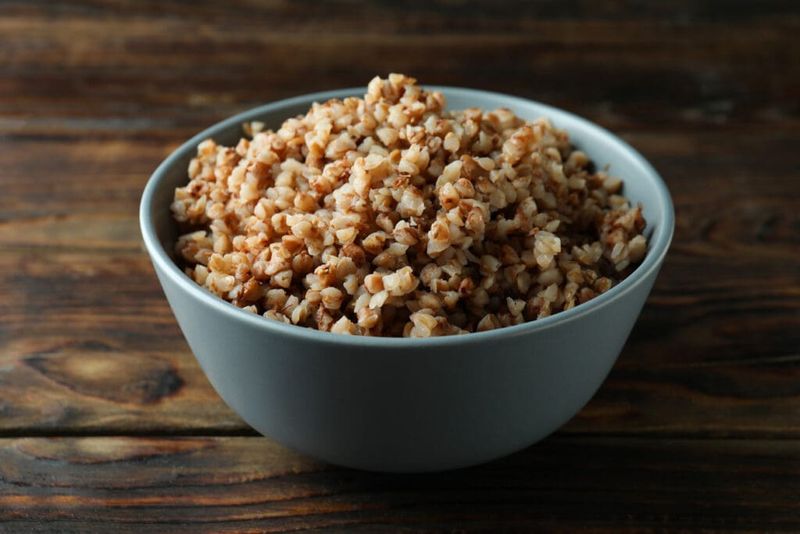
Despite its misleading name, buckwheat isn't wheat at all—it's a gluten-free seed that provides roughly 85mg of magnesium per cooked cup. Eastern European countries have enjoyed buckwheat for generations in various traditional dishes.
Cook it like rice as a side dish, use buckwheat flour for pancakes, or try it in porridge. Its earthy, nutty flavour pairs wonderfully with mushrooms, vegetables, and even as a breakfast cereal alternative.
5. Quinoa
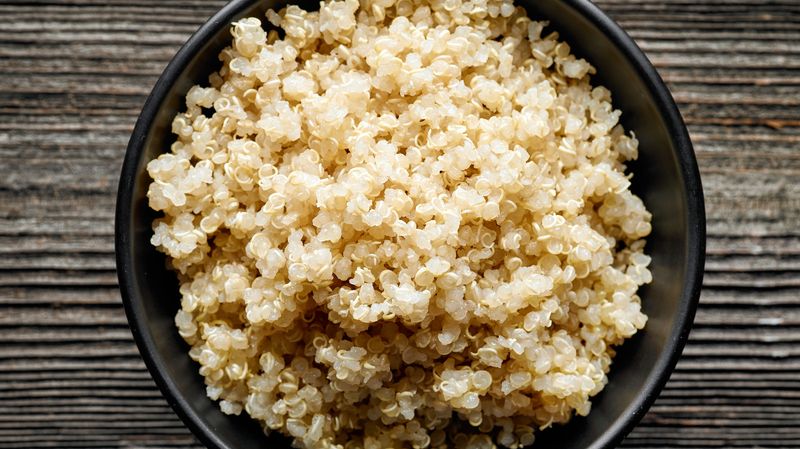
This ancient grain from South America offers about 118mg of magnesium per cooked cup, along with complete protein. Pronounced 'keen-wah', it's been a staple food in the Andes for thousands of years.
Use quinoa instead of rice or couscous, toss it into salads, or enjoy it for breakfast with fruit and honey. It cooks quickly, has a pleasant fluffy texture, and works brilliantly in both warm and cold dishes throughout the year.
6. Swiss Chard
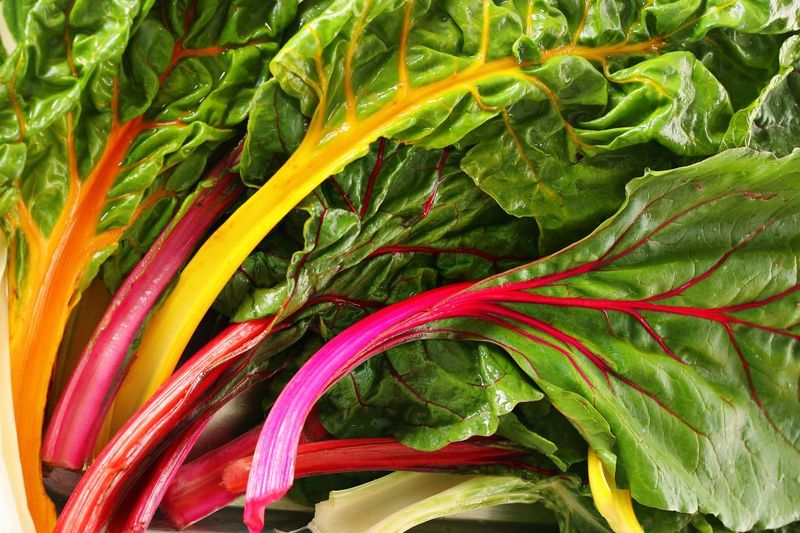
With vibrant stems in rainbow colours, Swiss chard delivers approximately 150mg of magnesium per cooked cup. This leafy green vegetable belongs to the same family as beetroot and deserves more attention in British gardens and kitchens.
Sauté it with garlic, add it to soups, or use the leaves like you would spinach. The colourful stems stay crunchy even when cooked, adding visual appeal and nutritional benefits to any meal.
7. Edamame Beans
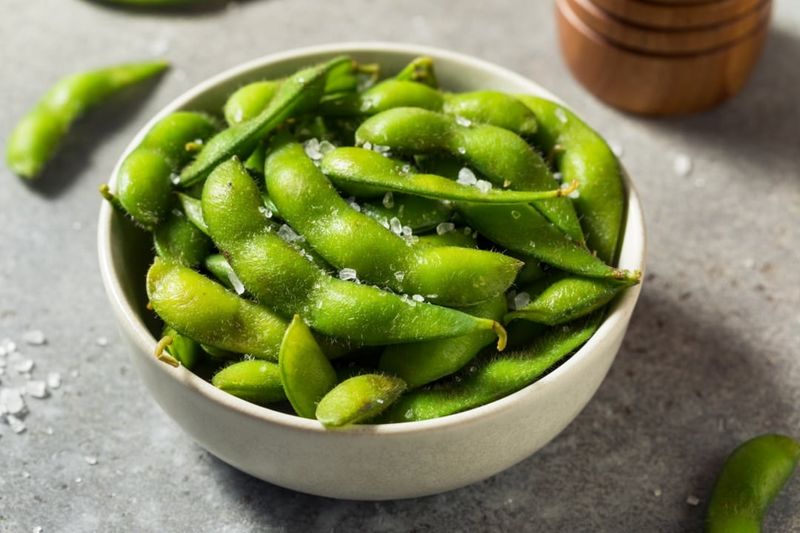
Young soybeans still in their pods, edamame provides about 100mg of magnesium per cup when cooked. Japanese restaurants have made these popular as appetisers, but they're equally brilliant at home.
Steam or boil them for five minutes, sprinkle with sea salt, and squeeze the beans straight from the pod. They're also fantastic added to stir-fries, salads, or rice bowls for a protein and magnesium boost that's absolutely delicious.
8. Black Beans
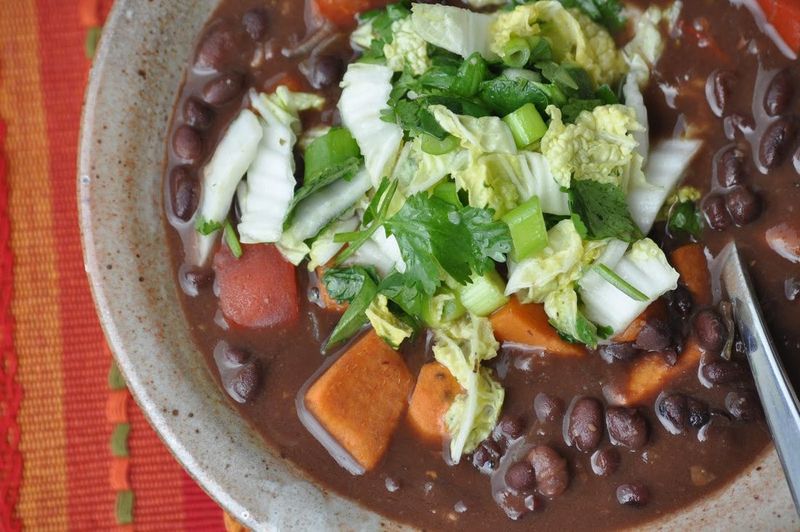
One cup of cooked black beans contains roughly 120mg of magnesium, making them nutritional champions. Latin American cuisine celebrates these beauties, and they're finally gaining recognition beyond just Mexican restaurants in Britain.
Add them to soups, mash them for burger patties, or toss them into salads and grain bowls. Their creamy texture and mild flavour make them incredibly adaptable whilst providing excellent fibre and protein alongside that valuable magnesium.
9. Brazil Nuts
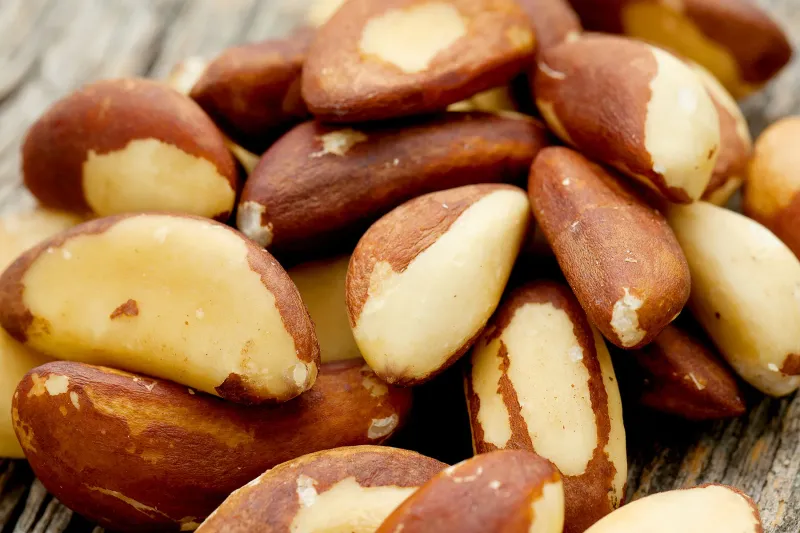
Just two Brazil nuts give you about 25mg of magnesium, but they're more famous for their exceptional selenium content. These large, creamy nuts come from trees in the Amazon rainforest and have a distinctly rich, buttery taste.
Eat them plain as a snack, chop them into granola, or blend them into nut butter. Remember that two or three daily is plenty, as they're incredibly nutrient-dense and too many can provide excessive selenium.
10. Dried Figs
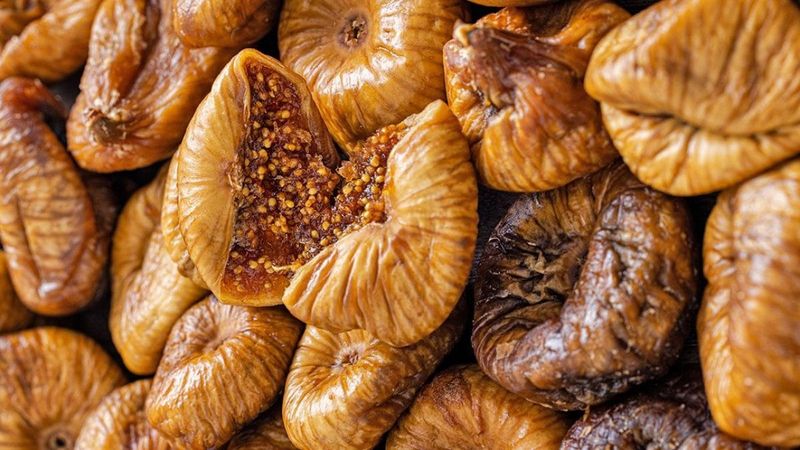
Half a cup of dried figs contains approximately 50mg of magnesium, along with natural sweetness and fibre. Mediterranean cultures have treasured figs for millennia, both fresh and preserved through drying for year-round enjoyment.
Snack on them straight from the packet, chop them into porridge, or pair them with cheese for an elegant appetiser. Their chewy texture and honey-like flavour satisfy sweet cravings whilst delivering essential nutrients your body needs daily.
11. Tofu
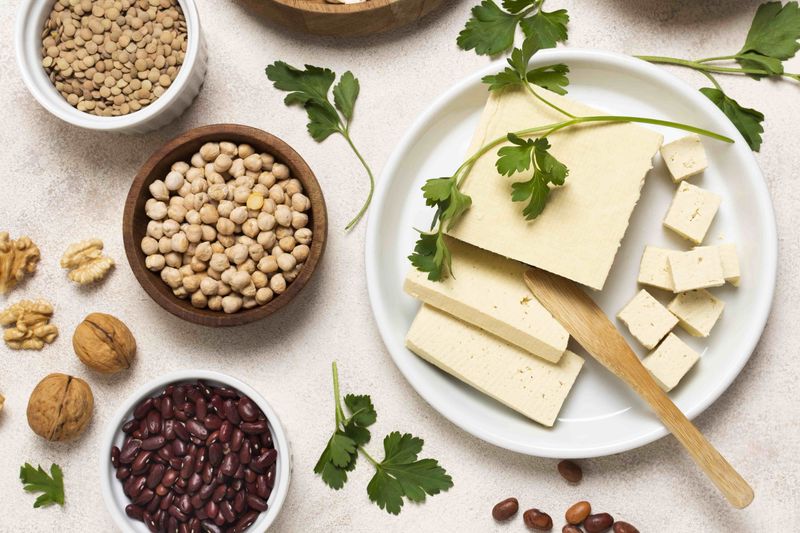
Half a cup of tofu provides about 65mg of magnesium, making this soybean product a valuable mineral source. Asian cuisines have relied on tofu for over 2,000 years, appreciating its versatility and nutritional benefits in countless dishes.
Press it firmly, then pan-fry until golden, add it to curries, or blend silken tofu into smoothies and desserts. Its neutral flavour absorbs marinades beautifully, letting you create endless flavour combinations whilst boosting your magnesium intake.



