













They look almost identical in the fruit bowl, so it is no surprise most people mix them up. One peels a little easier, the other tastes slightly sharper, yet few shoppers stop to think about why.
Are they just different names for the same thing, or are there real differences hiding under the skin? Once you start paying attention, it becomes surprisingly easy to tell them apart.
You might even start choosing them differently next time you shop.
This article is for general information only and reflects commonly recognised characteristics of each fruit. Availability and varieties may vary by season and retailer.
1. Size
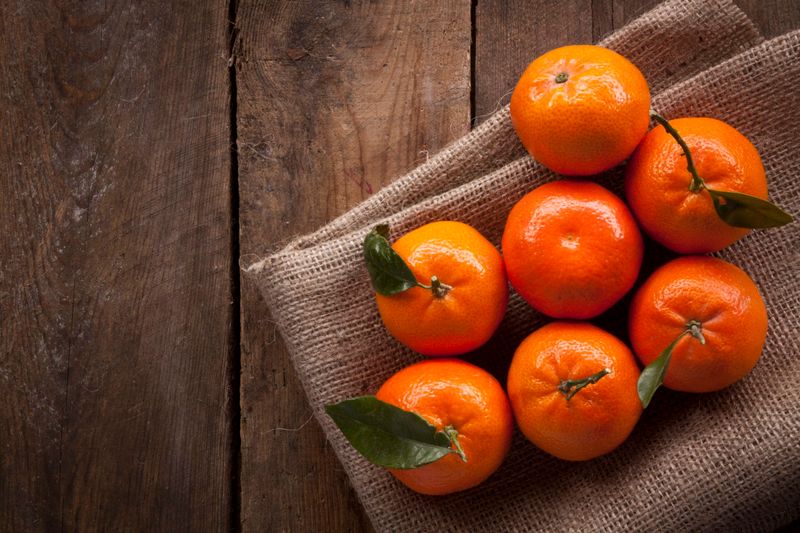
Clementines are typically smaller than most mandarin varieties, measuring about 5 to 7 centimetres in diameter. Think of them as the little siblings in the citrus family.
Mandarins, on the other hand, can range quite a bit in size depending on the specific variety. Some are similar to clementines, whilst others grow noticeably larger.
This size variation makes mandarins more versatile for different uses in the kitchen.
2. Skin Thickness
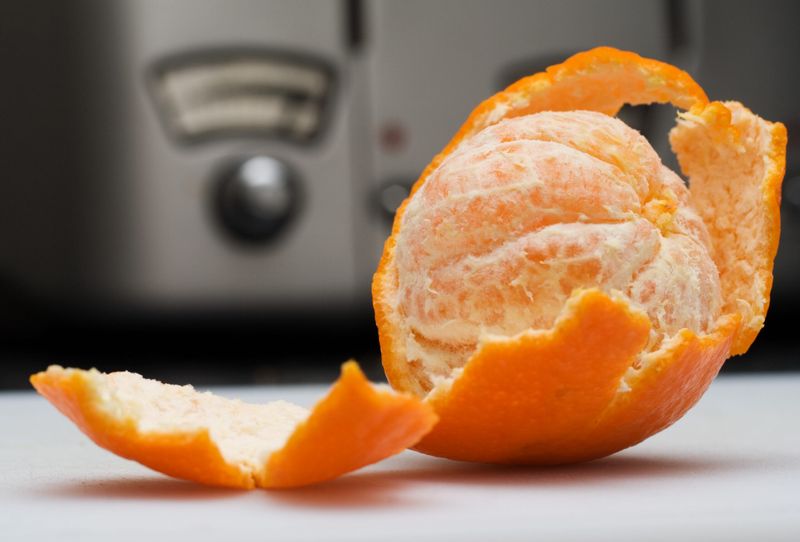
The peel on a clementine is remarkably thin and smooth, almost glossy in appearance. It clings quite closely to the fruit segments beneath, giving it that sleek, polished look you'll notice straight away.
Mandarin skin tends to be slightly thicker and often has a more textured, bumpy surface. The peel doesn't hug the fruit quite as tightly, creating a bit more space between skin and flesh.
3. Ease Of Peeling
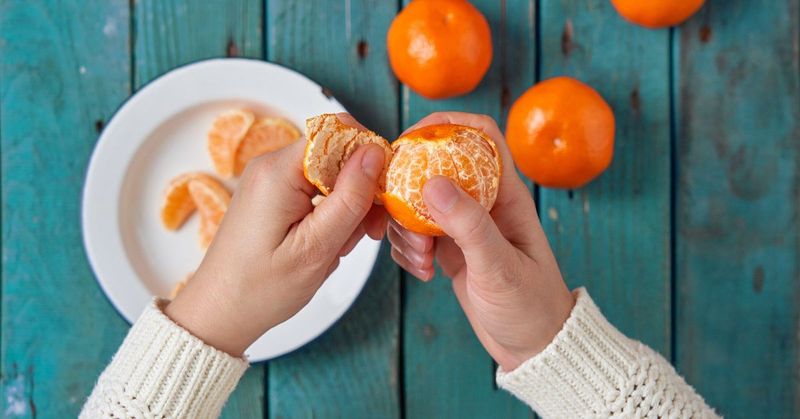
Peeling ease often depends on the specific fruit rather than the name on the label. Clementines usually have thinner skin, but it can cling quite tightly to the flesh.
Some mandarins, especially looser-skinned varieties, actually peel more easily. That surprise can catch shoppers off guard when trying both side by side.
Paying attention to texture makes peeling less of a guessing game.
4. Seed Count
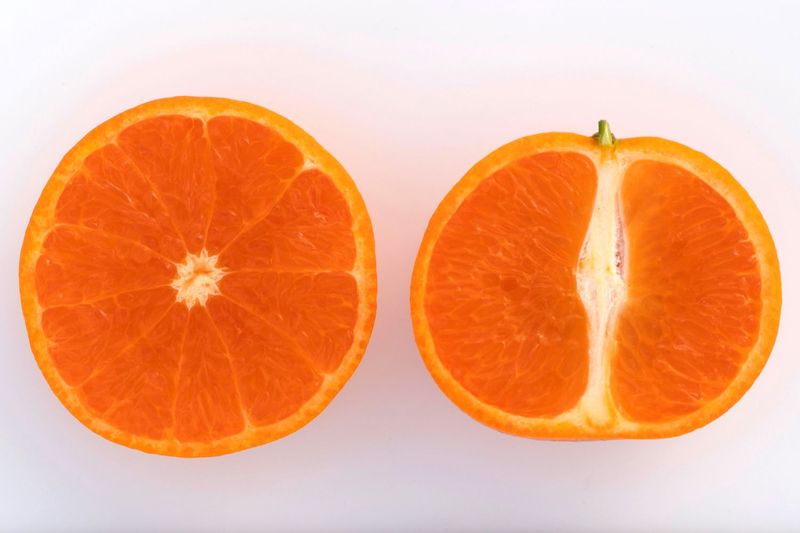
Clementines are commonly sold as seedless, which makes them popular for easy snacking. Seeds can still appear, especially when the fruit has been cross-pollinated.
Mandarins vary widely, with some varieties containing several seeds and others very few. That inconsistency can affect how people prefer to eat them.
Checking the variety often gives a better clue than the fruit name alone.
5. Sweetness Level
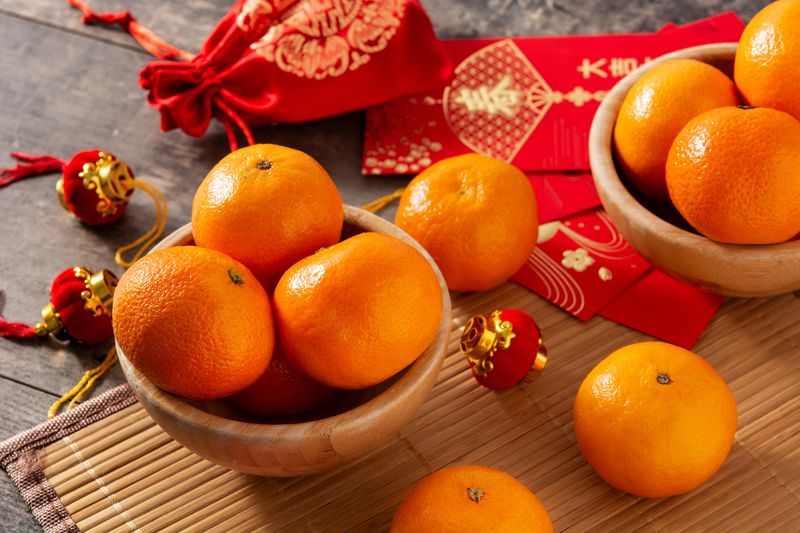
Clementines are known for their bright, sweet flavour that appeals to many people. That sweetness can vary depending on ripeness and growing conditions.
Mandarins range from mildly sweet to very sweet, depending on the variety. Some have richer or more complex flavour notes that stand out.
Taste preference often comes down to personal choice rather than a clear winner.
6. Acidity
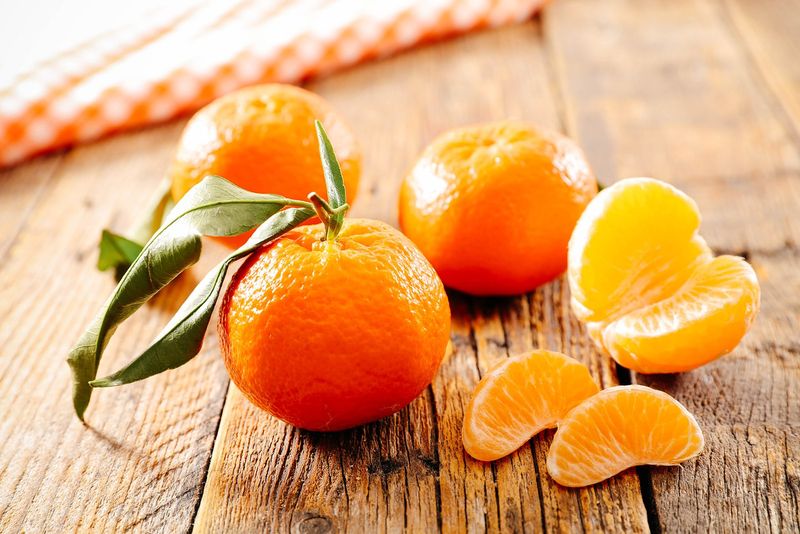
Clementines tend to have lower acidity than some other citrus fruits, which contributes to their gentle flavour. They are usually less sharp, though acidity levels can vary.
Mandarins often have a slightly tangier edge that adds freshness. That balance of sweetness and acidity changes how each fruit tastes.
The difference becomes more noticeable when tasting them back to back.
7. Harvest Season
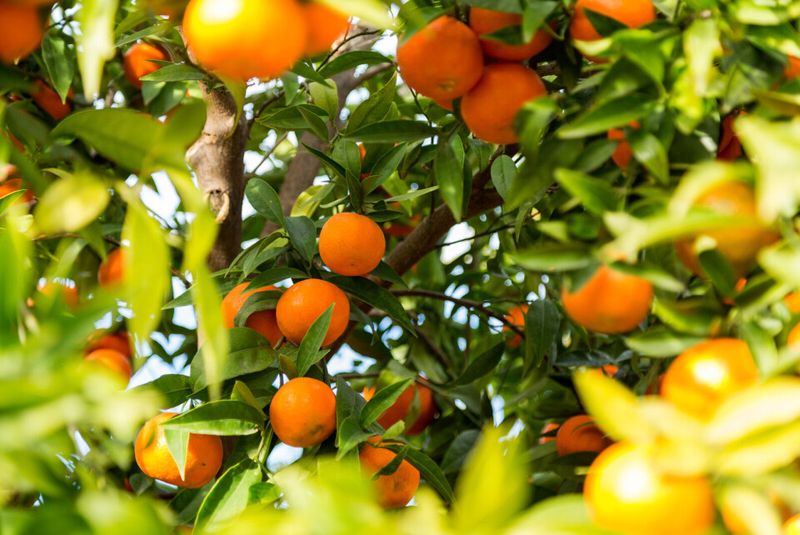
Clementines have a shorter, more specific harvest window, typically running from November through January. This makes them a proper winter treat, often associated with Christmas stockings and holiday gatherings throughout Britain.
Mandarins enjoy a longer growing season that can extend from autumn right through to spring, depending on the variety. This extended availability means you can find fresh mandarins in shops for several months each year.
8. Typical Culinary Use
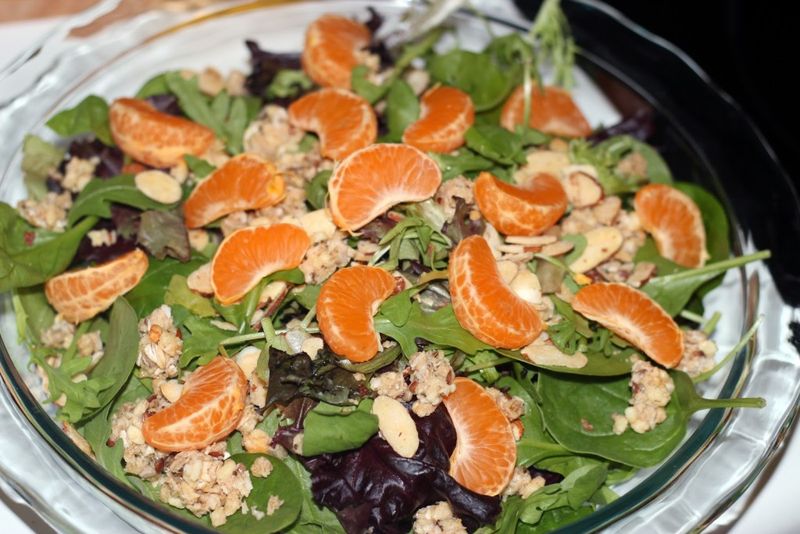
These fruits are most often eaten fresh, thanks to their convenient size and flavour. Clementines are commonly used in desserts, salads, and light sauces.
Mandarins also adapt well to both raw and cooked dishes. Their flavour usually holds up nicely when heated.
The choice often depends more on availability than strict culinary rules.



