













Calories often get a bad reputation, yet they are simply a measure of energy rather than a shortcut to poor choices. Some everyday foods naturally pack more calories while still offering valuable nutrients, flavour and satisfaction.
It can be refreshing to rethink what balanced eating actually looks like once fear based labels are stripped away. A few smart perspectives make everyday meals feel far more relaxed and enjoyable.
All information is provided for general interest only and should not be treated as personalised nutrition or medical advice. Dietary needs differ between individuals, and professional guidance should be sought for specific health concerns.
1. Avocado
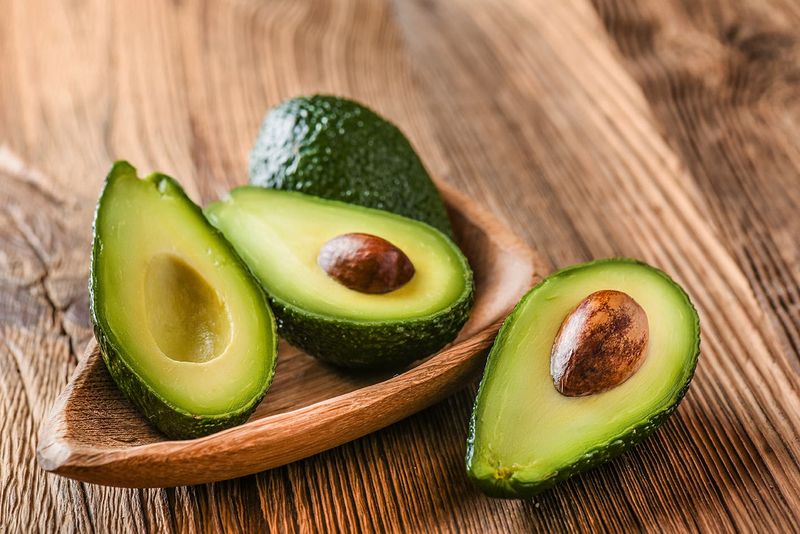
Packed with heart-healthy monounsaturated fats, avocados provide around 240 calories per fruit. Your body needs these fats to absorb vitamins and maintain cell health.
They're loaded with fibre, potassium, and vitamins that support digestion and blood pressure. Spreading some on toast or tossing it in salads adds creamy texture and serious nutrition to your meals.
2. Almonds
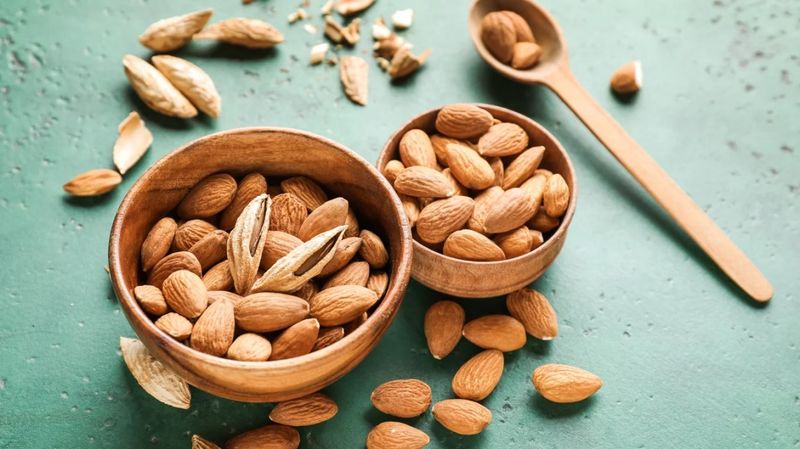
A small handful of almonds contains about 160 calories, but don't let that scare you away. These crunchy nuts deliver protein, fibre, vitamin E, and magnesium that keep you satisfied for hours.
Research shows they can actually help with weight management despite their calorie count. Snacking on a portion between meals beats reaching for crisps every single time.
3. Olive Oil

One tablespoon packs 120 calories, yet olive oil remains a cornerstone of the Mediterranean diet. Rich in antioxidants and anti-inflammatory compounds, it protects your heart and brain.
Extra virgin varieties offer the most benefits with their robust flavour and polyphenols. Drizzling it over vegetables or using it for cooking brings both taste and wellness to your kitchen.
4. Salmon
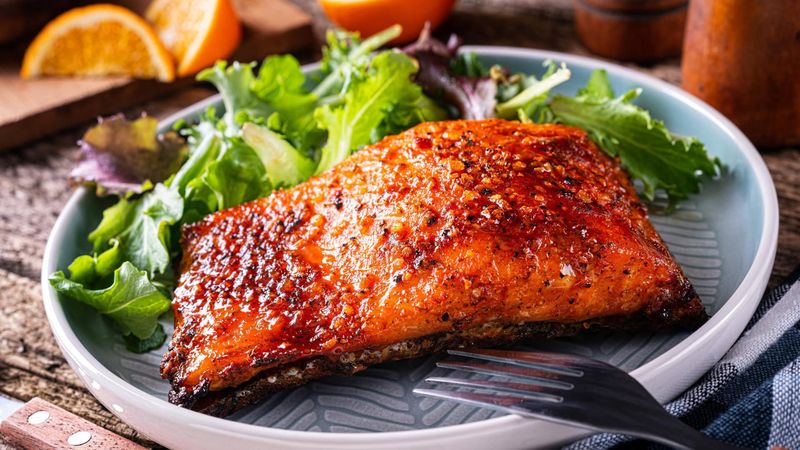
A serving of salmon contains roughly 200 calories, but it's absolutely worth it for the omega-3 fatty acids alone. These essential fats reduce inflammation, support brain function, and promote heart health.
You'll also get high-quality protein that helps build muscle and keeps you full. Grilling or baking a fillet twice weekly gives your body nutrients it simply can't make on its own.
5. Peanut Butter
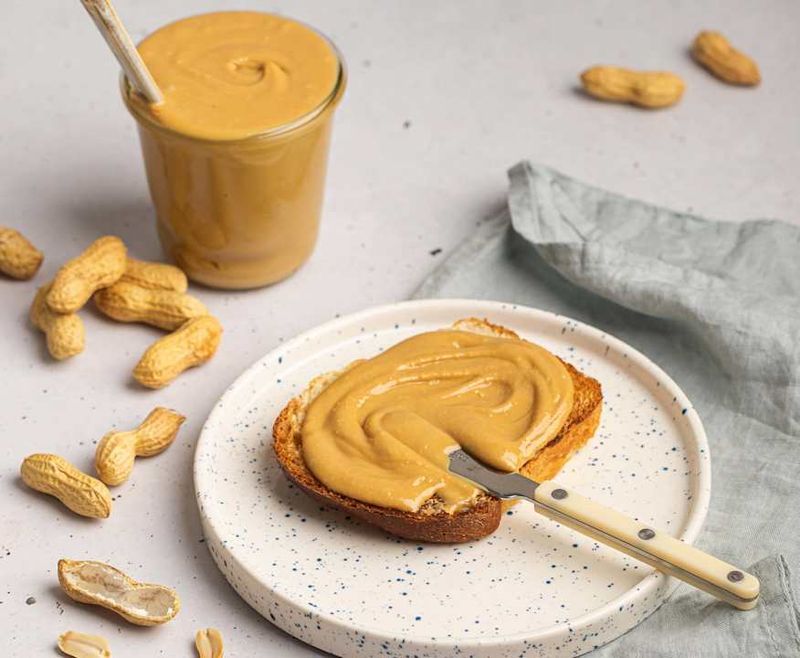
Two tablespoons deliver about 190 calories along with plant-based protein and healthy fats. Natural versions without added sugar provide the best nutritional bang for your buck.
It's brilliant for post-workout recovery or spreading on apple slices for a balanced snack. The combination of protein and fat stabilises blood sugar levels and prevents energy crashes throughout your day.
6. Full Fat Greek Yoghurt

Around 150 calories per serving might seem high compared to fat-free versions, but the full-fat variety keeps you satisfied longer. It contains probiotics that support gut health and boost your immune system.
The protein content helps build muscle and repair tissues after exercise. Topping it with berries and nuts creates a breakfast that fuels you properly for hours ahead.
7. Eggs
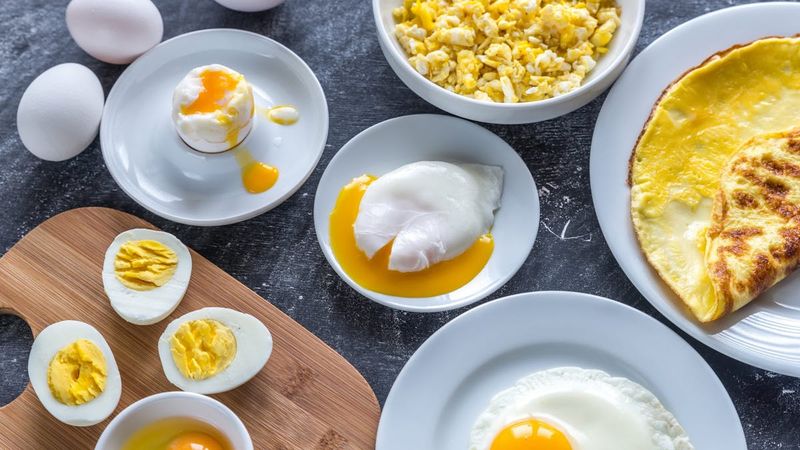
One large egg has about 70 calories, yet it's considered nature's perfect protein package. You'll find all nine essential amino acids plus vitamins D, B12, and choline for brain health.
The yolk contains most of the nutrients, so don't skip it despite outdated cholesterol fears. Scrambling, poaching, or boiling them provides versatile meal options that nourish your entire body beautifully.
8. Quinoa
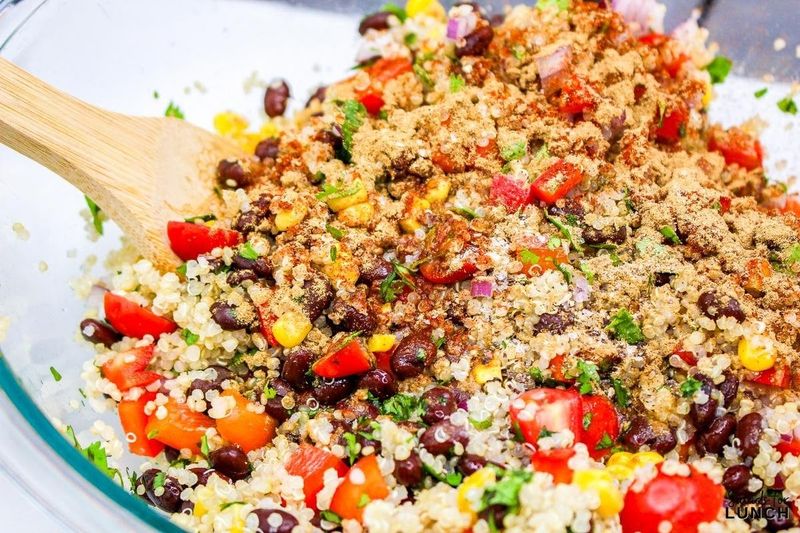
This ancient grain packs 220 calories per cooked cup but stands out as a complete protein source. Unlike most plant foods, quinoa contains all essential amino acids your muscles need.
It's gluten-free, high in fibre, and rich in iron and magnesium for energy production. Using it as a base for Buddha bowls or salads creates filling meals that support your fitness goals.
9. Chia Seeds
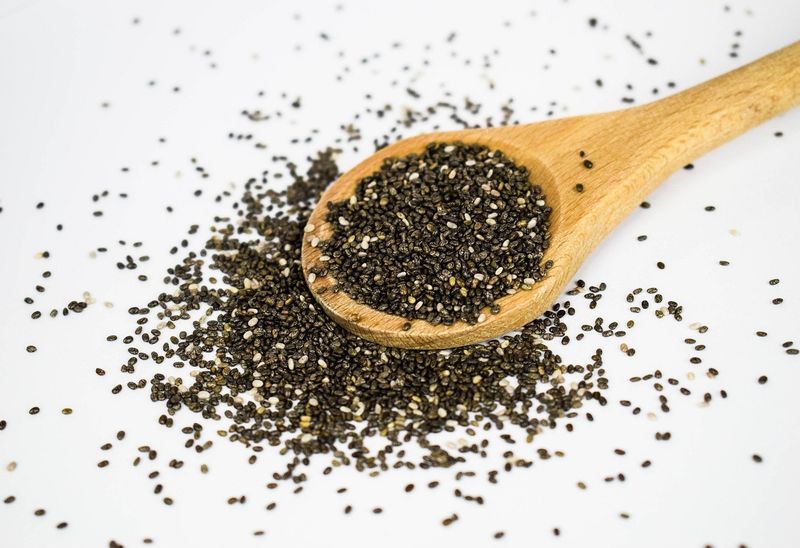
Just two tablespoons contain 140 calories, but these tiny seeds expand in liquid to keep you full. They're loaded with omega-3s, fibre, and antioxidants that fight inflammation.
Chia seeds absorb up to twelve times their weight in water, creating a gel-like consistency. Stirring them into smoothies or making overnight puddings gives you sustained energy without blood sugar spikes.
10. Dark Chocolate

A 40-gram serving contains roughly 230 calories, but dark chocolate with 70% cacao or higher offers genuine health perks. Flavonoids in quality dark chocolate improve blood flow and lower blood pressure.
It also contains iron, magnesium, and mood-boosting compounds that satisfy sweet cravings sensibly. Enjoying a few squares after dinner provides antioxidants whilst feeling like a proper treat.



