













Jarred pasta sauces offer convenience that fits easily into busy routines, helping turn simple ingredients into quick meals with minimal effort. However, nutrition experts often highlight that some ready-made sauces can contain higher levels of salt, saturated fat, and added sugars than many people realise.
Regularly consuming these ingredients in excess may contribute to broader dietary imbalances that can affect heart health over time. This does not mean jarred sauces need to be avoided entirely, but understanding ingredient labels and portion sizes can help shoppers make more informed choices.
A closer look at popular options reveals how small adjustments can support a more balanced approach to everyday meals.
This content is provided for general information only and is not intended as medical or dietary advice. Nutritional needs vary, and individuals with health concerns should consult a qualified healthcare professional.
Product ingredients, availability, and formulations may vary. Photos are for illustrative purposes only.
1. Traditional Marinara Sauces That May Contain High Sodium Levels
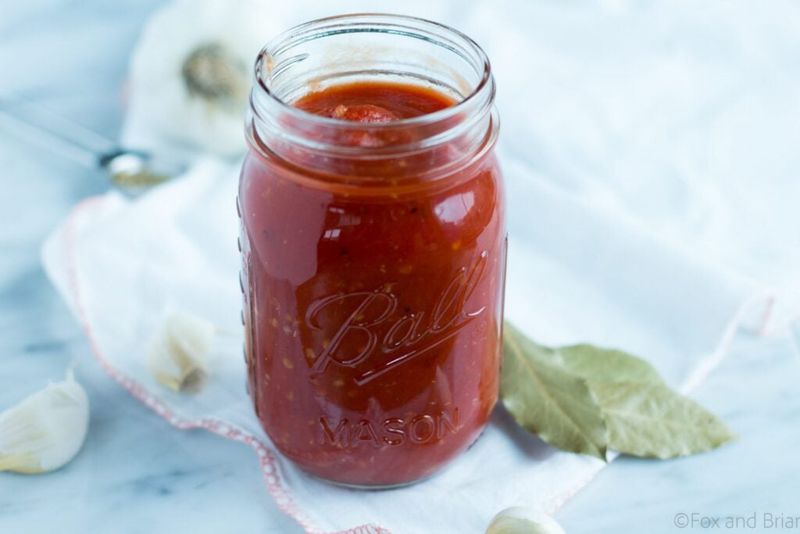
Some classic marinara jars pack more than half your daily sodium allowance into a single serving. That innocent-looking red sauce can deliver over 500 milligrams of salt before you've even boiled the pasta.
Your blood pressure doesn't stand much of a chance when dinner becomes a sodium bomb. Regular consumption of high-salt sauces pushes your cardiovascular system into overdrive, forcing your heart to work harder than it should.
Look for labels saying 'low sodium' or 'no added salt' to keep things sensible without sacrificing flavour.
2. Meat-Heavy Spaghetti Sauces That Include Processed Ingredients
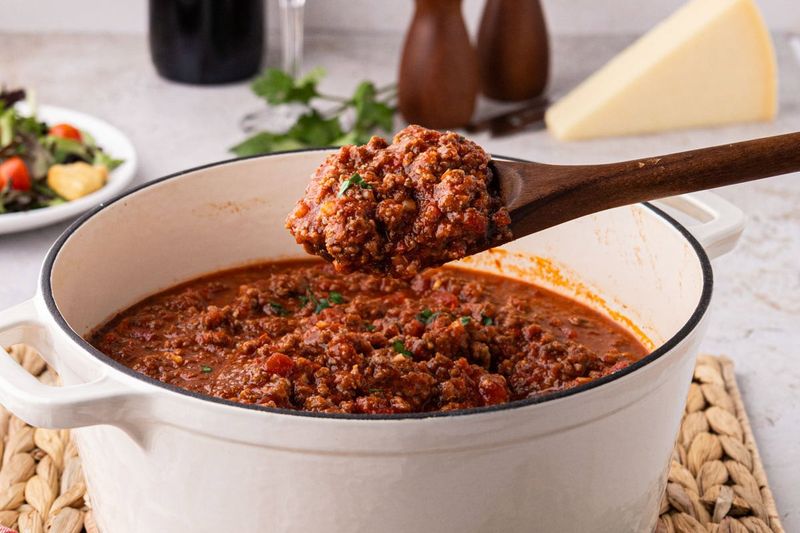
Bolognese and meaty ragu sauces often rely on processed meat fillers rather than quality mince. These mystery meat additions bring along preservatives, extra sodium, and saturated fats that your arteries definitely didn't ask for.
The convenience of jarred meat sauce comes at a cost. Processing techniques strip away nutrients whilst adding stabilisers and flavour enhancers that do your heart no favours whatsoever.
If you're craving something meaty, brown some lean mince yourself and stir it into a cleaner tomato base instead.
3. Cream-Based Alfredo And White Sauces Higher In Saturated Fat
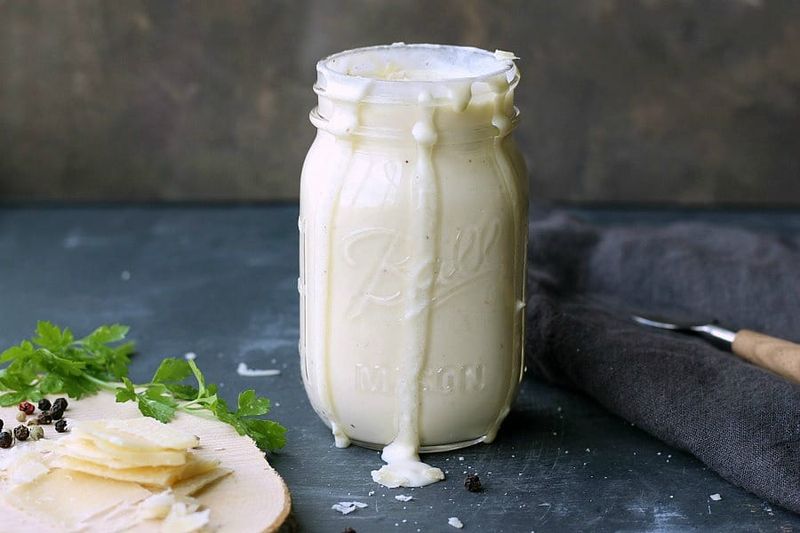
Alfredo sauce is basically a heart attack in a jar if we're being brutally honest. That silky, dreamy texture comes from mountains of saturated fat, heavy cream, and enough butter to make your cardiologist weep.
A single serving can contain nearly half your daily saturated fat limit. Add in the hidden sugars some brands sneak in, and you've got a recipe for cholesterol chaos.
Swap to lighter versions or make a simple olive oil and garlic base that won't clog your arteries quite so enthusiastically.
4. Highly Processed Shelf-Stable Pasta Sauces Worth Reviewing Carefully
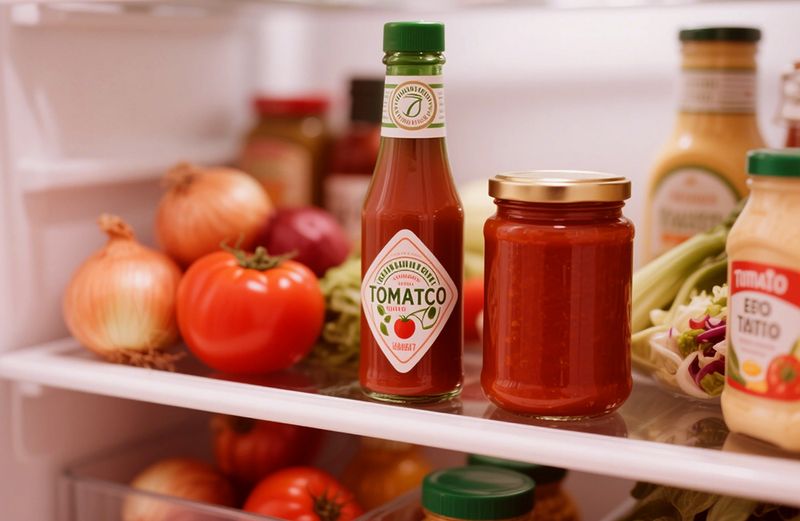
Those sauces that last forever on the shelf aren't performing magic through tomatoes alone. Preservatives, stabilisers, and chemical additives keep them fresh for months, but they're not doing your cardiovascular system any kindness.
Ultra-processed foods have been linked to increased inflammation and higher heart disease risk. The more ingredients you can't pronounce, the further you're straying from actual food.
Check the label before buying. If it reads like a chemistry experiment rather than a recipe, leave it on the shelf.
5. Tomato Sauces Marketed For Children That May Contain Added Sugars

Kids' pasta sauces are sneaky little sugar bombs dressed up in friendly packaging. Manufacturers add sweetness to appeal to young palates, but they're essentially conditioning children to expect pudding-level sugar in savoury meals.
Some contain more sugar per serving than a biscuit. That's not just bad for tiny teeth; it's training taste buds whilst quietly damaging developing cardiovascular systems.
Make your own simple tomato sauce and let kids help. They'll eat it happily without needing spoonfuls of hidden sugar.
6. Cheese-Heavy Tomato Hybrid Sauces With Higher Fat And Salt Content
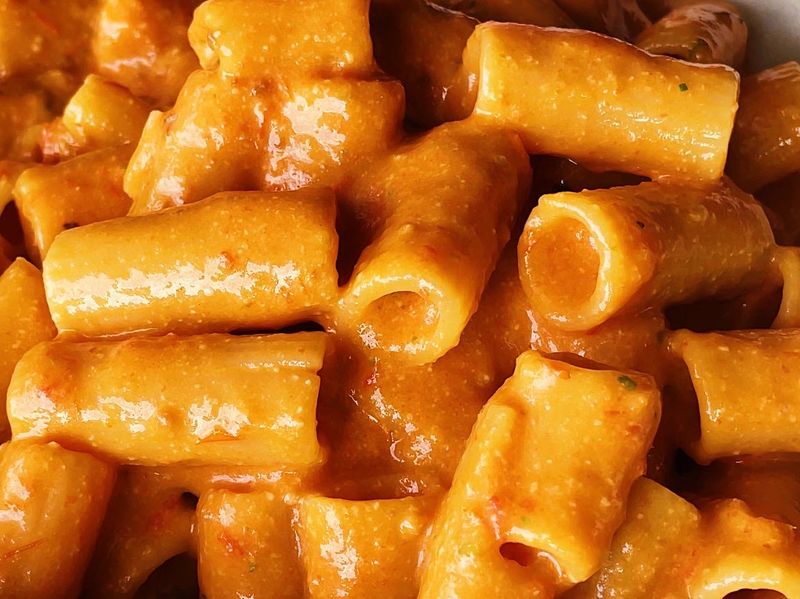
Tomato and cheese combo sauces sound brilliant until you check what's actually inside. These hybrid creations combine the sodium from tomato sauce with the saturated fat from cheese, creating a cardiovascular double whammy.
The cheese often comes from processed sources rather than real Parmesan or mozzarella. You're getting artificial flavours alongside unhealthy fats and enough salt to preserve a small army.
Grate fresh cheese over plain tomato sauce instead. You'll use less, taste more, and spare your heart the grief.
Simple Ways To Choose More Heart-Conscious Pasta Sauces
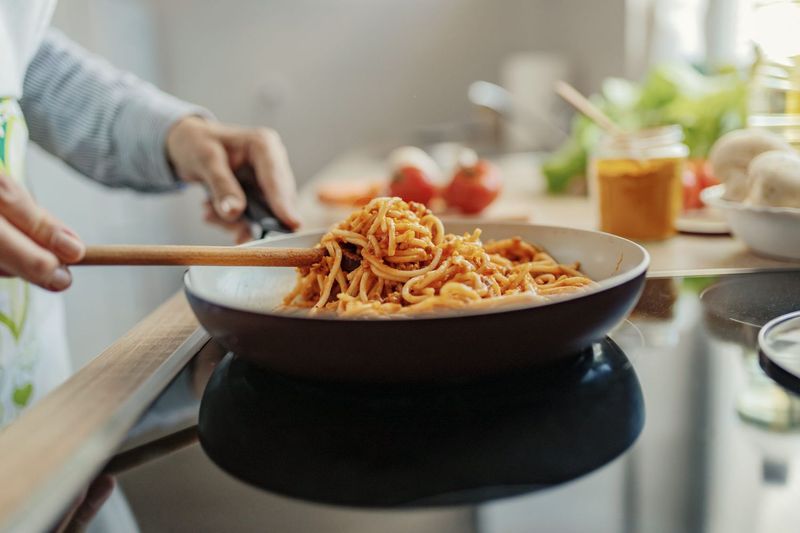
Reading labels becomes second nature once you know what to avoid. Look for sauces with fewer than 400 milligrams of sodium per serving, minimal added sugars, and ingredient lists you can actually understand.
Brands offering organic or 'clean label' options often skip the nasty additives. They cost a bit more but your heart will thank you for the investment in actual food rather than chemistry.
When possible, simmer tinned tomatoes with garlic and herbs. Twenty minutes gets you something infinitely better and genuinely heart-friendly.
Why Portion Size And Frequency Play A Key Role In Balance
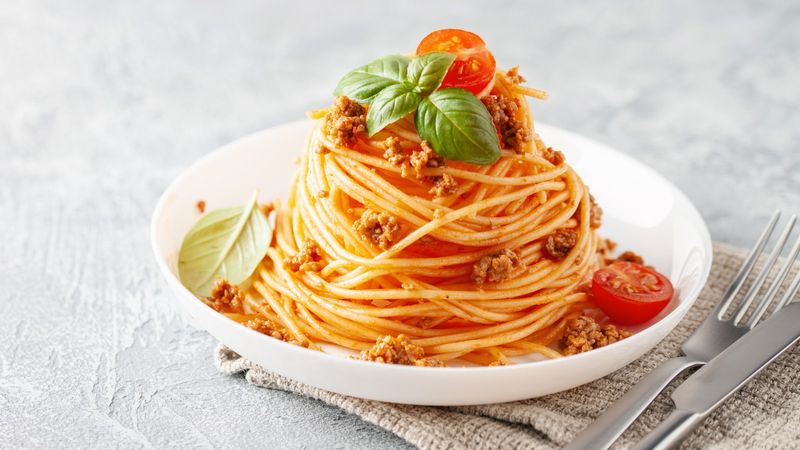
Even the dodgiest sauce becomes manageable if you're not drowning your pasta in it. Most nutrition labels base their numbers on half a cup, but many of us pour double or triple that amount without thinking.
Frequency matters just as much as quantity. Having jarred sauce occasionally won't wreck your heart, but relying on it nightly means those sodium and fat numbers add up fast.
Measure your portions and alternate between jarred convenience and homemade batches. Balance keeps both your schedule and your cardiovascular system happy.



