













Dining in Japan involves more than enjoying the food on your plate. The country’s eating culture is guided by a range of customs that can surprise first-time visitors, from how utensils are handled to the phrases spoken before and after a meal.
Understanding these expectations helps diners navigate Japanese restaurants respectfully and enhances the overall experience. For Britons visiting Japan or enjoying Japanese cuisine at home, being aware of these practices ensures meals are both enjoyable and culturally appropriate.
The following 10 etiquette points highlight common situations that may confuse those unfamiliar with local dining norms.
This article is for informational purposes only. Customs and practices may vary by region and restaurant. Photos are for illustrative purposes only.
1. Removing Shoes Before Entering Certain Restaurants
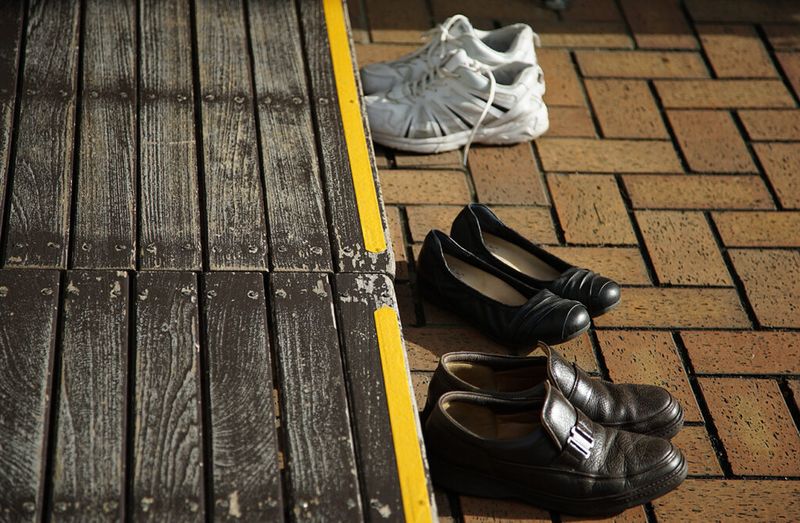
Picture this: you rock up to a cosy Japanese restaurant, and there is a row of shoes lined up neatly at the door. That is your cue.
Many traditional Japanese restaurants, especially those with tatami seating, expect guests to remove their shoes before stepping inside.
Slipping them off and placing them tidily shows real respect for the space. Most restaurants provide slippers or simply a raised wooden floor.
Keep your socks hole-free, just in case!
2. Using Chopsticks Correctly And Avoiding Pointing
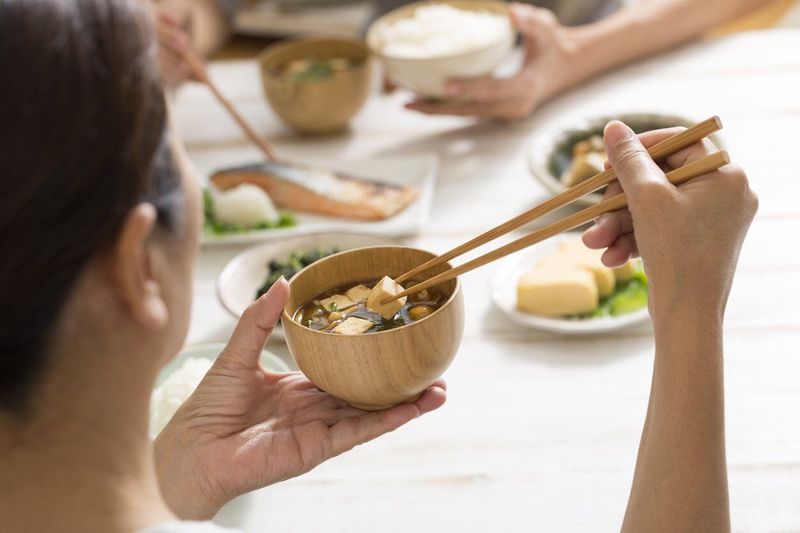
Chopsticks are not just cutlery in Japan; they carry a whole set of unspoken rules. Pointing them at someone across the table is considered quite rude, similar to jabbing your finger at a person mid-conversation back home.
Instead, rest them on the chopstick holder when not in use and handle them with care. Getting your grip right takes a bit of practice, but Japanese locals genuinely appreciate the effort foreigners make to use them properly.
3. Not Passing Food Directly Between Chopsticks
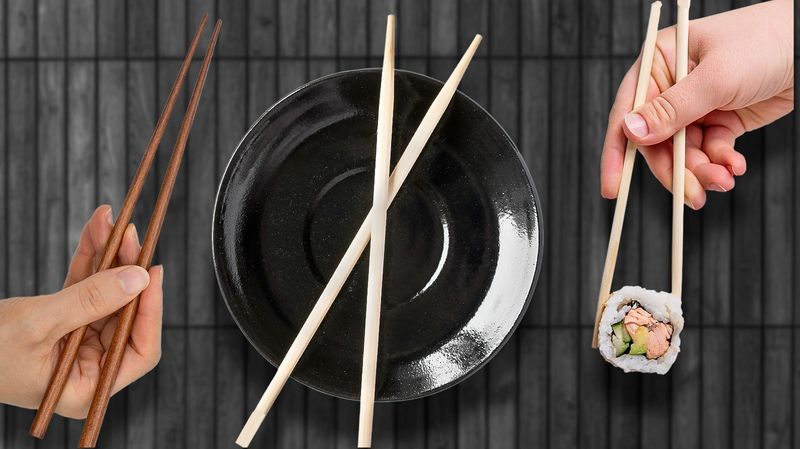
Here is one that surprises most Britons. Passing food directly from your chopsticks to someone else's is a significant no-no in Japan, because it mirrors a funeral ritual where cremated bones are passed between family members.
Instead, place the food gently onto a small dish or the person's plate so they can pick it up themselves. It is a small adjustment that carries enormous cultural weight and shows real thoughtfulness at the table.
4. Avoiding Loud Slurping Or Talking With Food In Mouth
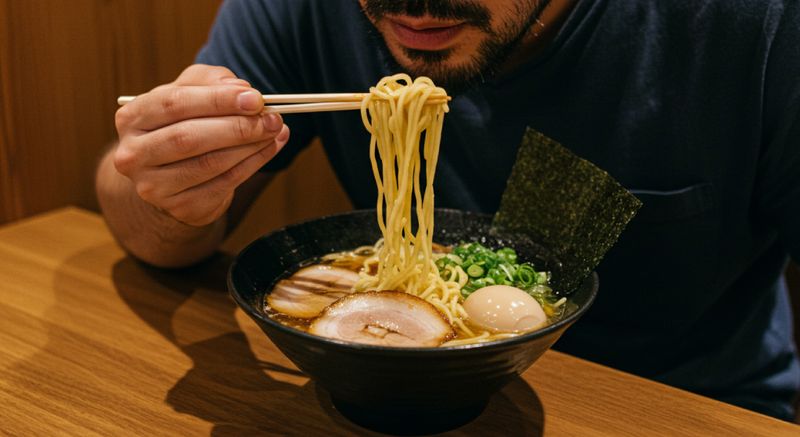
Right, so this one is a bit of a mixed bag. Slurping noodles is actually perfectly acceptable in Japan and even signals enjoyment of your ramen or soba.
However, chatting away with a gob full of food remains firmly off the table.
The distinction matters. Slurping is about appreciating flavour; speaking with food in your mouth is still considered poor form.
A good rule of thumb: noodle noise is fine, but keep conversations polished between bites.
5. Pouring Drinks For Others Before Yourself
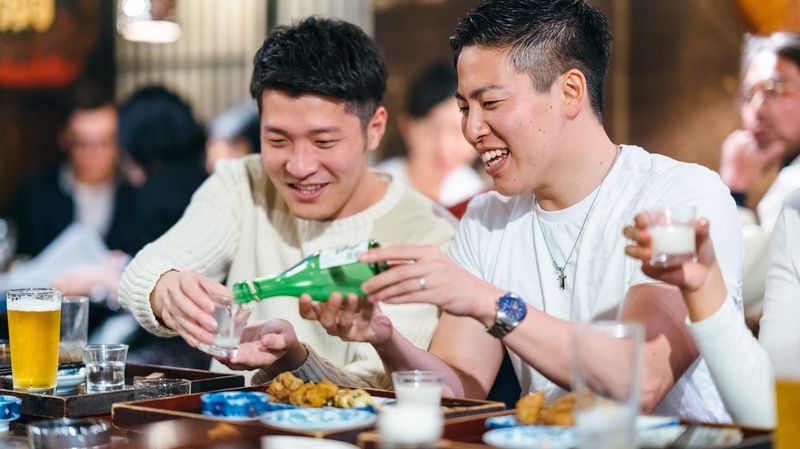
In Japan, looking after others at the table comes first, quite literally. Pouring your own drink before checking whether your dining companions need a top-up is considered a touch selfish, and it is something locals notice straight away.
Keep an eye on everyone's cups throughout the meal and offer to refill them as needed. Expect others to do the same for you in return.
It creates a lovely sense of communal care that makes shared meals feel genuinely warm and connected.
6. Bowing Slightly When Thanking Or Greeting Staff
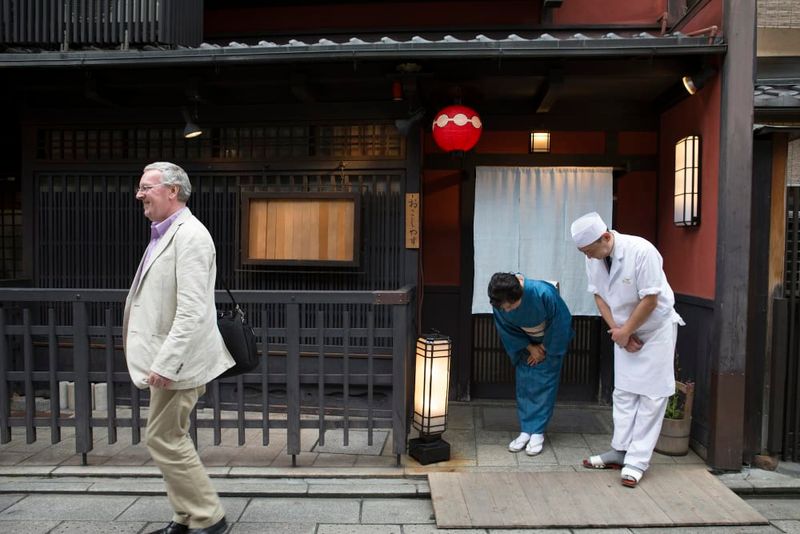
Walking into a Japanese restaurant and giving the staff a cheerful wave might feel natural to a Brit, but a small bow goes a much longer way here. Even a modest tilt of the head when being greeted or thanking a server communicates genuine respect.
You do not need to perfect a deep ceremonial bow; a subtle, sincere nod is absolutely appreciated. Staff will often bow back, and that brief exchange sets a wonderfully respectful tone for the entire meal ahead.
7. Finishing All Food On Your Plate
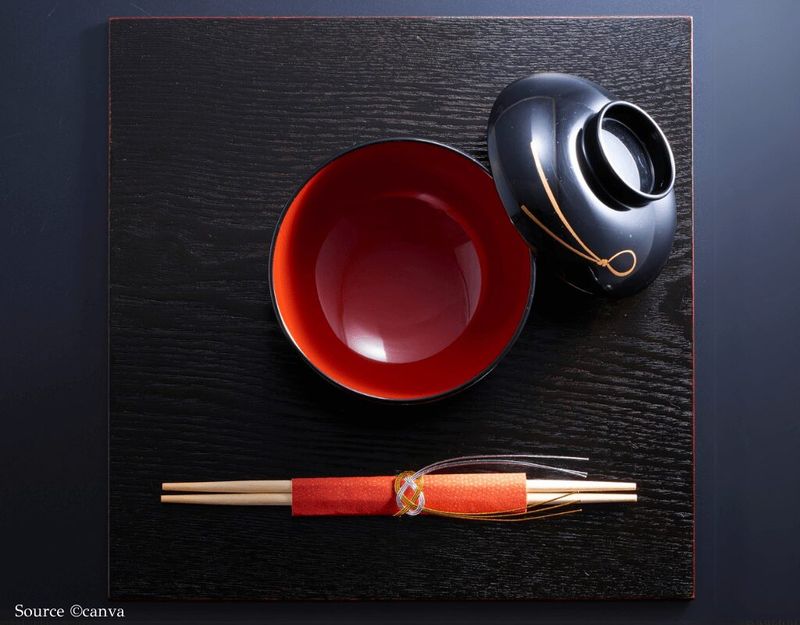
Leaving food on your plate in Japan sends a rather different message than it might back in Britain. Finishing everything you have been served shows genuine appreciation for the meal and the effort the chef has put in.
If you are worried about portion sizes, ordering smaller dishes to begin with is perfectly acceptable. Japanese cuisine often features multiple small plates, so you can always add more.
Think of a clean plate as the sincerest compliment you can give the kitchen.
8. Not Sticking Chopsticks Upright In Rice
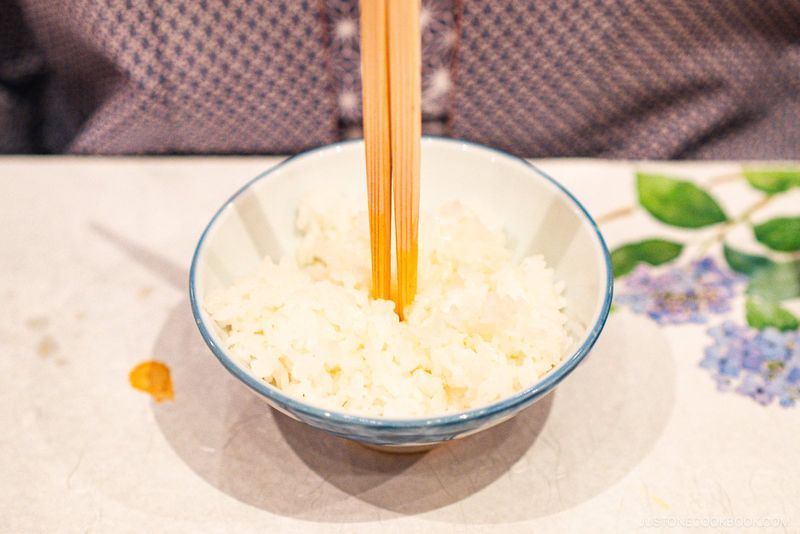
Sticking your chopsticks straight up in a bowl of rice might seem like a handy way to rest them, but in Japan it is genuinely alarming to onlookers. The image directly recalls incense sticks burned at funerals, making it deeply associated with death and mourning.
Always use the chopstick rest provided, or lay them across the rim of your bowl. It is one of those cultural connections that is easy to forget in the moment but very worth remembering.
9. Using Wet Towels (Oshibori) To Clean Hands Before Eating
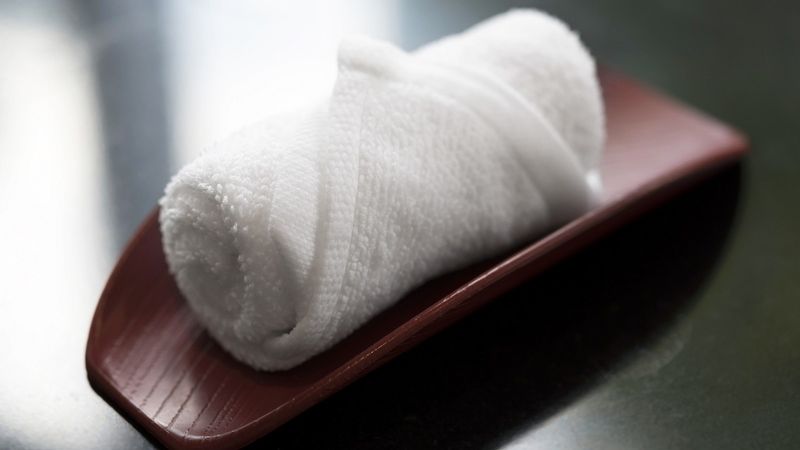
Almost every Japanese restaurant, from a casual ramen spot to a formal kaiseki establishment, will present you with a small rolled towel called an oshibori when you sit down. This damp cloth, sometimes warm and sometimes cool depending on the season, is for cleaning your hands before the meal begins.
Use it on your hands only; wiping your face is generally frowned upon in formal settings. Once done, fold it neatly and set it aside on the tray provided.
10. Quietly Saying Itadakimasu And Gochisousama
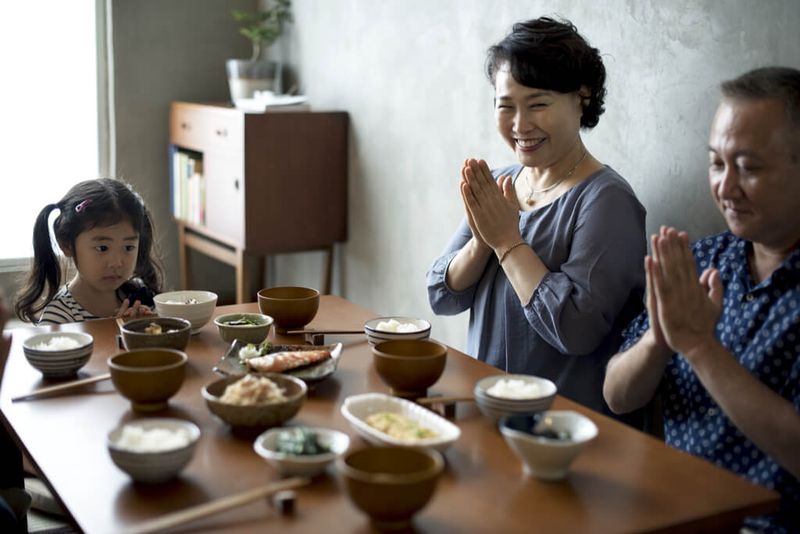
Two little phrases carry enormous meaning in Japanese dining culture. Before eating, you say "Itadakimasu" (roughly meaning "I humbly receive"), which acknowledges gratitude for the food, the farmers, and the cook.
When finished, "Gochisousama" expresses heartfelt thanks for the meal.
Neither needs to be shouted across the restaurant; a quiet, sincere murmur is perfectly appropriate. Most Japanese diners say these almost instinctively.
Picking them up and using them genuinely earns real warmth and respect from locals around you.



