













Ordering food in Italy can feel familiar at first glance – pasta, pizza, espresso, what could go wrong? Yet small habits that pass without comment in Britain can attract puzzled looks in Rome, Florence, or Milan.
Mealtimes follow a rhythm, certain dishes are rarely mixed, and even the way you drink your coffee carries quiet expectations. Understanding these customs can make the difference between feeling like a confident diner and standing out for all the wrong reasons.
These ten food rules highlight how tradition, timing, and regional pride shape everyday eating across Italy – and why a little awareness goes a long way.
All information is provided for general interest only. Customs may vary by region and setting. Photos are for illustrative purposes only.
1. Cappuccino Is A Morning-Only Drink
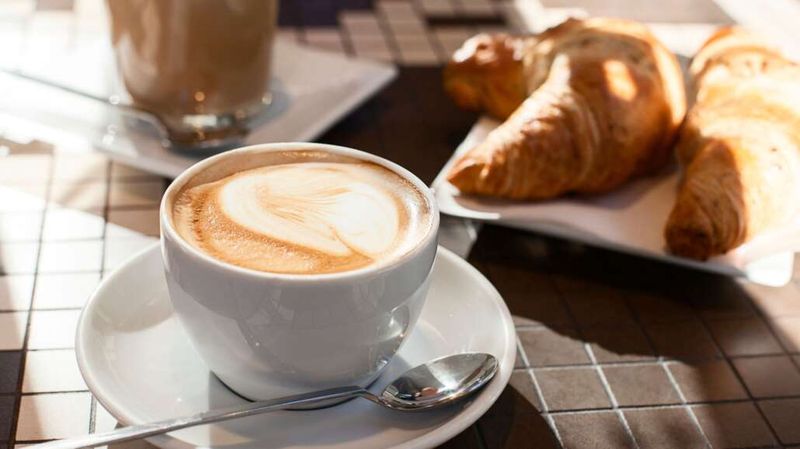
Ordering a cappuccino after lunch in Italy is like asking for a full English at teatime. It just doesn't happen.
Italians believe the milk makes cappuccinos too heavy for later in the day, potentially interfering with digestion after a proper meal.
After midday, locals switch to espresso or macchiato. These smaller, milk-free options are considered the appropriate way to end lunch or dinner.
Walk into any Italian cafe at 3pm and ask for a cappuccino, and you'll likely get a puzzled look from the barista, though they'll still make it for you.
2. No Cheese On Seafood Pasta
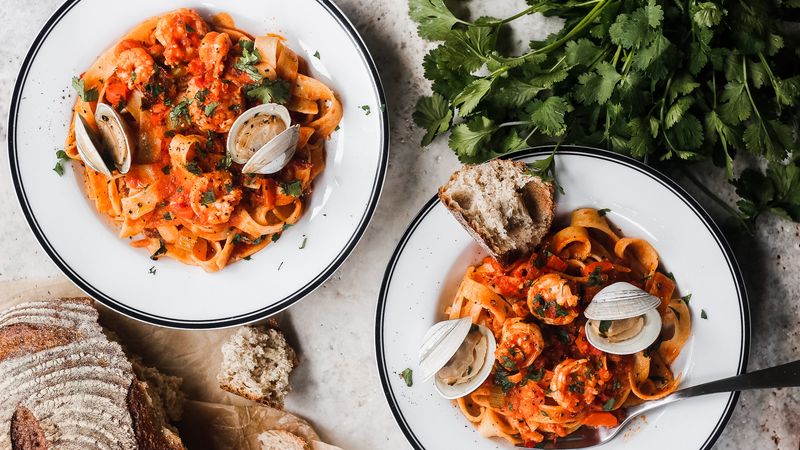
Sprinkling Parmesan over your seafood linguine? That's a culinary crime in Italy.
The strong, salty flavour of aged cheese completely overwhelms the delicate taste of fish and shellfish, which Italians consider disrespectful to quality ingredients.
This rule is so deeply ingrained that many restaurants won't even offer you the cheese grater when you order seafood pasta. The tradition stems from respecting each ingredient's natural flavour rather than masking it.
Your spaghetti alle vongole is perfectly seasoned already, trust the chef on this one.
3. Pasta Is Not A Side Dish
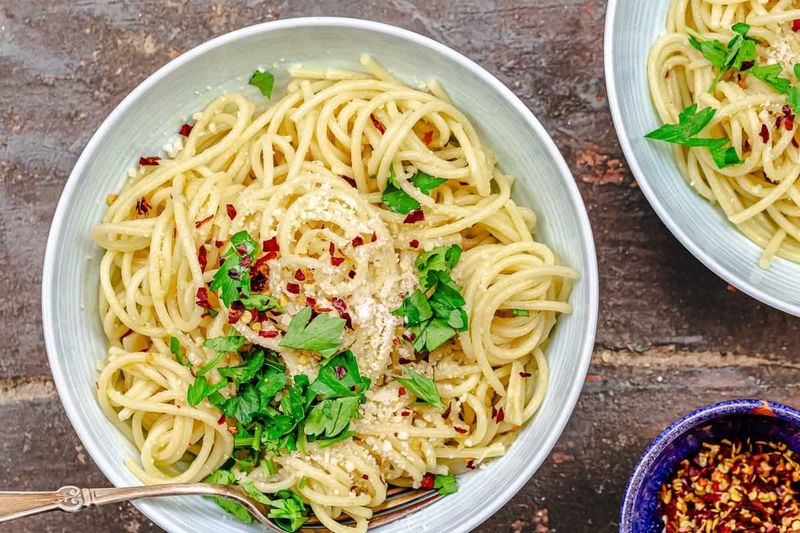
Back home, pasta might arrive alongside your chicken or steak. In Italy, that's absolutely bizarre.
Pasta holds the honoured position of primo piatto, the first course, and deserves its own moment in the spotlight without competing with meat or fish.
Italian meals follow a specific structure: antipasto, primo, secondo, and so on. Pasta commands respect as a standalone course, never relegated to supporting actor status.
Piling it next to your main protein would confuse the entire rhythm of the meal and leave Italians genuinely baffled by your plate arrangement.
4. Spaghetti Bolognese Is Not A Thing
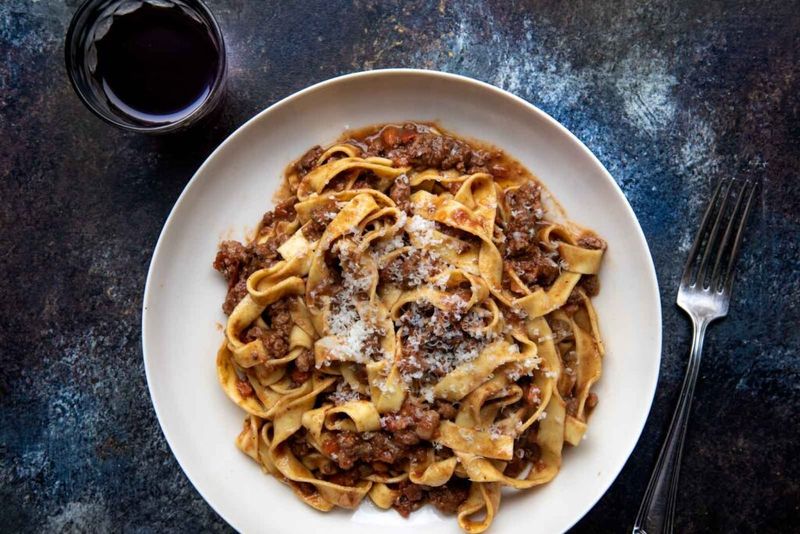
Here's a shocker: spaghetti Bolognese doesn't exist in Bologna. The authentic ragu alla Bolognese is traditionally served with tagliatelle, those wide, flat ribbons of fresh pasta that actually hold the rich meat sauce properly.
Spaghetti's smooth, round surface lets the sauce slide right off, which is why Bolognese locals would never pair them together. The real deal involves slow-cooked meat, tomato, and a touch of milk, clinging beautifully to tagliatelle's broader surface.
Order spaghetti Bolognese in Bologna and you've just announced yourself as a tourist who hasn't done their homework.
5. Pizza And Pasta Rarely Share The Same Order
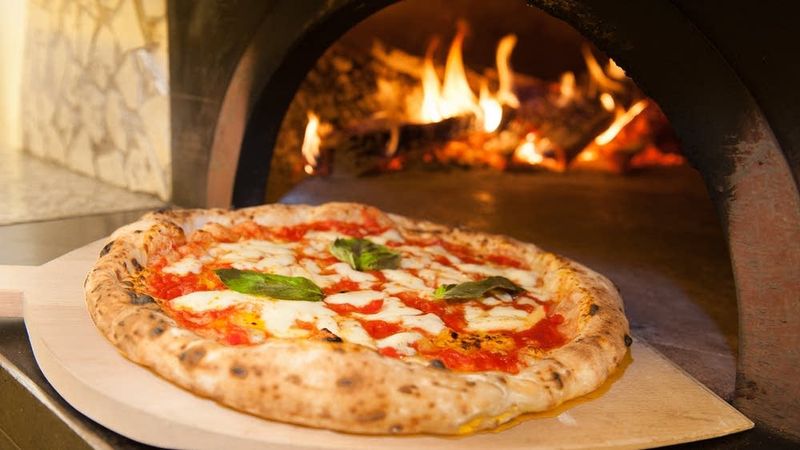
Fancy pizza and a pasta dish at the same meal? Italians find this combination utterly perplexing.
Both are substantial carbohydrate-based courses, and eating them together seems excessive and unbalanced to Italian sensibilities.
You'll choose one or the other, not both. Pizza typically stands alone as a complete meal, whilst pasta takes its place as the primo in a multi-course dinner.
Ordering both suggests you either don't understand Italian dining structure or possess an appetite that defies local comprehension. Pick your carb champion and commit to it fully for that particular meal.
6. Bread Is Not For Dipping In Olive Oil
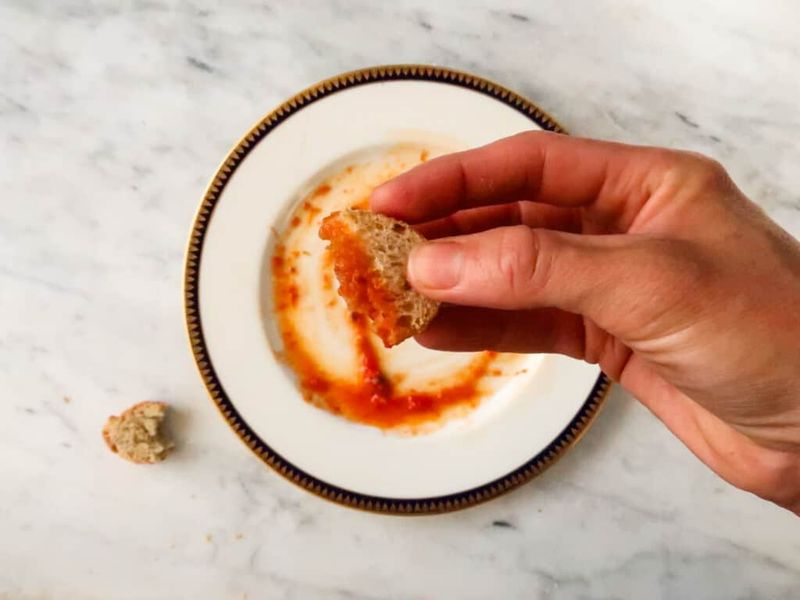
That little dish of olive oil for dipping bread? It’s largely a tourist invention. In Italy, bread is traditionally used to mop up the remaining sauce on the plate or eaten simply alongside the meal, a practice known as la scarpetta.
Sitting down to dunk bread in oil before the food arrives just isn’t part of the authentic custom.
Bread serves a practical purpose during the meal itself, helping to savour every last bit of delicious sauce. Filling up on oil-soaked bread before your food arrives would dull your appetite for the carefully prepared courses ahead.
Save the bread for its proper job: ensuring not a drop of that gorgeous ragu goes to waste.
7. Salad Comes After The Main Course
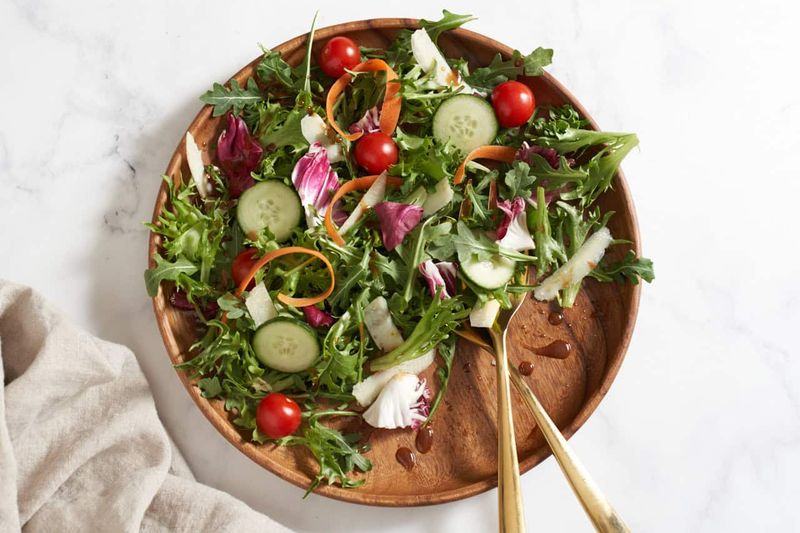
Salad as a starter? Not in Italy.
The insalata arrives after your main course, serving as a palate cleanser and digestive aid rather than an appetiser. This sequencing might seem backwards to British diners, but there's logic behind it.
Fresh, lightly dressed greens help your stomach process the heavier secondo you've just enjoyed. The acidic dressing cuts through rich flavours and prepares you for whatever might follow.
Starting with salad would be like putting dessert before the main, a complete reversal of the meal's natural progression that Italians have perfected over centuries.
8. Carbonara Has No Cream
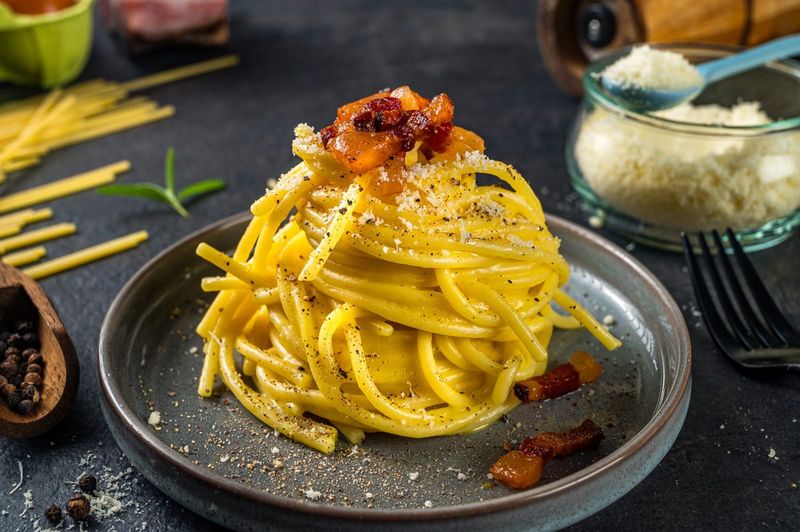
Pouring cream into carbonara is practically heresy in Rome. The authentic version gets its silky texture from eggs, grated Pecorino Romano, and the starchy pasta water, creating a luscious coating without any dairy cream whatsoever.
Guanciale, that gloriously fatty cured pork cheek, provides richness alongside the egg yolks. The technique requires timing and temperature control, whisking everything together off the heat so the eggs create a smooth sauce rather than scrambling.
Adding cream is seen as a shortcut that completely misses the point of this deceptively simple yet technically demanding Roman classic.
9. Pineapple On Pizza Is Deeply Controversial
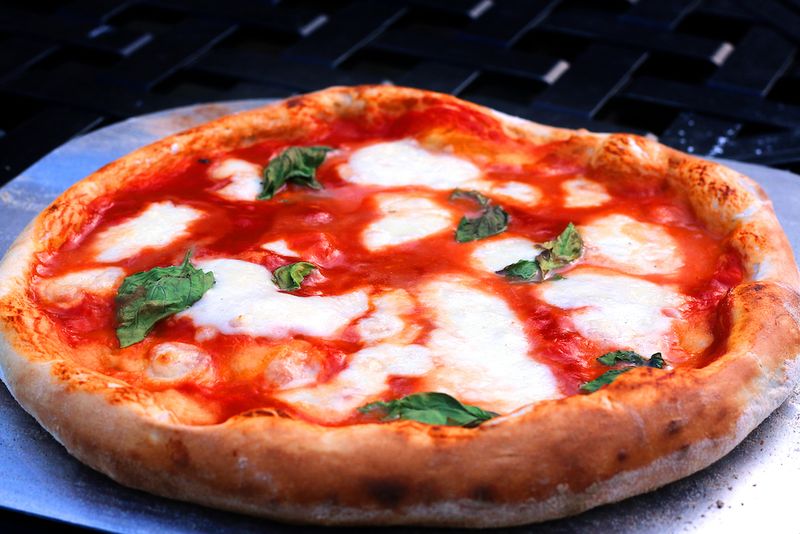
Mention Hawaiian pizza in Italy and watch faces contort in genuine distress. Pineapple on pizza represents everything Italians oppose: random fusion, disrespect for tradition, and flavour combinations that clash rather than complement.
Pizza in Italy celebrates simplicity and quality ingredients that belong together naturally. The sweetness of pineapple alongside savoury cheese and tomato strikes Italians as fundamentally wrong, like putting marmalade on fish and chips.
Whilst some younger Italians might secretly enjoy it, publicly defending pineapple pizza remains the fastest way to start a heated culinary debate.
10. Garlic Bread Is Not Traditional Italian Cuisine
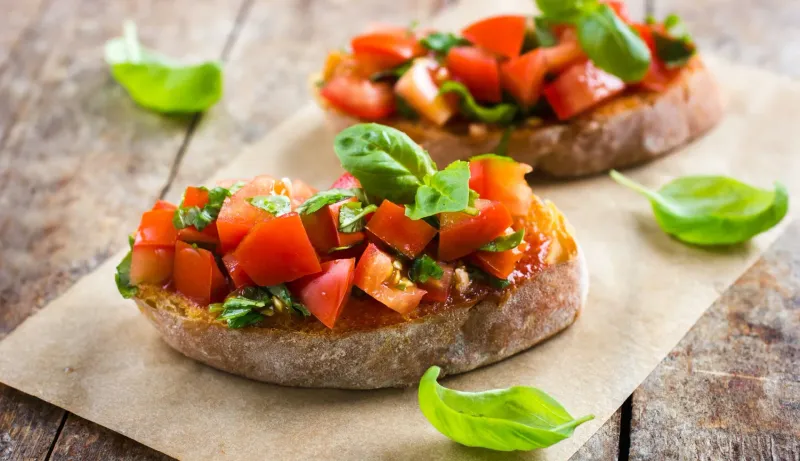
That butter-laden, garlic-smothered bread wrapped in foil? Completely foreign to Italian cuisine.
Italy has bruschetta, where grilled bread gets rubbed with garlic and drizzled with olive oil, but the British-style garlic bread simply doesn't appear on traditional menus.
The butter alone disqualifies it, as Italian cooking predominantly uses olive oil rather than dairy fats for flavouring. Bruschetta celebrates the bread's quality and the freshness of toppings like tomatoes, not heavy garlic butter.
Asking for garlic bread in an authentic Italian restaurant will likely result in confusion or possibly bruschetta appearing instead.



